
Observational skills Addition Worksheets for Ages 3-7
5 filtered results
Difficulty Level
Grade
Age
-
From - To
Subject
Activity
Standards
Enhance your child's observational skills with our engaging Addition Worksheets, designed for ages 3-7. These worksheets focus on building a strong foundation in math through fun, interactive activities that promote critical thinking and attention to detail. Your little ones will learn to recognize patterns, quantities, and numerical relationships as they practice addition in a playful way. Perfect for home or classroom use, our resources cater to various learning styles, keeping children inspired and motivated. With colorful illustrations and age-appropriate challenges, our Observational Skills Addition Worksheets provide an enjoyable and effective approach to mastering early math concepts. Explore the fun today!
Favorites
With answer key
Interactive
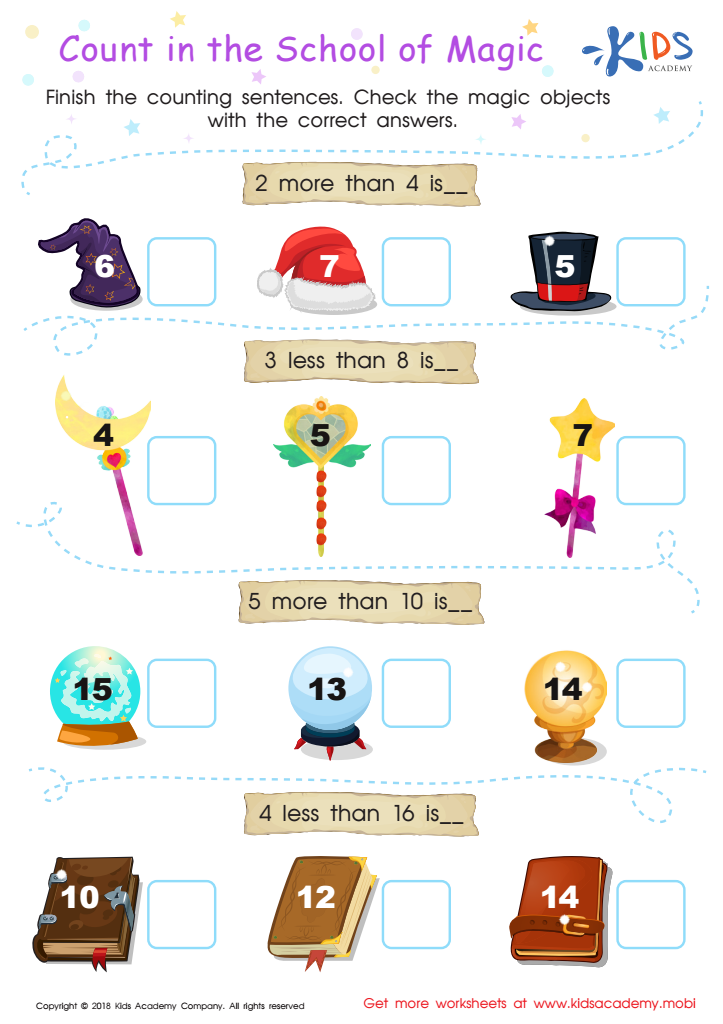
Count in the School of Magic Worksheet
Your math learners can explore the School of Magic with this worksheet. They'll read equations with addition and subtraction numbers under 20, count back and forth to find the answer, then complete the counting sentences. Fun pictures and easy accuracy make it an enjoyable and successful learning experience.
 Assign to My Students
Count in the School of Magic Worksheet
Worksheet
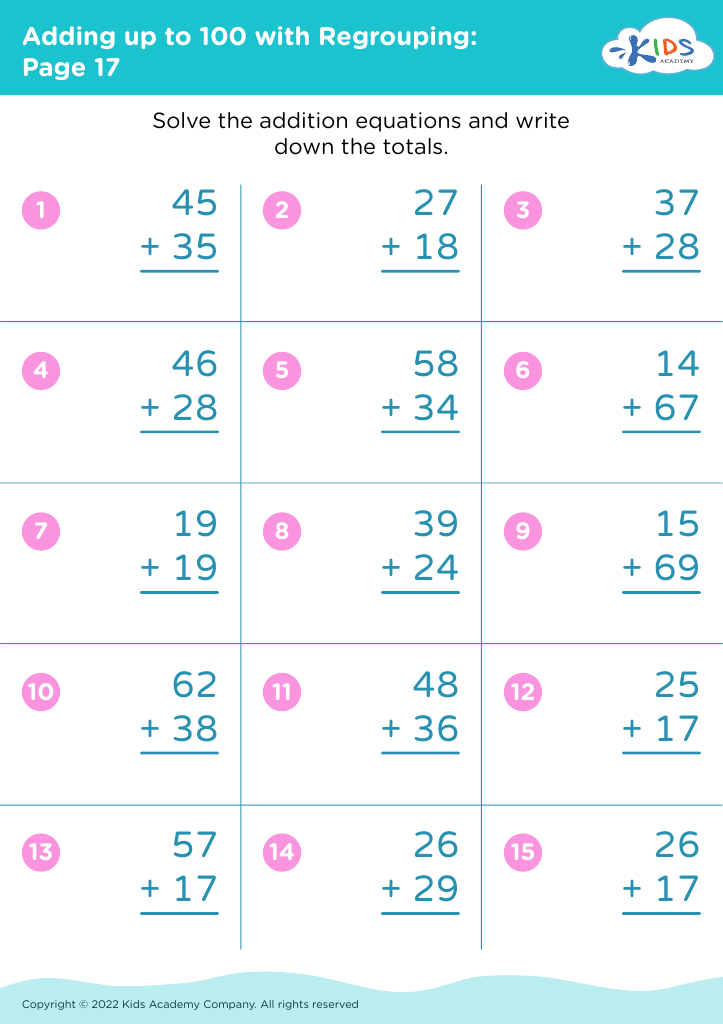
Join Kids Academy for Free
Who is primarily going to use this learning content?




.jpg)
.jpg)

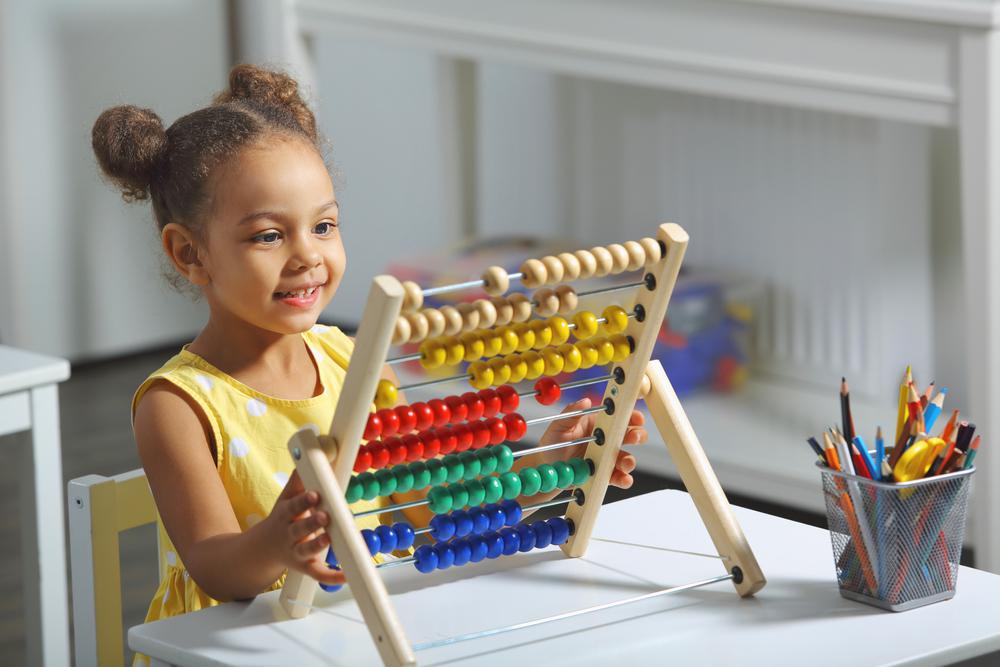
Parents and teachers should prioritize observational skills development in children aged 3-7 because these foundational skills play a crucial role in cognitive, social, and emotional growth. Observational skills enable children to notice and interpret their surroundings, fostering curiosity and enhancing their ability to learn from experiences. By honing these skills, children can improve their comprehension and critical thinking abilities, laying the groundwork for future academic success.
In early childhood, focus on observational skills directly supports language development. When children learn to observe details, they become more adept at describing their environment, which enriches their vocabulary and communication skills. Additionally, engaging in observational activities encourages patience and attention span—essential components of successful learning.
Furthermore, strong observational skills promote social-emotional development. Children who can notice non-verbal cues, such as body language and facial expressions, are better equipped to empathize with others and navigate social situations. Teachers and parents can facilitate this growth through play-based learning, interactions in diverse environments, and encouraging questioning.
In conclusion, fostering observational skills is vital for broad developmental progress in children aged 3-7. By nurturing these abilities, caregivers contribute to building confident, inquisitive learners prepared for lifelong learning.








