
Visual perception improvement Addition Worksheets for Ages 3-7
7 filtered results
Difficulty Level
Grade
Age
-
From - To
Subject
Activity
Standards
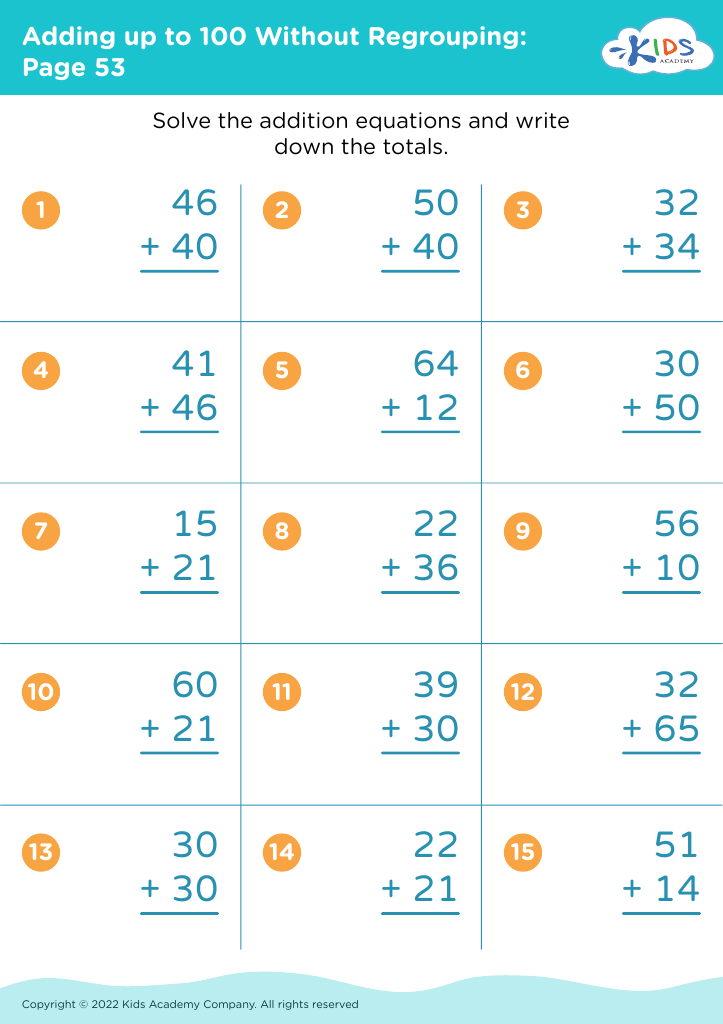
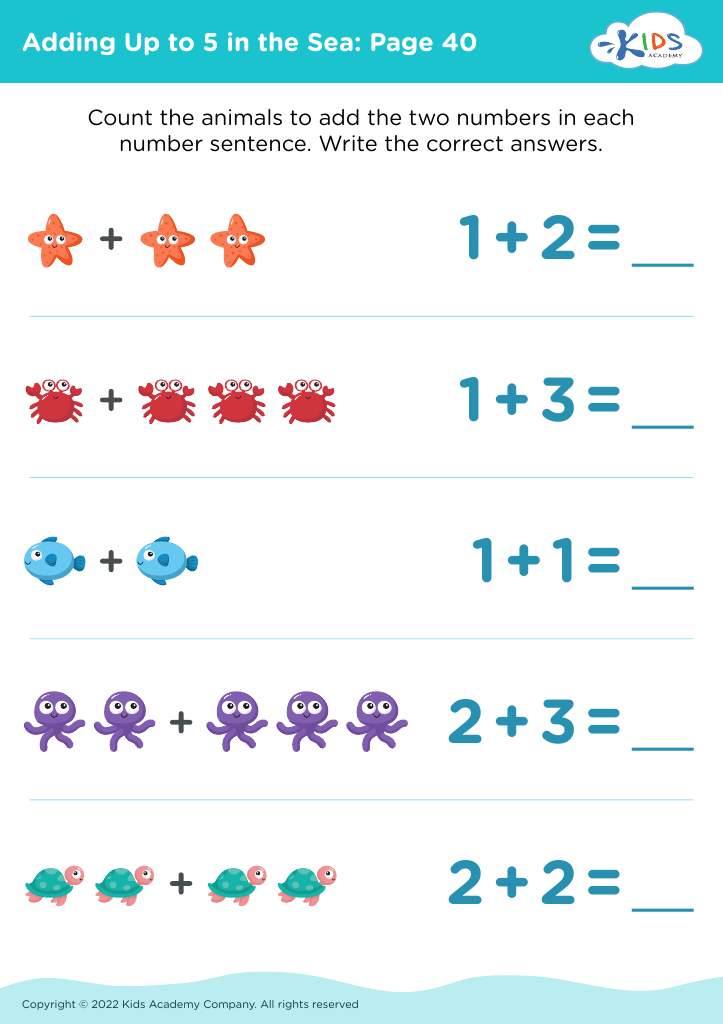
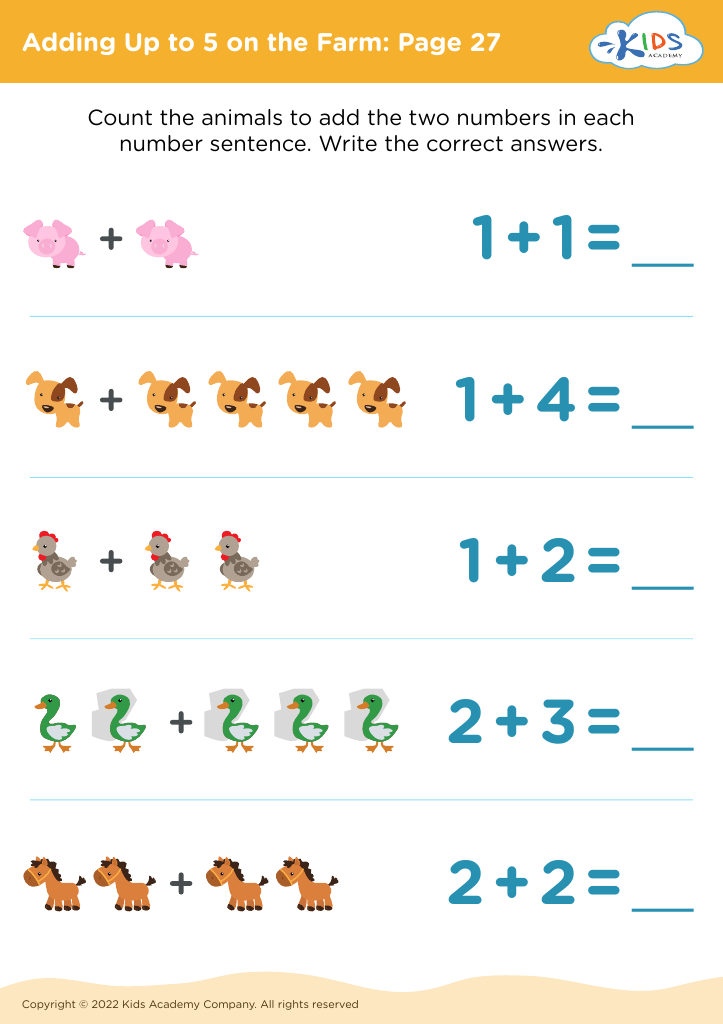
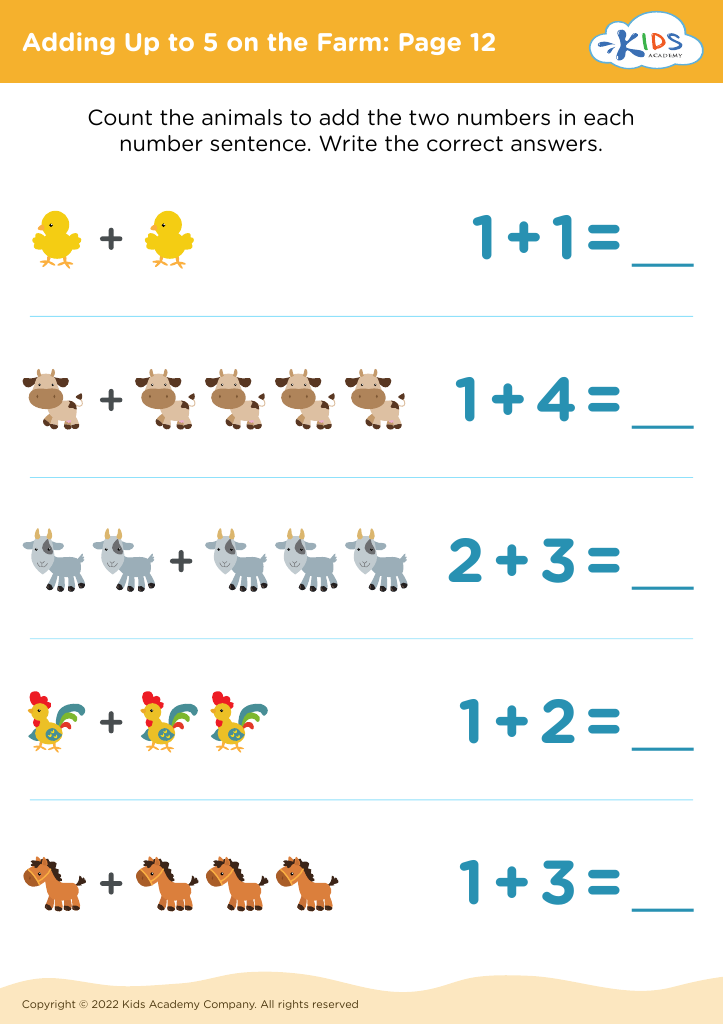
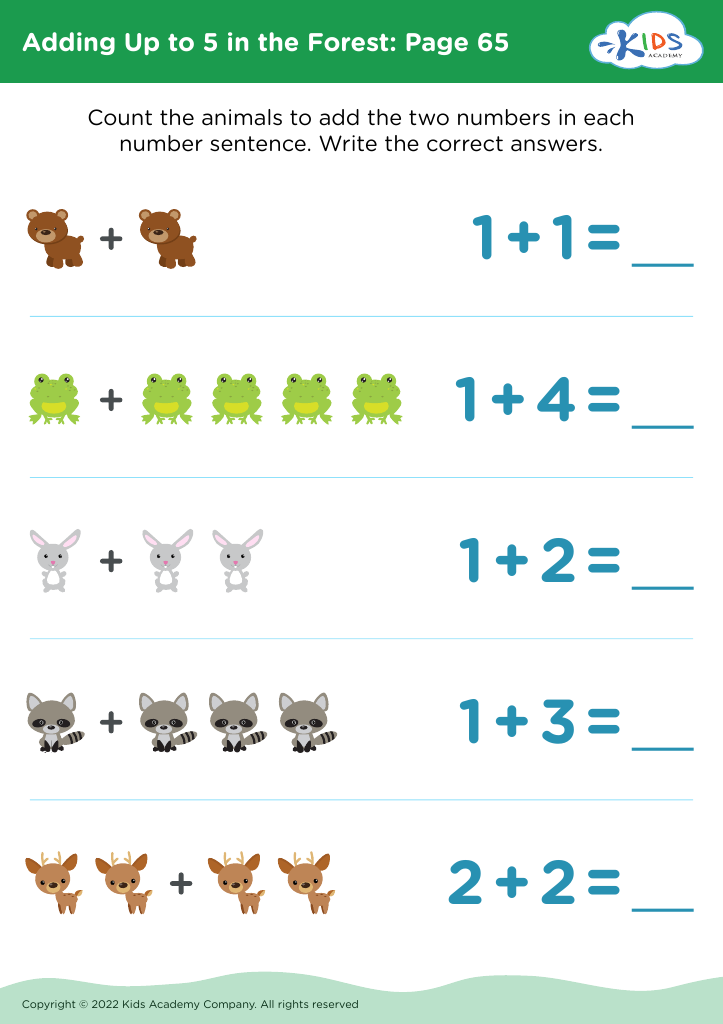
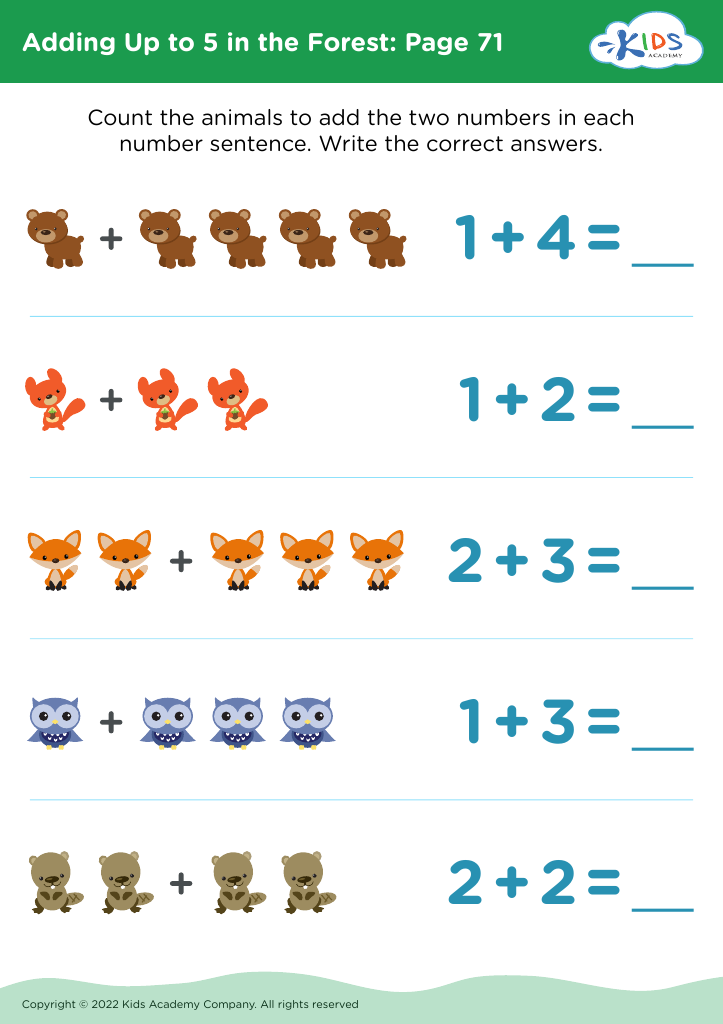
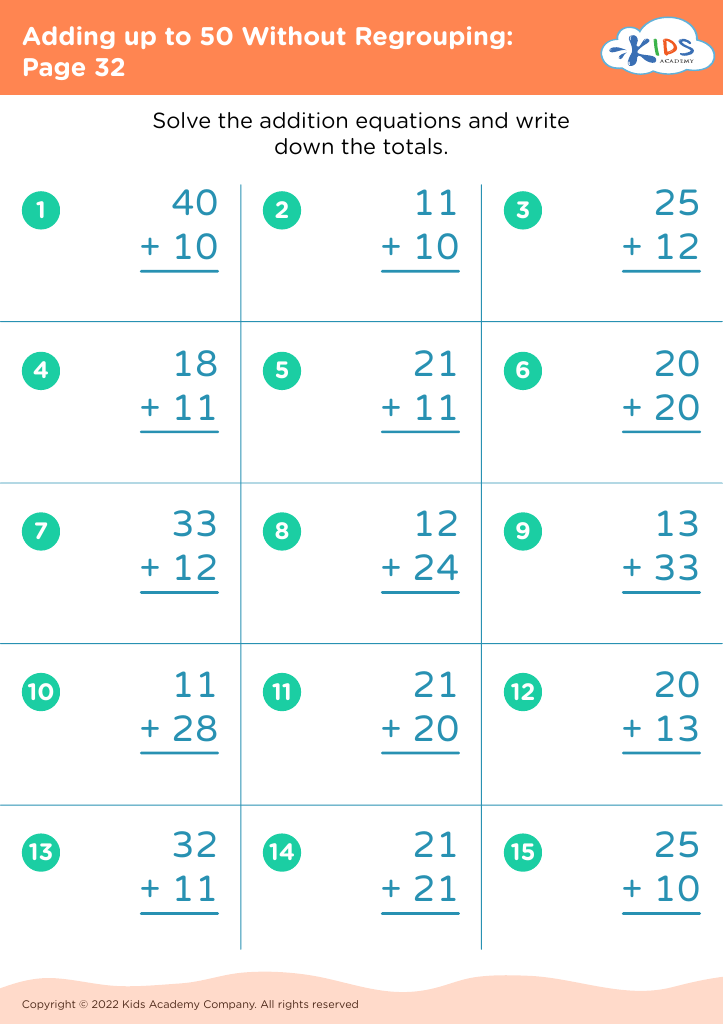
Enhance your child's foundational math skills with our Visual Perception Improvement Addition Worksheets, tailored for ages 3-7. These engaging worksheets are designed to help young learners recognize numbers, patterns, and quantities while developing crucial visual perception abilities. By combining fun activities with basic addition concepts, kids will boost their confidence and enjoyment in mathematics. Perfect for home or classroom use, these resources foster cognitive development and make learning an interactive experience. Empower your child with the tools they need to succeed in early math, all while sharpening their visual skills and understanding through exciting exercises and playful illustrations. Start their math journey today!
Favorites
With answer key
Interactive
Join Kids Academy for Free
Who is primarily going to use this learning content?




.jpg)



Visual perception is crucial for children's overall development, especially for ages 3-7, as it forms the foundation for essential skills such as reading, writing, and figuring out math concepts. During these formative years, children learn to interpret visual information—recognizing letters, shapes, colors, and spatial relationships—which directly influences their academic success and everyday functioning.
Improving visual perception can enhance a child's ability to concentrate, follow directions, and solve problems—skills vital for their emotional and cognitive growth. Additionally, strong visual perceptual skills help children develop coordination, which is important for activities like drawing, cutting, and other fine motor skills necessary for writing.
Moreover, by focusing on visual perception improvement through engaging activities and strategies, educators and parents can help identify potential learning challenges early on. This proactive approach provides the opportunity for additional support and interventions before the child faces difficulties in the classroom.
Ultimately, fostering visual perception not only sets the stage for academic readiness but also benefits social interactions and video games, art, and sports, fostering a well-rounded individual. Understanding its significance can guide adults in fostering a nurturing environment that promotes rich, developmentally appropriate experiences for their children.








