Counting skills Comparing Numbers Worksheets for Ages 3-7
5 filtered results
-
From - To
Enhance your child's early math skills with our Counting Skills Comparing Numbers Worksheets designed specifically for ages 3-7. These engaging worksheets offer fun and interactive activities that help young learners master the concept of comparing numbers. Through hands-on exercises, children will develop their counting abilities, understand greater and less than concepts, and build a solid foundation in math. Ideal for homeschooling, classroom settings, or supplementary practice, our worksheets feature colorful illustrations and age-appropriate challenges that keep kids motivated. Make learning enjoyable and effective—download our Counting Skills Comparing Numbers Worksheets today to boost your child's confidence in math!
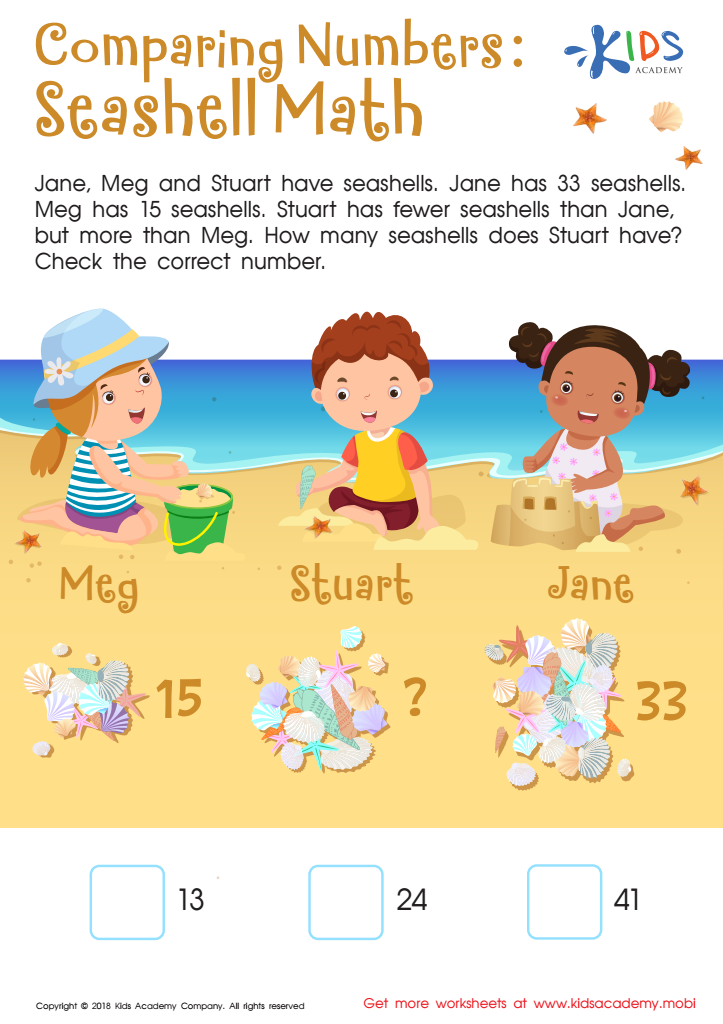
Seashell Collectors Worksheet
 Assign to My Students
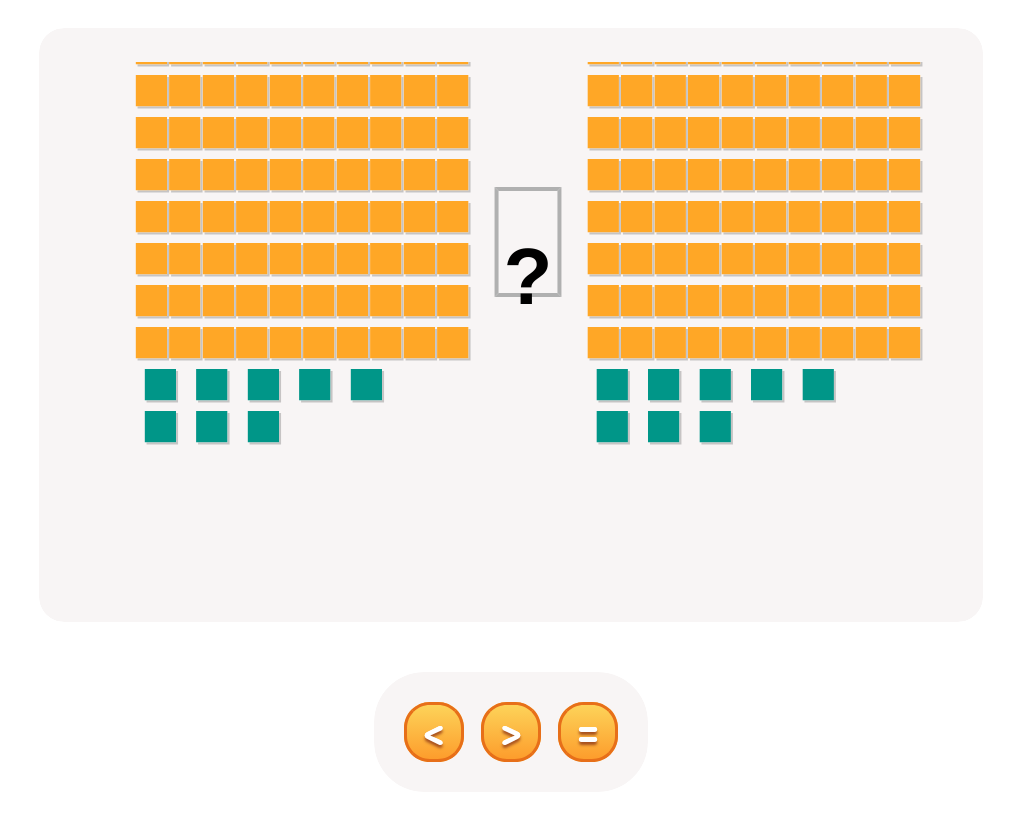

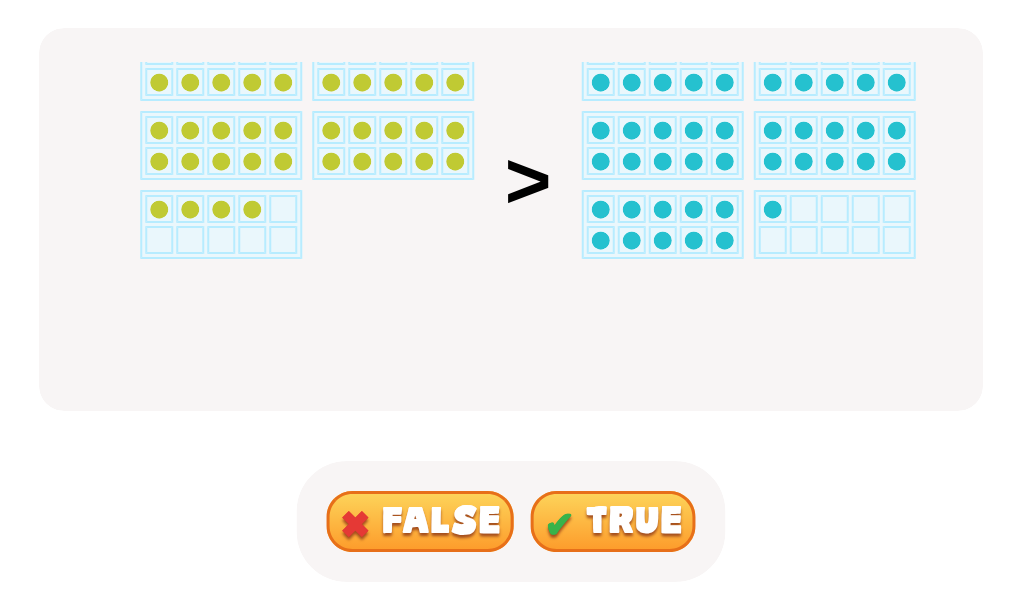
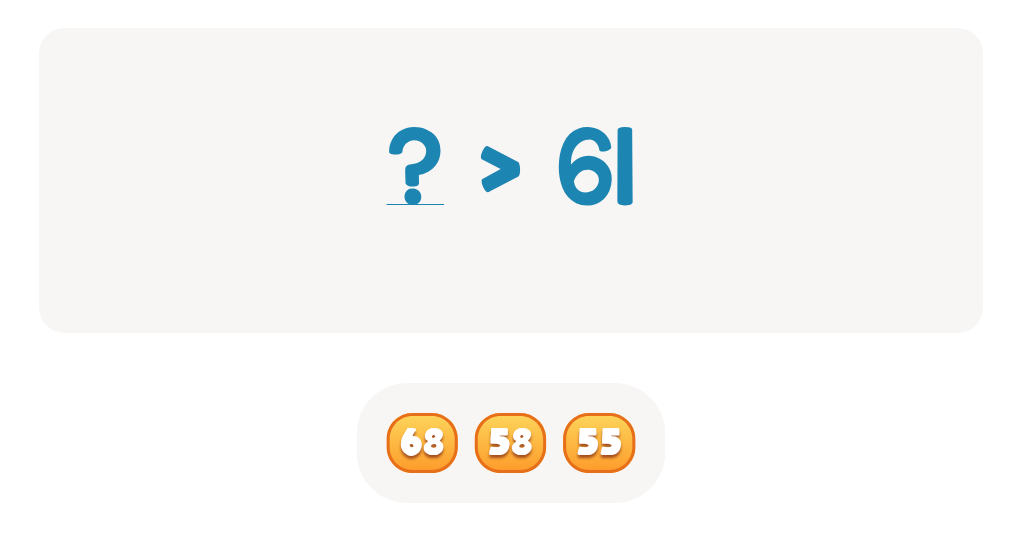
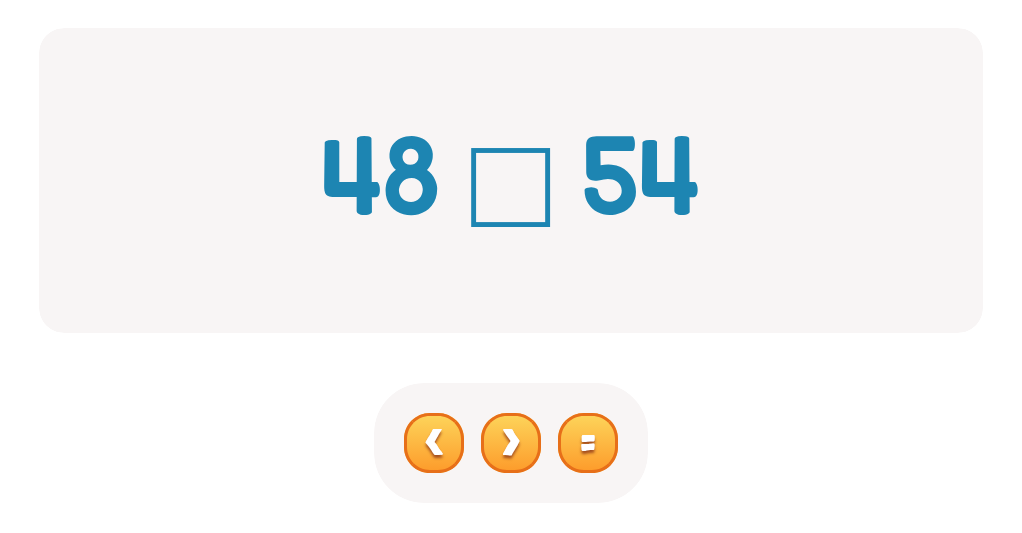
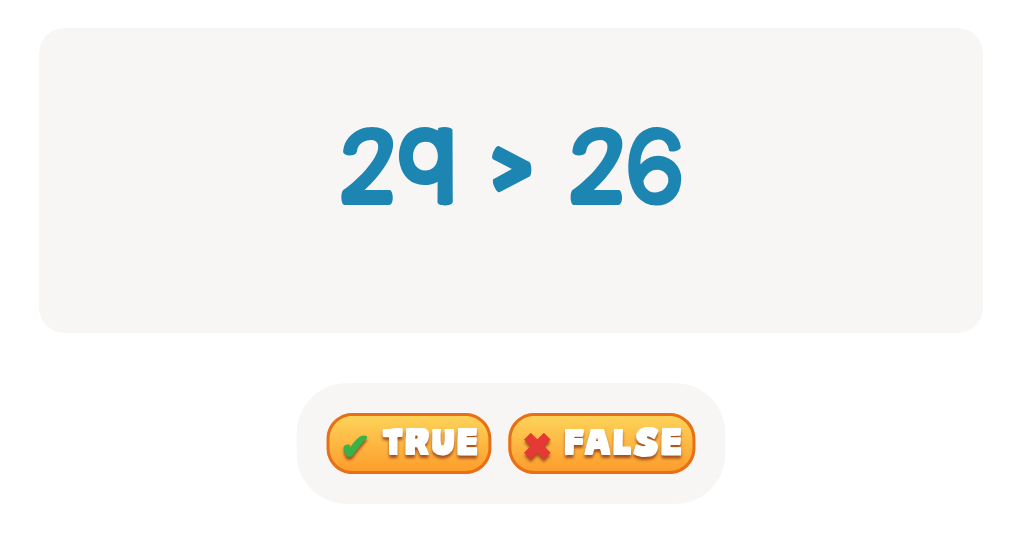
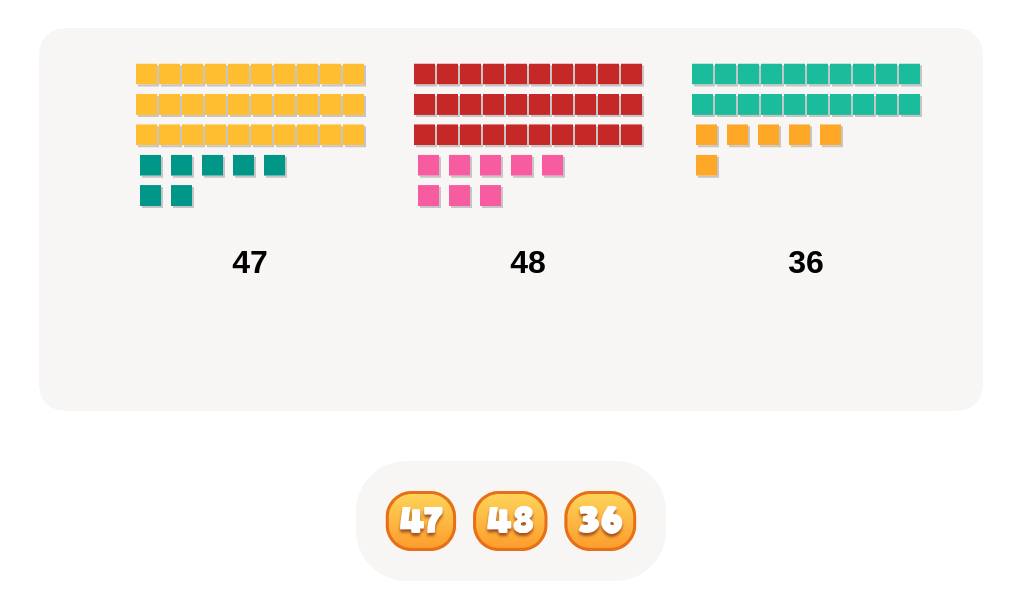
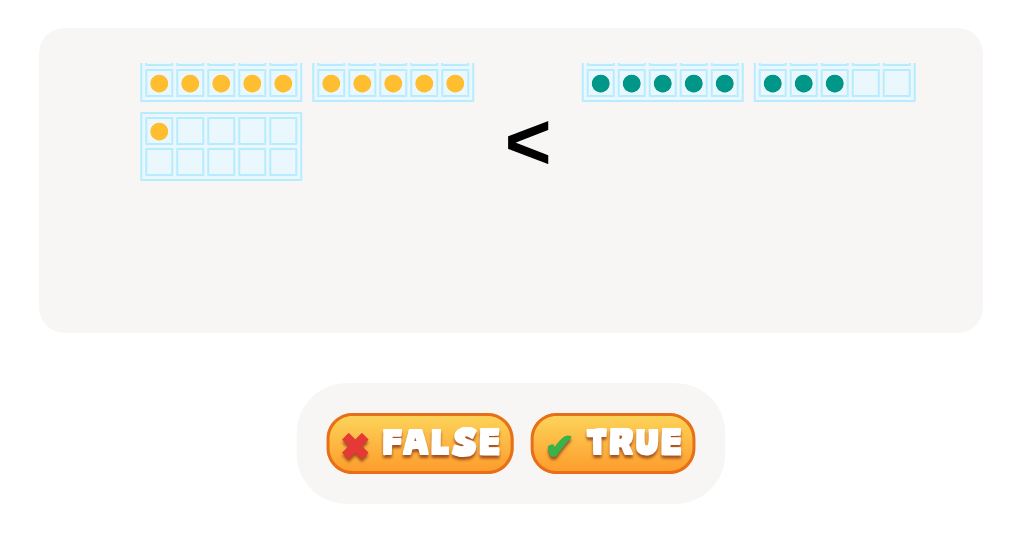
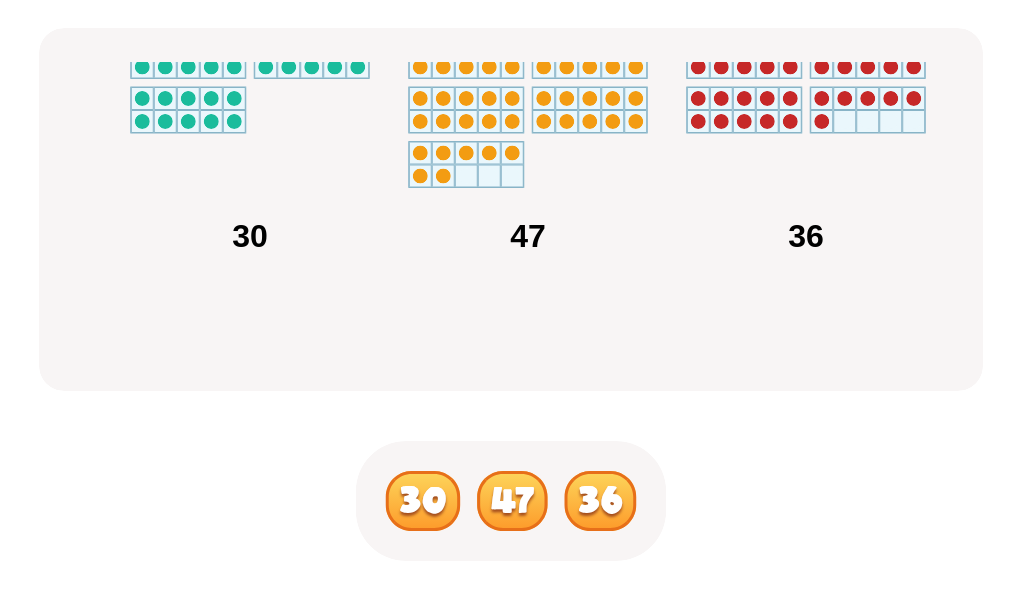
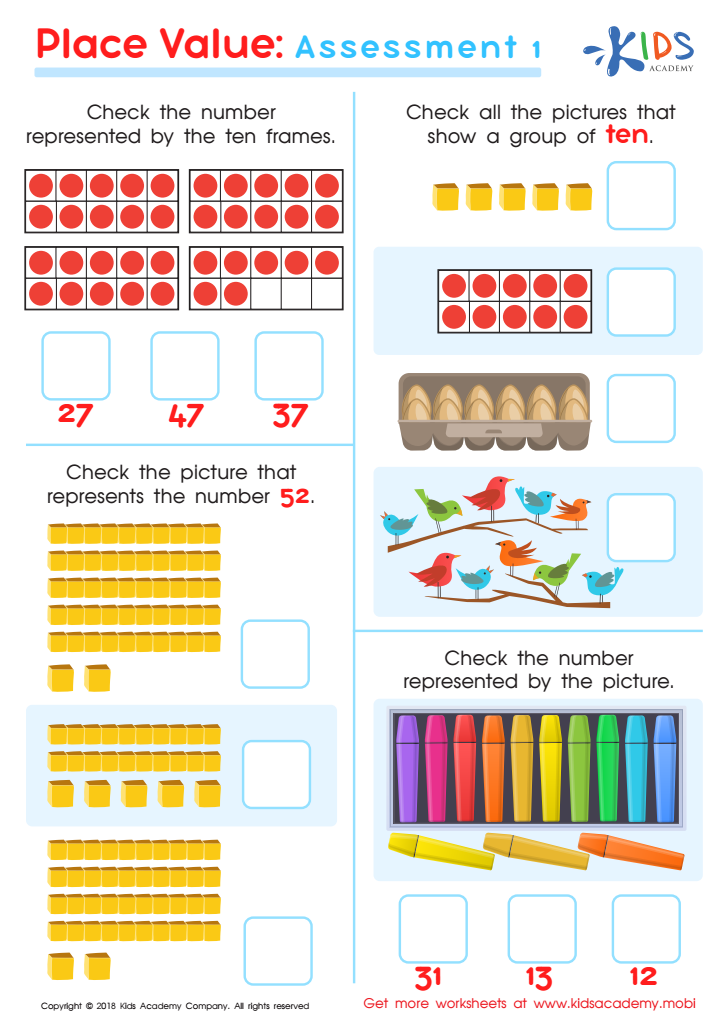
Place Value: Assessment 1 Worksheet
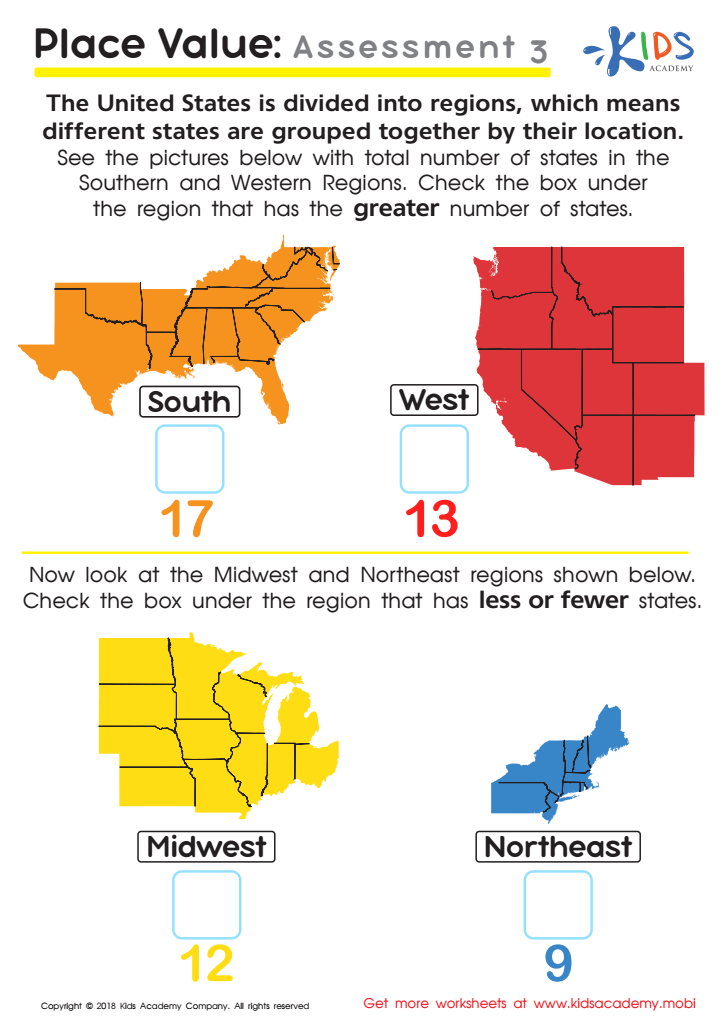
Place Value: Assessment 3 Worksheet
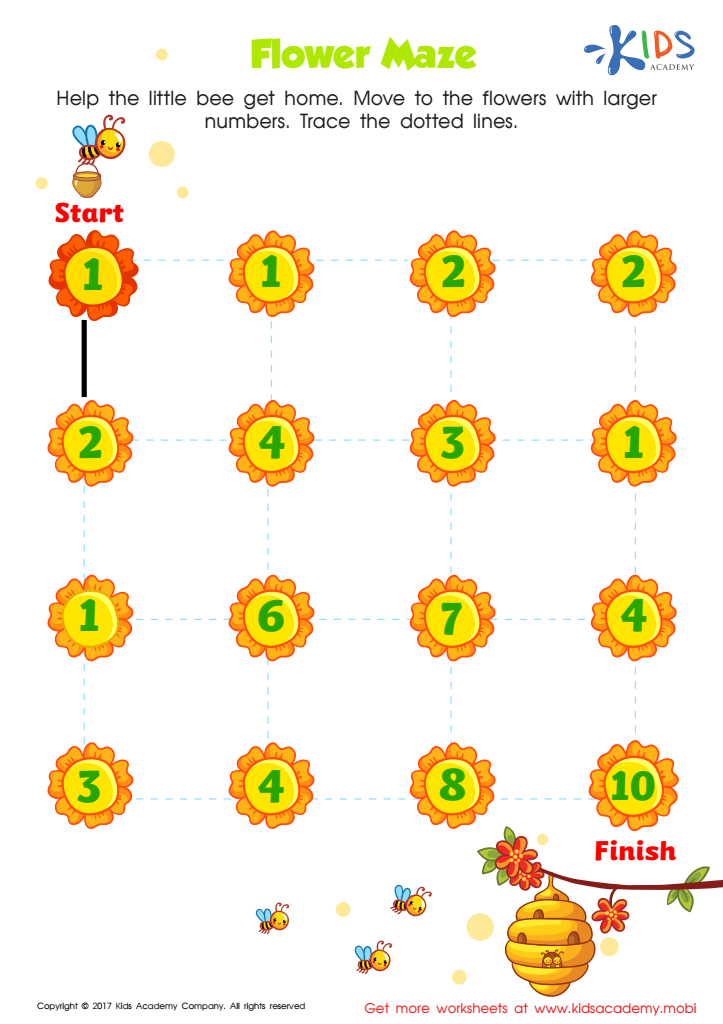
Number Maze For Kindergarten Printable
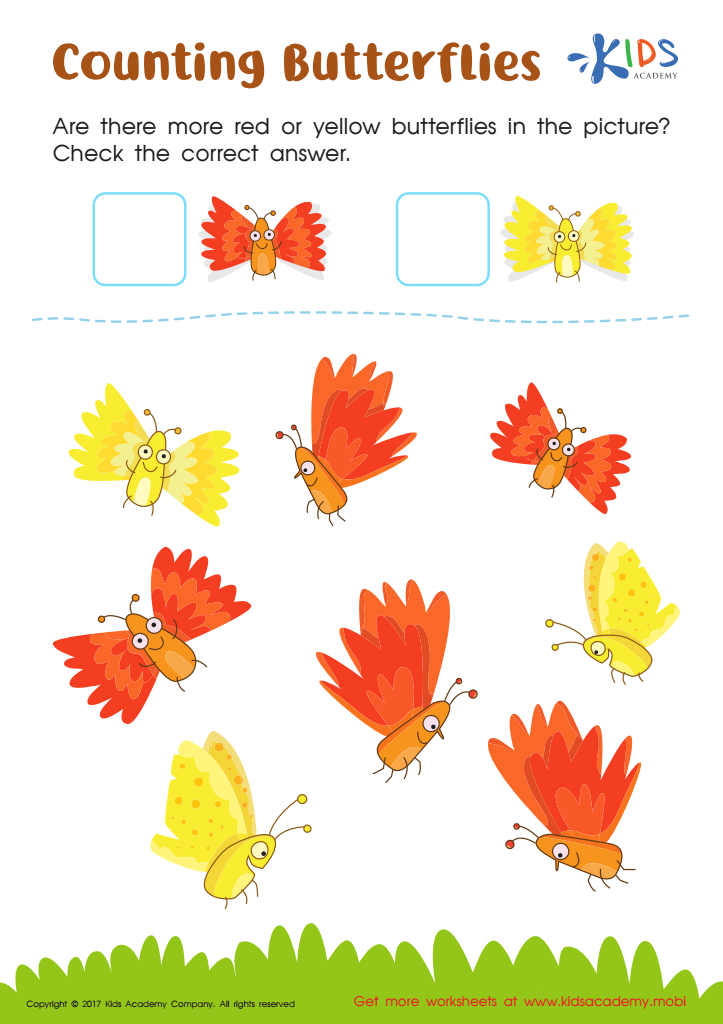
Counting Butterflies Worksheet








Counting skills and the ability to compare numbers are foundational concepts in early childhood education that significantly influence a child's future academic success. For parents and teachers, fostering these skills in children aged 3-7 is crucial for several reasons.
Firstly, counting is one of the first mathematical skills children develop. It enhances cognitive abilities, reinforces the connection between numbers and quantities, and helps children understand basic arithmetic. When children can count confidently, it builds their self-esteem and encourages further exploration of math concepts.
Secondly, comparing numbers teaches children critical thinking and problem-solving skills. Recognizing which numbers are greater or lesser helps them understand relationships and make informed decisions. These skills extend beyond mathematics to everyday scenarios, such as sharing and measuring.
Moreover, early mastery of counting and comparing numbers lays the groundwork for more complex math topics in later years. Research indicates that children with strong early math skills perform better in school, providing them with long-term academic benefits.
By engaging in activities that promote counting and comparing numbers, parents and teachers can create a rich learning environment that values math as a vital part of a child's development, preparing them for future success.