Number Recognition Comparing Numbers Worksheets for Ages 3-7
8 filtered results
-
From - To
Unlock the world of math for your little ones with our "Number Recognition Comparing Numbers Worksheets" designed for ages 3 to 7! These engaging worksheets help young learners develop essential math skills by recognizing and comparing numbers in a fun and interactive way. Each activity encourages critical thinking and boosts confidence in foundational math concepts. With colorful graphics and age-appropriate challenges, children will enjoy practicing one of the first steps in their mathematical journey. Perfect for both classroom and home use, these worksheets allow parents and educators to support kids in building strong number sense. Start your child's math adventure today!
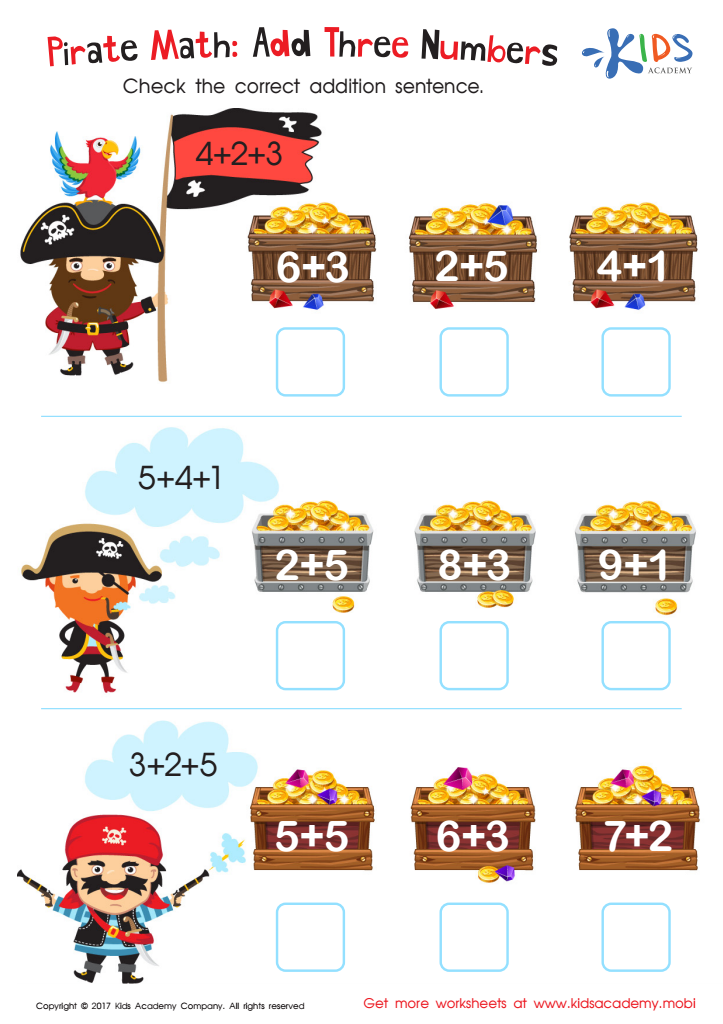
Pirate Math Printable
 Assign to My Students
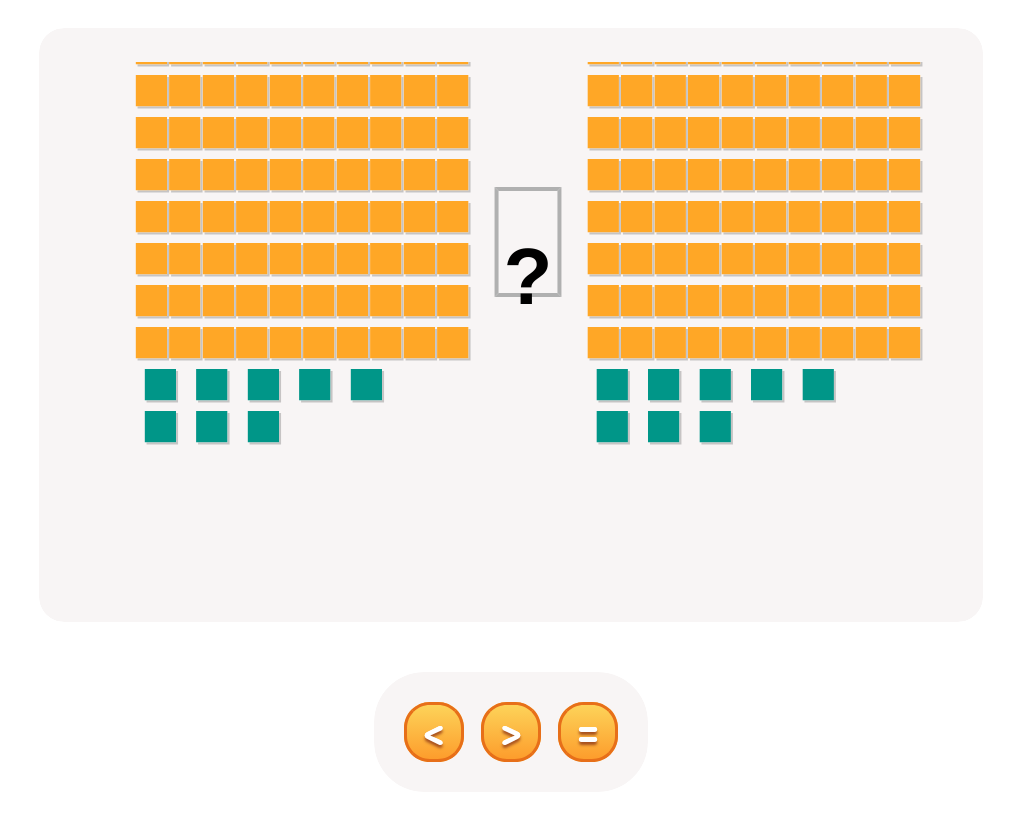

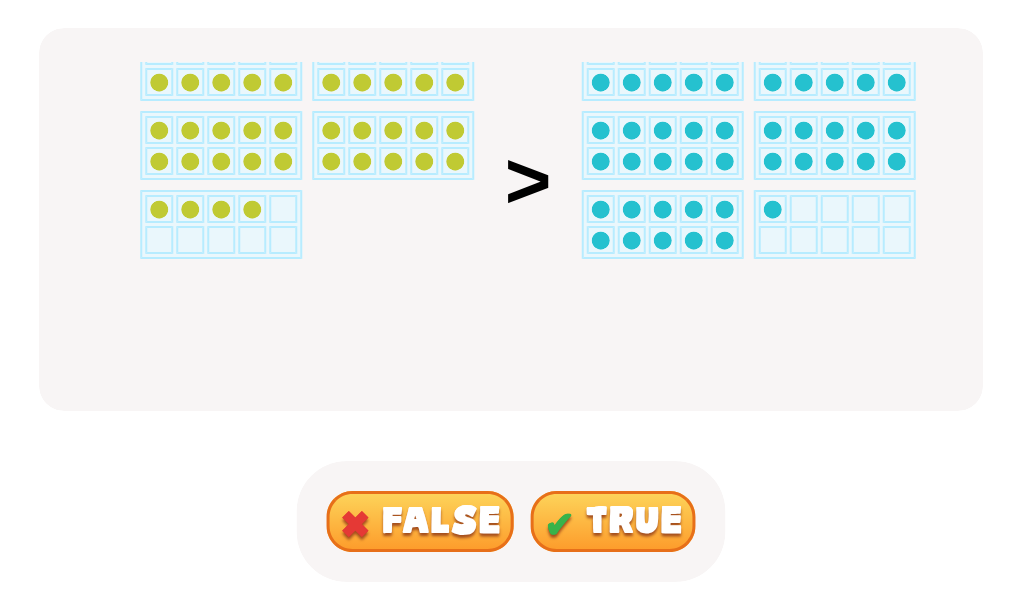
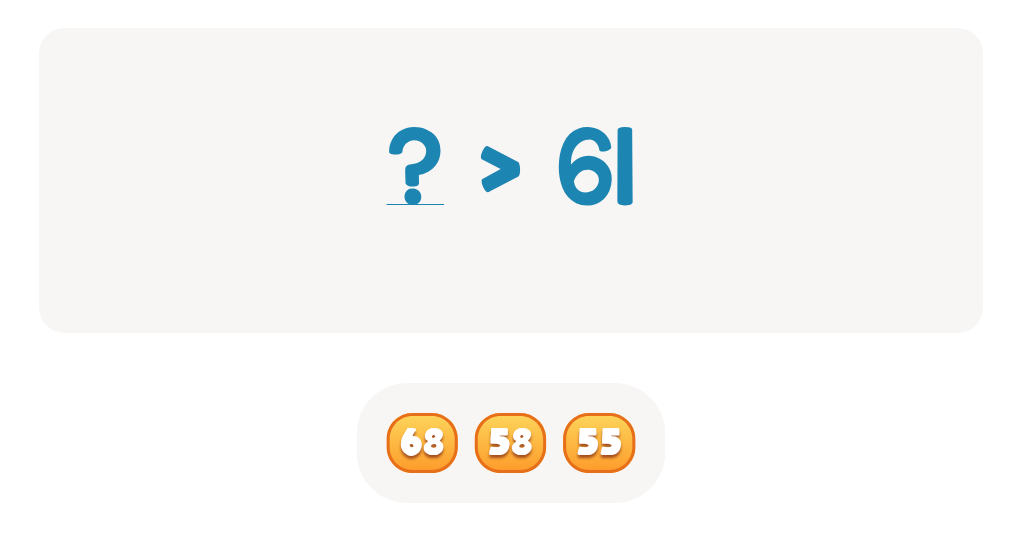
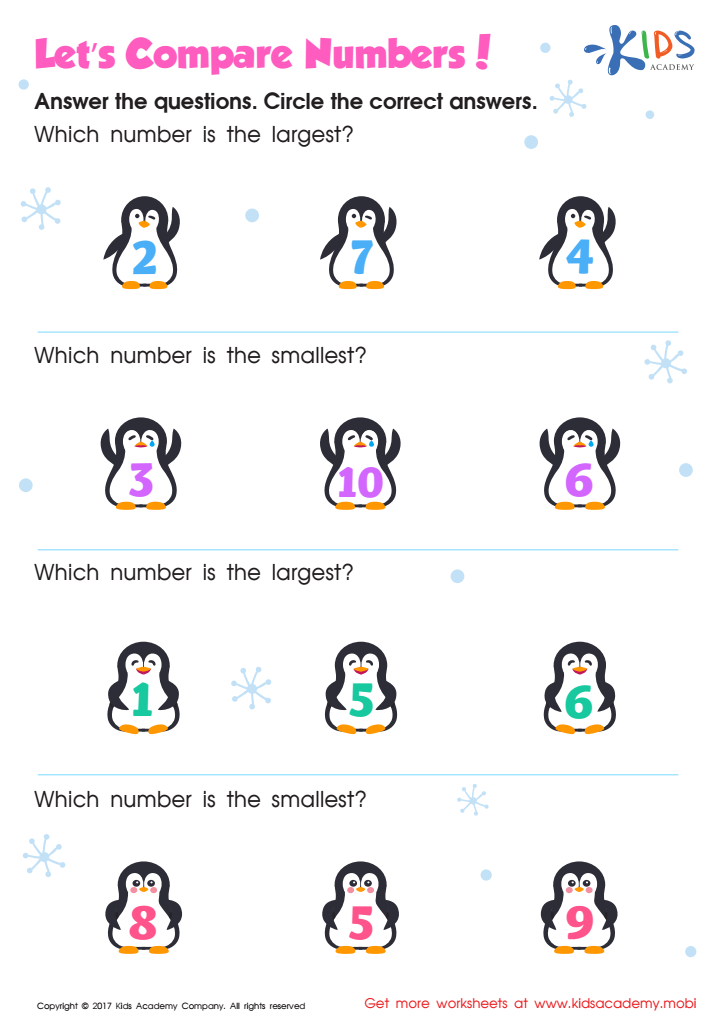
Comparing Numbers 1–10 Worksheet Kindergarten
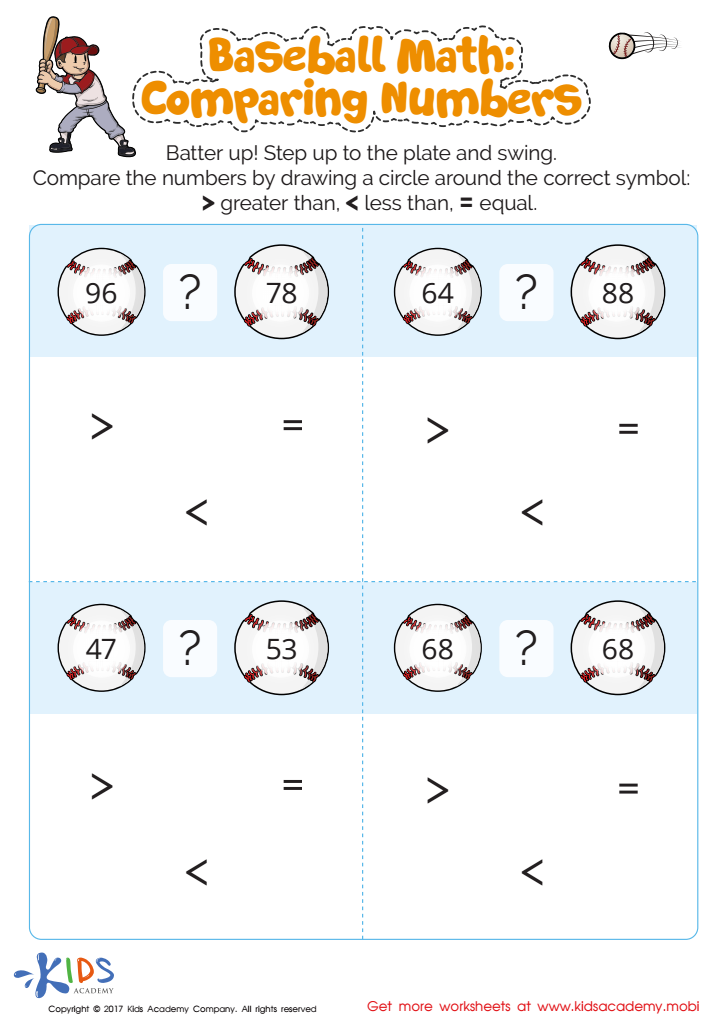
Compare Numbers Printable
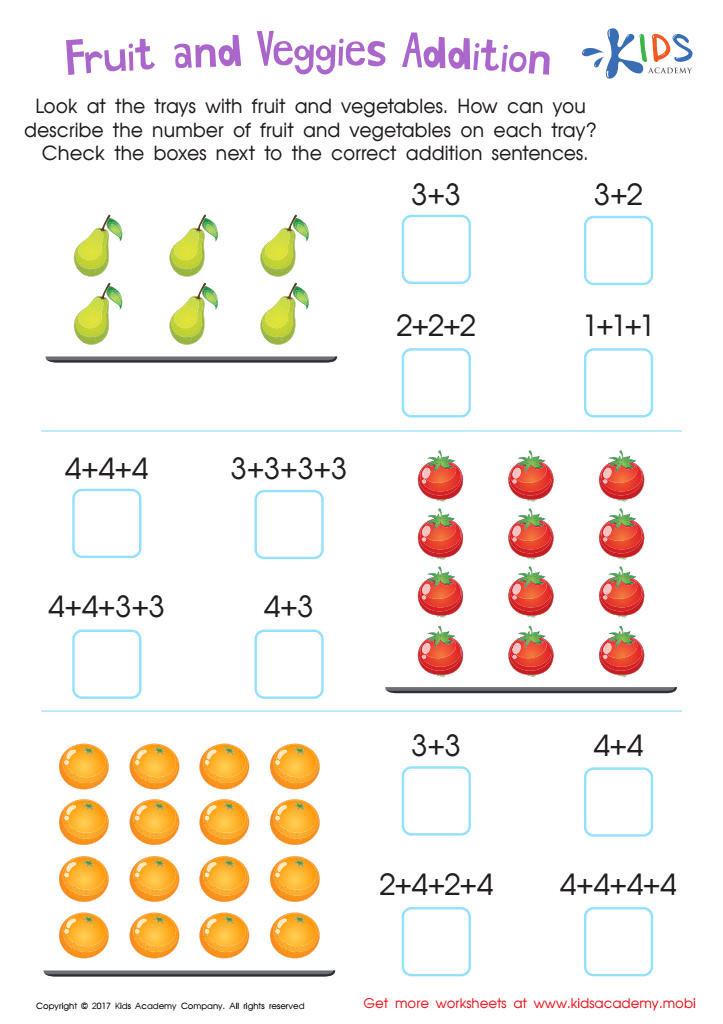
Fruit and Veggies Worksheet
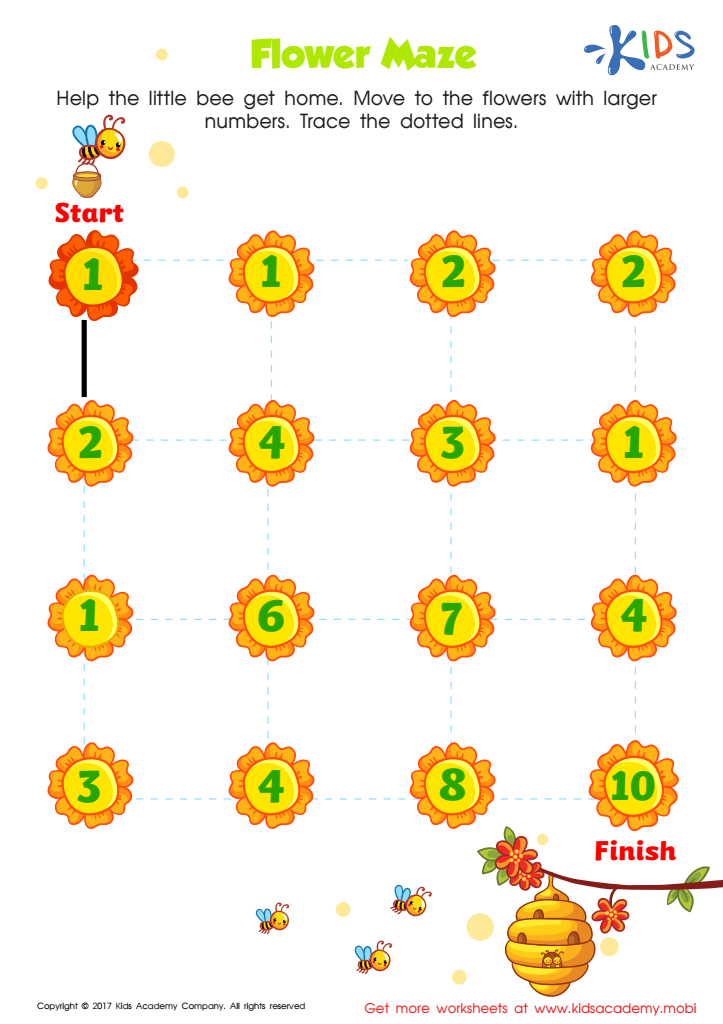
Number Maze For Kindergarten Printable
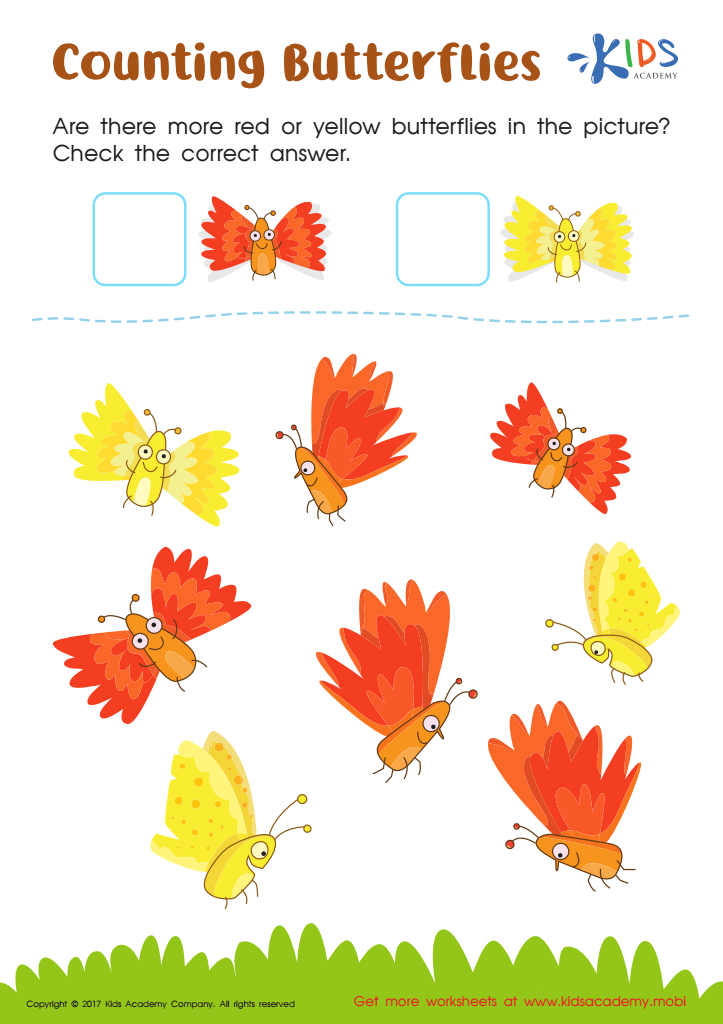
Counting Butterflies Worksheet
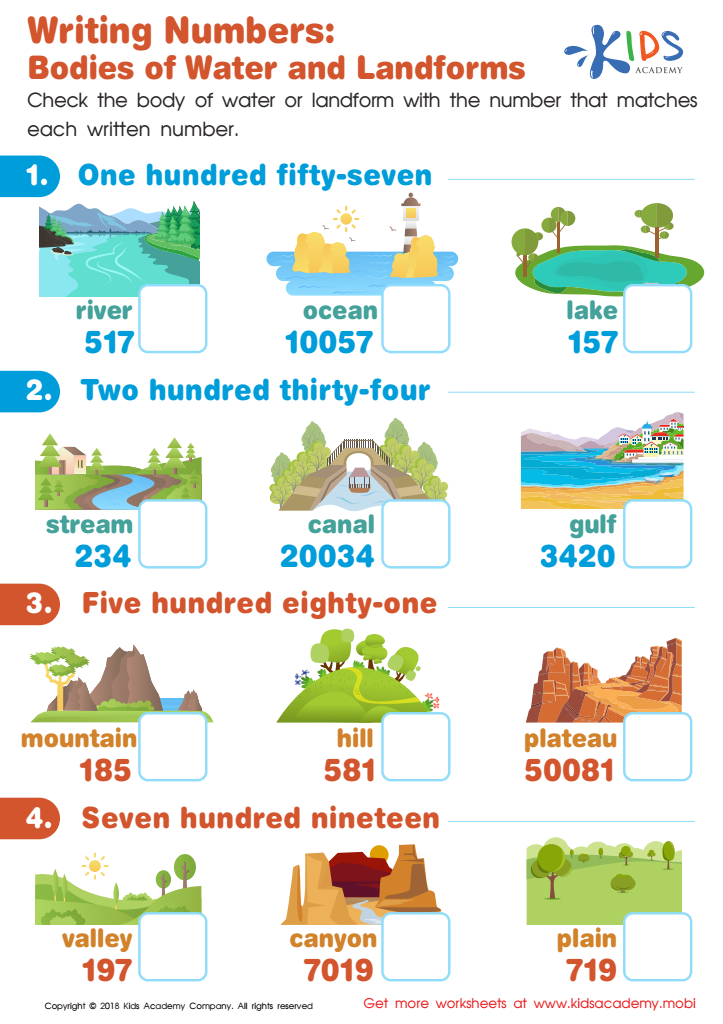
Bodies of Water and Landforms Writing Numbers Worksheet
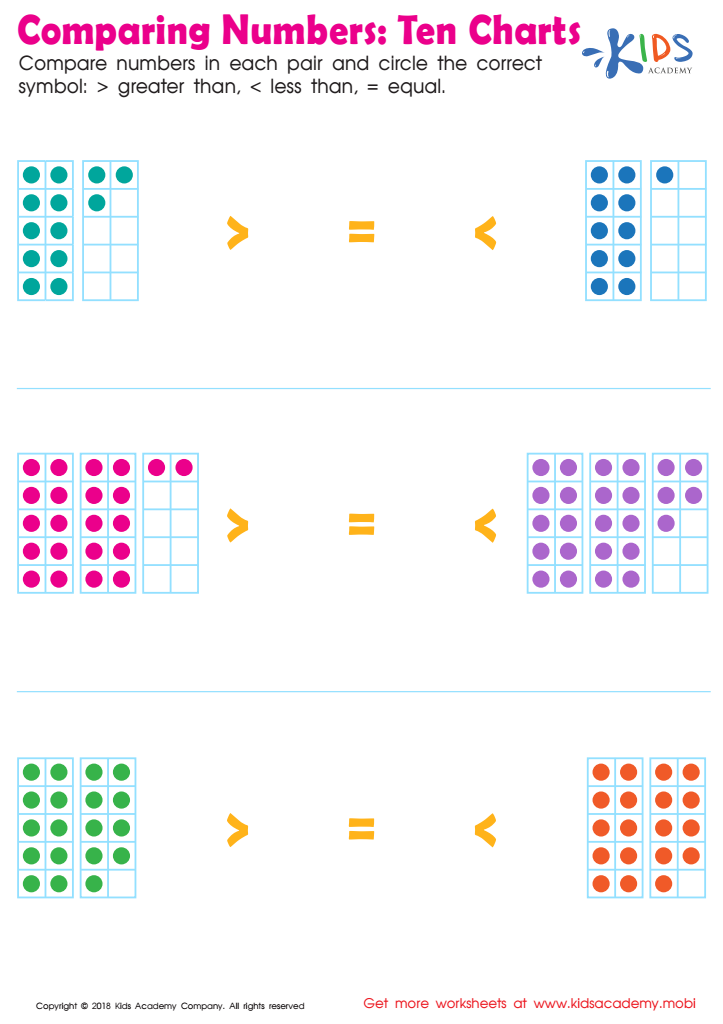
Ten Charts Worksheet


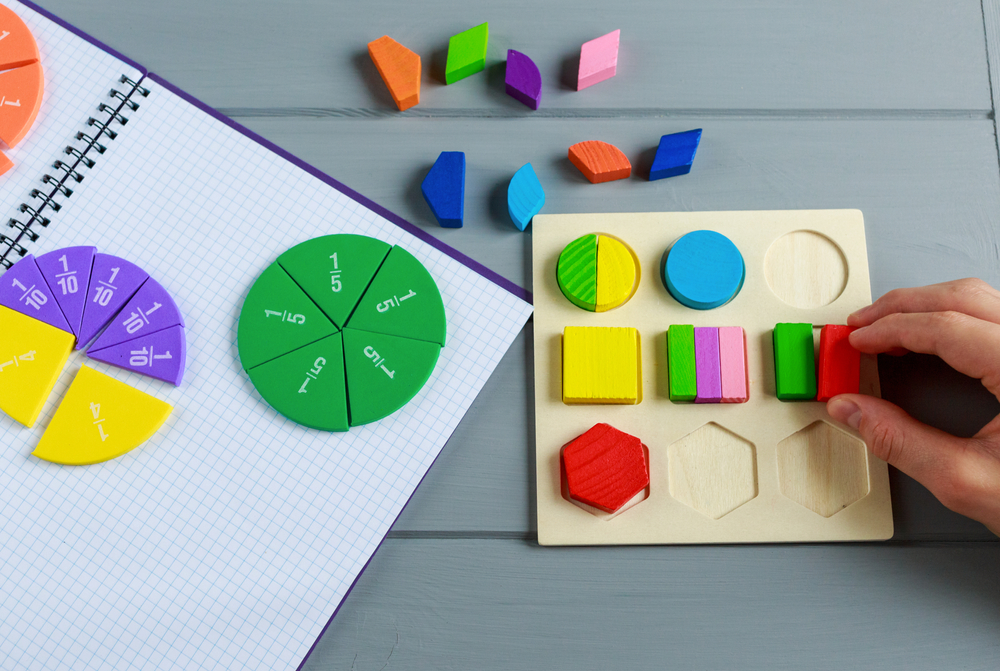





Number recognition and comparing numbers are fundamental skills that play a crucial role in early mathematics learning for children aged 3-7. Parents and teachers should care about these skills because they form the foundation for more complex mathematical concepts later in life. When children can recognize numbers, they develop the ability to count, understand quantity, and make sense of the world around them.
Early number recognition promotes number sense, which enhances problem-solving and critical thinking skills. By comparing numbers, children learn about greater than, less than, and equality, essential concepts that underpin basic mathematical operations. Mastering these skills helps build confidence in their abilities, encouraging a positive attitude towards mathematics.
Furthermore, early preparation in number recognition and comparison lays the groundwork for success in later academic pursuits, influencing overall academic performance. Moreover, numbers permeate everyday life—from shopping to cooking—so early mastery helps children apply what they learn in real-world contexts, reinforcing their understanding.
Involving parents and teachers in supporting these skills also fosters a collaborative learning environment, helping to create a strong educational foundation. When educators and families prioritize number recognition and comparisons, they contribute to raising mathematically proficient, confident, and capable individuals.








