Problem-Solving Skills Comparing Numbers Worksheets for Ages 3-7
5 filtered results
-
From - To
Our "Problem-Solving Skills Comparing Numbers Worksheets for Ages 3-7" are designed to help young learners develop essential math skills and critical thinking. These engaging worksheets are crafted to teach children how to compare numbers, fostering a solid understanding through fun and interactive activities. Perfect for preschoolers and early grade students, these worksheets boost confidence as kids learn to differentiate between larger and smaller numbers. By integrating problem-solving tasks, we ensure that learning is both educational and enjoyable. Download today to give your child the head start they need in math and beyond!
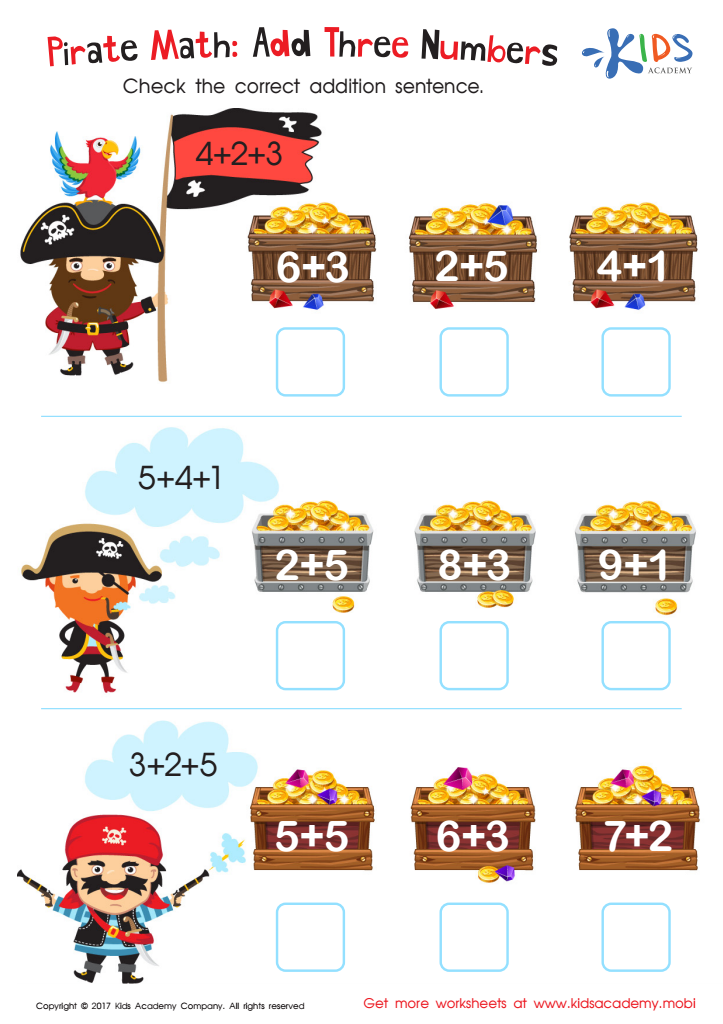
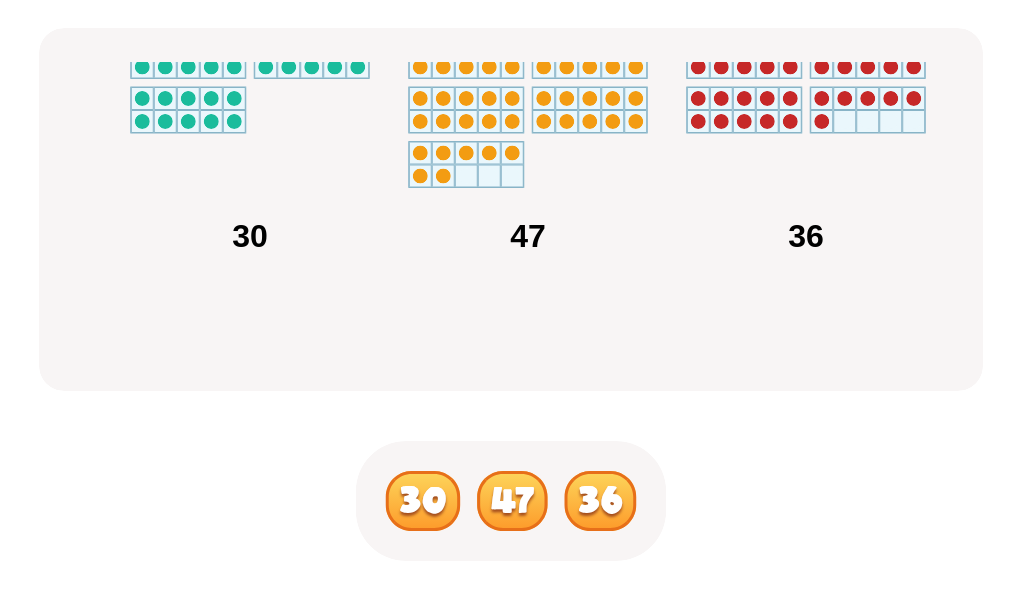
Pirate Math Printable
 Assign to My Students
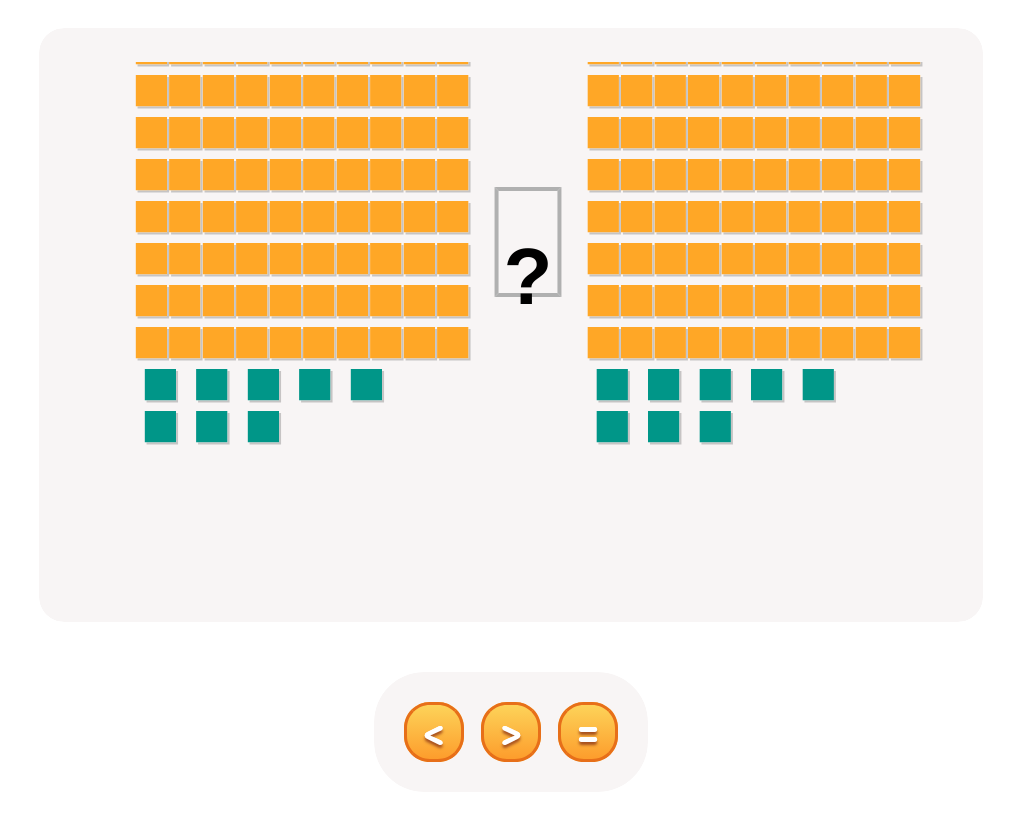

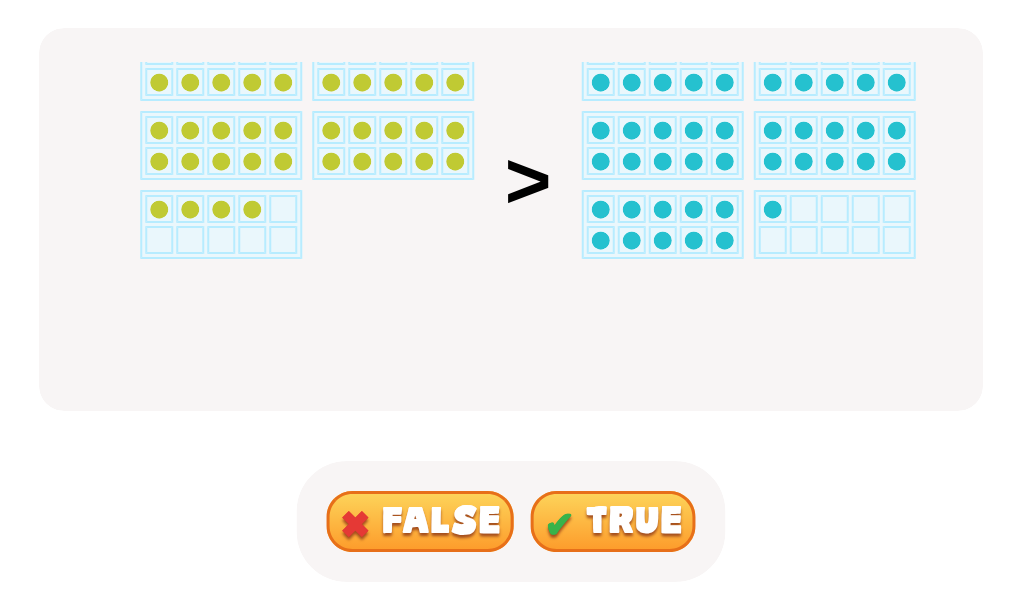
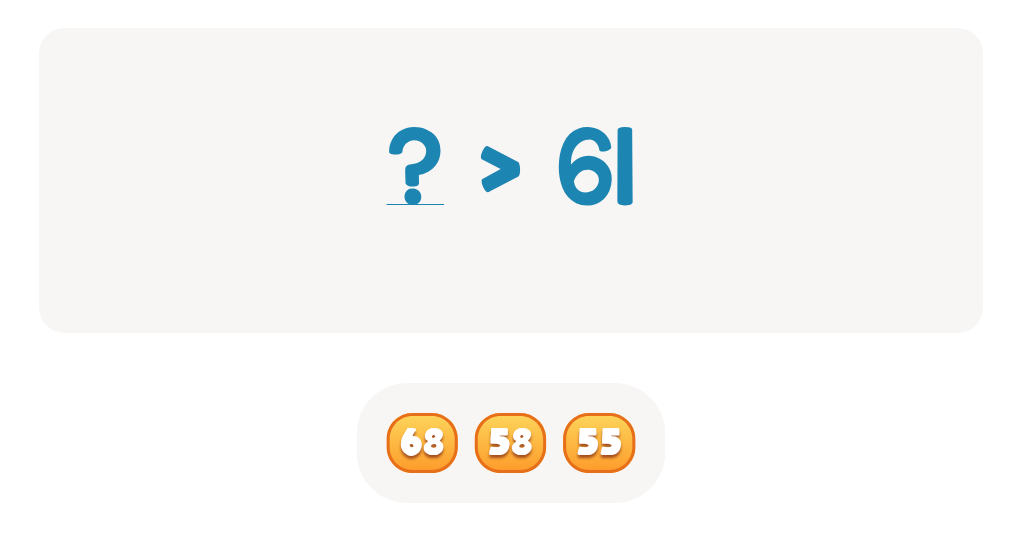
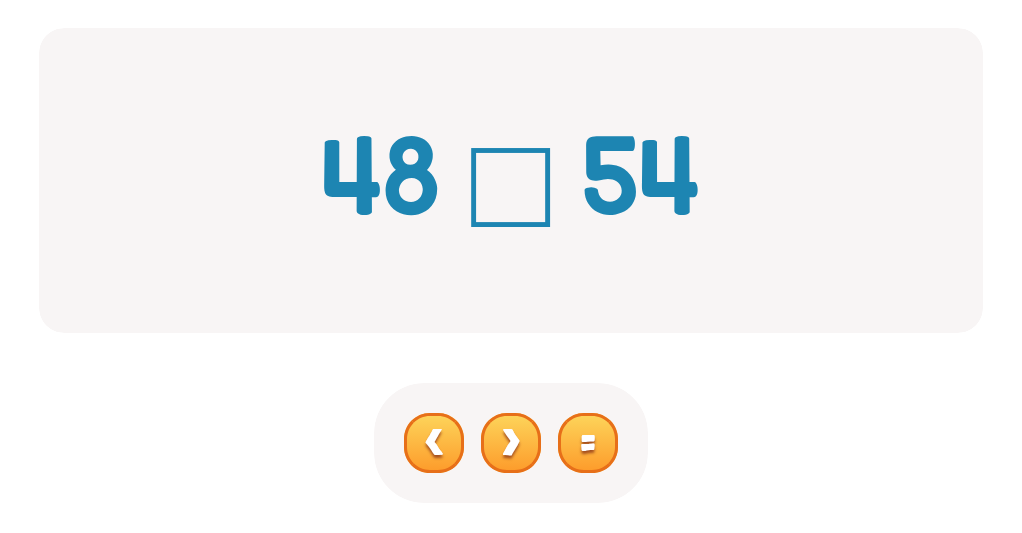
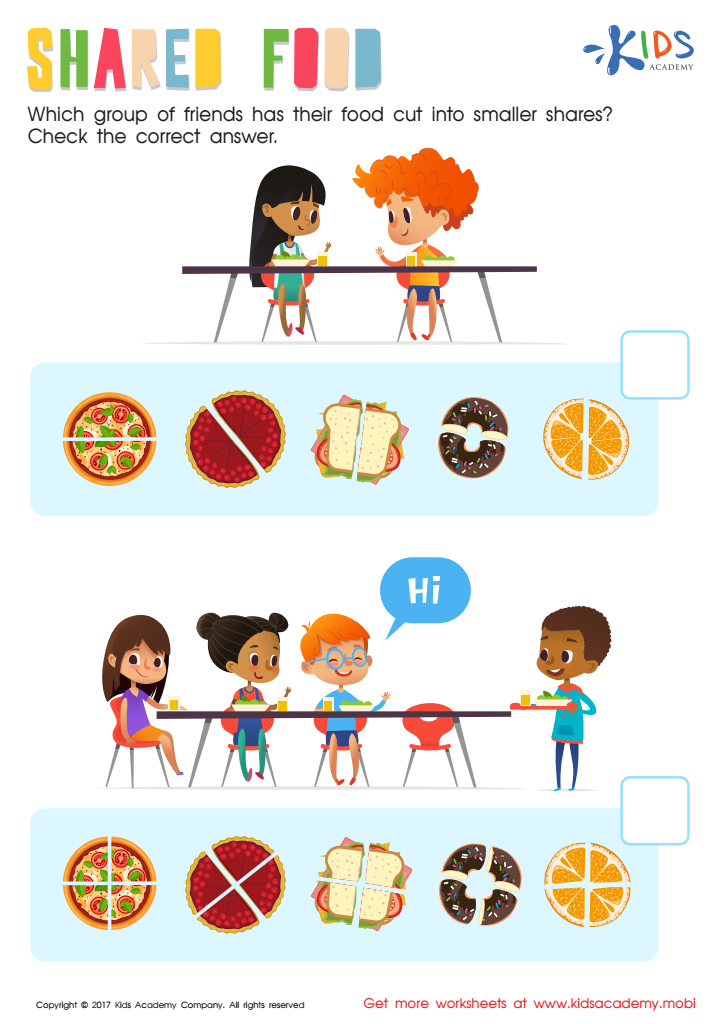
Shared Food Worksheet
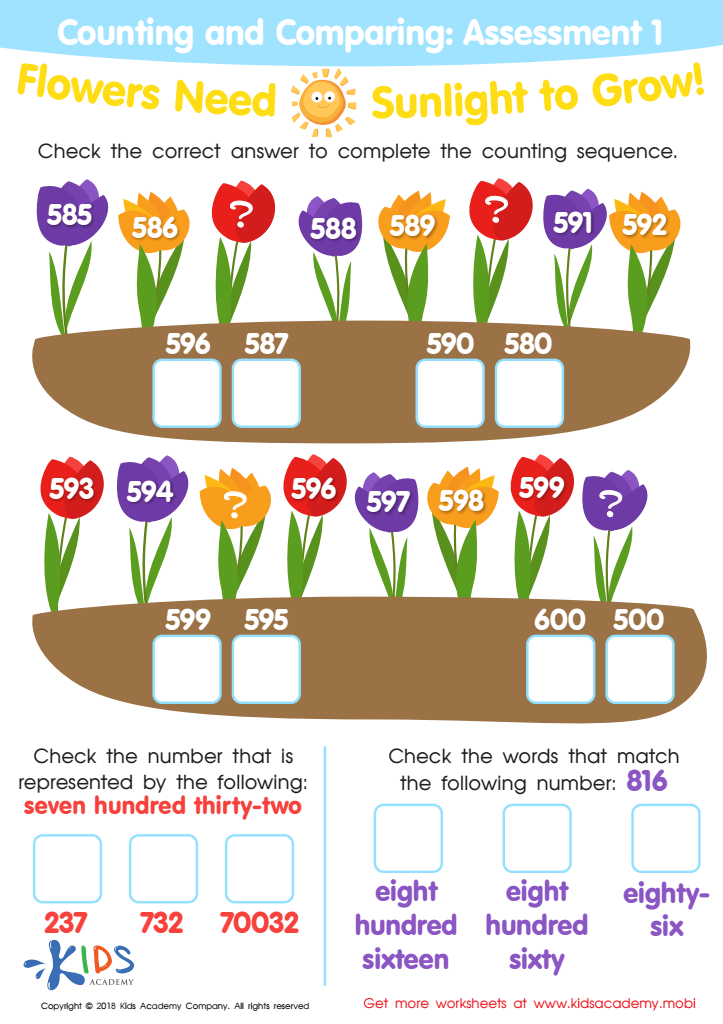
Counting and Comparing: Assessment 1 Worksheet
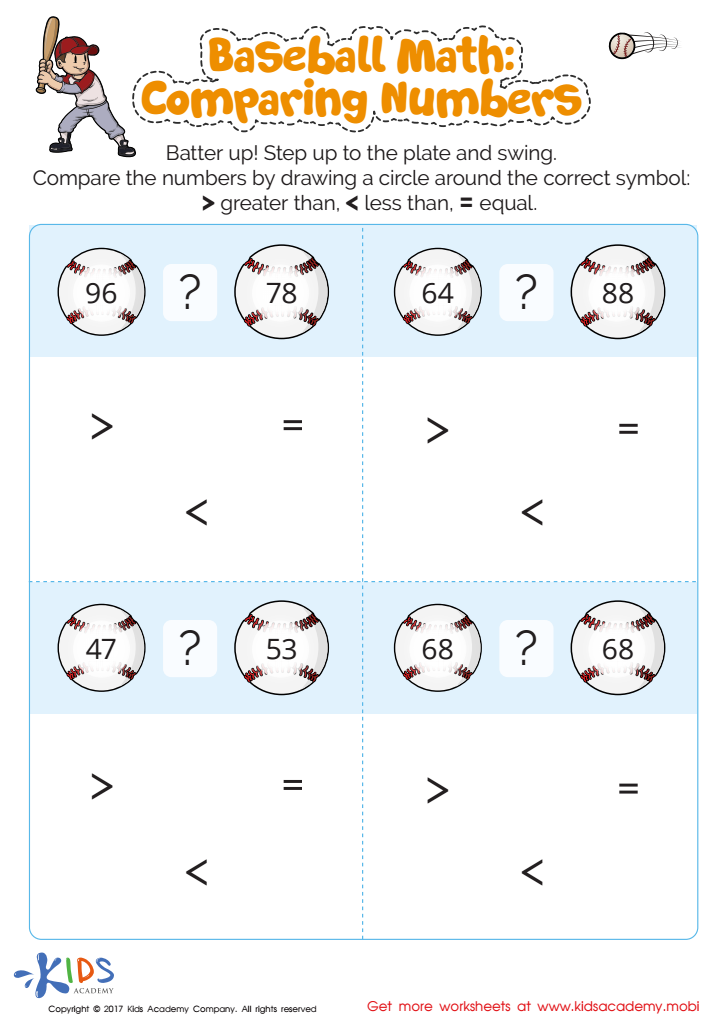
Compare Numbers Printable
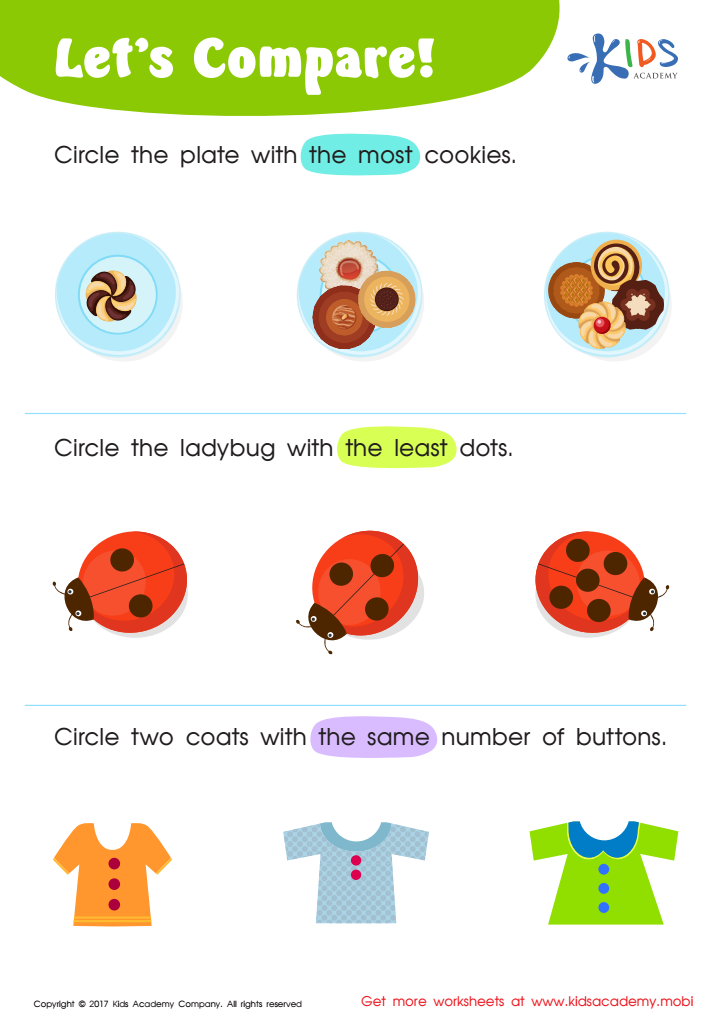
Matching: Classifying Toys by Size Worksheet








Parents and teachers should prioritize developing problem-solving skills in children aged 3–7, especially through activities like comparing numbers, because these skills are fundamental to cognitive and academic development. At this early stage, children's brains are rapidly developing, making it an optimal time to introduce them to critical thinking and logical reasoning.
Problem-solving activities, such as comparing numbers, teach children how to analyze situations, recognize patterns, and make decisions based on evidence. For instance, understanding that 5 is greater than 3 lays the groundwork for more complex math skills later on, including addition, subtraction, and even multiplication. These foundational skills are crucial for their future academic success in STEM subjects and beyond.
Moreover, comparing numbers promotes language development and communication skills. When children verbalize their thought processes, they learn new vocabulary and improve their ability to articulate ideas clearly. Social skills are also enhanced as they often engage in group problem-solving activities, learning to collaborate and share their reasoning.
In essence, fostering problem-solving abilities through number comparison nurtures a child's intellectual growth, boosts their confidence, and equips them with essential tools to navigate both academic and real-world challenges. Engaged, interactive learning creates a strong foundation for lifelong curiosity and a propensity for exploring new ideas.