Fine Motor Skills Geometry Worksheets for Ages 3-7 - Page 2
29 filtered results
-
From - To
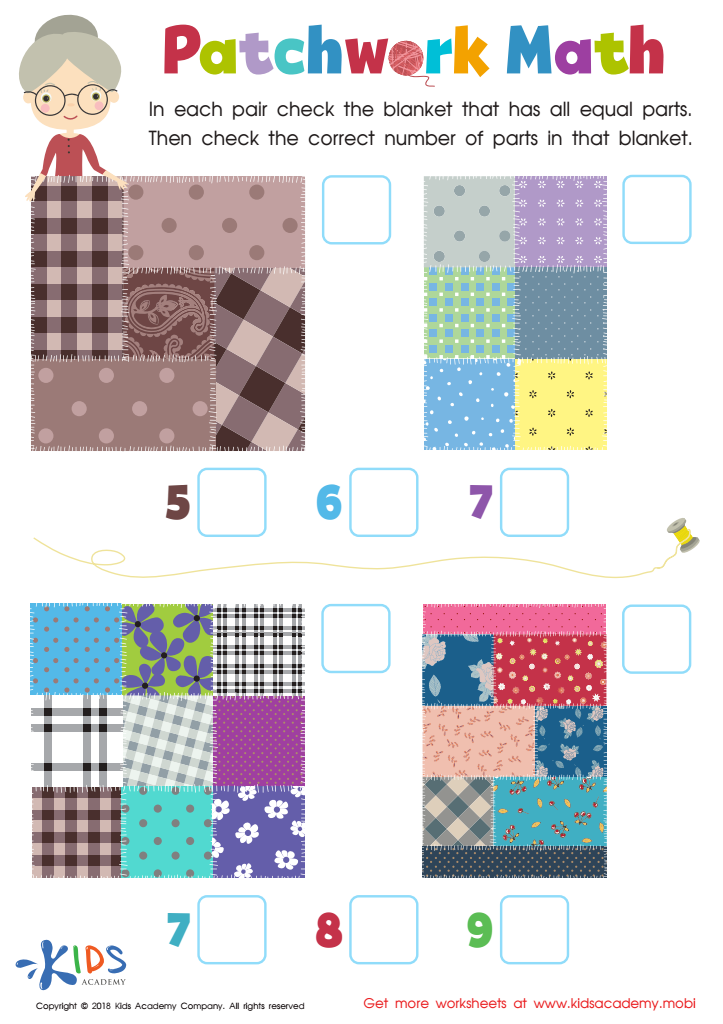
Patchwork Math Worksheet
 Assign to My Students











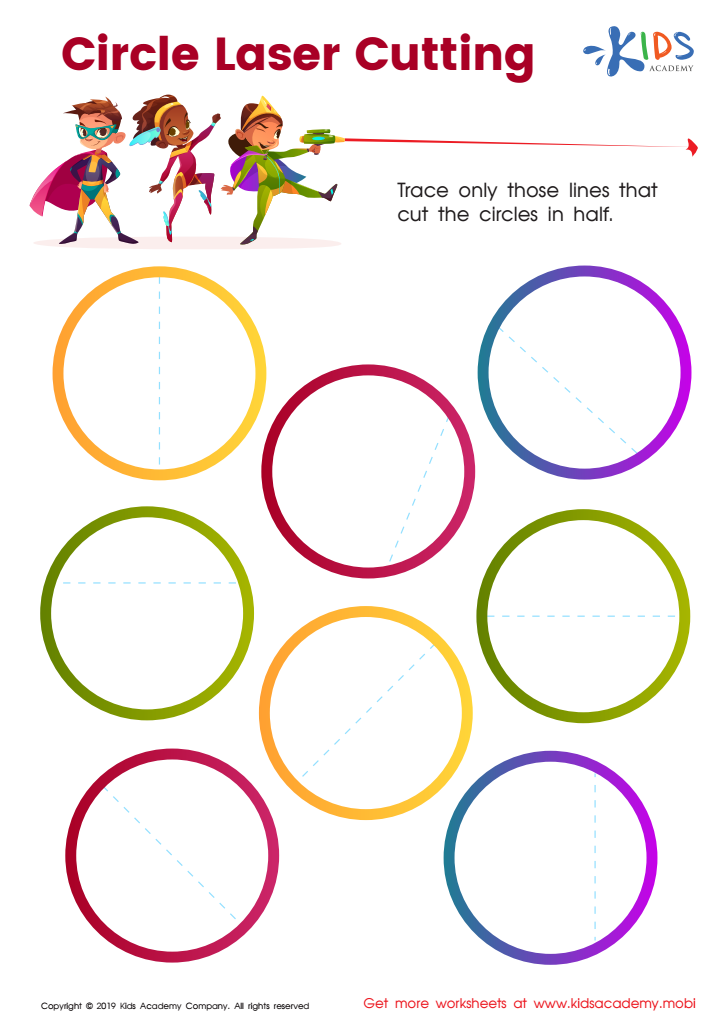
Circle Laser Cutting Worksheet
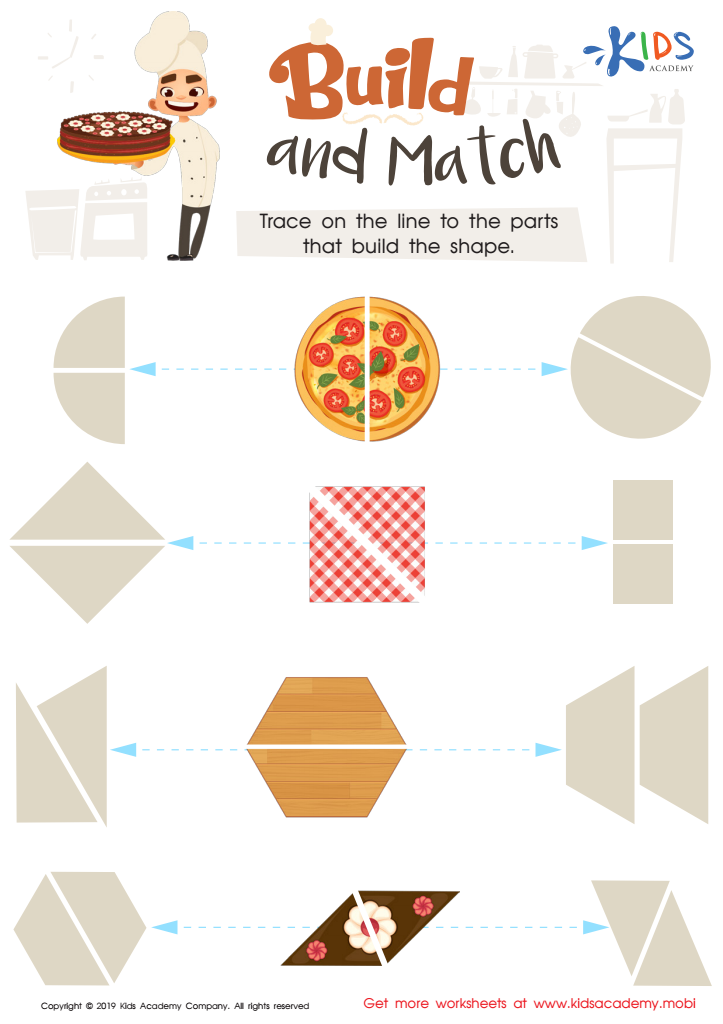
Build and Match Worksheet
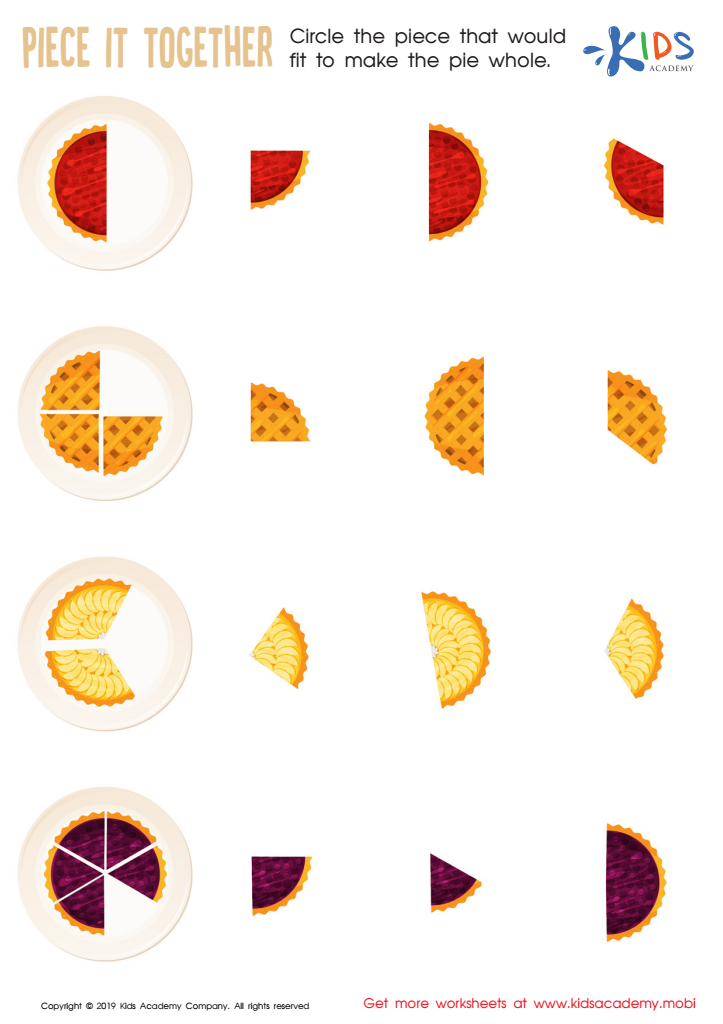
Piece it together Worksheet
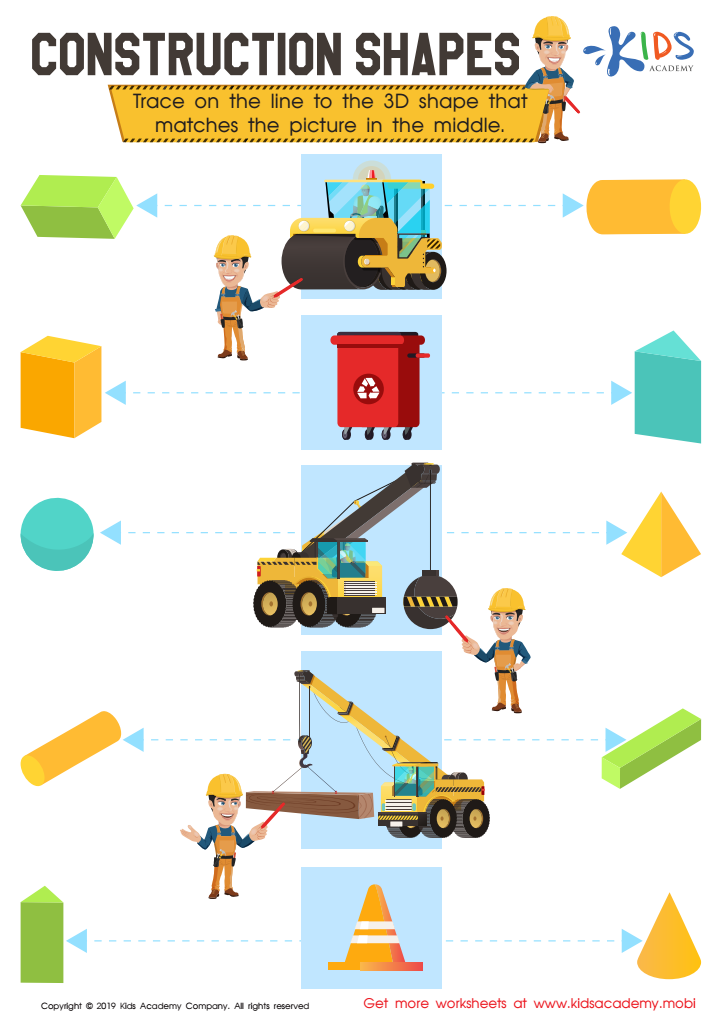
Construction Shapes Worksheet








Fine motor skills and geometry are essential in the developmental journey of children aged 3-7, playing a crucial role in their overall growth and preparation for formal education. Fine motor skills involve the coordination of small muscles in the hands and fingers, which are foundational for tasks like writing, buttoning clothes, and using scissors. By engaging in geometry-related activities such as sorting shapes, building with blocks, and drawing, children strengthen these muscles while also developing cognitive abilities.
Introducing geometric concepts at an early age helps children understand spatial relationships, patterns, and properties of shapes, providing them with tools for problem-solving and critical thinking. Geometry fosters skills such as visual perception, reasoning, and classification, laying the groundwork for more advanced mathematical thinking later on.
Additionally, activities that blend geometry and fine motor skills naturally encourage concentration, attention to detail, and patience – all key attributes for academic success. For parents and teachers, prioritizing these activities is an investment in a child’s academic and personal growth, ensuring they have the physical dexterity and cognitive understanding to excel in future educational endeavors. Hence, developing fine motor skills through geometry is not just about immediate tasks, but about empowering children with confidence and competence in their ongoing learning journey.








