Logical Reasoning Geometry Worksheets for Ages 3-7
6 filtered results
-
From - To
Discover our engaging Logical Reasoning Geometry Worksheets designed for children aged 3-7! These worksheets provide a fun and interactive way for young learners to explore essential geometric concepts while enhancing their logical reasoning skills. With colorful illustrations and age-appropriate activities, kids will enjoy identifying shapes, solving puzzles, and making connections through hands-on learning. Each worksheet is tailored to foster critical thinking and problem-solving abilities, laying a solid foundation for future mathematical success. Perfect for classroom use or home learning, our printable resources encourage creativity, cognitive development, and a passion for learning. Start your child's geometric adventure today!
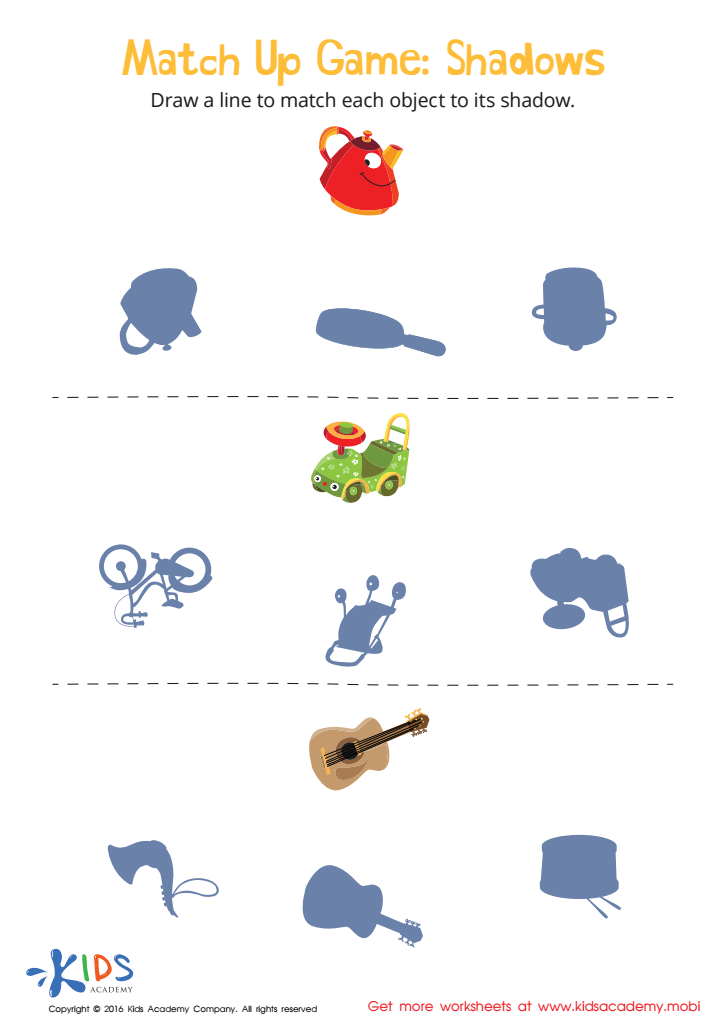
 Assign to My Students











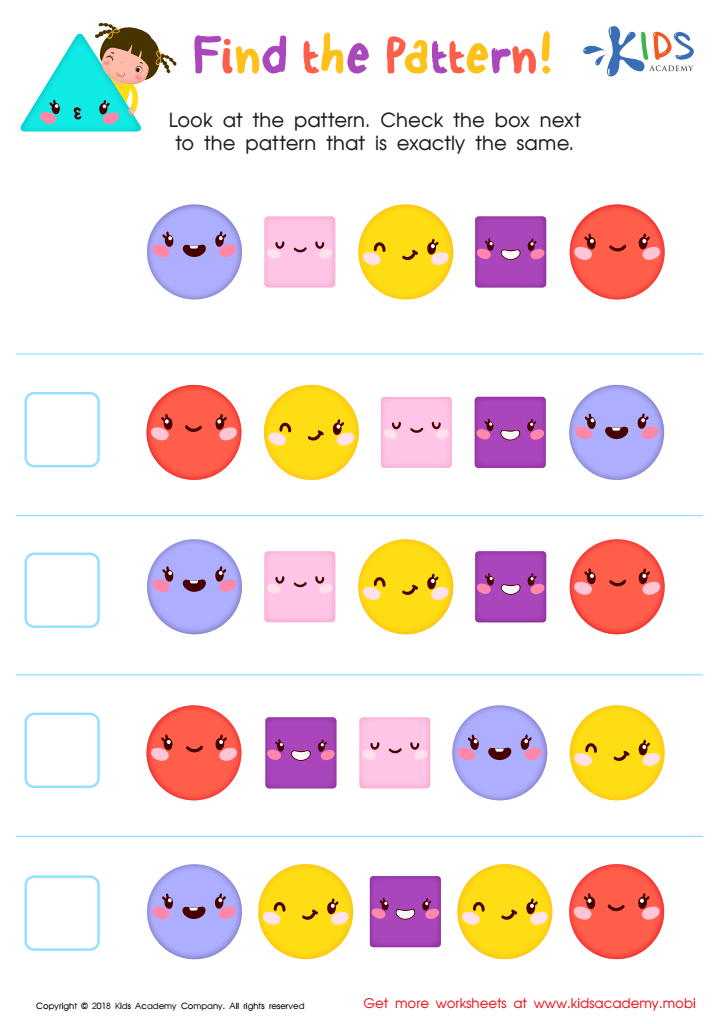
Find the Pattern Worksheet
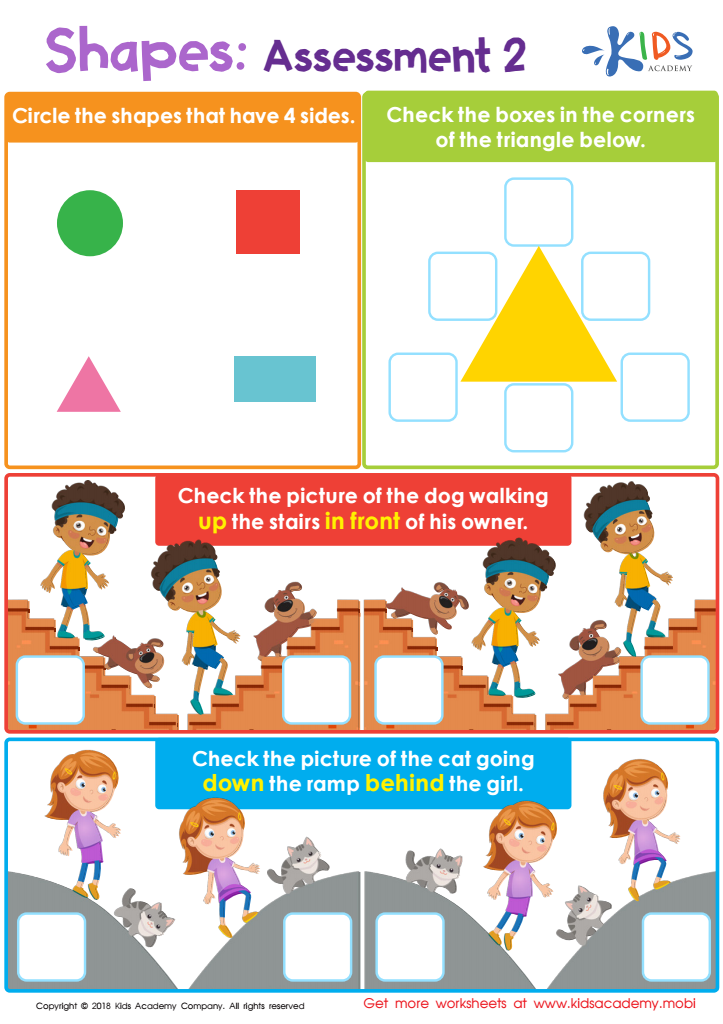
Shapes: Assessment 2 Worksheet
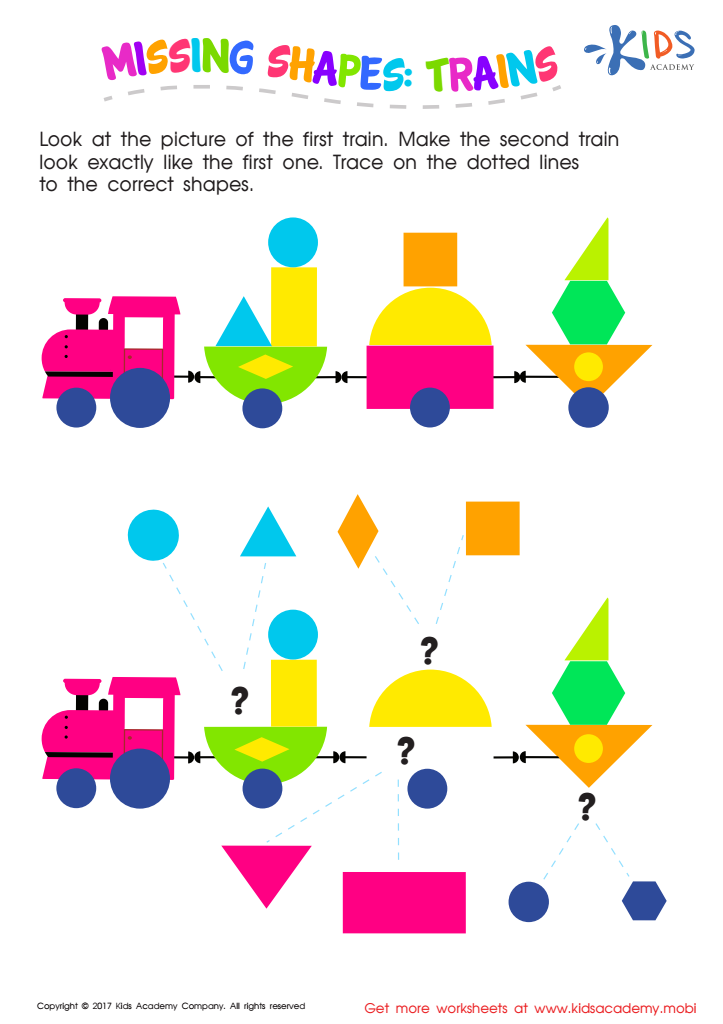
Missing Shapes: Trains Worksheet
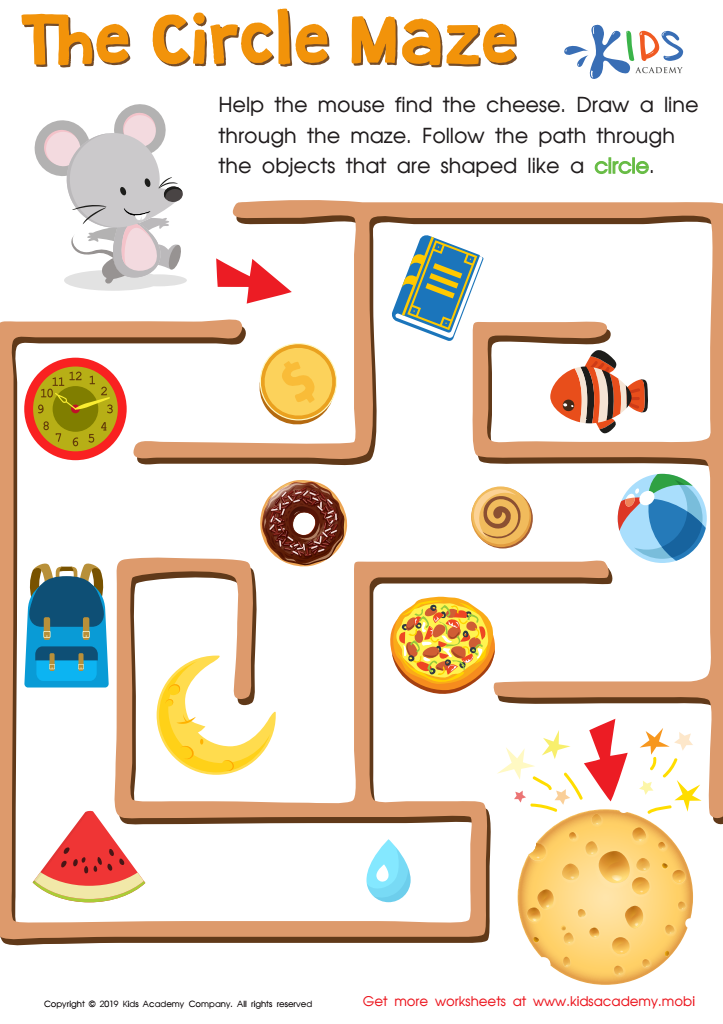
The Circle Maze Worksheet
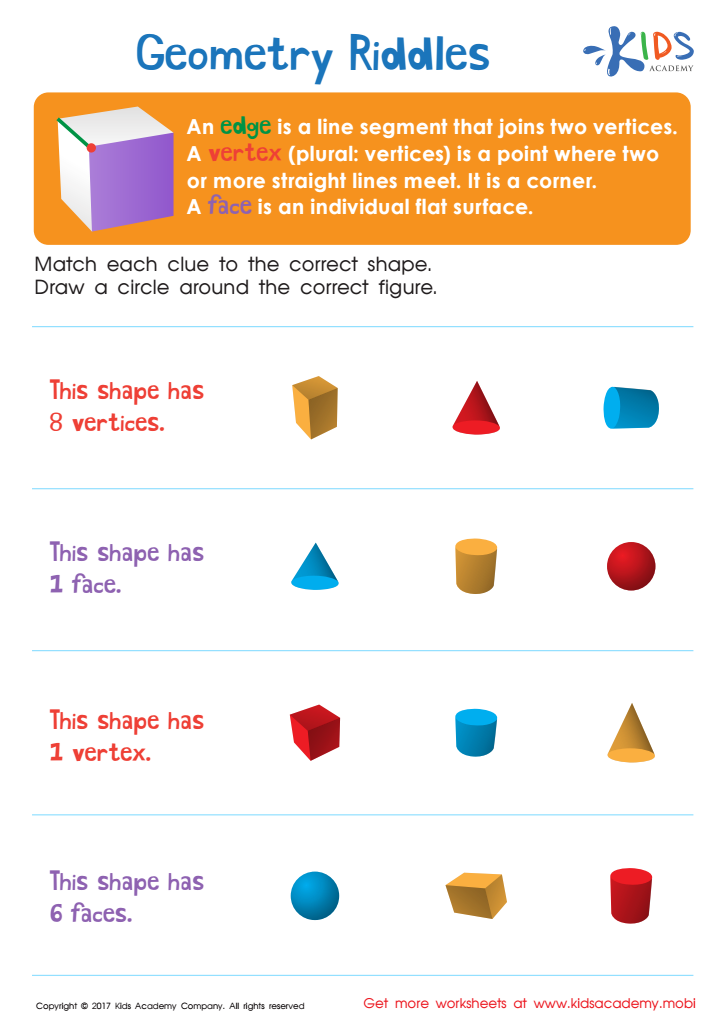
Geometry Riddles Printable








Logical reasoning and geometry are fundamental skills that significantly contribute to a child's overall cognitive development, particularly between the ages of 3-7. Engaging young learners in logical reasoning helps them develop critical thinking skills, allowing them to analyze situations, make decisions, and solve problems effectively. By cultivating these abilities at a young age, children become adept at understanding patterns, relationships, and categories, which are essential for mastering more complex mathematical concepts later in life.
Geometry, specifically, introduces children to shapes, spatial awareness, and the properties of objects in their environment. Early exposure to geometric concepts nurtures creativity and imagination, as children explore and manipulate shapes through play. This not only enhances their fine motor skills but also aids in building visual-spatial abilities that are crucial for success in various subjects, including math and science.
Moreover, teaching logical reasoning and geometry fosters a collaborative learning environment where children learn to communicate their thoughts, justify their reasoning, and listen to others’ perspectives. This foundational knowledge lays the groundwork for lifelong learning, empowering children to approach abstract concepts with confidence. Thus, it's vital for parents and teachers to prioritize these skills in early education, shaping well-rounded individuals prepared for future academic challenges.








