Shape Recognition Numbers Worksheets for Ages 3-7
7 filtered results
-
From - To
Introduce your little learners to the exciting world of shape recognition with our engaging Shape Recognition Numbers Worksheets, tailored specifically for ages 3-7! These worksheets combine essential math skills with fun activities, helping children identify shapes while reinforcing their understanding of numbers. Each interactive task promotes critical thinking and enhances visual perception in a playful way. Designed to align with early childhood education standards, our worksheets make learning enjoyable and effective. Perfect for classroom use or at-home practice, these resources support cognitive development and prepare young minds for future mathematical success. Download and watch your child's confidence grow as they explore shapes and numbers!
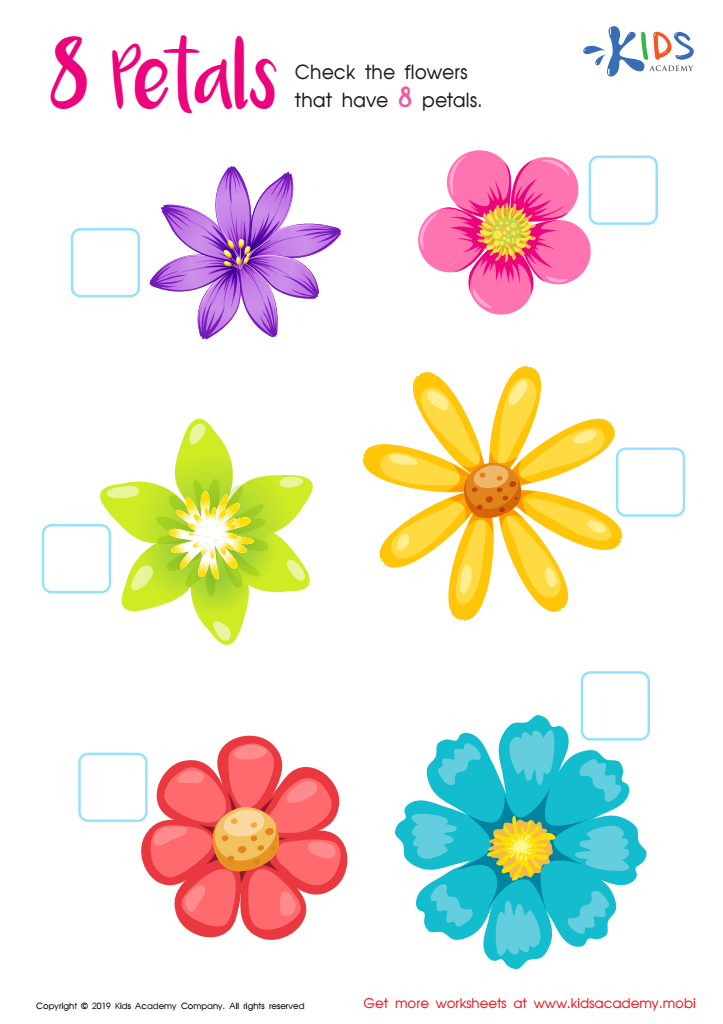
8 Petals Worksheet
 Assign to My Students
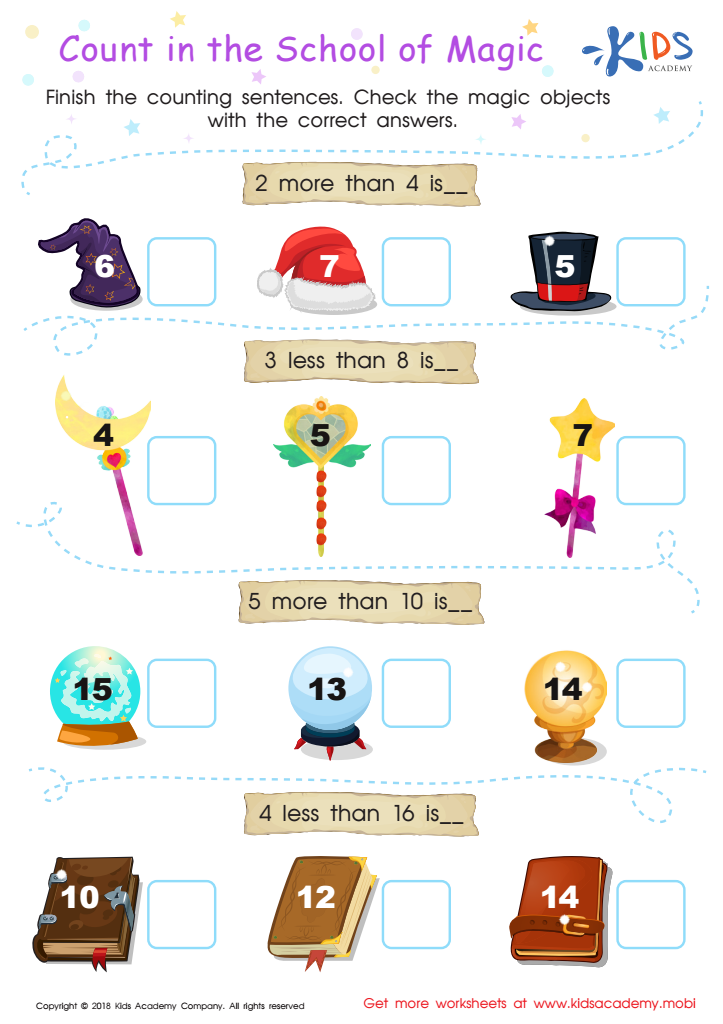
Count in the School of Magic Worksheet
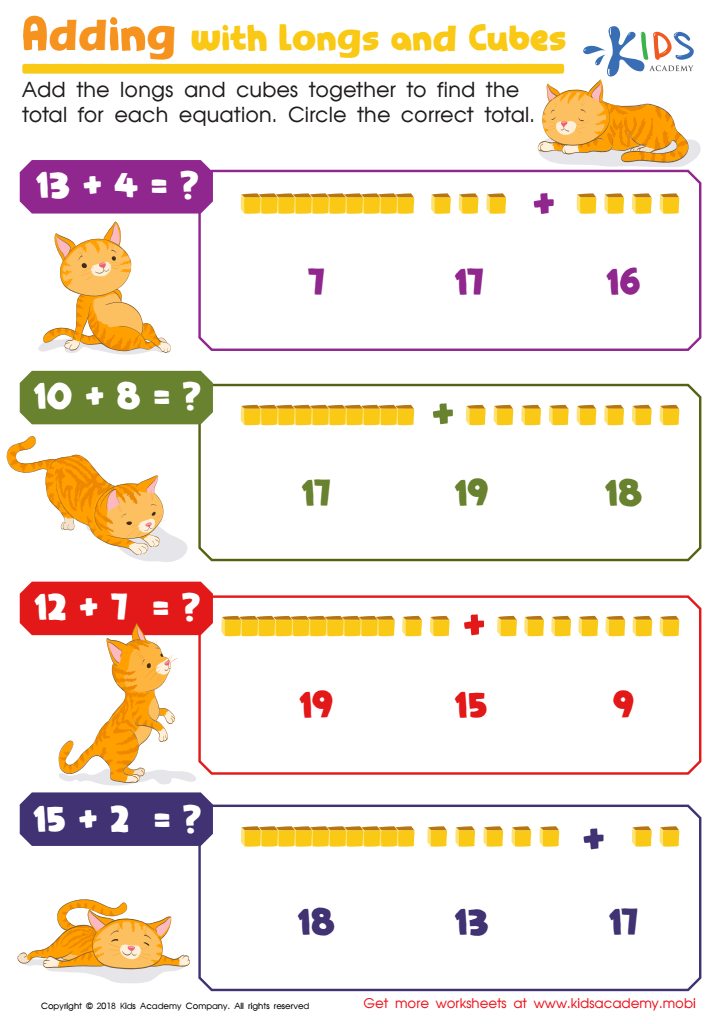
Adding With Longs and Cubes Worksheet
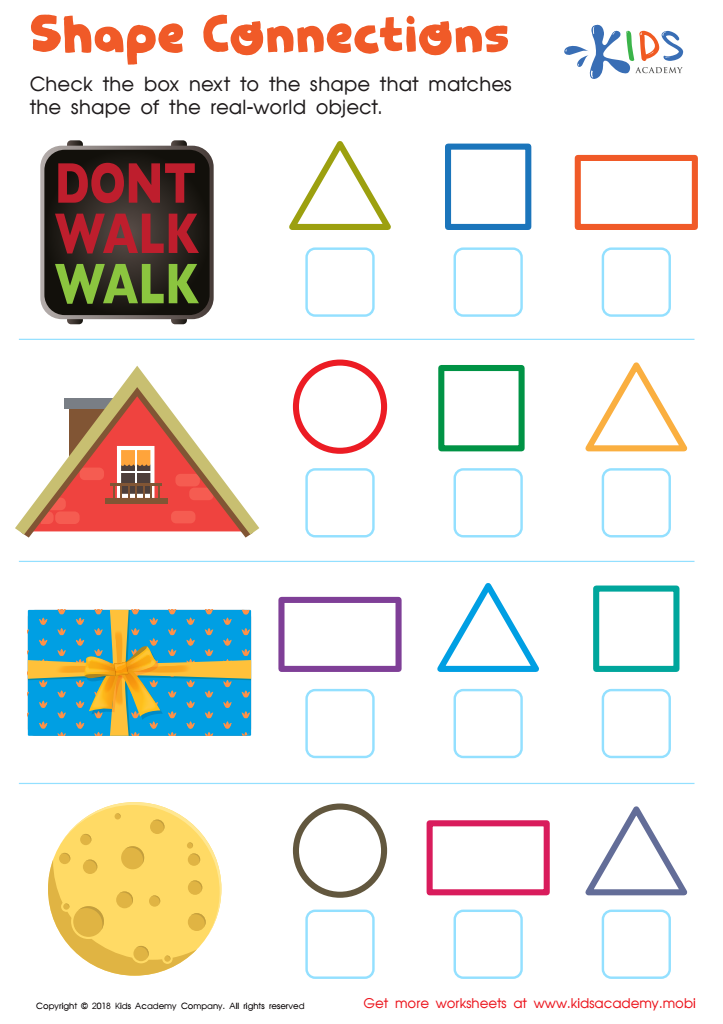
Shape Connections Worksheet
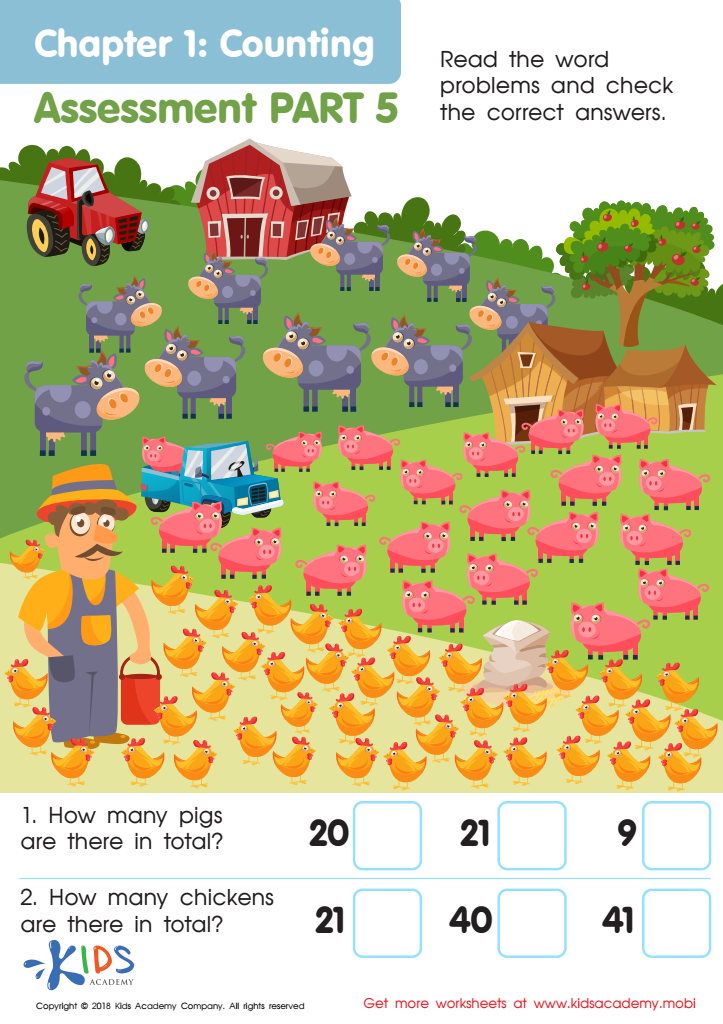
Counting: Assessment 5 Worksheet
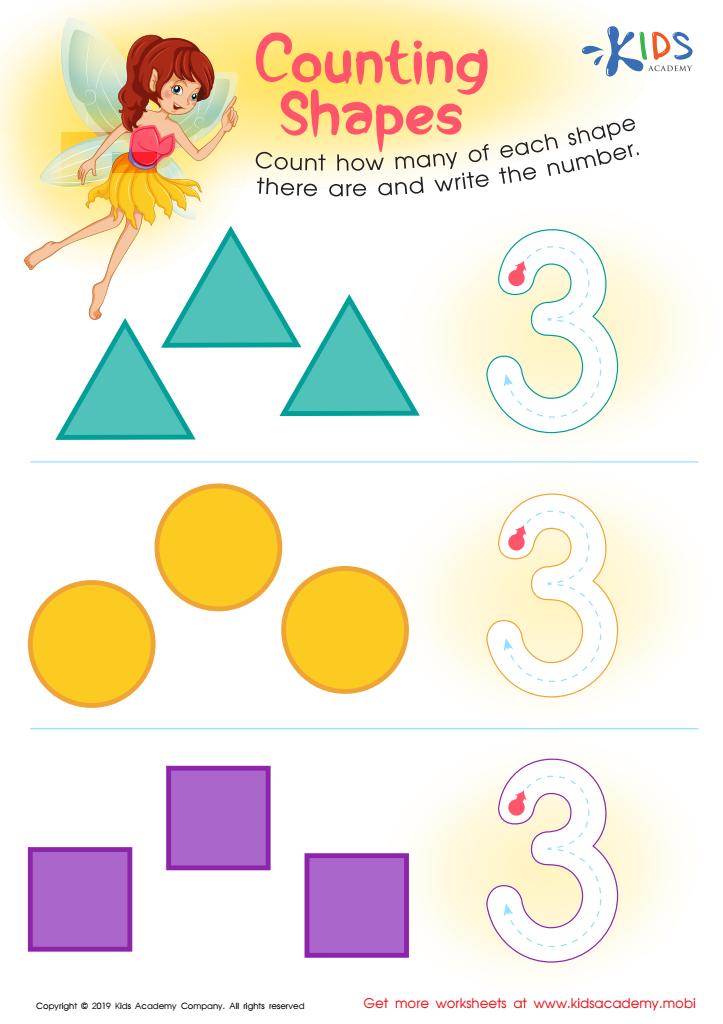
Counting Shapes Worksheet
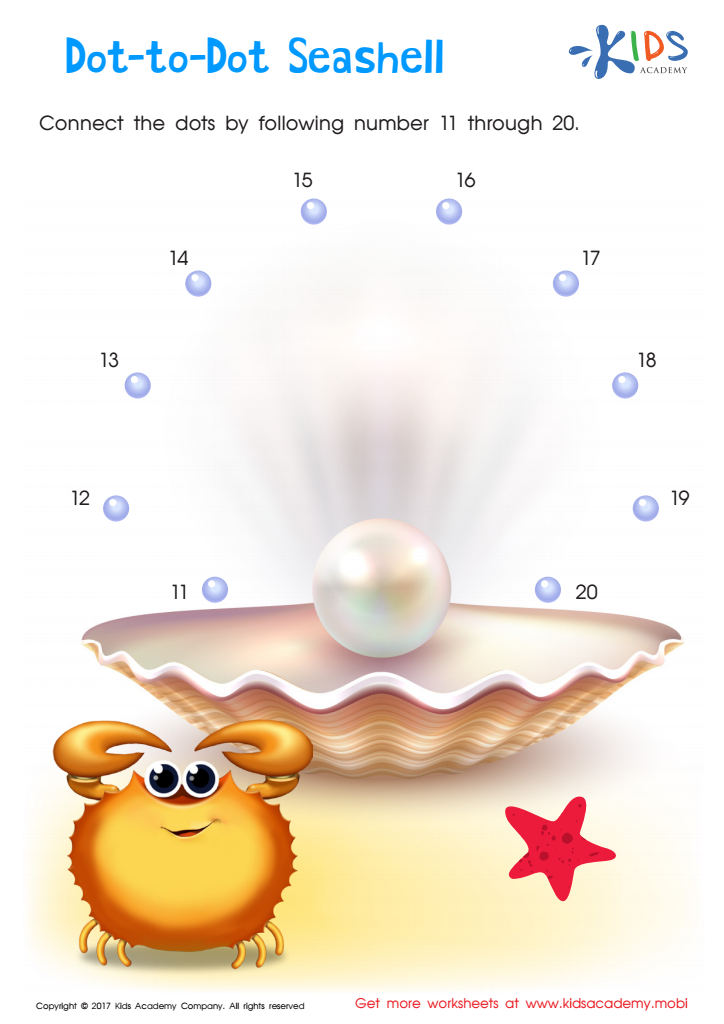
Ordering 11–20: Dot–to–dot Seashell Printable








Shape recognition is a crucial foundational skill for children ages 3-7 that plays a significant role in their cognitive and social development. Understanding basic shapes helps kids grasp more complex concepts in mathematics, geometry, and even art. As they identify and differentiate between circles, squares, triangles, and other shapes, they enhance their spatial awareness, which is essential for problem-solving and critical thinking skills.
Furthermore, shape recognition contributes to a child's vocabulary development. By learning the names and features of different shapes, children expand their language skills, improve their ability to describe their environment, and engage in more complex conversations.
In early education settings or at home, teachers and parents can capitalize on children’s natural curiosity through playful activities, such as shape sorting games, interactive apps, or sensory play, which reinforce shape recognition in a fun and engaging way. This not only helps in cementing their understanding but also fosters a love for learning.
Moreover, shape recognition sets the stage for more advanced skills, such as measurement, pattern recognition, and geometry, all of which are essential as children progress in their academic journey. Consequently, prioritizing shape recognition equips children with essential skills they need in school and beyond.








