Understanding Quantities Numbers Worksheets for Ages 3-7
6 filtered results
-
From - To
Unlock your child’s numerical potential with our "Understanding Quantities Numbers Worksheets" tailored for ages 3-7. These engaging, expertly crafted worksheets seamlessly blend fun and education, helping young learners grasp foundational math concepts. Kids will enjoy counting, comparing quantities, and understanding basic numerical relationships, all while building crucial skills for future academic success. Perfect for early learners, our vibrant and enjoyable worksheets support both parents and teachers in making math enjoyable and accessible. Boost your child's confidence in math and foster a lifetime love for learning with these interactive, age-appropriate resources. Download today to start your child's numerical journey!
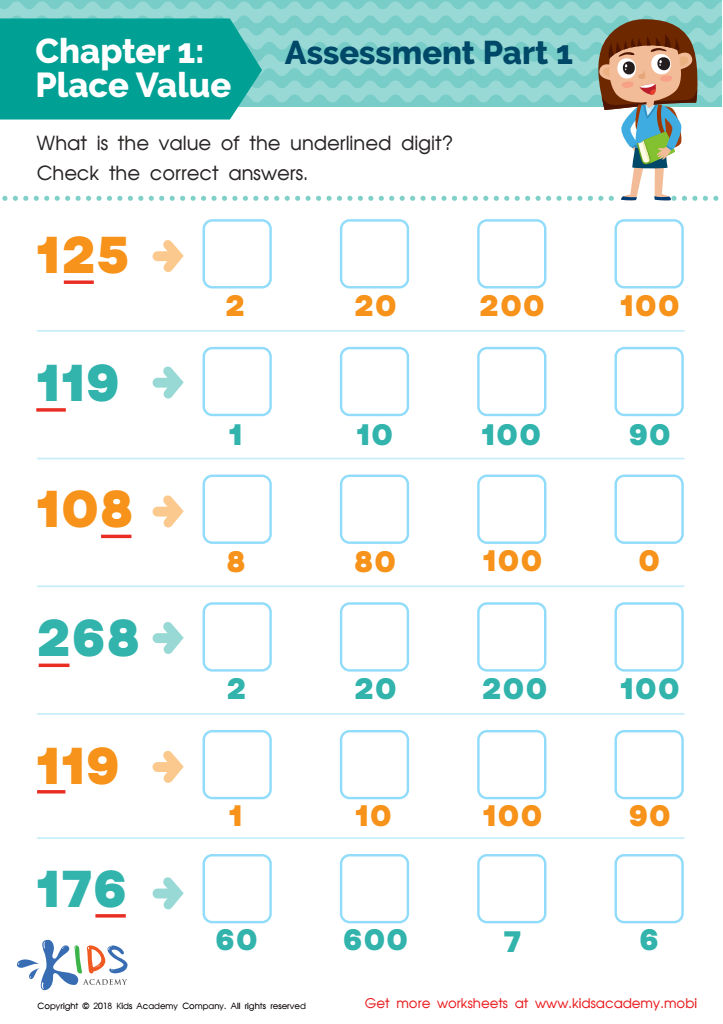
Place Value: Chapter 1 Worksheet
 Assign to My Students
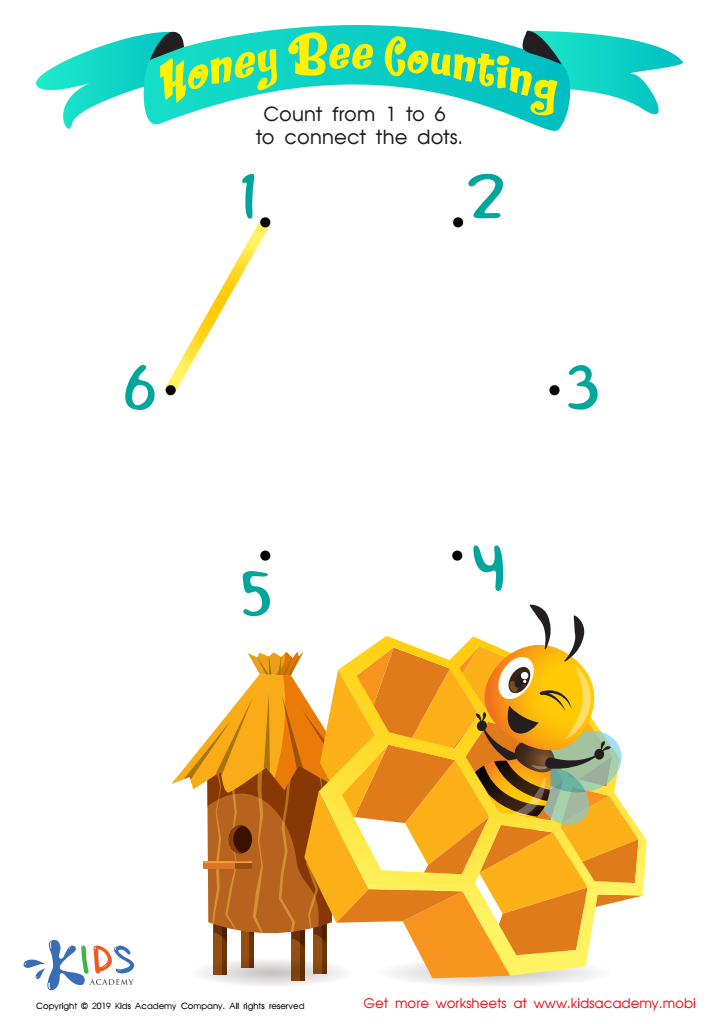
Honey Bee Counting Worksheet
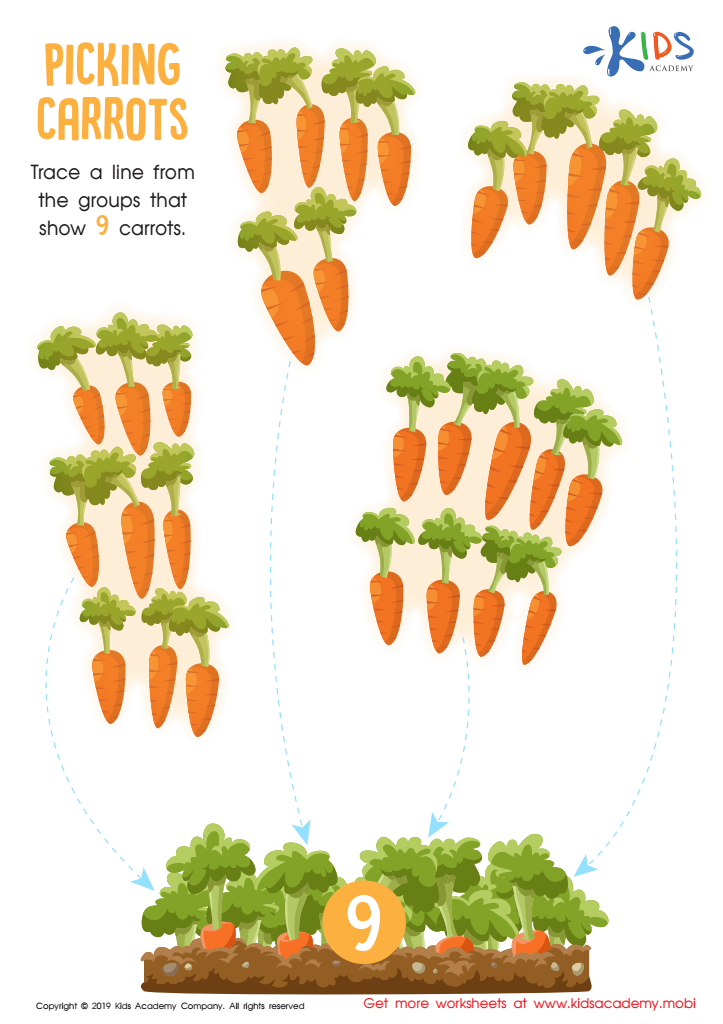
Picking Carrots Worksheet
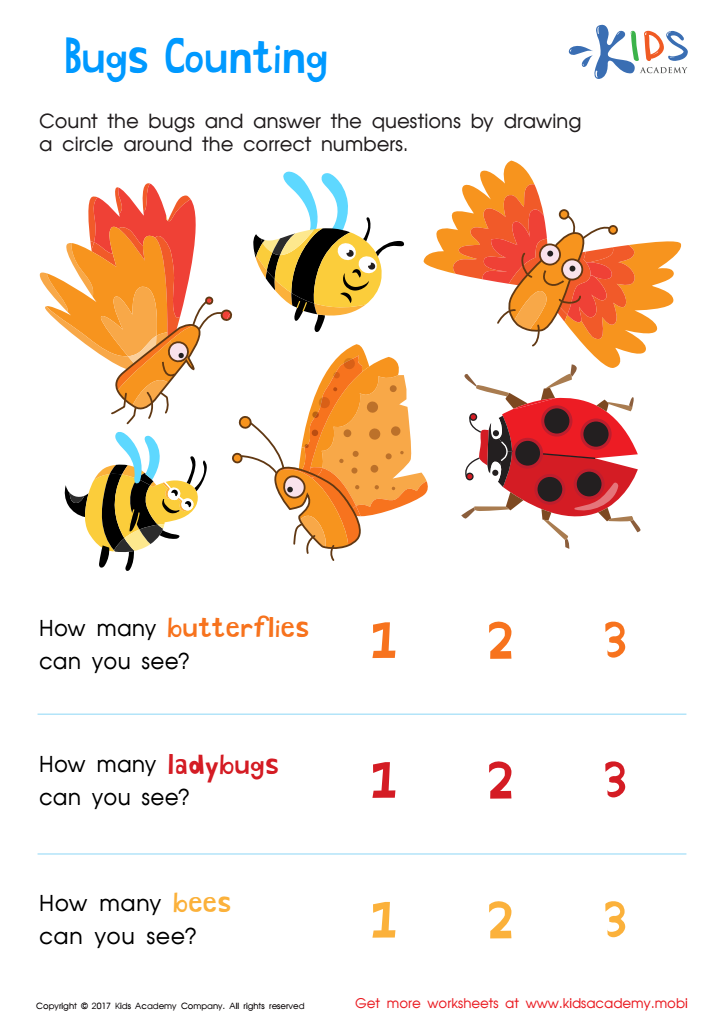
Bugs Counting Worksheet
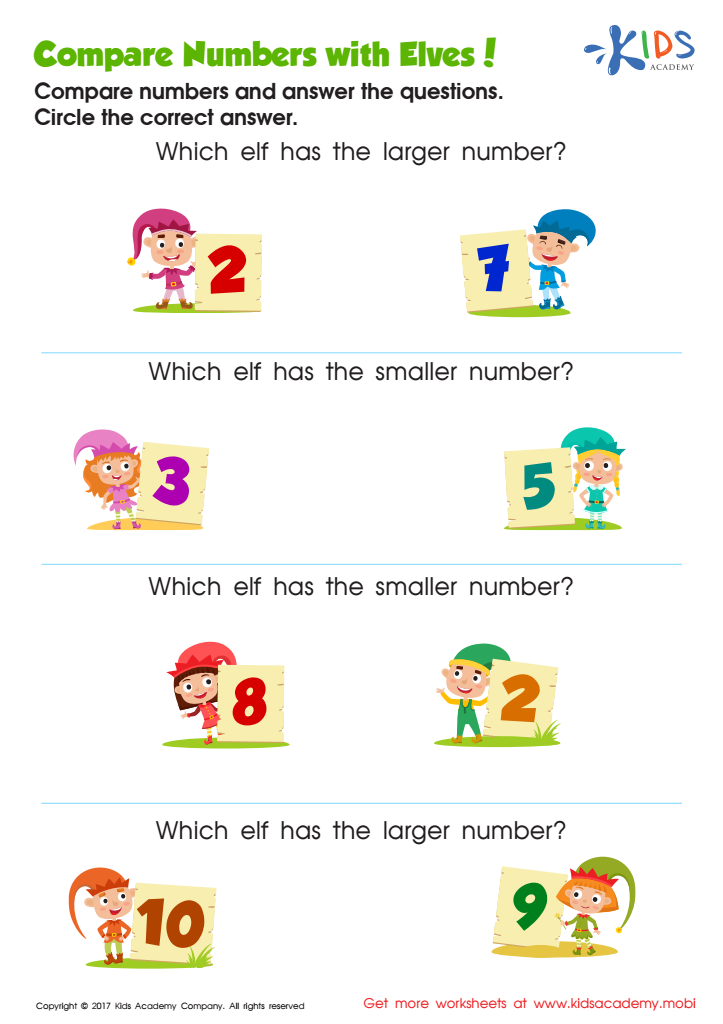
Comparing Numbers Worksheet for Kindergarten
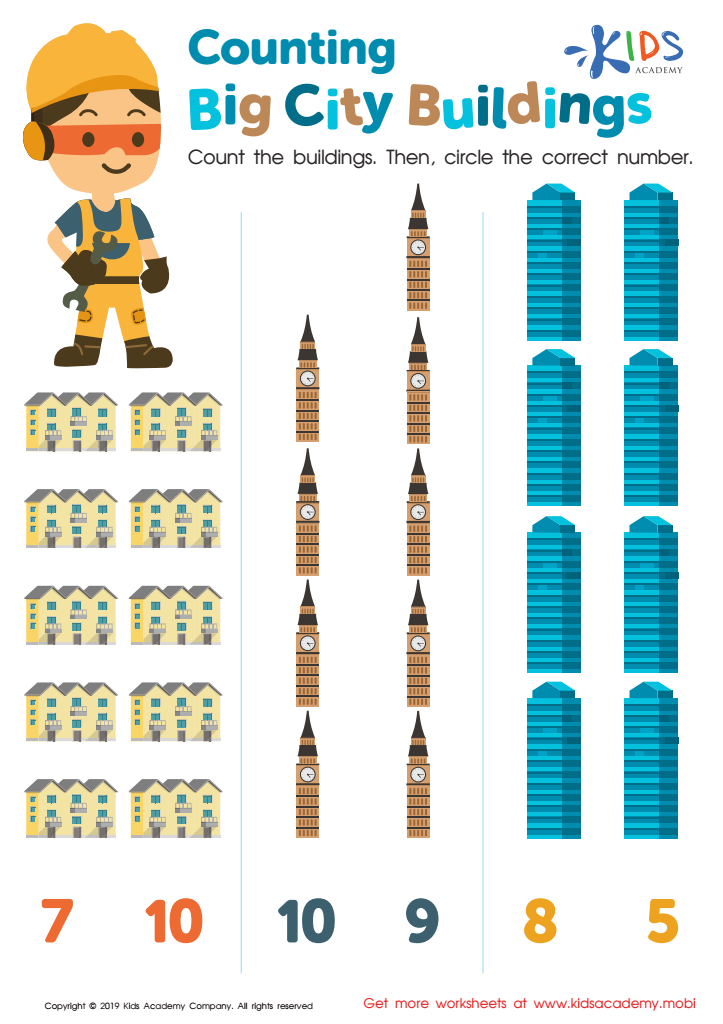
Counting Big City Buildings Worksheet








Understanding quantities and numbers is crucial for children aged 3-7, as it forms the foundational building blocks for future mathematical learning and cognitive development. At this early stage, young learners begin to grasp the concepts of counting, identifying numbers, and associating numbers with quantities. This foundational knowledge sets the stage for more complex mathematical skills such as addition, subtraction, and problem-solving.
When parents and teachers invest time in helping children understand quantities and numbers, they are effectively setting them up for academic success. Early numeracy skills are closely linked to performance in later years, not just in mathematics but also in science and subjects that require analytical thinking.
Moreover, a strong grasp of early math concepts enhances a child's confidence and curiosity towards learning. Activities that involve counting objects, recognizing numbers, or simple math games can make learning fun and engaging. This positive reinforcement can alleviate math anxiety and foster a love for learning.
In addition, these skills have practical real-world applications that children utilize even at a young age, such as sharing toys fairly, understanding time, and handling money. Therefore, nurturing an understanding of quantities and numbers between ages 3-7 is not just about academic readiness but also about equipping children with essential life skills.
By making math a part of daily interactions, parents and teachers ensure that children develop a solid foundation that will benefit them in school and beyond.








