Addition skills Math Worksheets for Ages 3-7 - Page 6
134 filtered results
-
From - To
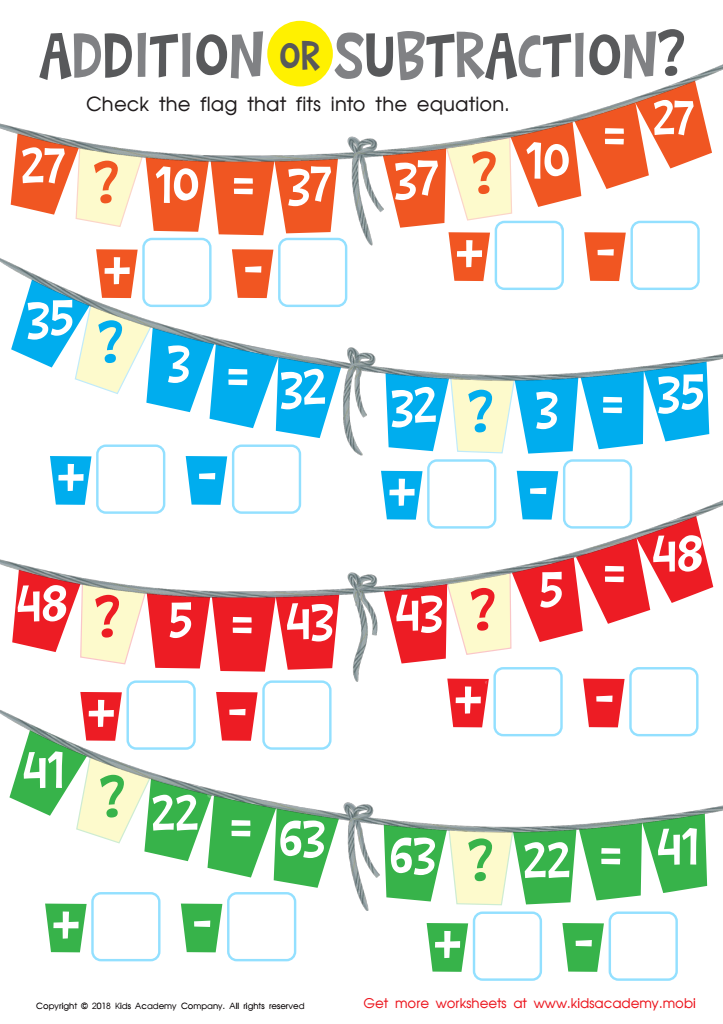
Addition or Subtraction? Worksheet
 Assign to My Students
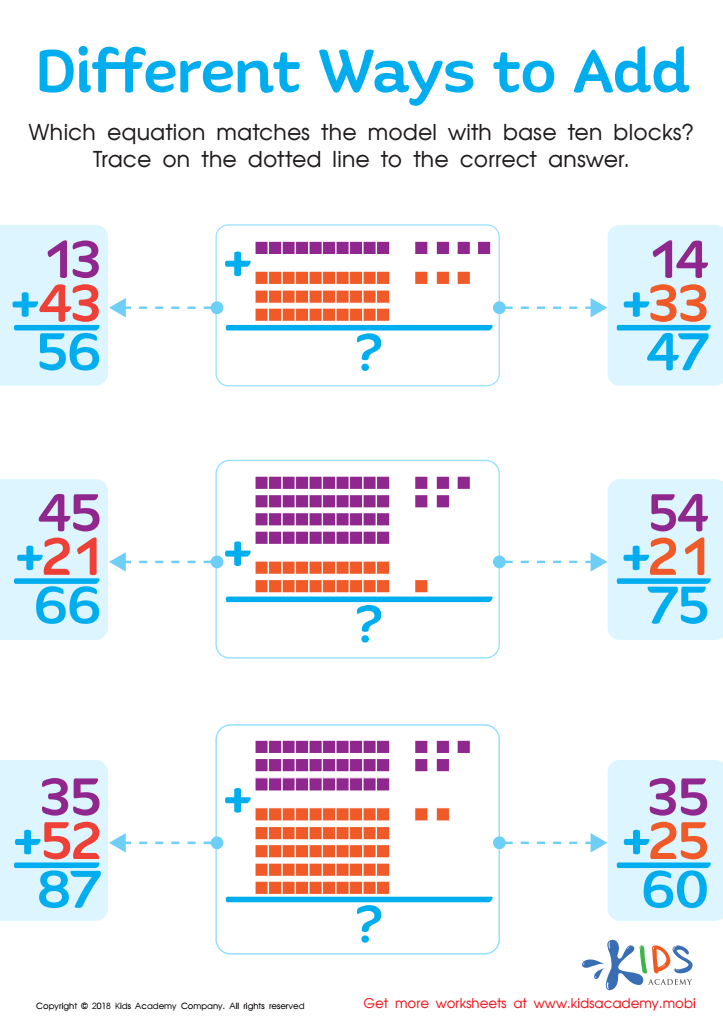
Different Ways to Add Worksheet
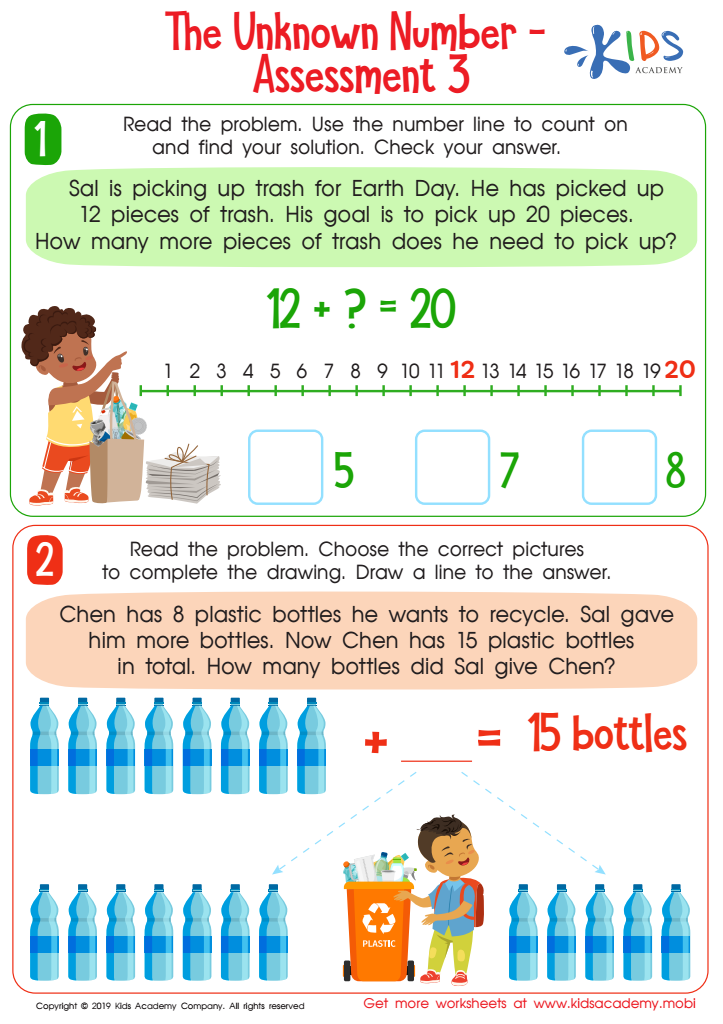
The Unknown Number - Assessment 3 Worksheet
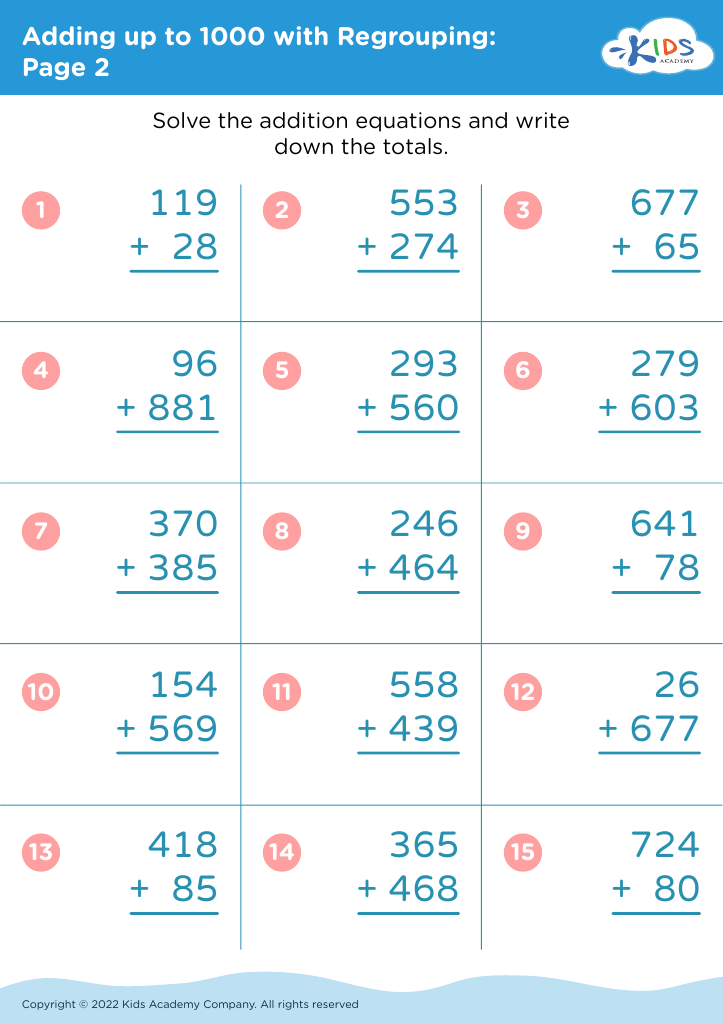
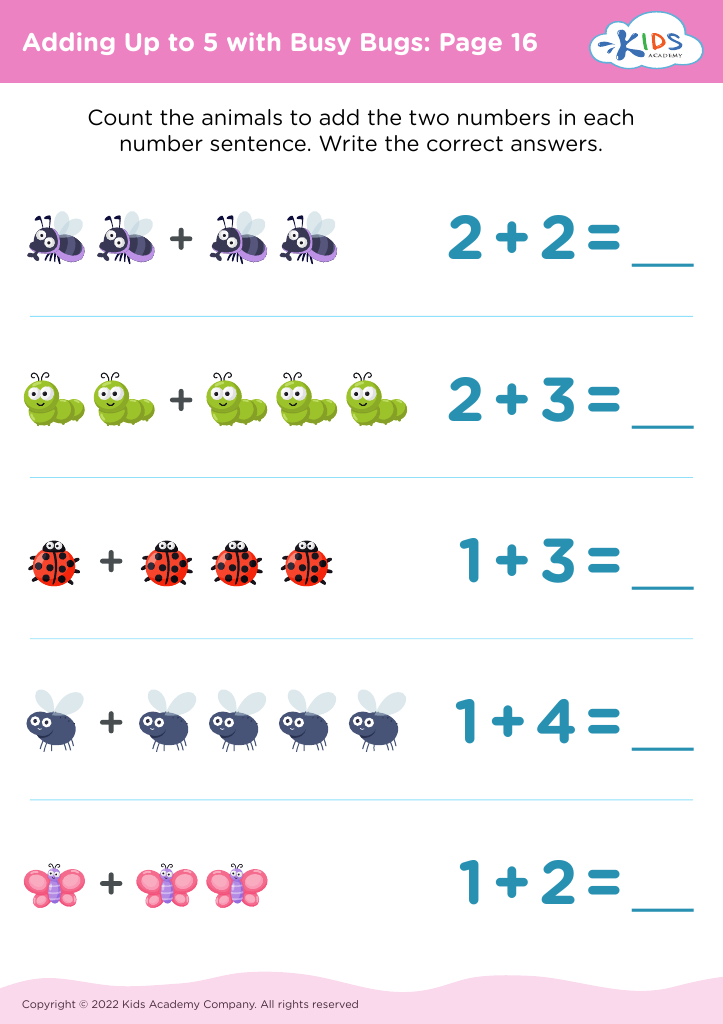
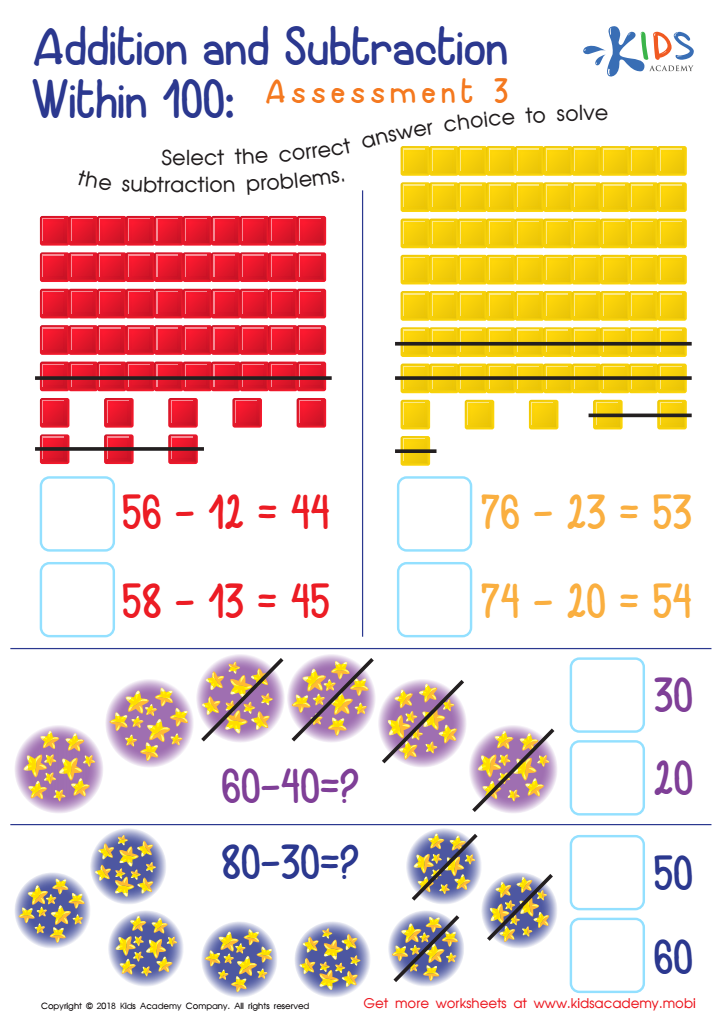
Addition and Subtraction Within 1: Assessment 3 Worksheet
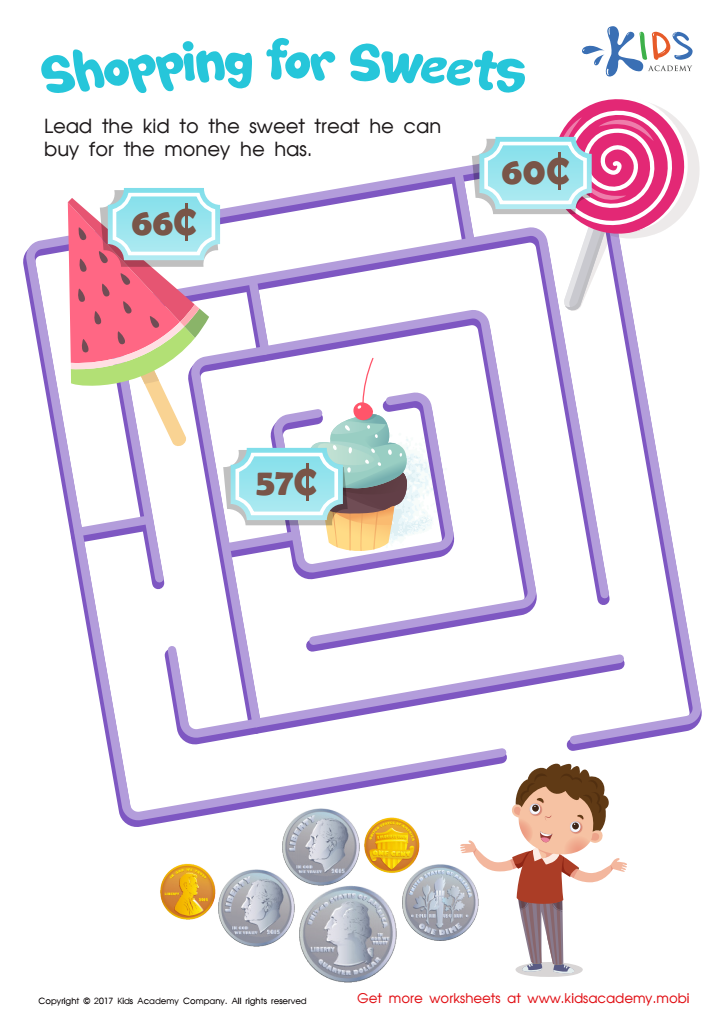
Shopping for Sweets Worksheet







Fostering addition skills in children aged 3-7 is crucial, and both parents and teachers play a significant role in this foundational aspect of childhood education. At this developmental stage, children are highly receptive and capable of absorbing basic mathematical concepts in a natural, playful manner. Introducing addition at an early age lays the groundwork for future mathematical understanding and academic success.
For one, addition is a fundamental operation that serves as a building block for more complex mathematical concepts. Mastery in addition paves the way for proficiency in subtraction, multiplication, division, and beyond. Early proficiency in these basic skills reduces math anxiety and builds confidence, fostering a positive attitude toward the subject.
Additionally, developing addition skills enhances cognitive development. It sharpens problem-solving abilities, logical thinking, and improves memory and number sense. Encouraging these skills through games, practical situations (like counting toys or snacks), and everyday conversations helps children see math as integral to daily life rather than just an abstract subject.
Lastly, early competency in math bears long-term benefits. Children who excel in early math are shown to perform better academically, not just in mathematics but across other subjects as well. By emphasizing addition skills at an early age, parents and teachers set the stage for lifelong academic and personal success.








