Analyzing data Math Worksheets for Ages 3-7
4 filtered results
-
From - To
Welcome to our "Analyzing Data Math Worksheets for Ages 3-7!" This engaging collection helps young learners develop essential skills in data analysis through fun and interactive activities. Designed for preschool and early grade students, our worksheets promote understanding of basic concepts such as sorting, comparing, and organizing information. Children will enjoy colorful visuals and cheerful themes that make learning enjoyable while reinforcing critical thinking and problem-solving abilities. Each worksheet is tailored to encourage exploration and discovery, making math a delightful subject. Perfect for home or classroom use, these resources will support your child’s mathematical journey from a young age.
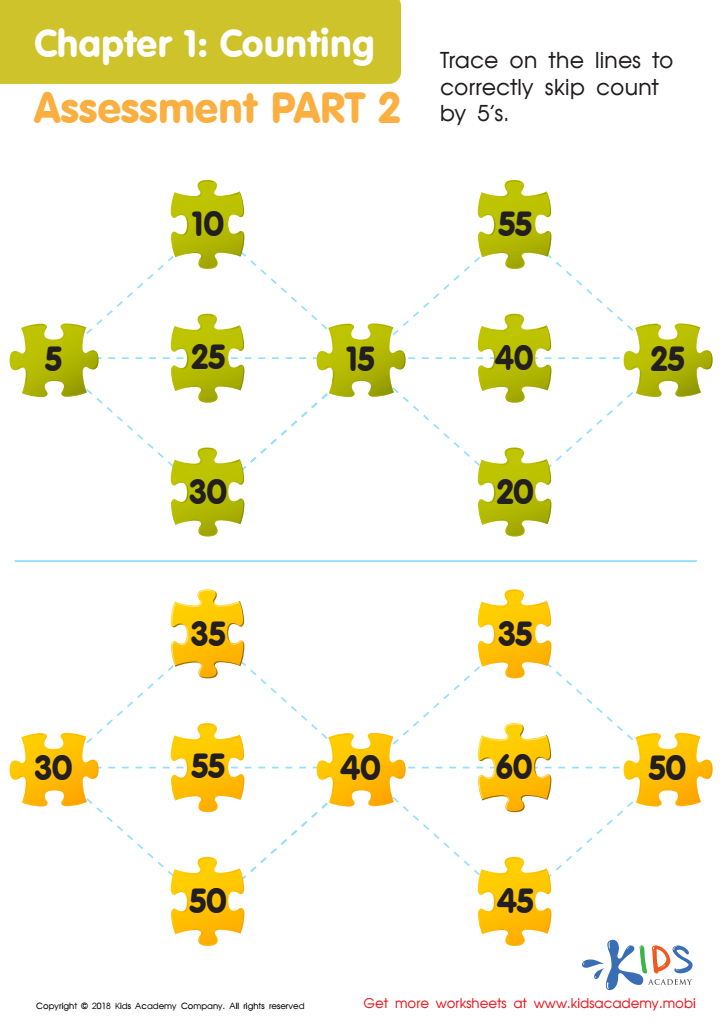
Counting: Assessment 2 Worksheet
 Assign to My Students
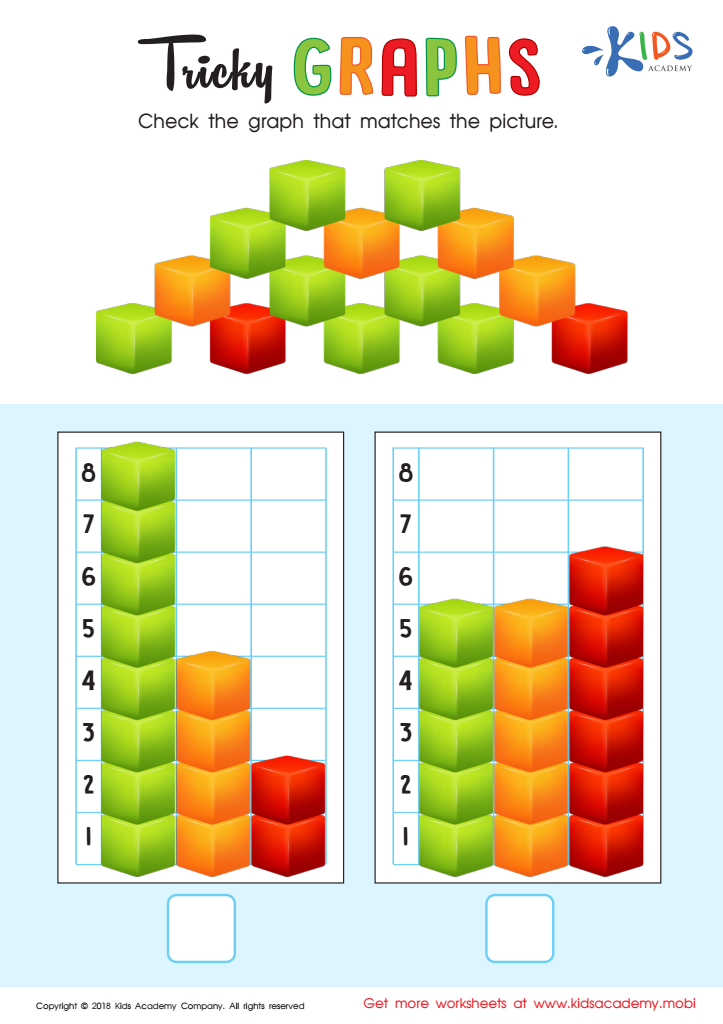
Tricky Graphs Worksheet
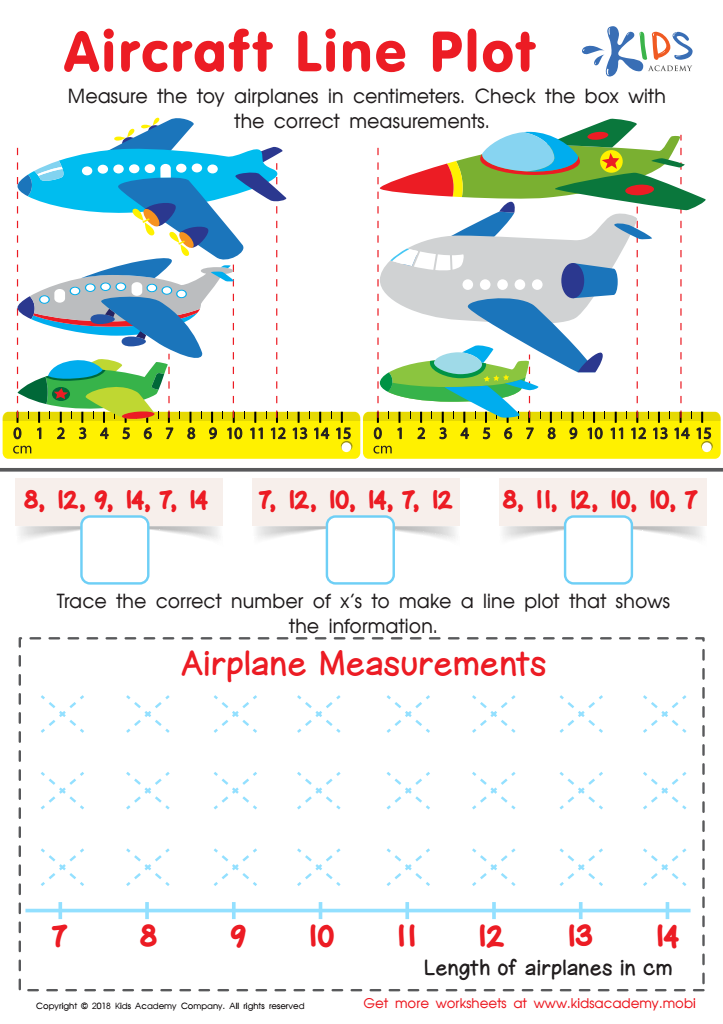
Aircraft Line Plot Worksheet








Analyzing data in math for children aged 3-7 is crucial for several reasons. First, early exposure to data literacy sets the foundation for critical thinking and problem-solving skills. At this impressionable age, children learn how to collect, organize, and interpret data, which enhances their cognitive development and builds a strong math foundation.
Parents and teachers should care about data analysis because it encourages curiosity and inquiry. Young learners can explore patterns and relationships in the world around them, fostering a sense of exploration. When children engage with data through hands-on activities like sorting objects or creating simple graphs, they develop an appreciation for mathematics, making it relatable and enjoyable.
Additionally, analyzing data supports individualized learning. Teachers can identify students' strengths and challenges, tailoring instruction to meet their unique needs. For parents, understanding their child's data analysis skills can help them reinforce these concepts at home, promoting lifelong learning habits.
Ultimately, instilling data analysis skills in young children prepares them for future academic success and equips them with vital life skills. By valuing data literacy, parents and teachers contribute to children's overall development and their ability to navigate an increasingly data-driven world.








