Basic Math understanding Math Worksheets for Ages 3-7
12 filtered results
-
From - To
Discover our engaging Basic Math Understanding Worksheets designed for children ages 3-7! These printable resources provide an enjoyable way for young learners to grasp essential math concepts such as counting, number recognition, patterns, and basic addition and subtraction. Our worksheets are thoughtfully crafted to captivate young minds through colorful illustrations and interactive activities that promote hands-on learning. Perfect for parents and educators alike, these materials support early math skills development in a fun and accessible manner. Help your child build a strong math foundation with our comprehensive collection of worksheets that cater to their learning needs while encouraging a love for math!
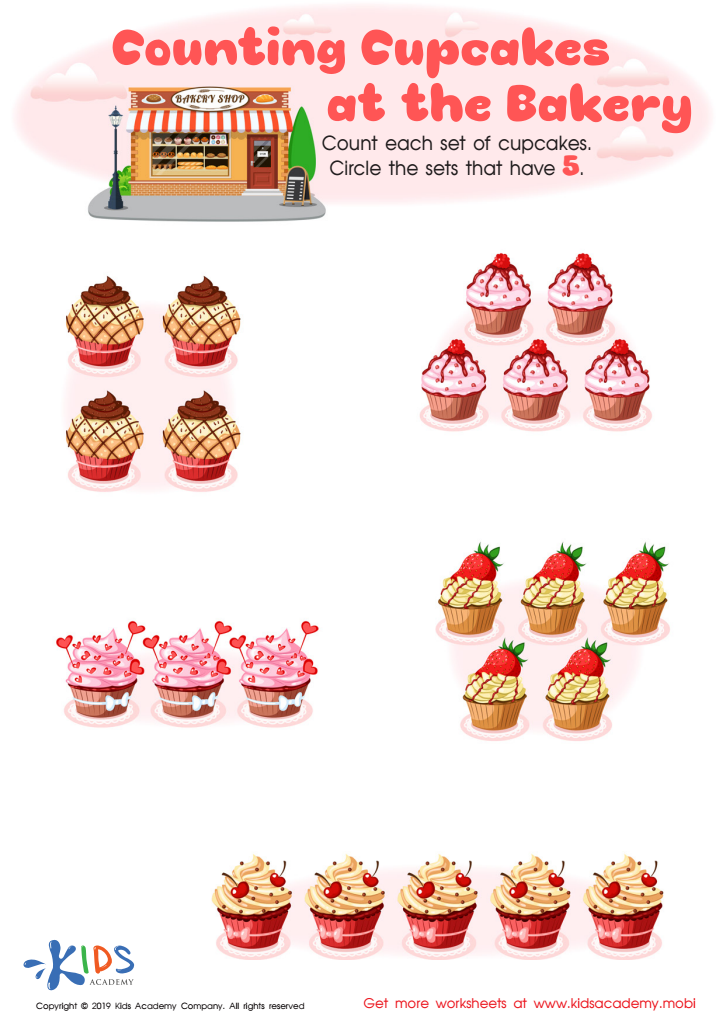
Counting Cupcakes Worksheet
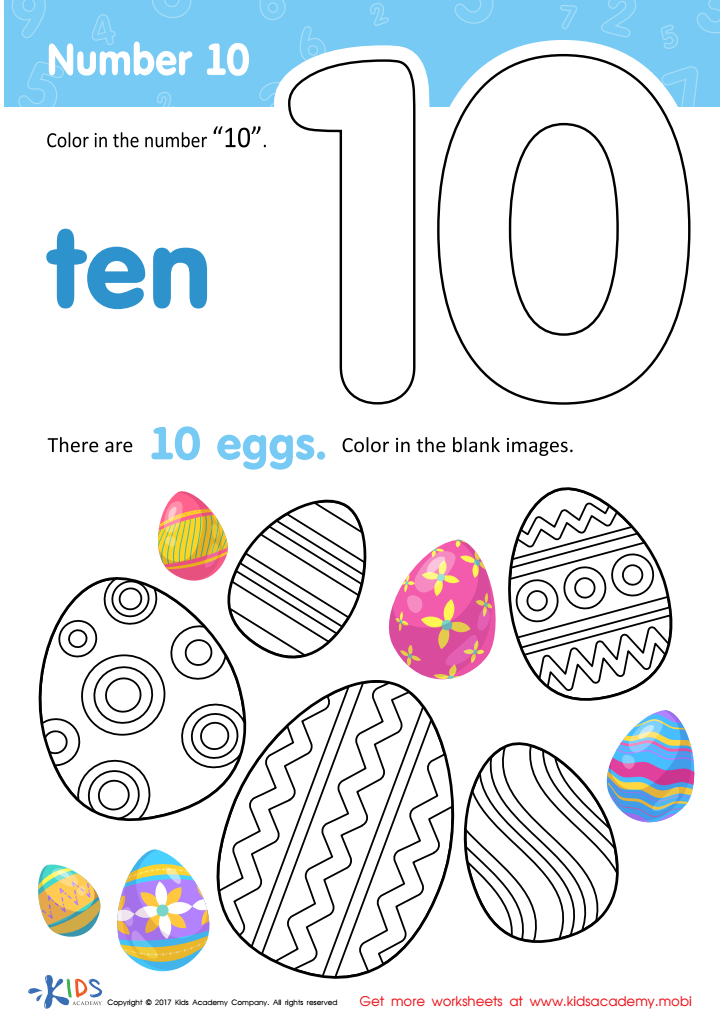
Number 10 Printable
 Assign to My Students
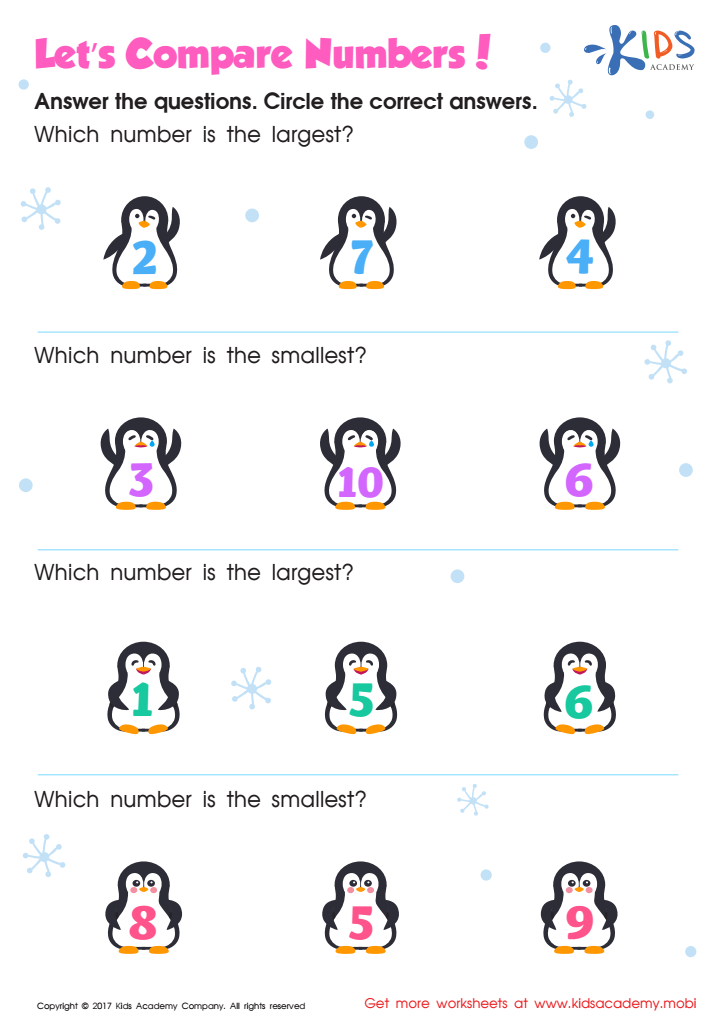
Comparing Numbers 1–10 Worksheet Kindergarten
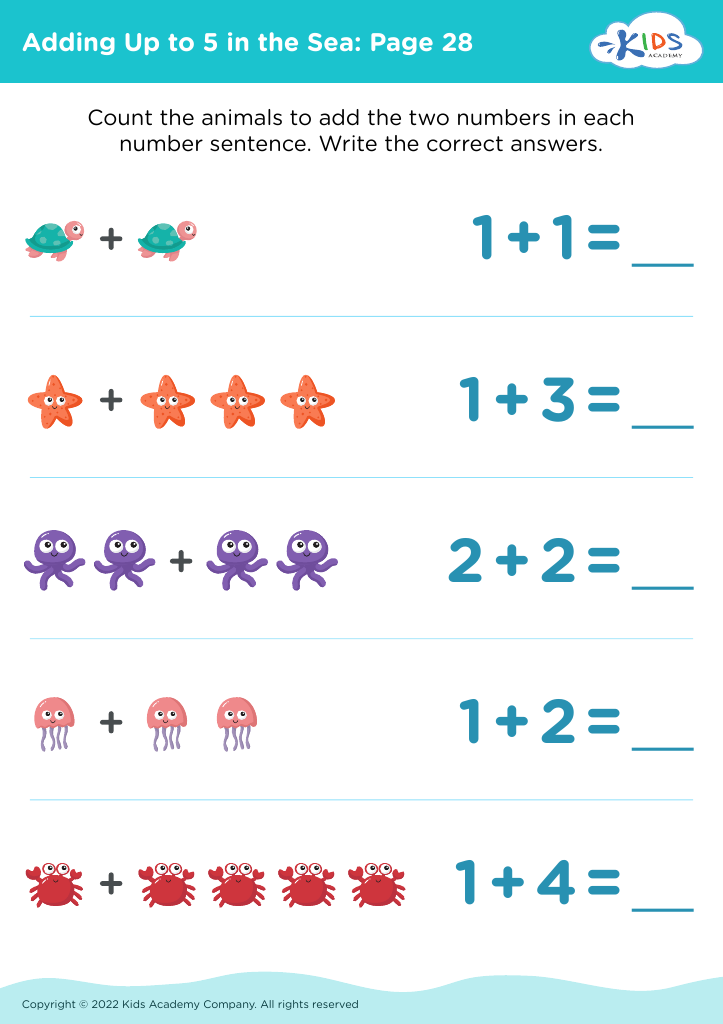
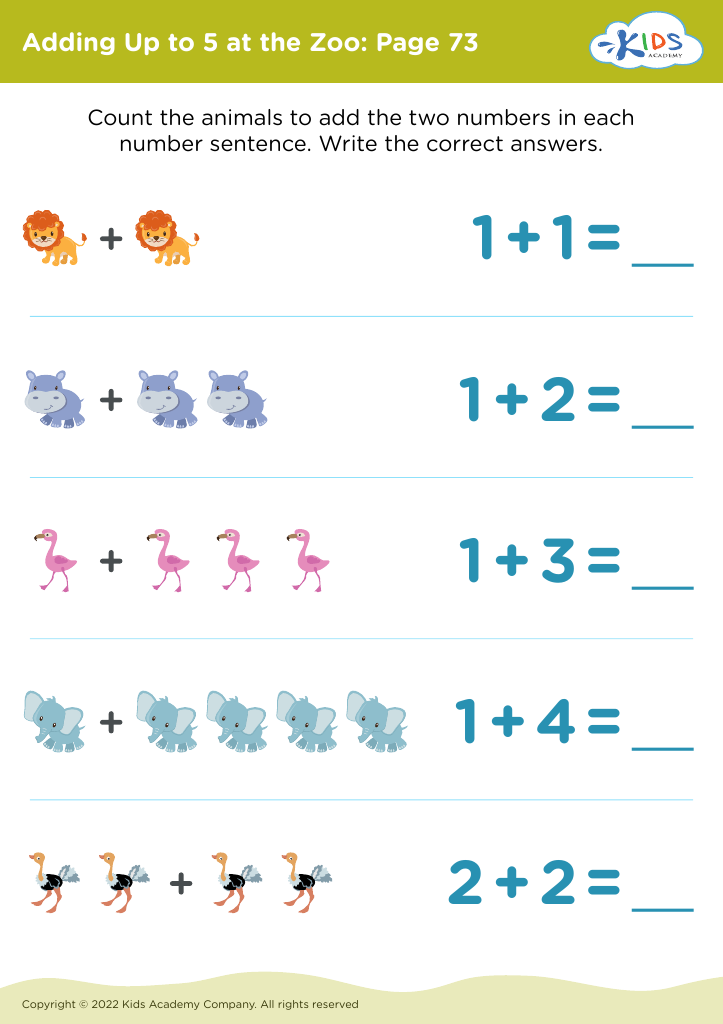
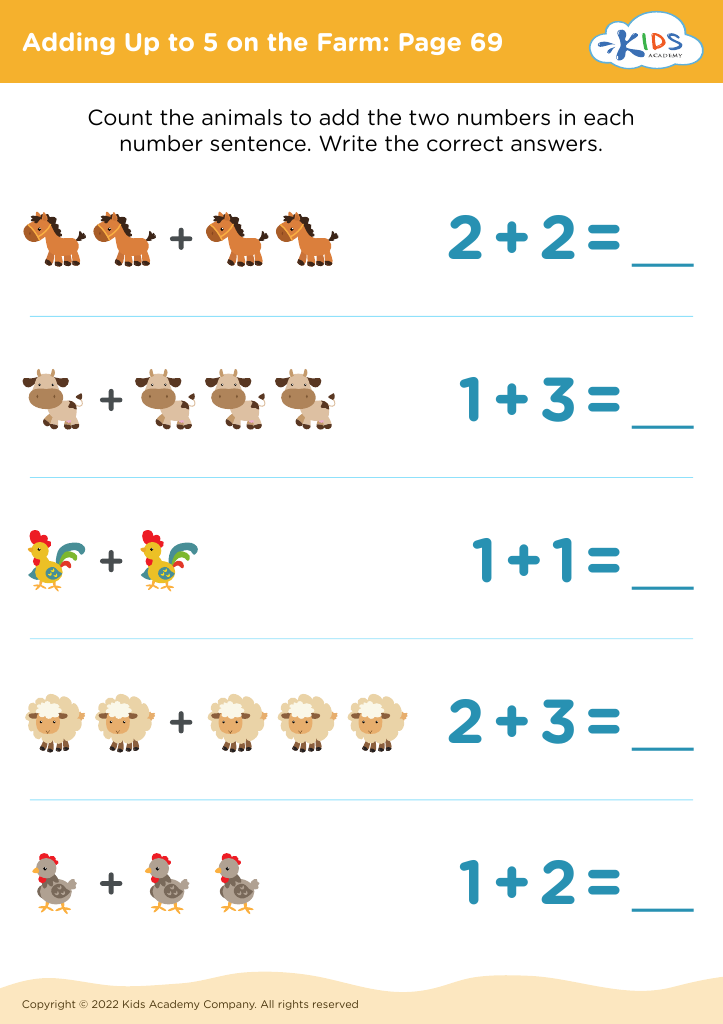
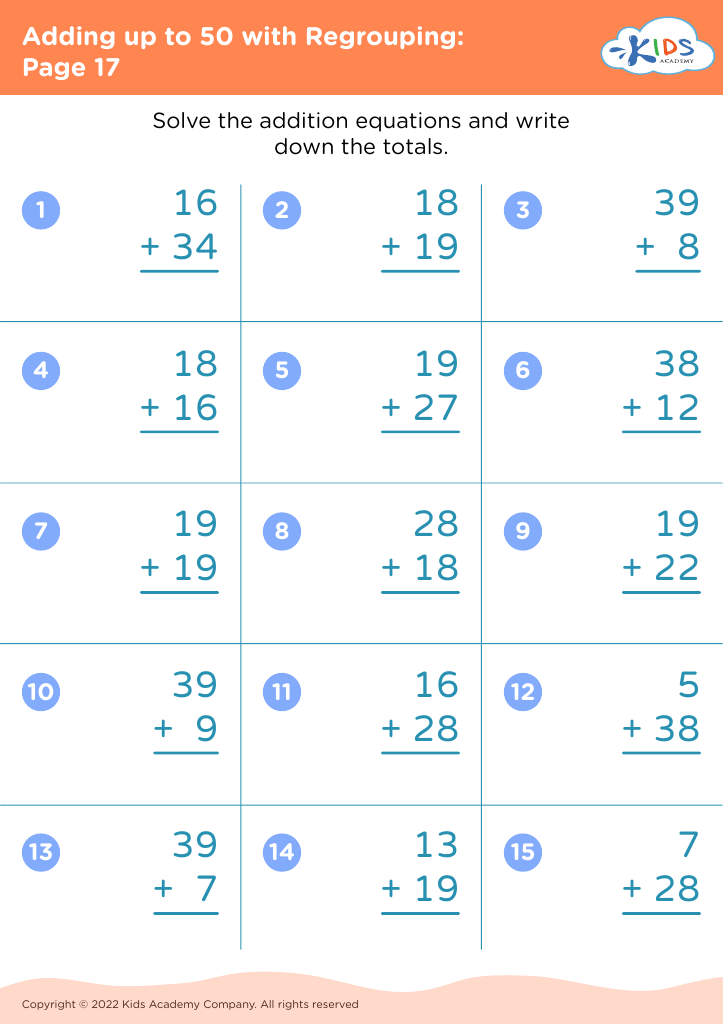
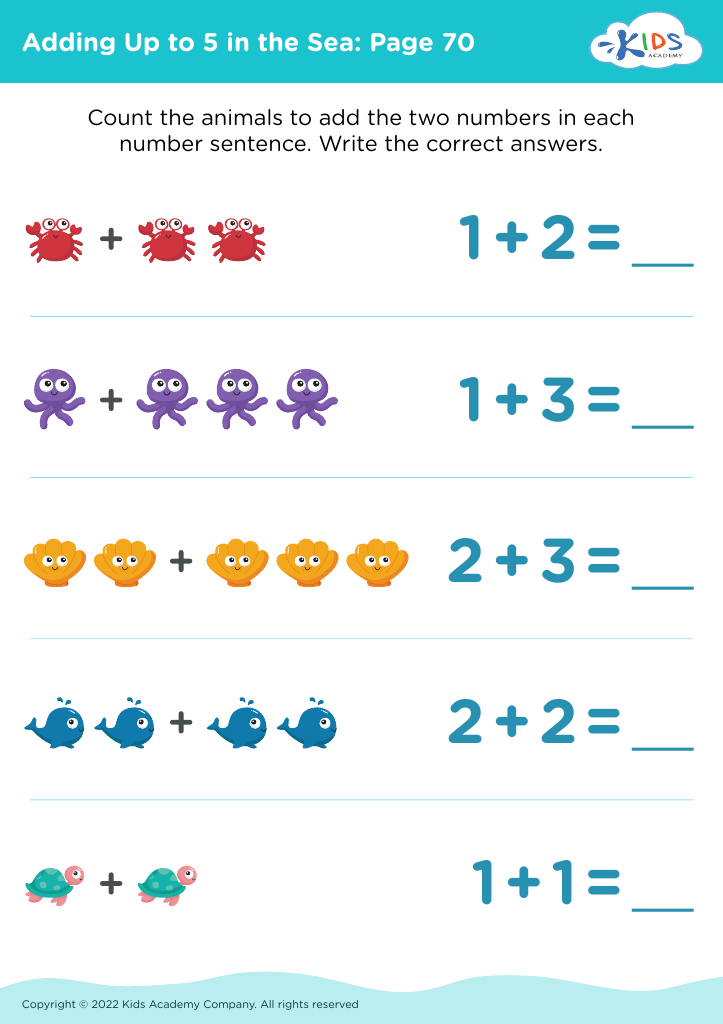
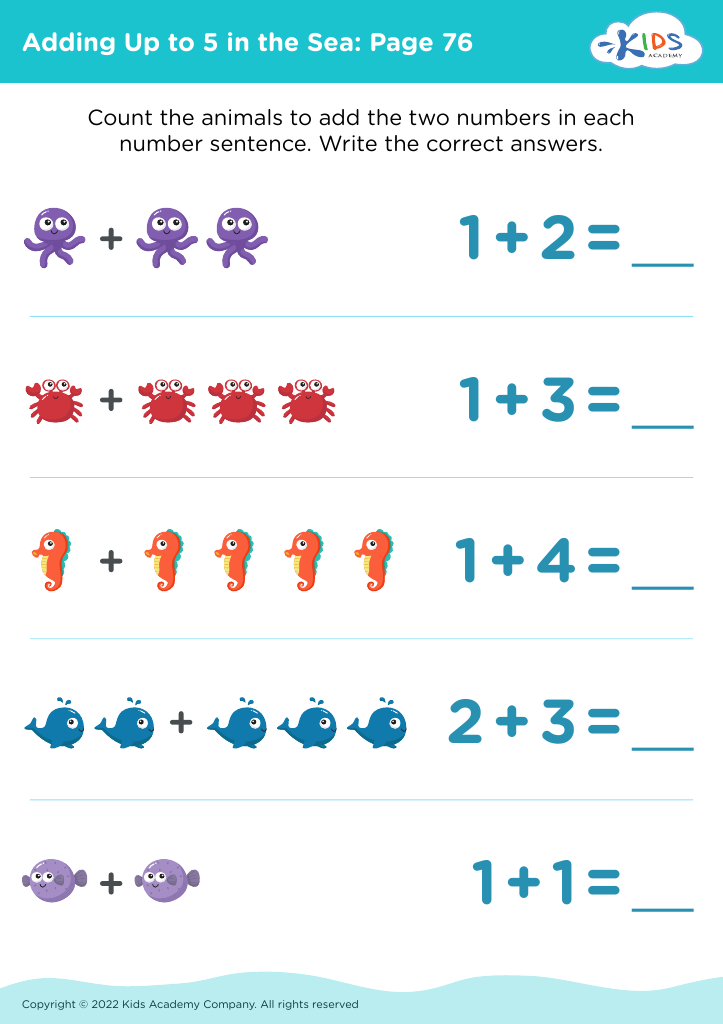
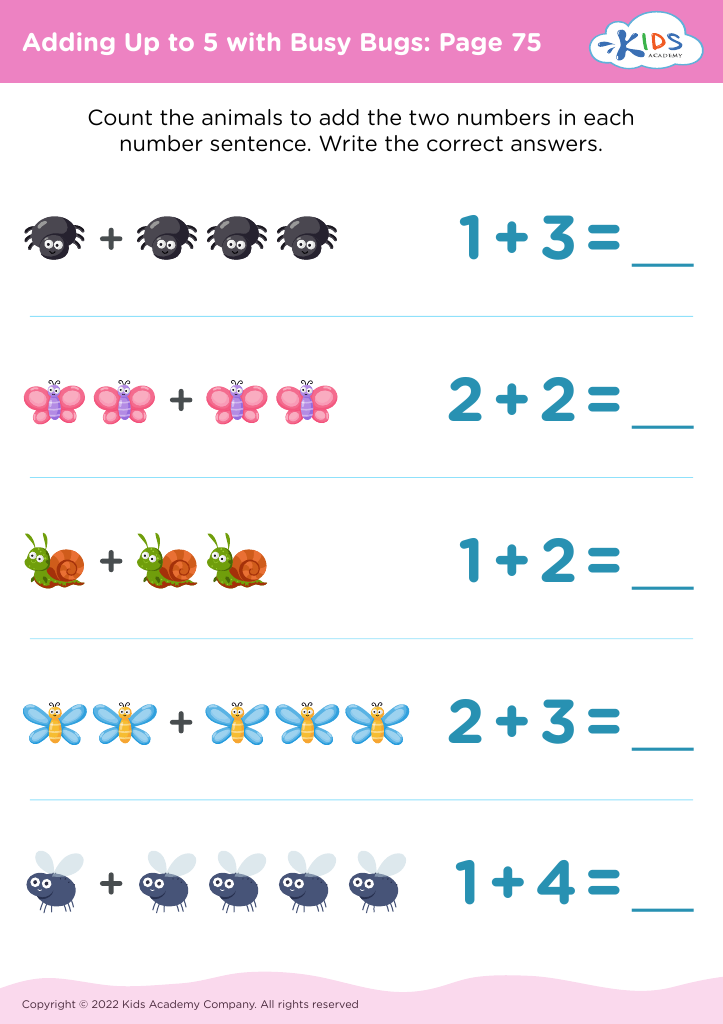
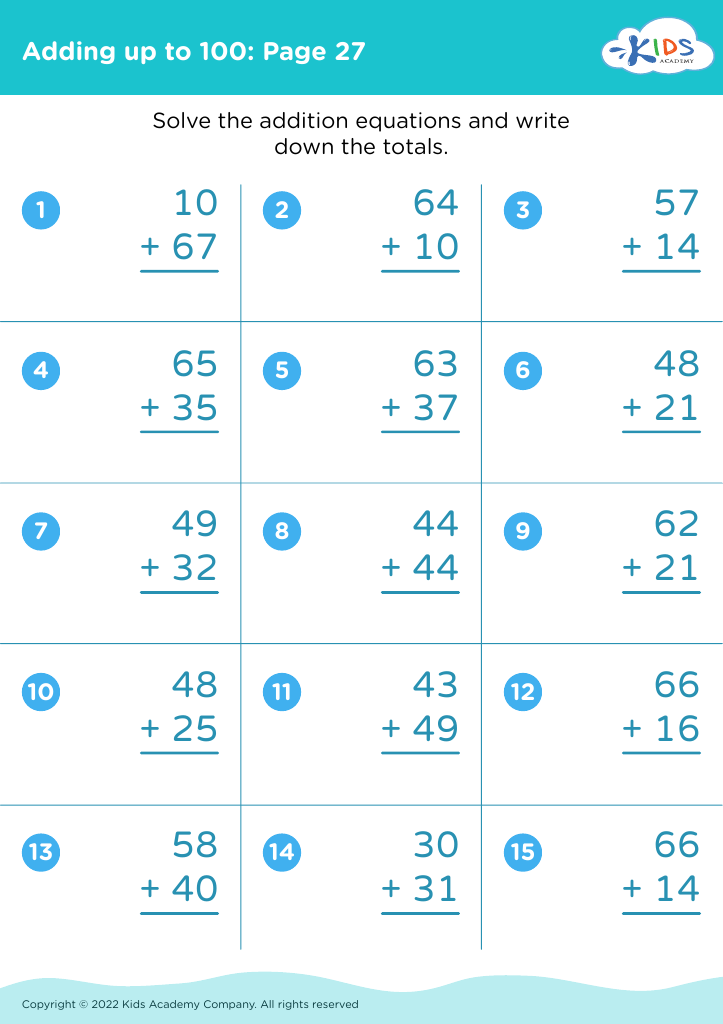
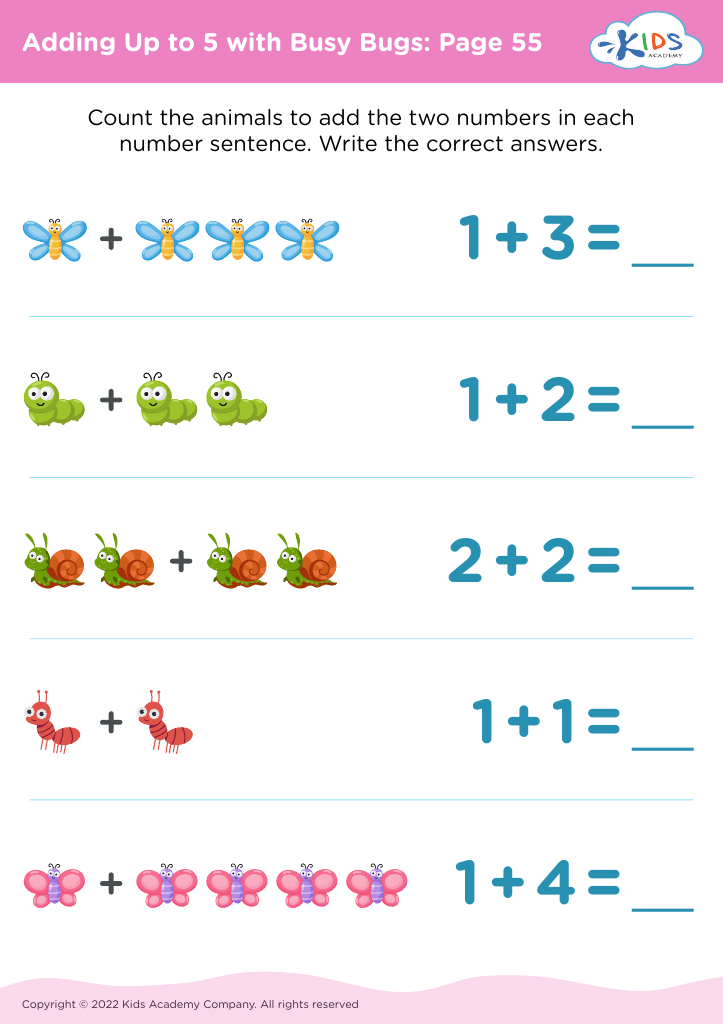








Understanding basic math is crucial for children aged 3-7 as it forms the foundation for their future learning and overall cognitive development. During these formative years, children are naturally curious and eager to explore the world around them. Early math concepts—such as counting, number recognition, shapes, and comparisons—help them make sense of their environment.
Parents and teachers should care about basic math understanding because it fosters critical thinking and problem-solving skills. Learning math early encourages logical reasoning and spatial awareness. Engaging with numbers and patterns lays the groundwork for advanced mathematical concepts they will encounter later in school.
Moreover, a solid grasp of basic math promotes confidence. When children succeed in understanding math at an early age, they are more likely to approach future math challenges with a positive attitude, reducing math anxiety. Additionally, math skills are applicable in everyday life, from managing money to measuring ingredients in cooking, which strengthens their practical understanding.
Finally, encouraging math skills during these early years also contributes to academic readiness. A strong mathematical foundation can set the tone for a lifelong love of learning, empowering children to succeed both inside and outside the classroom.








