
Cognitive Development Math Worksheets for Ages 3-7
182 filtered results
Difficulty Level
Grade
Age
-
From - To
Subject
Activity
Standards
Unlock your child's potential with our engaging Cognitive Development Math Worksheets designed for ages 3-7! These interactive resources help young learners enhance their problem-solving skills, boost critical thinking, and develop foundational math concepts. Featuring colorful illustrations and age-appropriate challenges, our worksheets guide children through essential skills like counting, pattern recognition, and shape identification. Perfect for at-home learning or classroom activities, these worksheets offer a fun way to support cognitive growth while fostering a love for math. Explore our diverse collection today and watch your little ones thrive as they embark on their mathematical journey!
Favorites
With answer key
Interactive
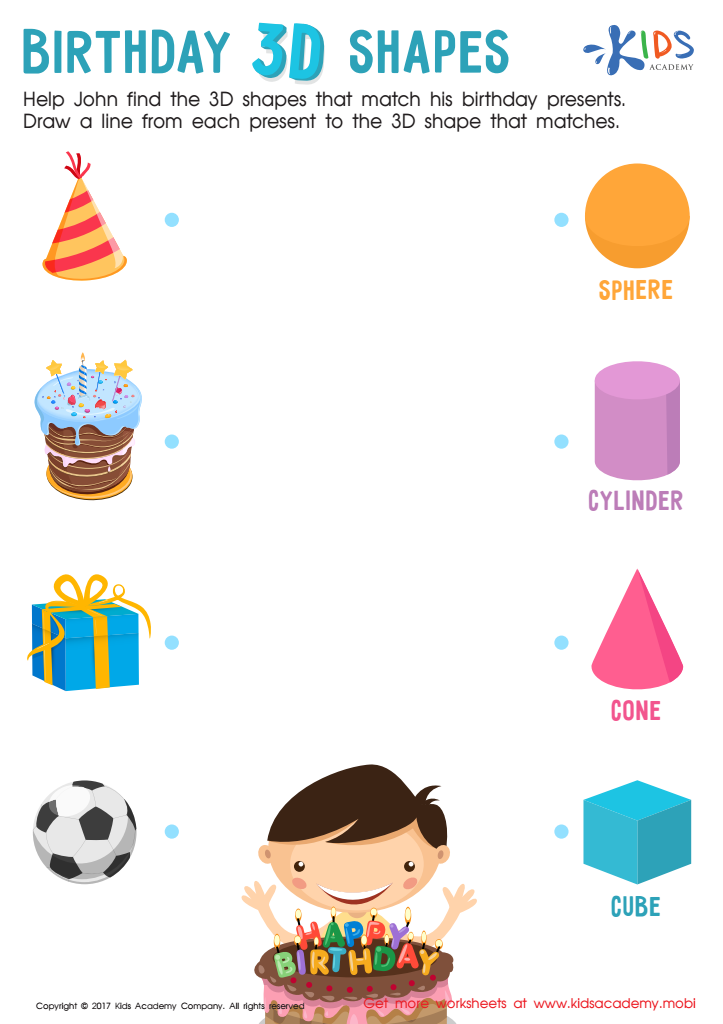
Birthday 3D Shapes Worksheet
It's John's birthday and he needs your help. Ask your kids to draw a line from each present to the matching 3D shape. First, check they understand the difference between 2D and 3D shapes. Then, they can help John figure out which 3D shape matches each present.
 Assign to My Students
Birthday 3D Shapes Worksheet
Worksheet
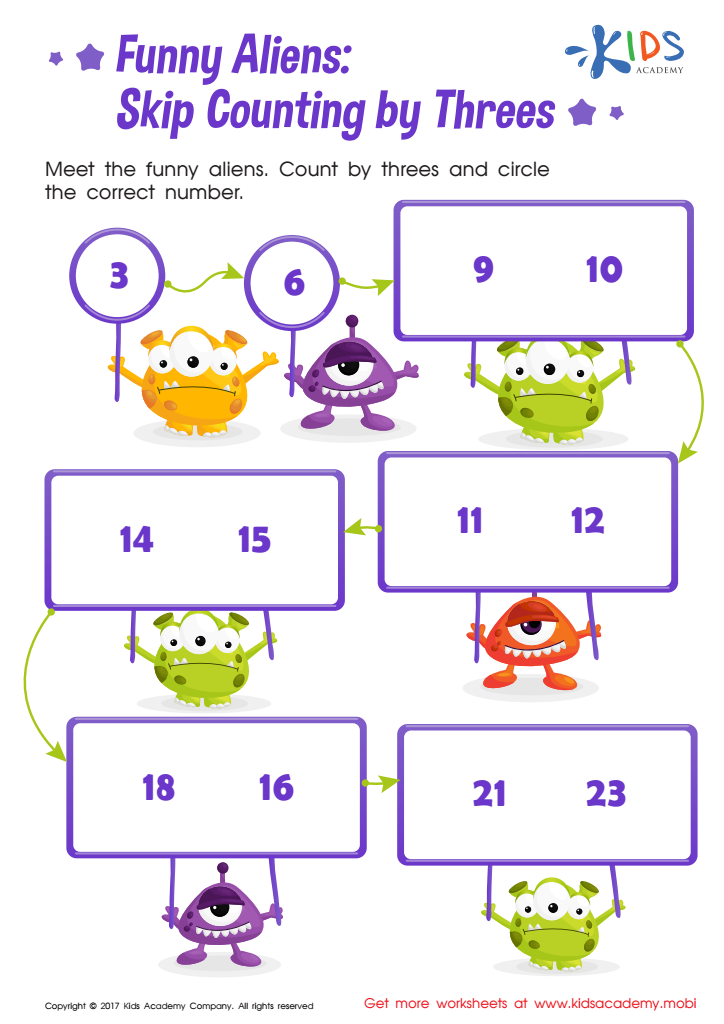
Skip Counting by 3s: Funny Aliens Printable
Blast off to outer space learning fun with this skip counting by 3 worksheet!
Skip Counting by 3s: Funny Aliens Printable
Worksheet
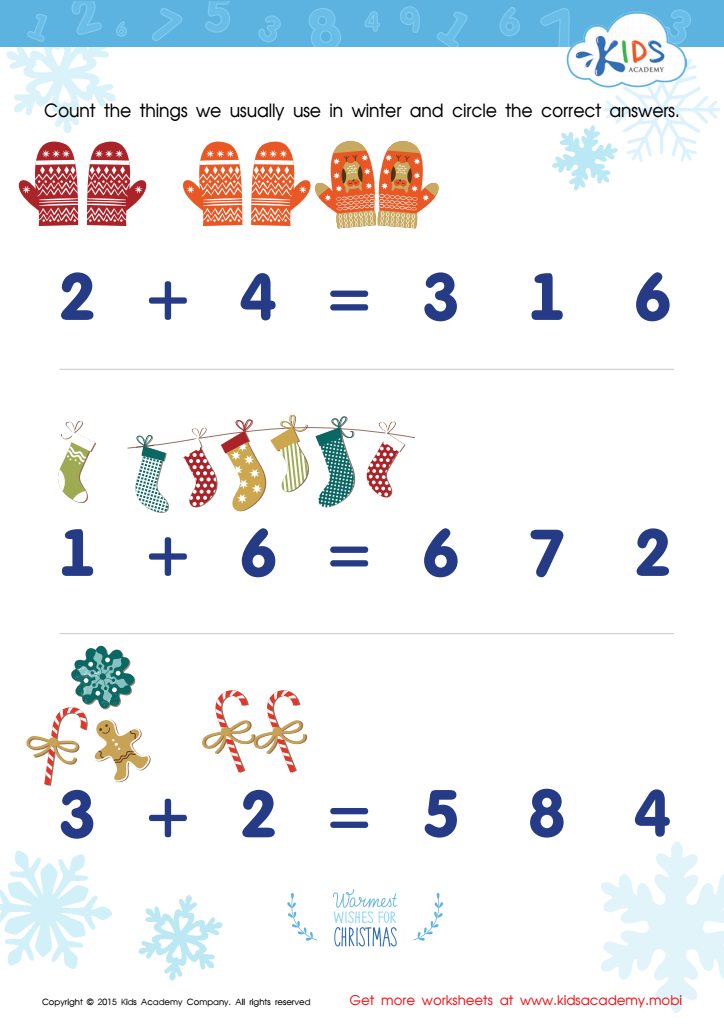
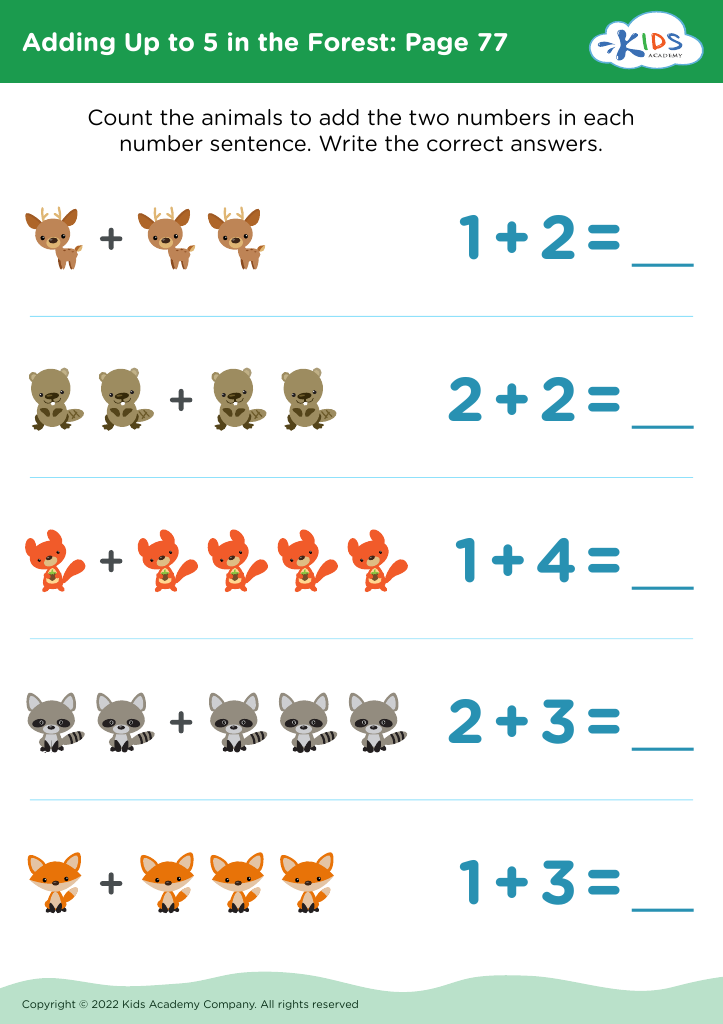
Count Winter Things Worksheet
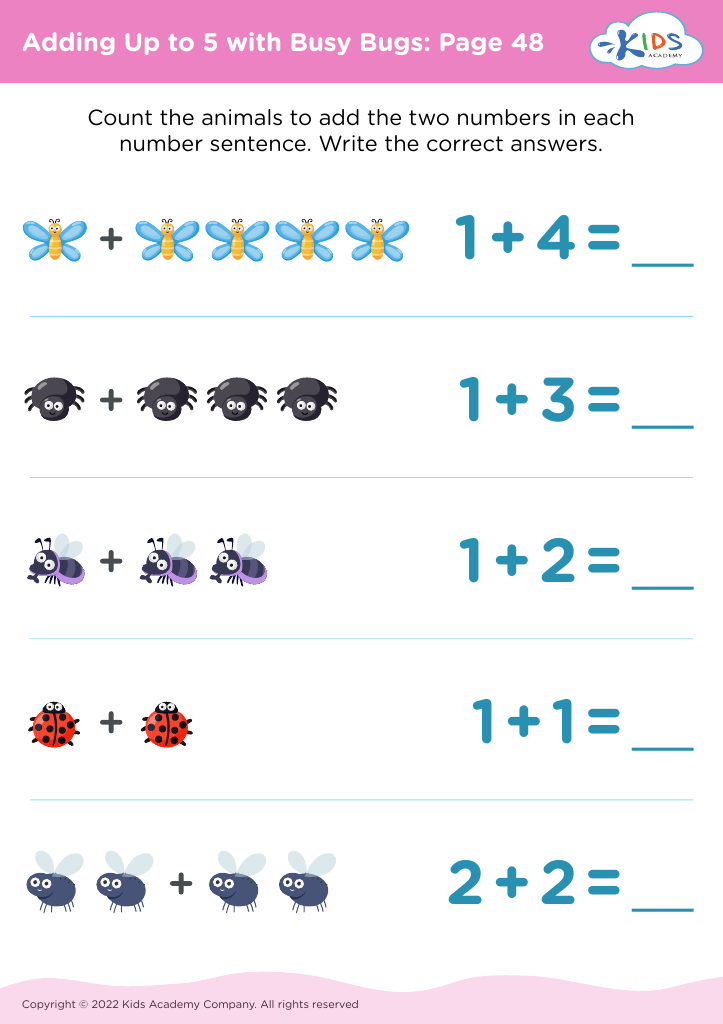
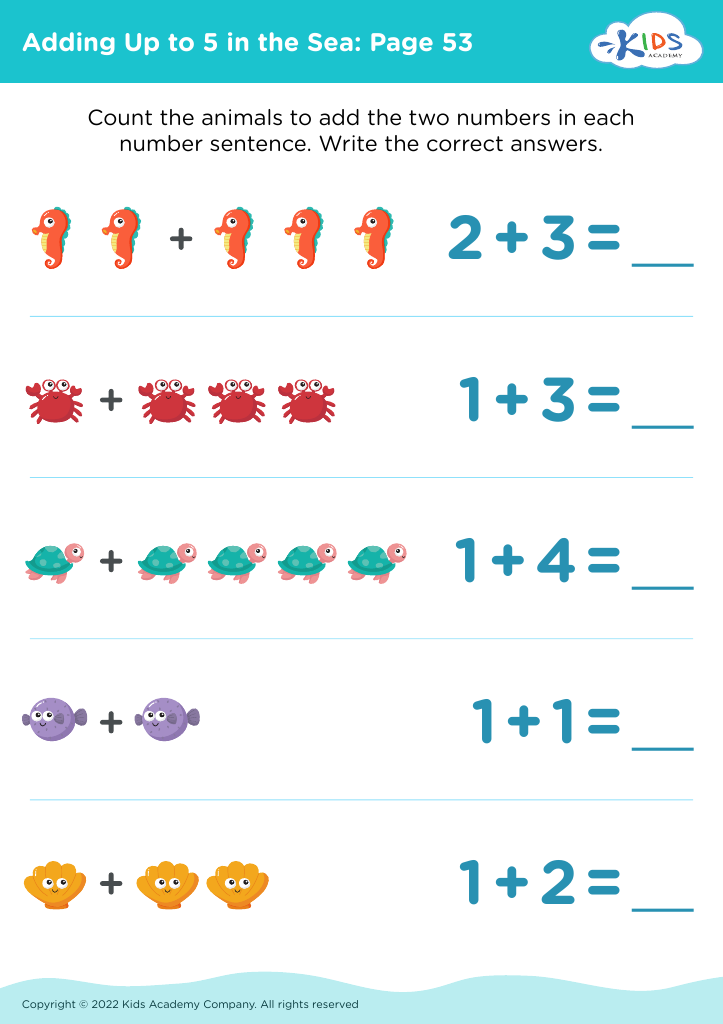
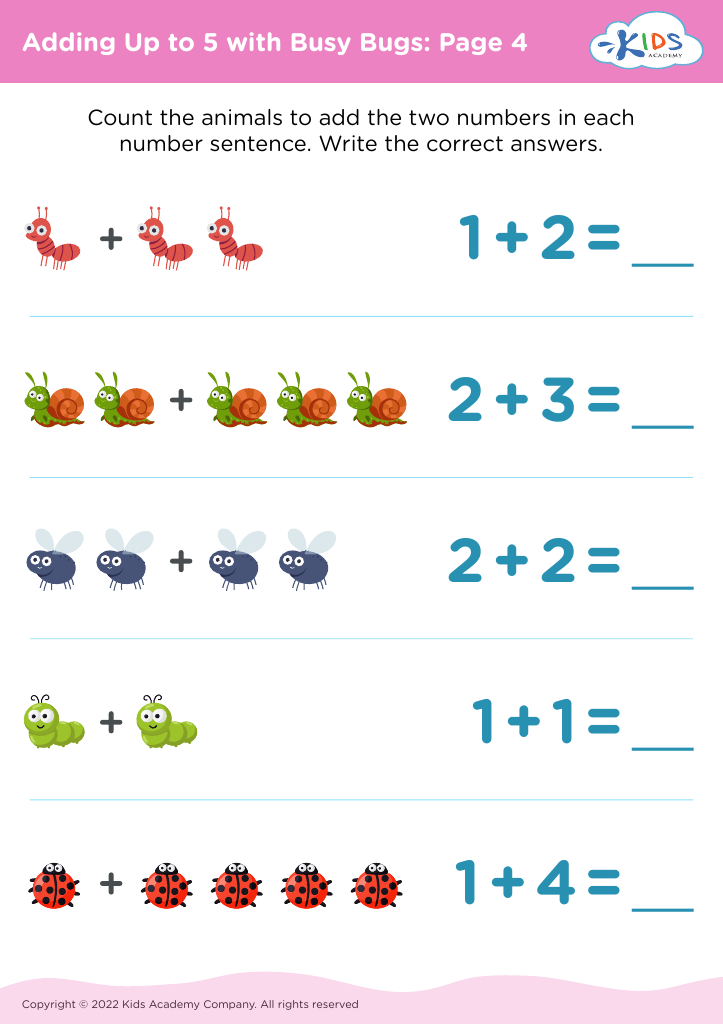
This chilly winter afternoon, help your kid warm up with Kids Academy's free math worksheet - full of bright pictures and addition practice. Let them count the things and write in the numbers for a great brain training and math head start. Get more free math worksheets here. (80 words)
Count Winter Things Worksheet
Worksheet
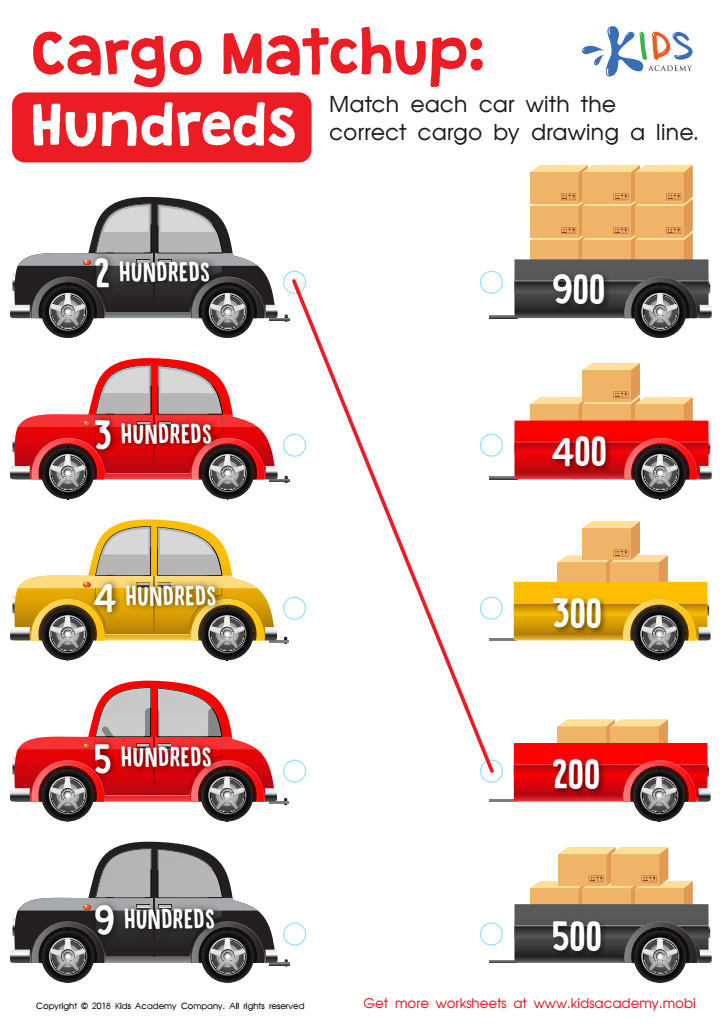
Cargo Matchup: Hundreds Worksheet
Introduce your child to counting in the hundreds using this simple worksheet. Match each car to its correct cargo by drawing a line. If they can count 1-100, they can learn to count in the hundreds! Help them master this skill with the worksheet and they'll be counting away in no time.
Cargo Matchup: Hundreds Worksheet
Worksheet
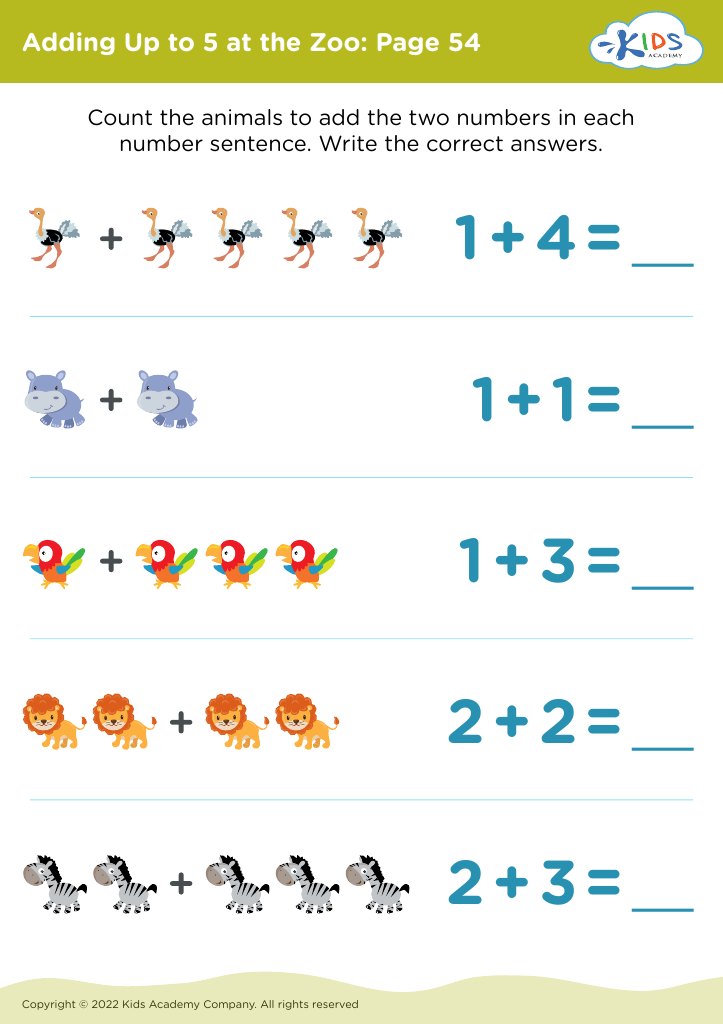
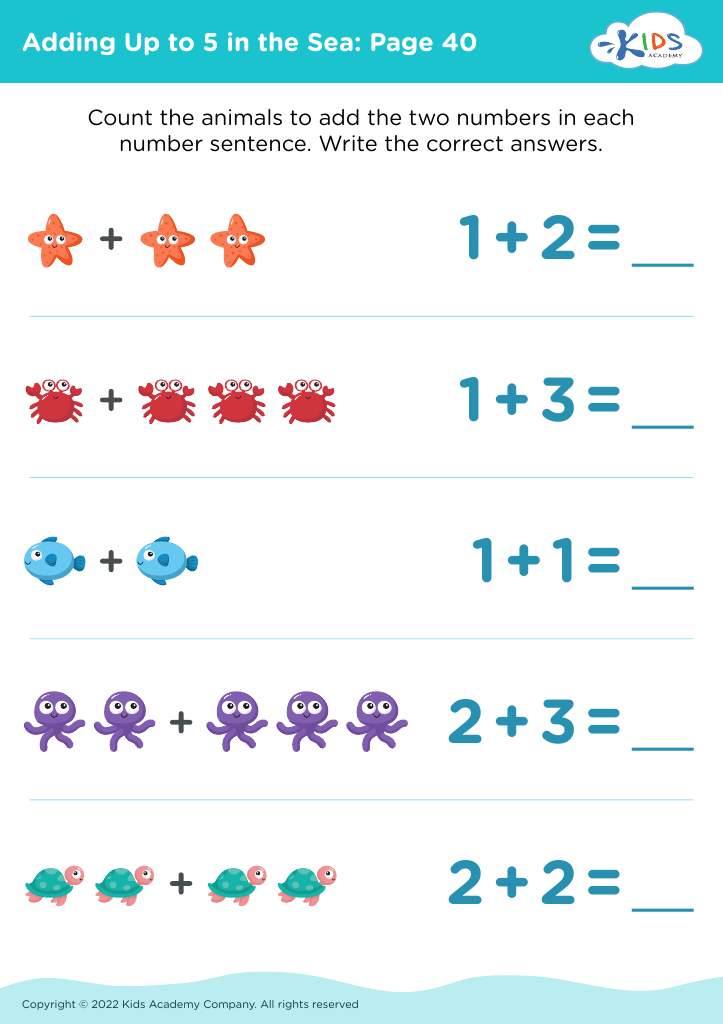
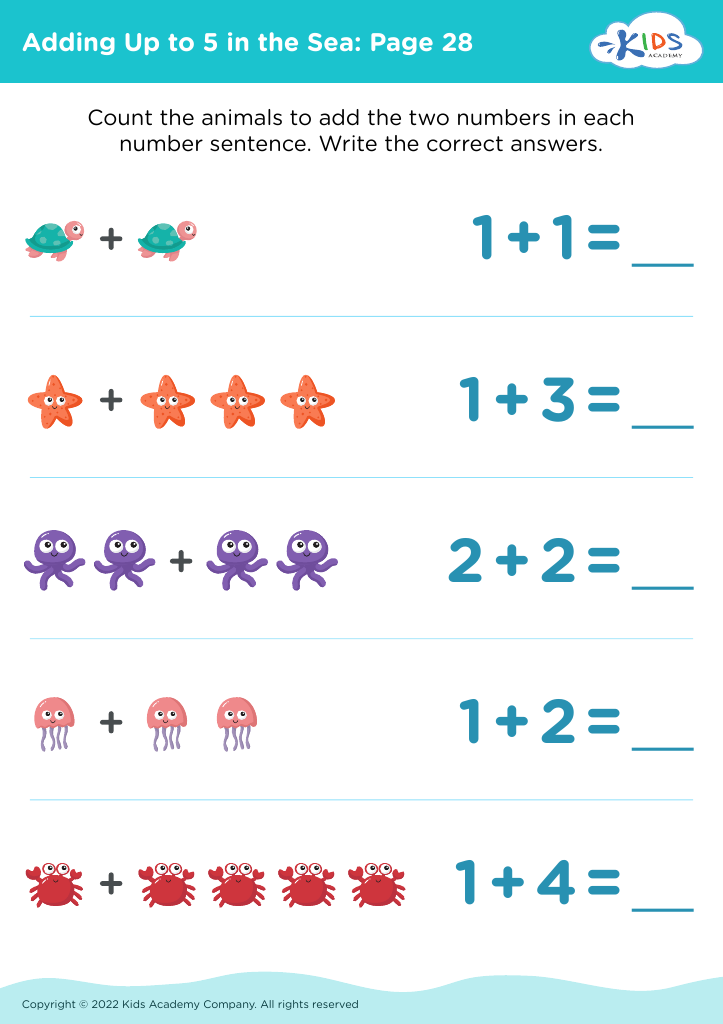
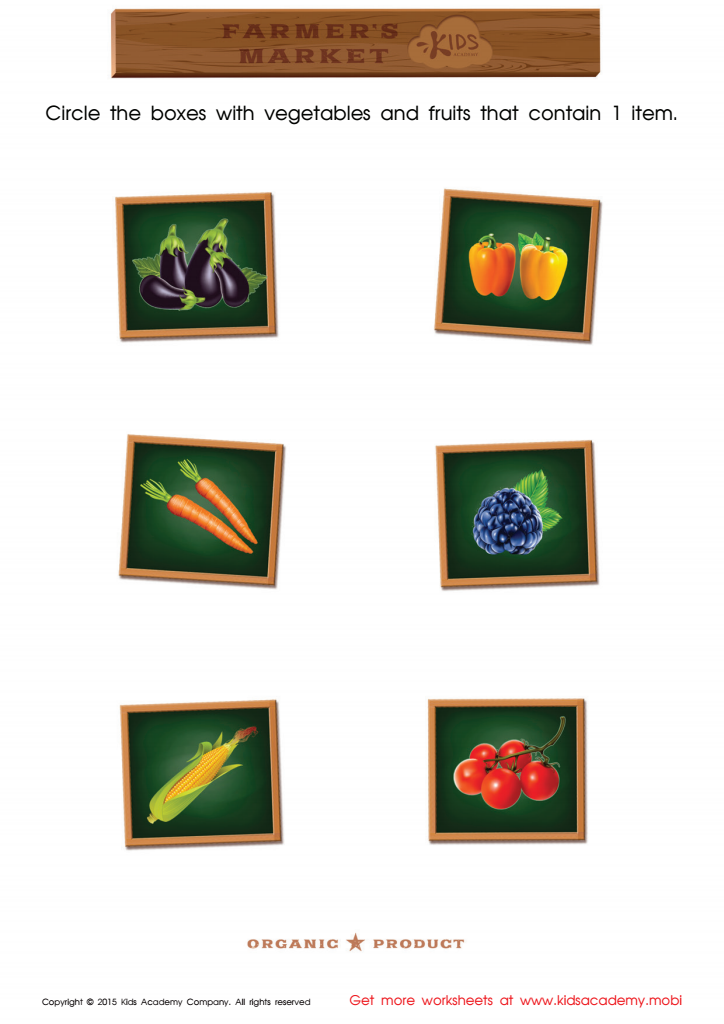
Count and Match Boxes with Vegetables
Print one and help your kid sharp his counting skills. With a variety of veggies to count, such as raspberries and eggplants, your little mathematician will have lots of fun.
Count and Match Boxes with Vegetables
Worksheet
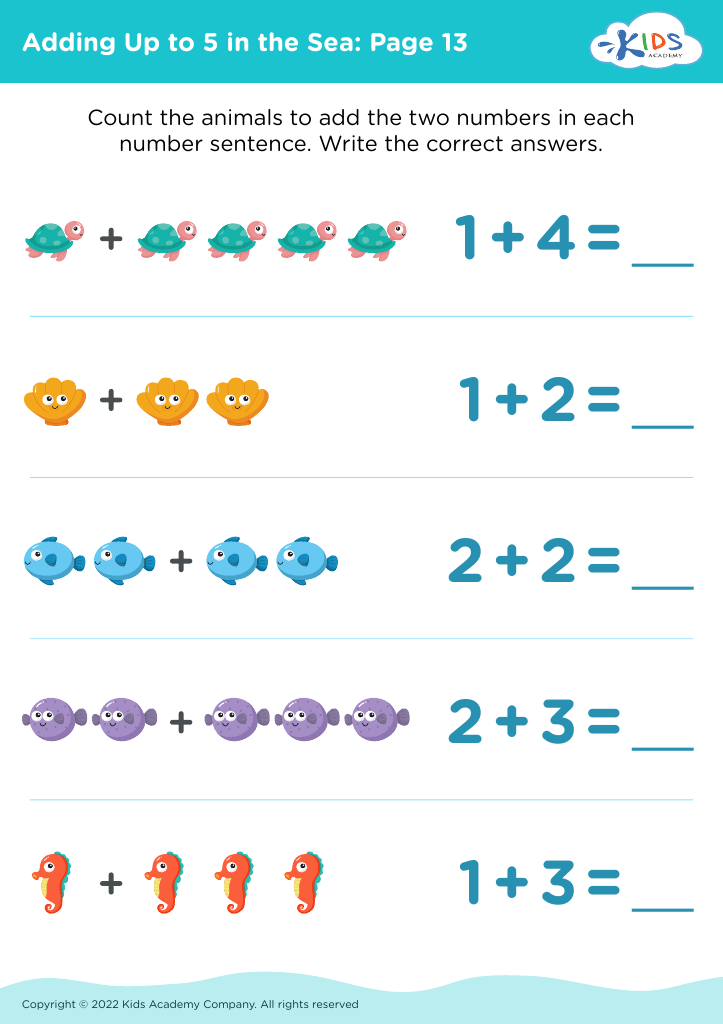
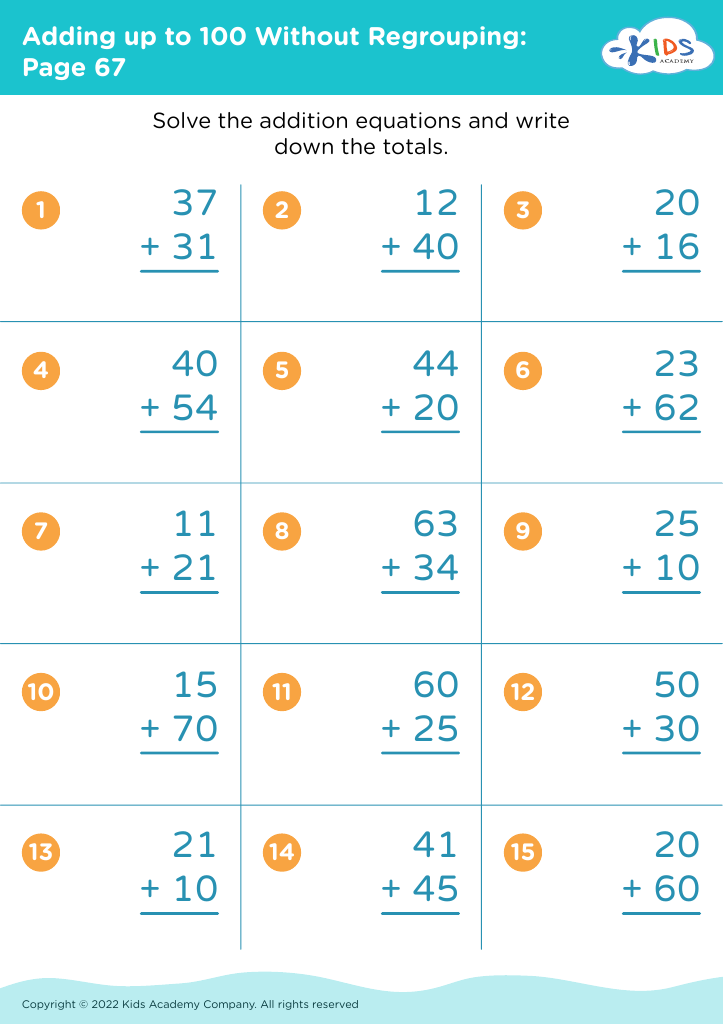
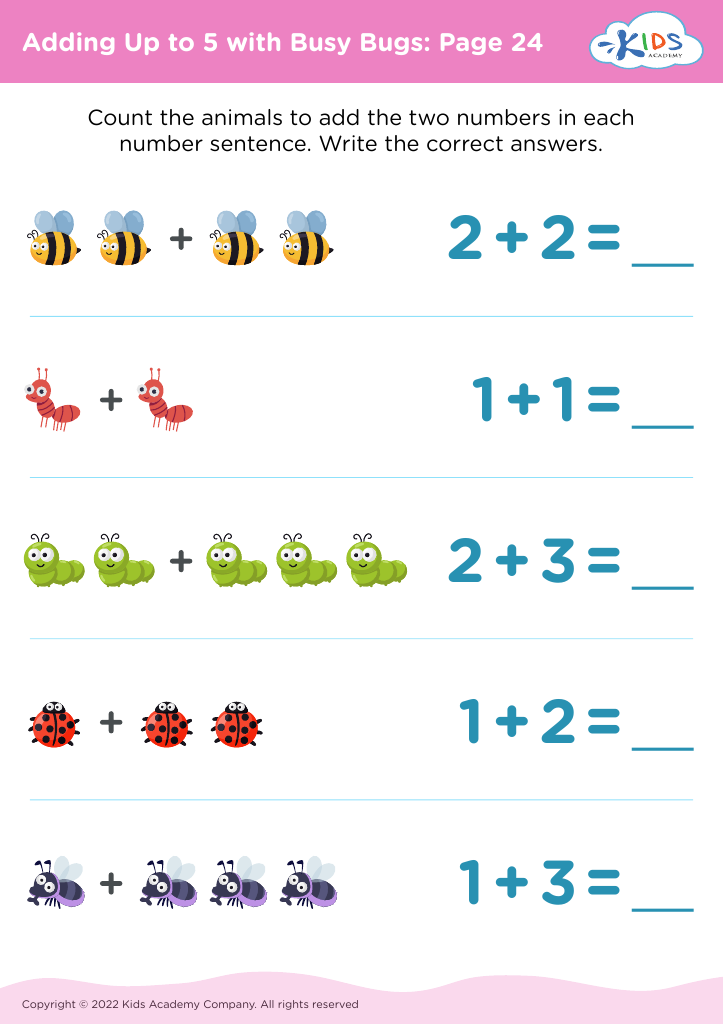
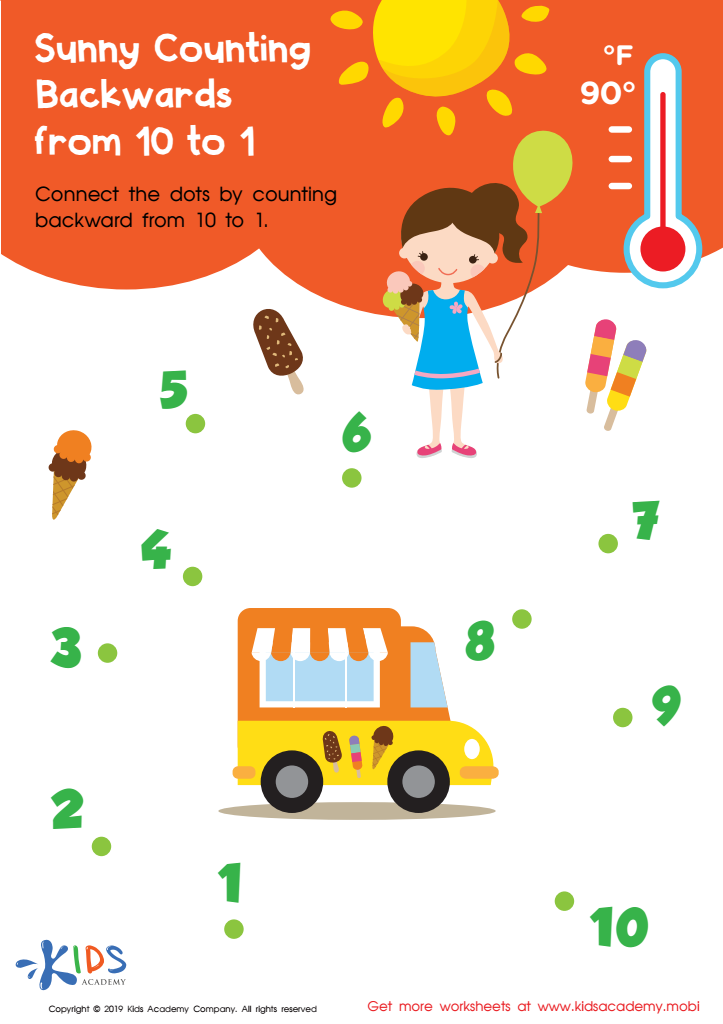
Sunny Counting Backwards from 10 to 1 Worksheet
Ask your kids what they like to do in summer heat. Look at the worksheet and ask them to identify the items in the picture. Count the numbers together then help them with connecting the dots from 10 to 1. It's a fun activity for the little girl, just like your kids.
Sunny Counting Backwards from 10 to 1 Worksheet
Worksheet
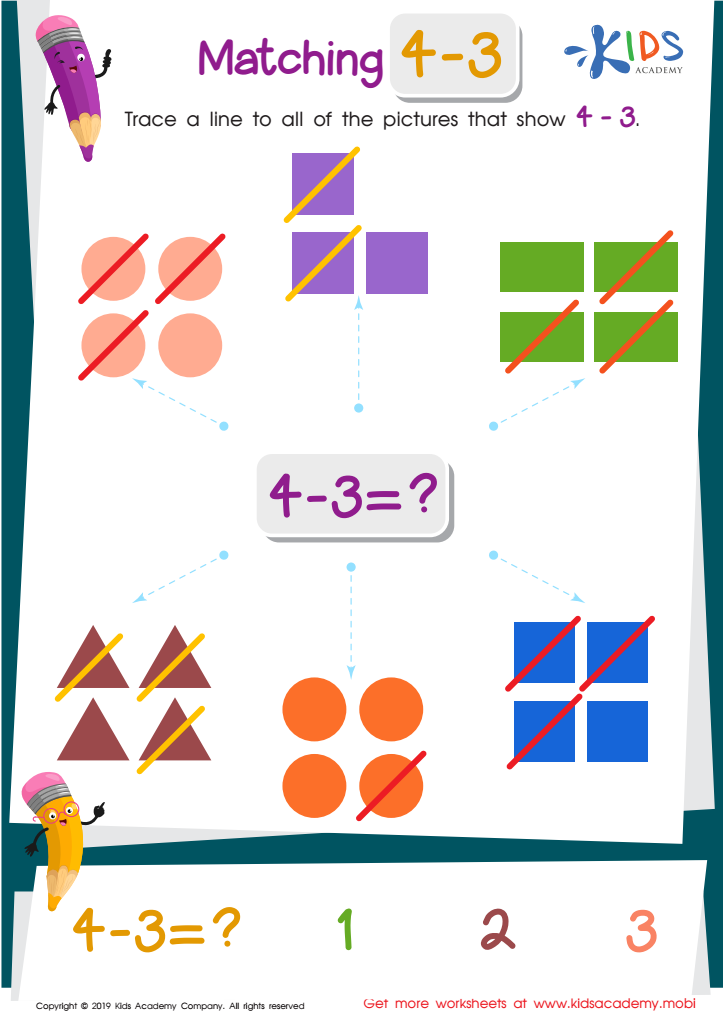
Matching 4 – 3 Worksheet
Help your kids master basic math concepts like addition and subtraction with fun exercises. Test their understanding with simple problems. For example, in this worksheet, ask them to count the objects in each picture and draw a line to the pictures that show 4 - 3 = 1. This will help them get better at solving equations.
Matching 4 – 3 Worksheet
Worksheet
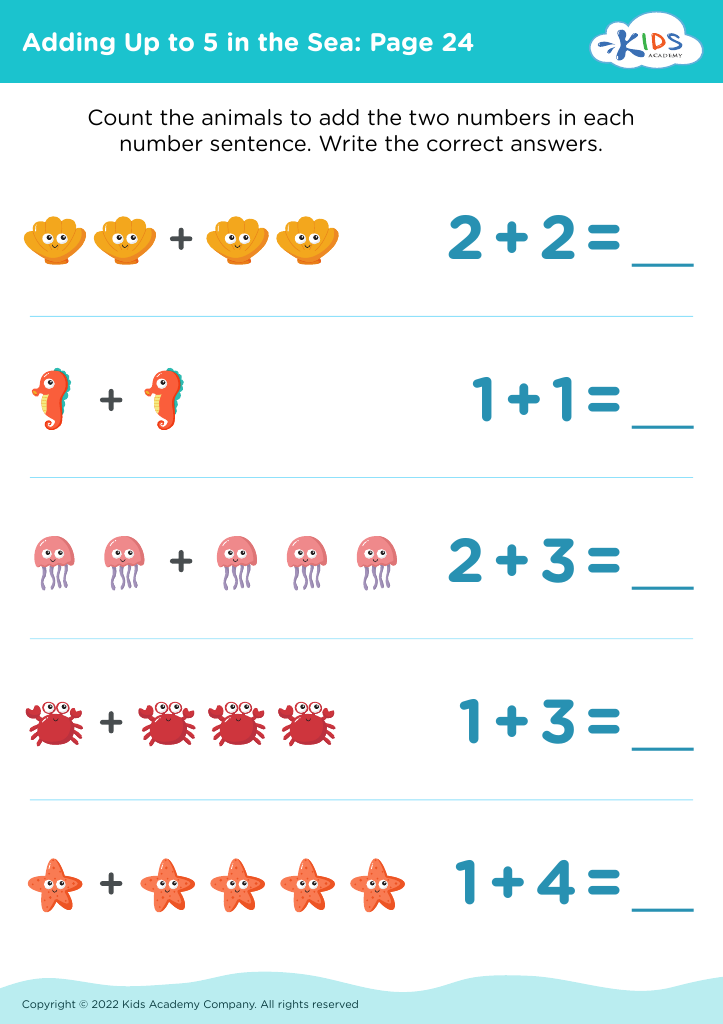
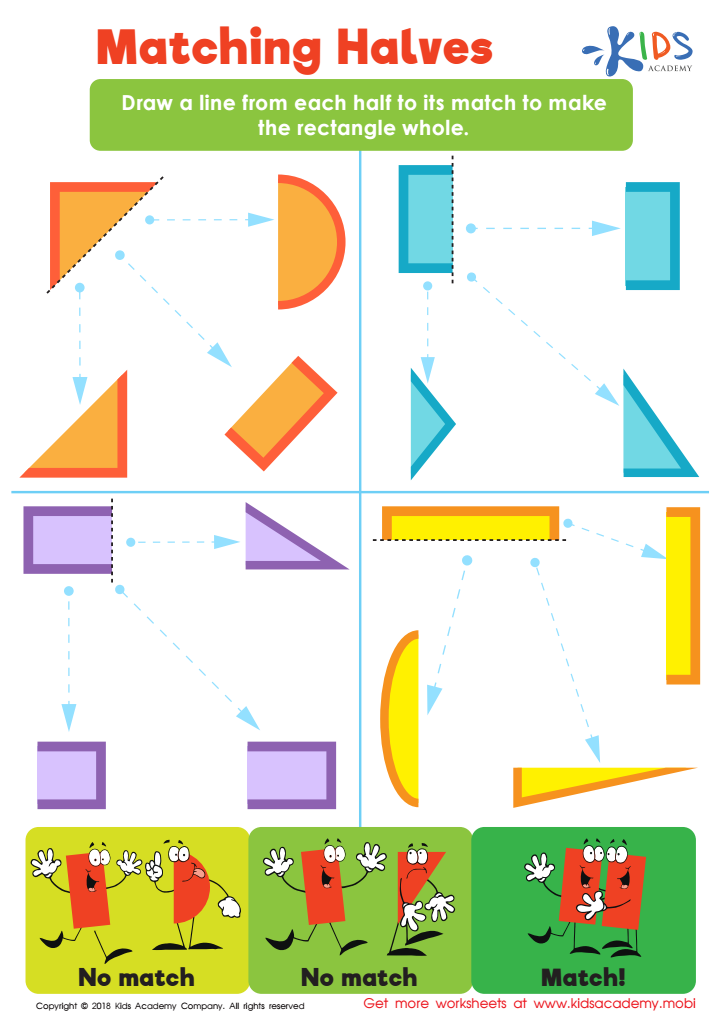
Matching Halves Worksheet
See how your child fares in matching two halves to form a complete rectangle. Provide them with four options, and ask them to draw a line connecting the two correct halves. Put their shape knowledge to the test with this simple worksheet!
Matching Halves Worksheet
Worksheet
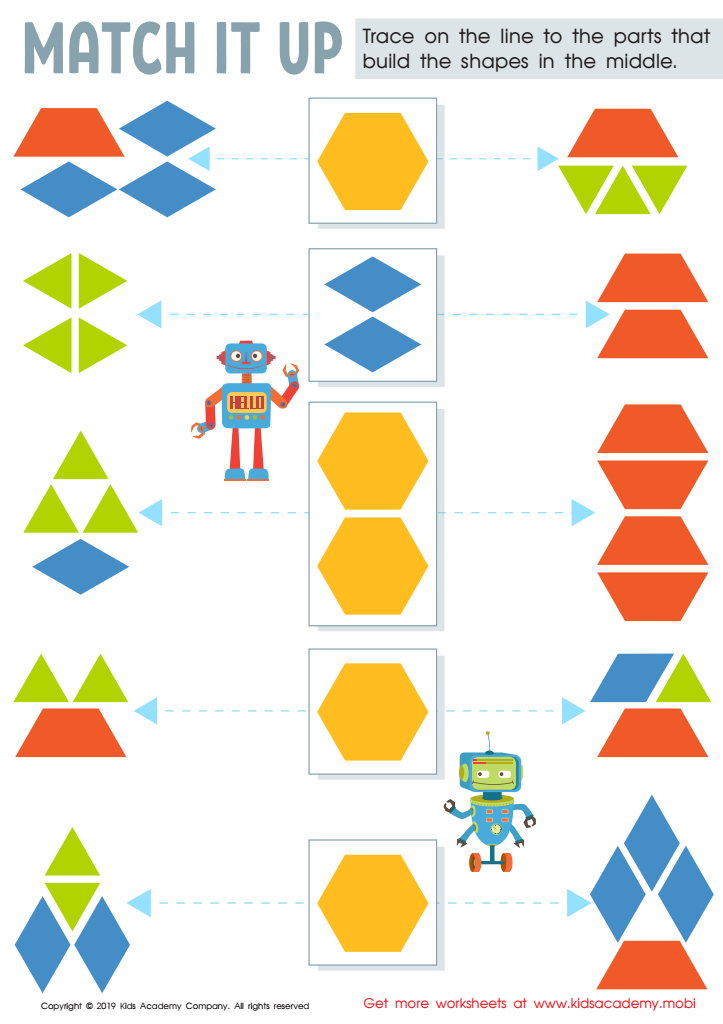
Match It up Worksheet
If your kids are into robots, they'll be thrilled to work on this worksheet. Ask them to name shapes they know, and help them draw and identify these shapes. Look at the shapes in the middle, and the sides. Finally, help your kids trace the lines to build the shapes in the middle.
Match It up Worksheet
Worksheet
Join Kids Academy for Free
Who is primarily going to use this learning content?







Cognitive development in math for children ages 3-7 is crucial, as it lays the foundation for future academic success and critical life skills. During these formative years, children begin to grasp essential mathematical concepts such as counting, recognizing shapes, and understanding measurements, which are vital for problem-solving and analytical thinking. Engaging children in mathematical activities supports their cognitive growth, enhancing their ability to think logically and make connections between different concepts.
Parents and teachers play a pivotal role in facilitating this development. Encouraging playful math activities through games, storytelling, or everyday situations makes learning enjoyable and helps children internalize mathematical concepts. This not only builds numeracy skills, but also boosts self-confidence and curiosity about learning.
Moreover, early exposure to math correlates with stronger academic performance in later years. When parents and teachers prioritize cognitive math development, they nurture a generation of critical thinkers and problem solvers who are equipped to tackle challenges both in school and everyday life. By actively engaging in their children's mathematical education, parents and teachers can inspire a lifelong love of learning and ensure that children are well-prepared for future mathematical challenges.








