Color differentiation Math Worksheets for Ages 3-7
5 filtered results
-
From - To
Discover the exciting world of color differentiation with our Math Worksheets designed for children ages 3-7! These engaging and interactive activities help young learners develop essential math skills while enhancing their understanding of colors. Through fun exercises, children will identify, compare, and differentiate colors, boosting their visual discrimination and cognitive abilities. Perfect for preschool and early elementary classrooms or at home, our worksheets combine play and education, making learning enjoyable. Encourage creativity as children explore color concepts alongside foundational math skills, fostering a positive learning experience. Browse our collection to find the perfect worksheets that will brighten up your child’s educational journey!
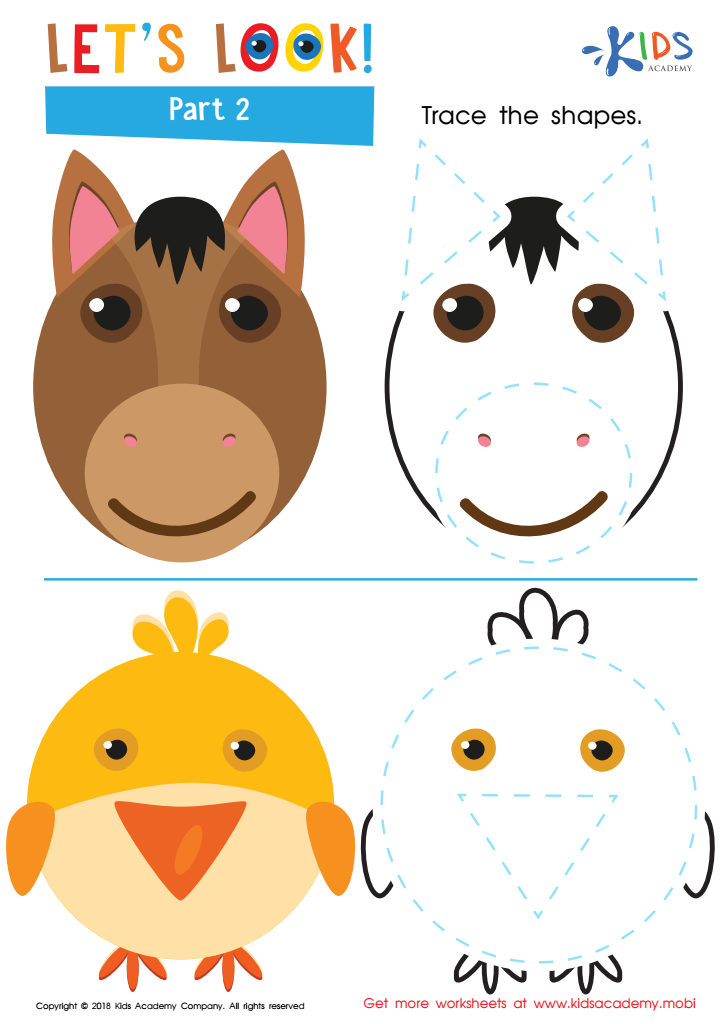
Let's Look! Part 2 Worksheet
 Assign to My Students
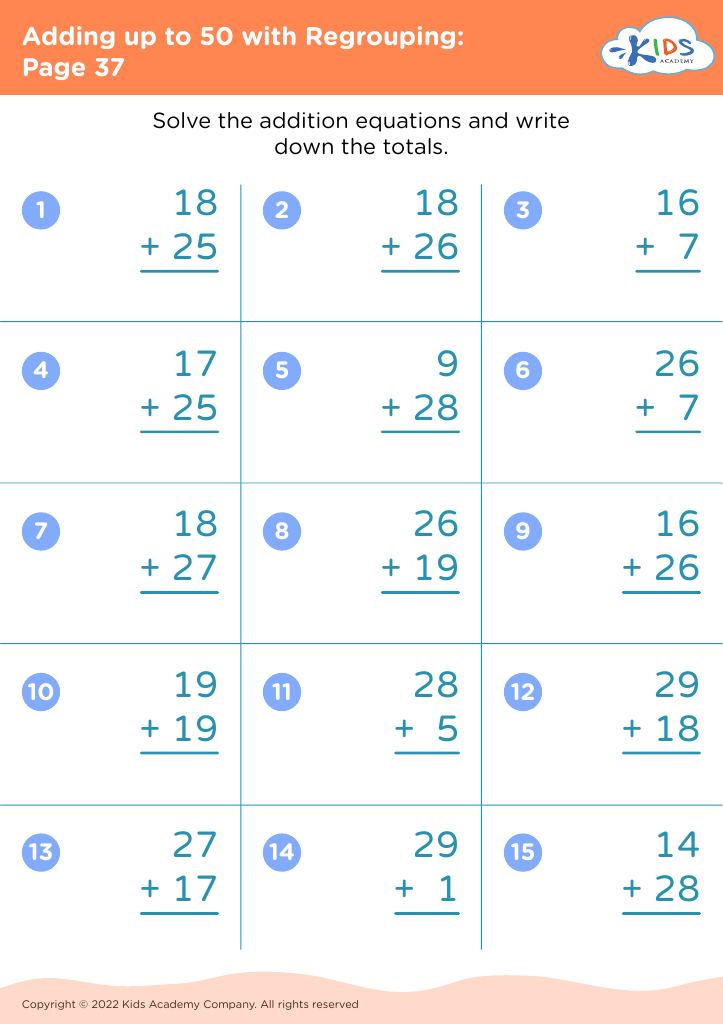
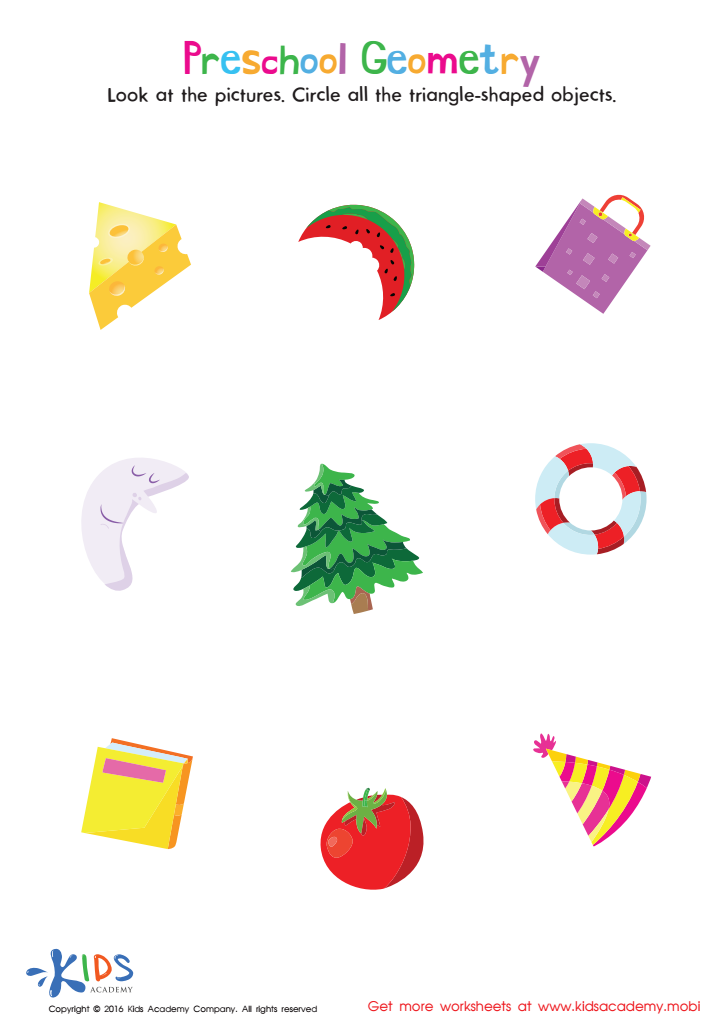
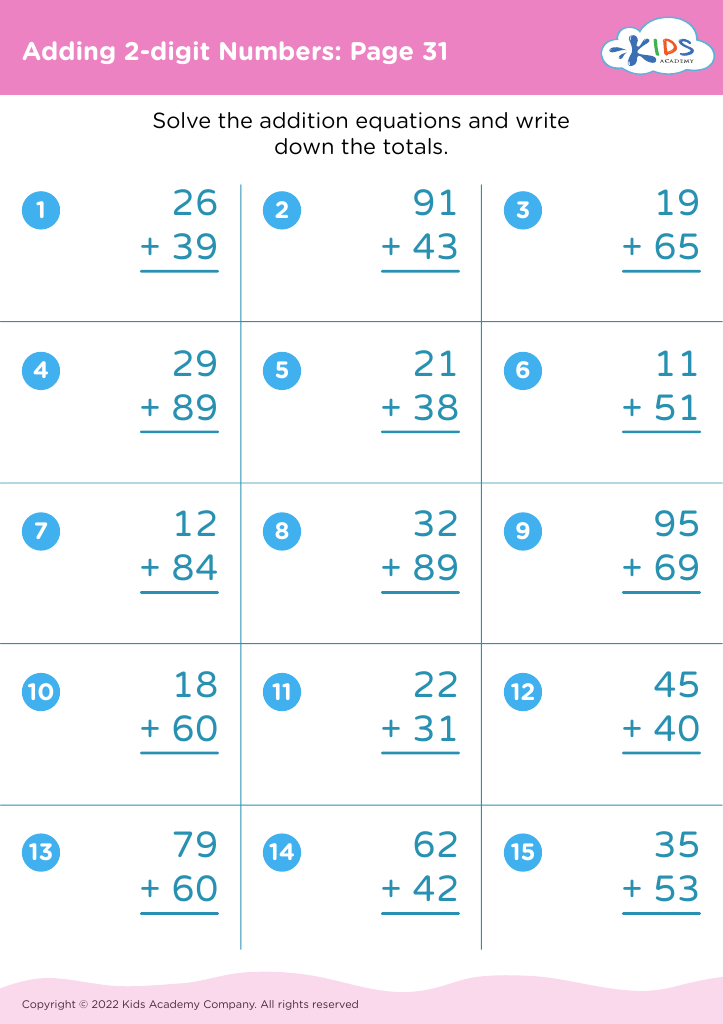
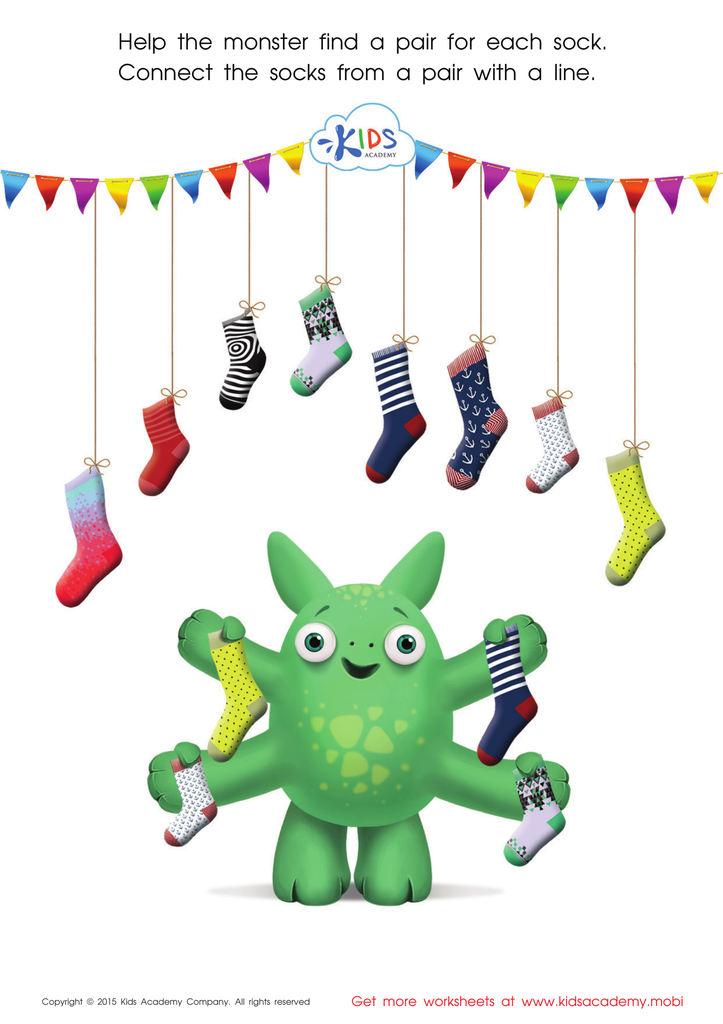
Math Matching Pairs Game: Monsterв's Socks Worksheet







.jpg)
Color differentiation in math for ages 3-7 is crucial for young children as it fosters both cognitive and emotional development. At this early age, children are not just learning numbers but also how to recognize, categorize, and differentiate between various elements, including colors. Introducing color in mathematical activities enhances engagement and allows children to grasp complex concepts more easily.
When children associate colors with numbers or shapes, it creates visual cues that aid memory and comprehension. For example, using specific colors for certain sets of objects can help them learn counting, addition, and other foundational skills in a fun and interactive manner. This multi-sensory approach taps into their natural instincts for exploration and play.
Moreover, color differentiation enhances language development. As children describe and categorize objects by color, they expand their vocabulary and communication skills. It also promotes problem-solving strategies as they learn to classify and sort based on visual attributes.
Finally, working with colors can boost children's confidence in math, making it less intimidating and more enjoyable. By incorporating color differentiation in math activities, parents and teachers can support overall learning, creativity, and critical thinking skills for children, setting a strong foundation for future academic success.








