Color Identification Math Worksheets for Ages 3-7 - Page 2
45 filtered results
-
From - To
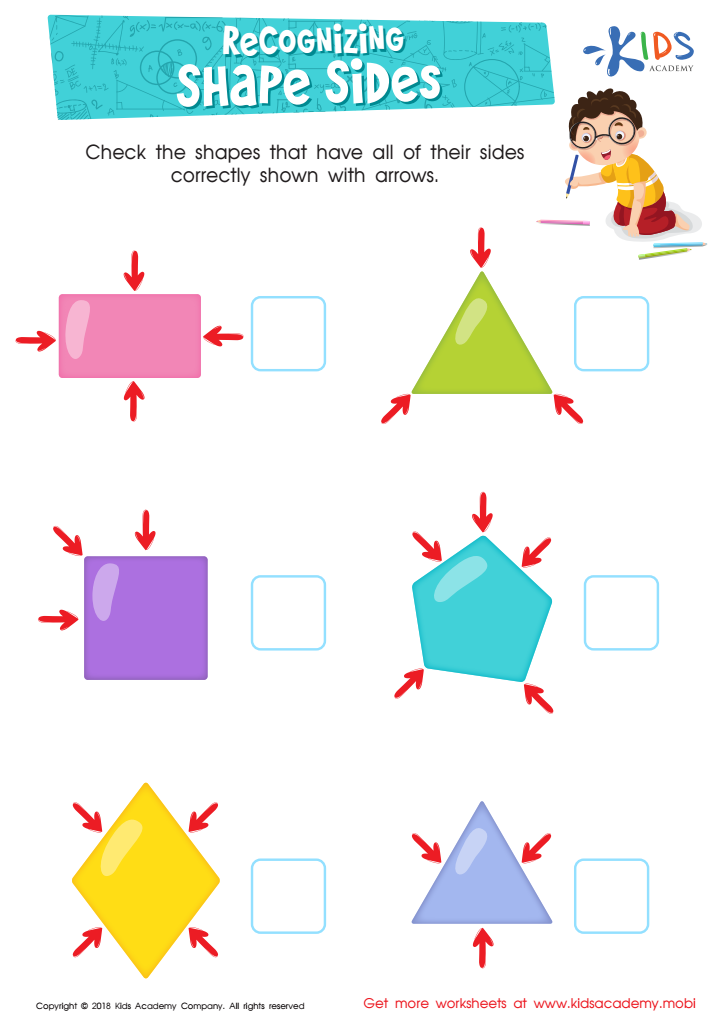
Recognizing Shape Sides Worksheet
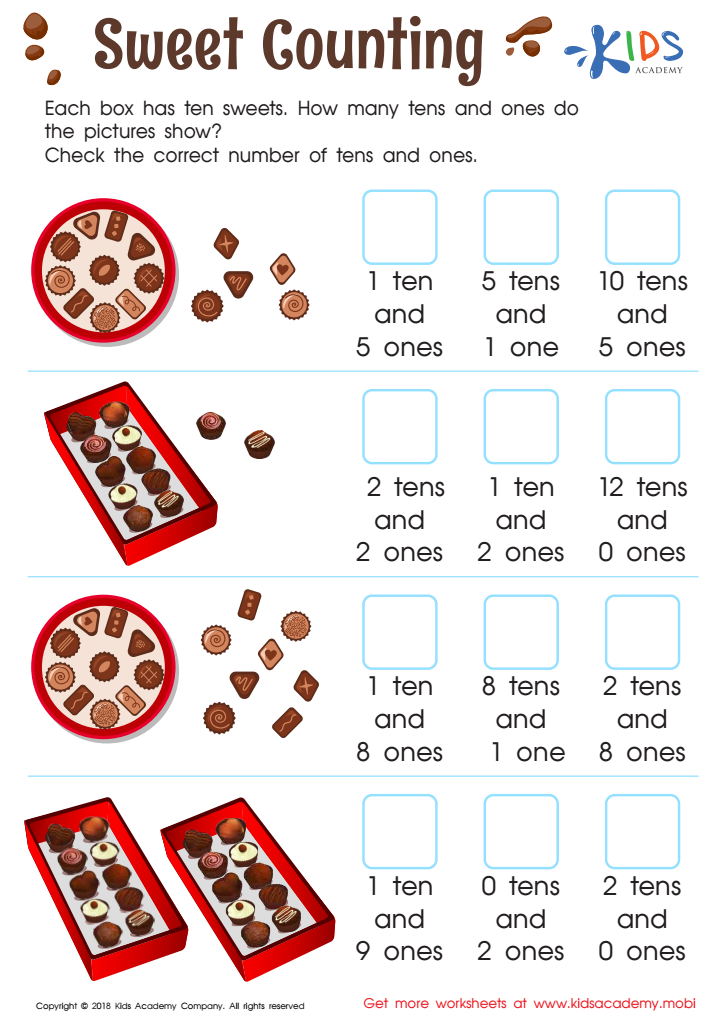
Sweet Counting - Part 2 Worksheet
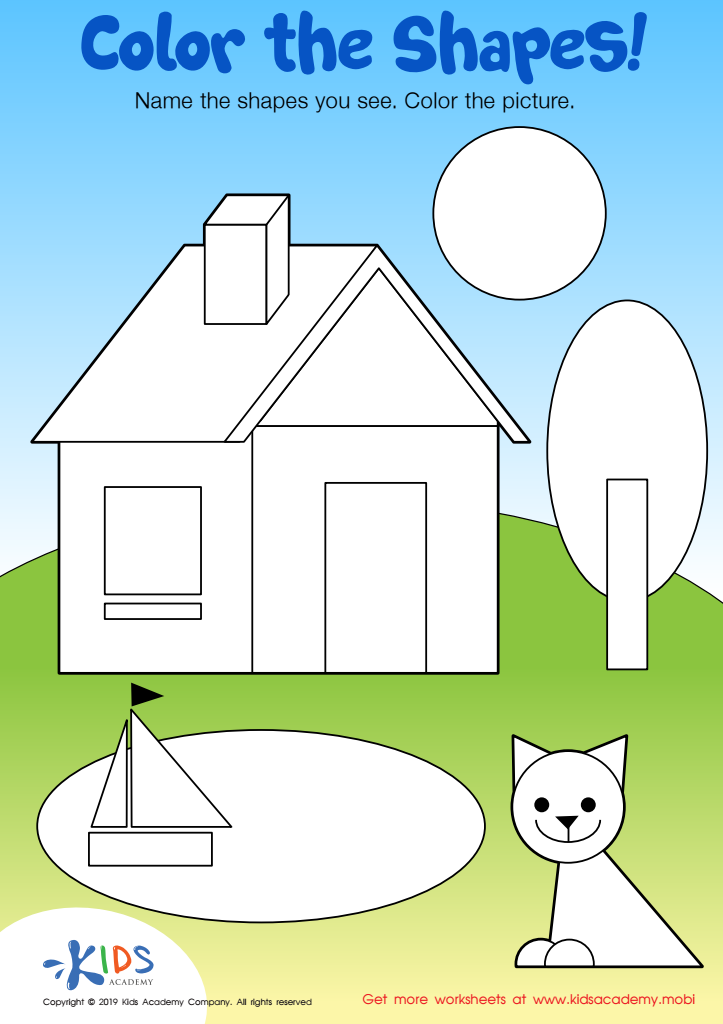
Color the Shapes Worksheet
 Assign to My Students
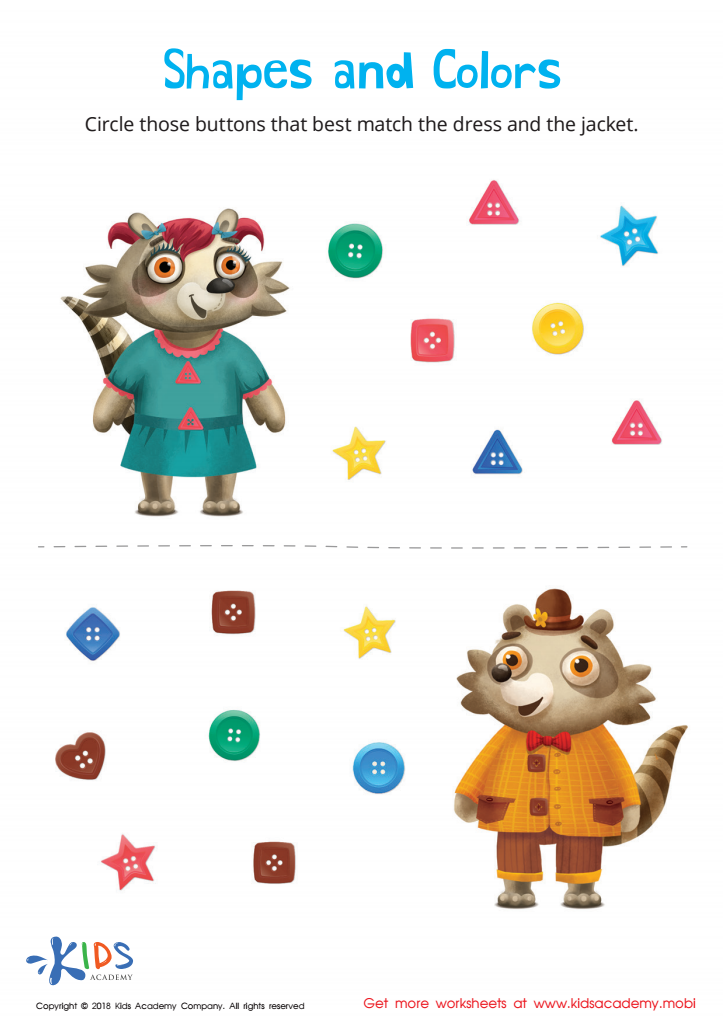
Shapes and Colors Worksheet
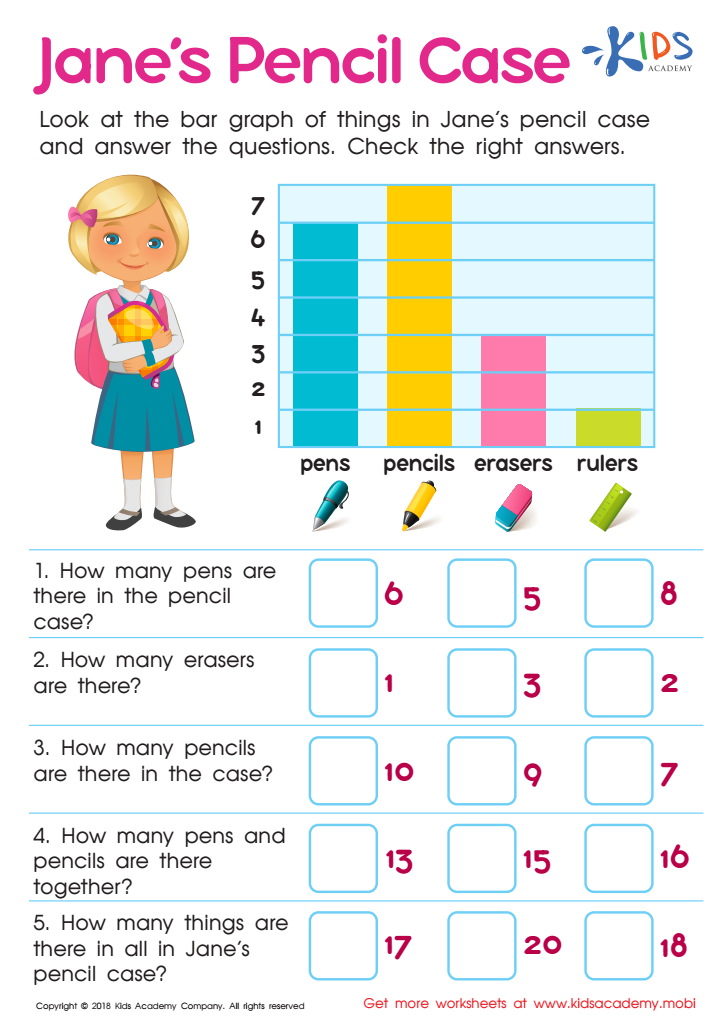
Jane's Pencil Case Worksheet
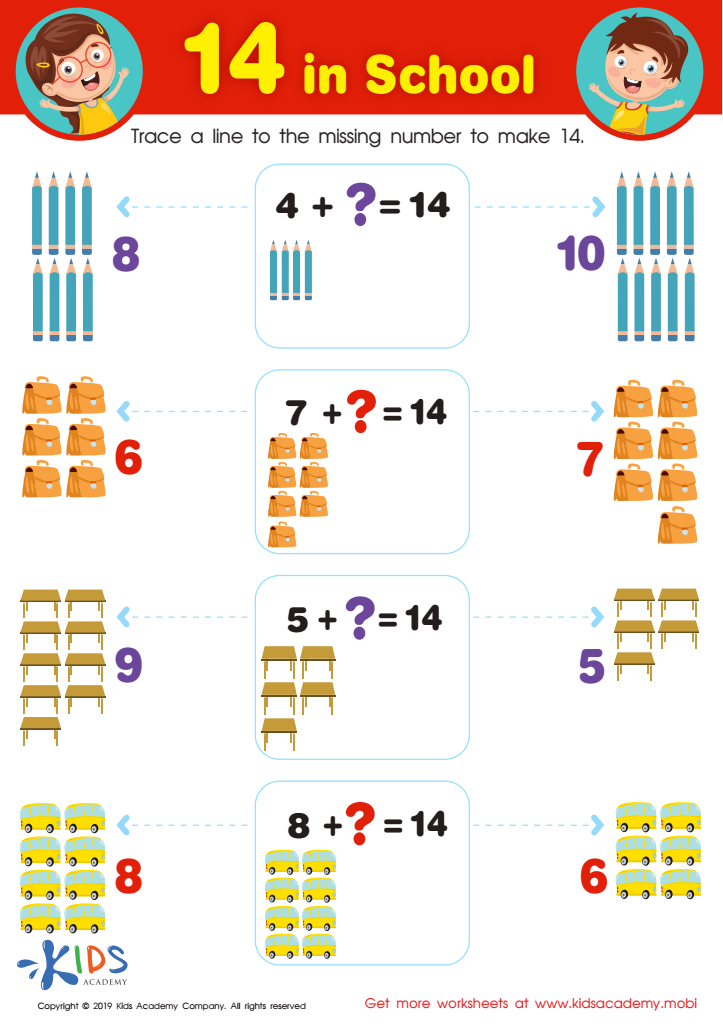
14 in School Worksheet
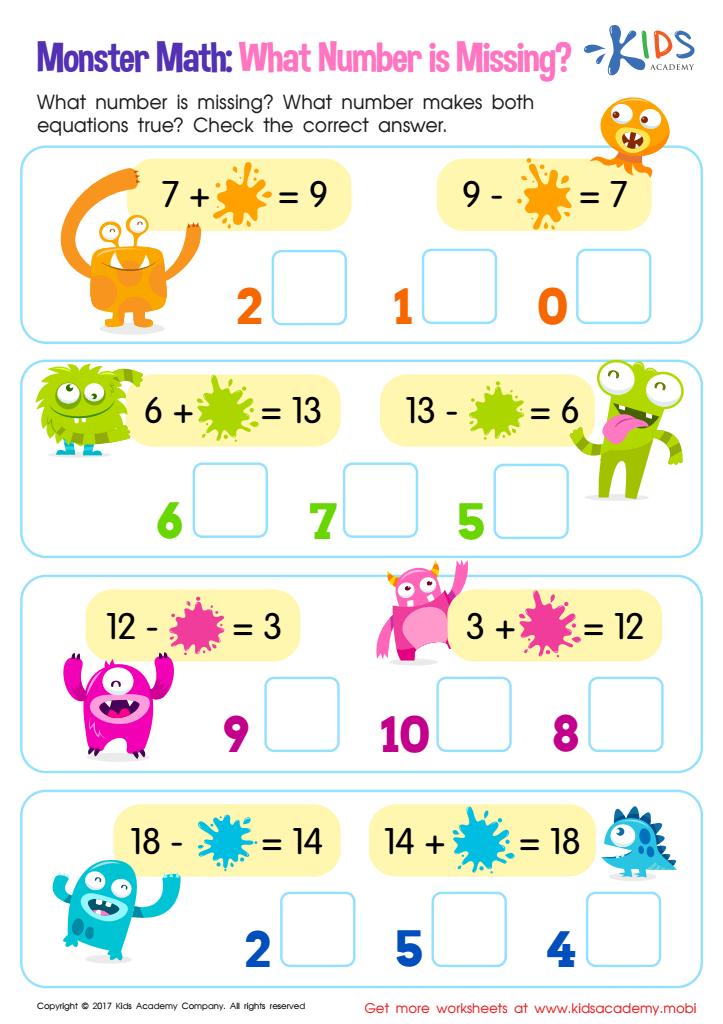
Missing Number: Monster Math Worksheet
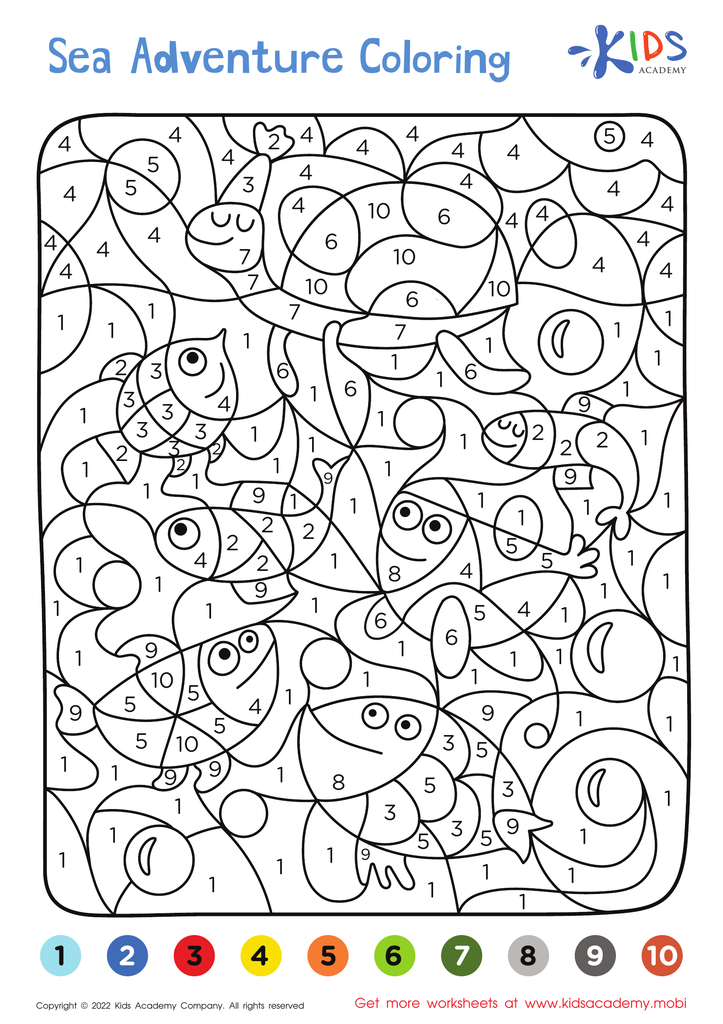
Sea Adventure – Coloring by Numbers
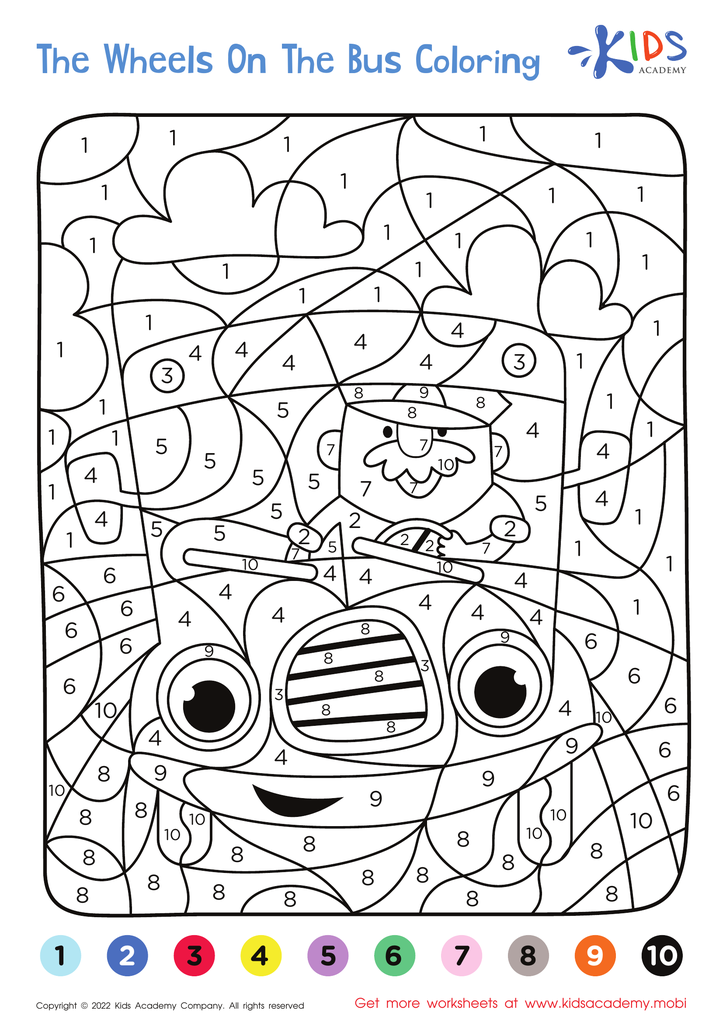
Wheels on the Bus – Coloring by Numbers
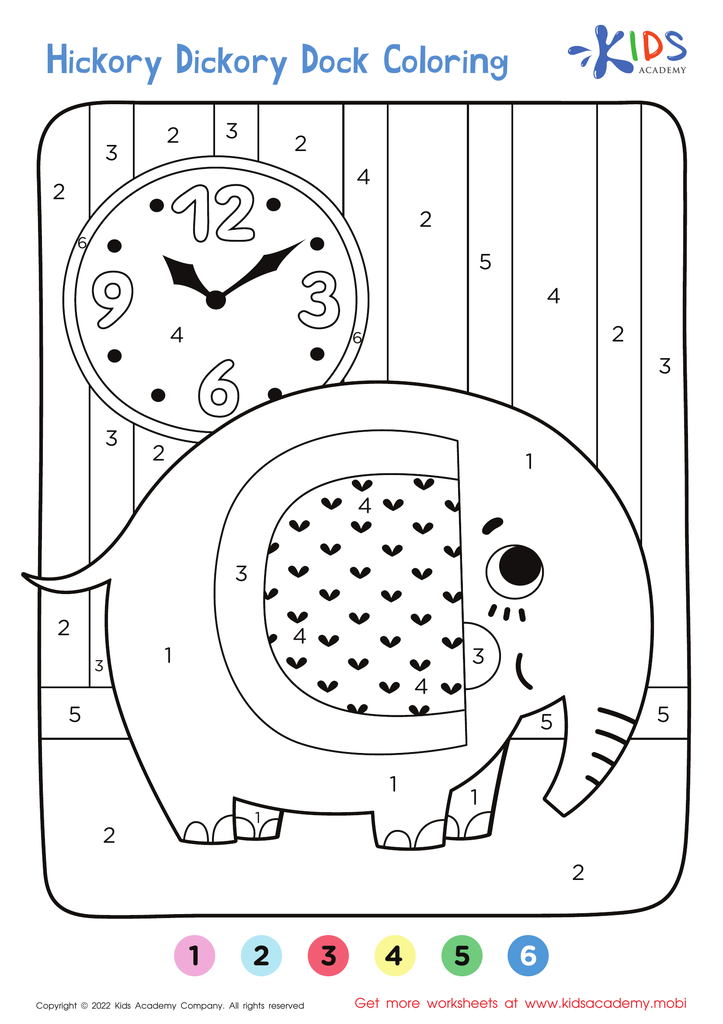
Hickory Dickory Dock – Coloring by Numbers
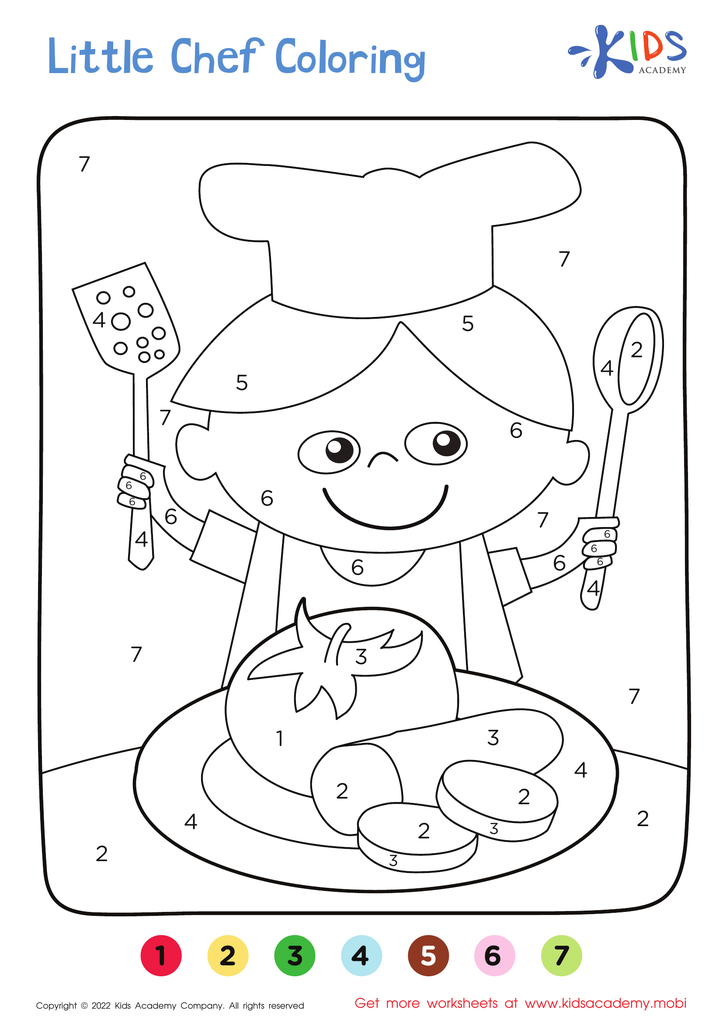
Little Chef – Coloring by Numbers
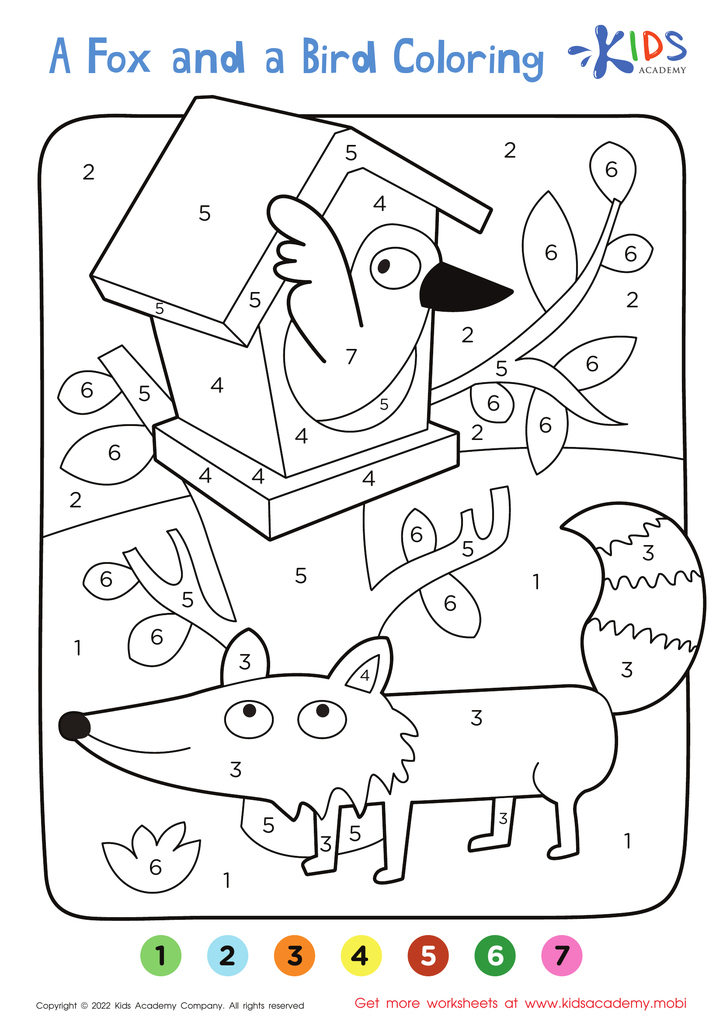
A Fox and a Bird – Coloring by Numbers





.jpg)

Color identification is an essential foundational skill for young children, as it directly supports their cognitive and social development in various ways. For parents and teachers, fostering color recognition in children aged 3-7 is crucial, as it enhances their learning experiences. Firstly, color identification helps children develop their language skills. As they learn to name and describe different colors, they expand their vocabulary and improve their communication abilities.
Moreover, engaging in color-related activities promotes critical thinking and problem-solving. For instance, sorting objects by color or engaging in simple color-based math activities can enhance their analytical skills. This also sets the stage for understanding categories, patterns, and even basic mathematical concepts like addition and subtraction, where colors can be used to visualize and represent numbers.
Socially, recognizing and discussing colors allows children to connect with peers during play, fostering collaboration and teamwork. Activities like coloring, art projects, and games incorporating colors can stimulate creativity while making learning enjoyable.
Lastly, color identification serves as a stepping stone to other school-readiness skills. Overall, investing time in teaching colors not only supports children’s academic growth but also enriches their interactions and experiences in early childhood development.








