Counting practice Math Worksheets for Ages 3-7 - Page 2
358 filtered results
-
From - To
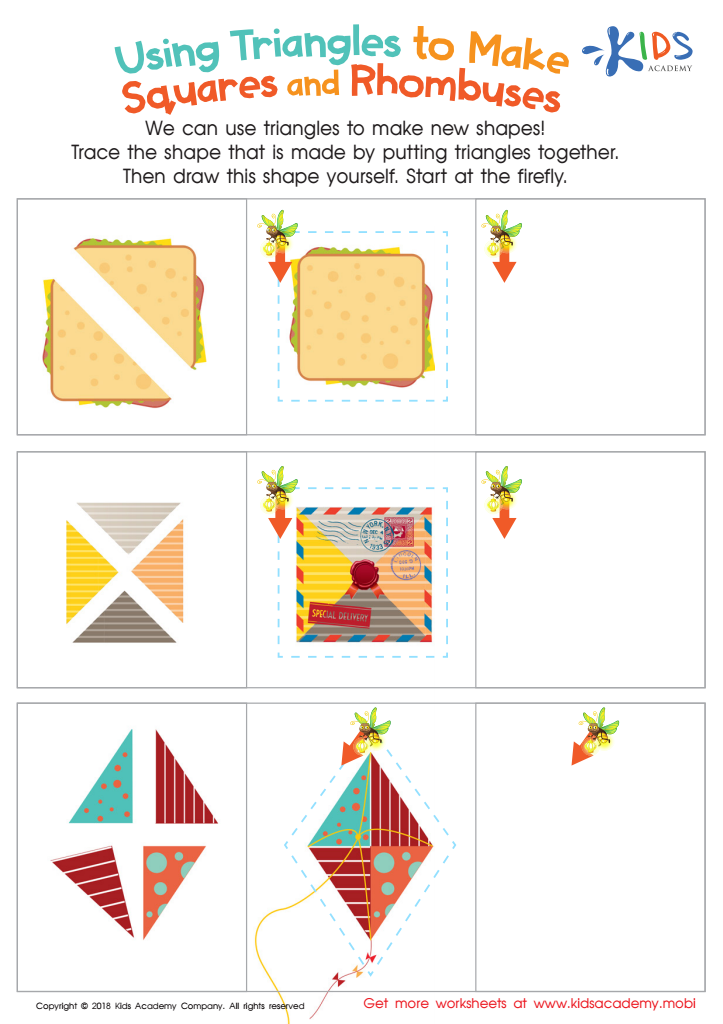
Using Triangles to Make Squares and Rhombuses Worksheet
 Assign to My Students
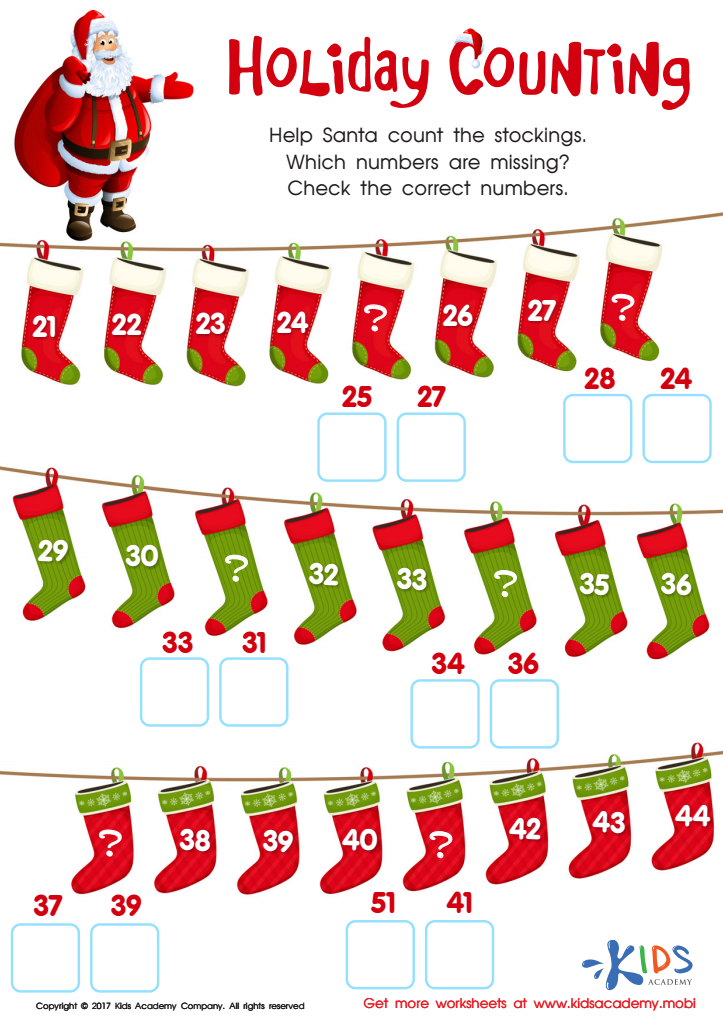
Holiday Counting Worksheet
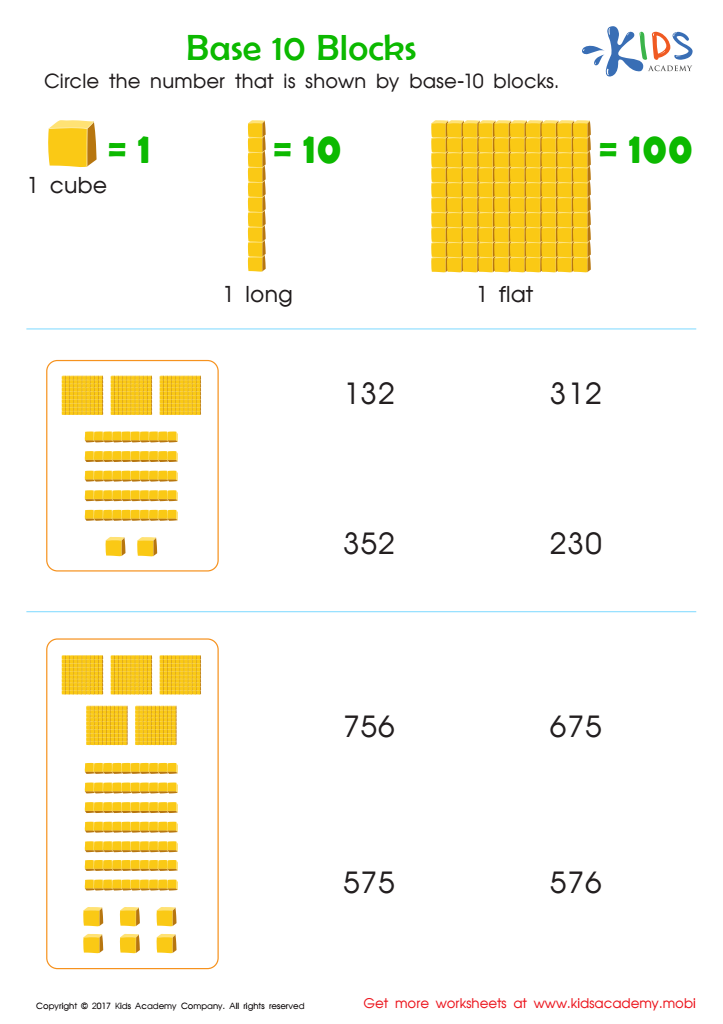
Base Ten Blocks Worksheet
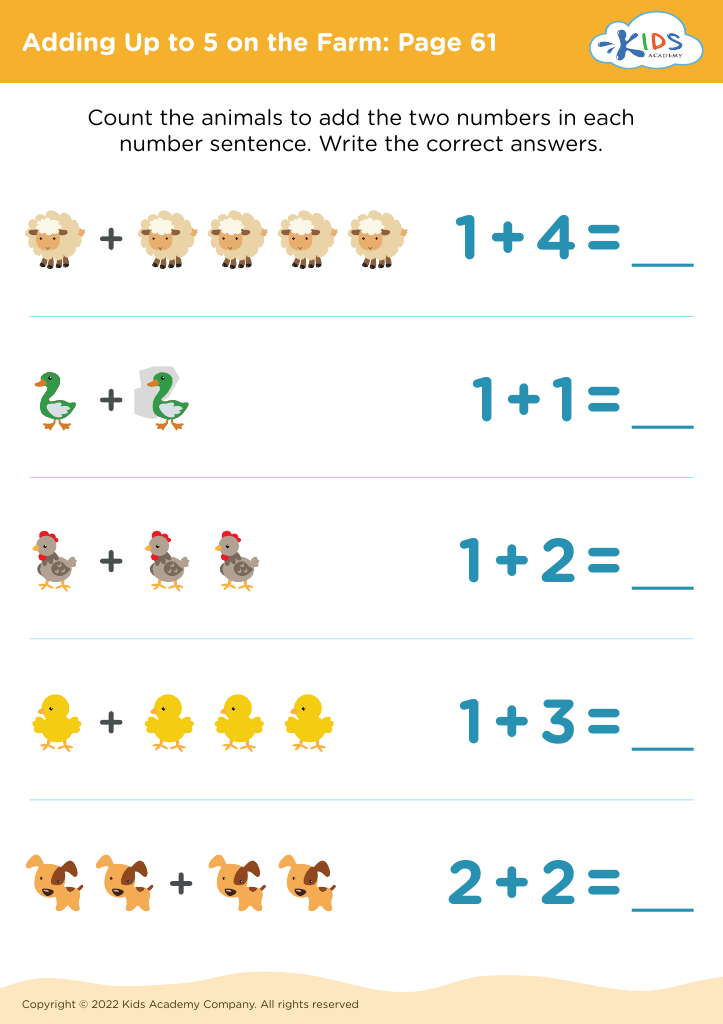
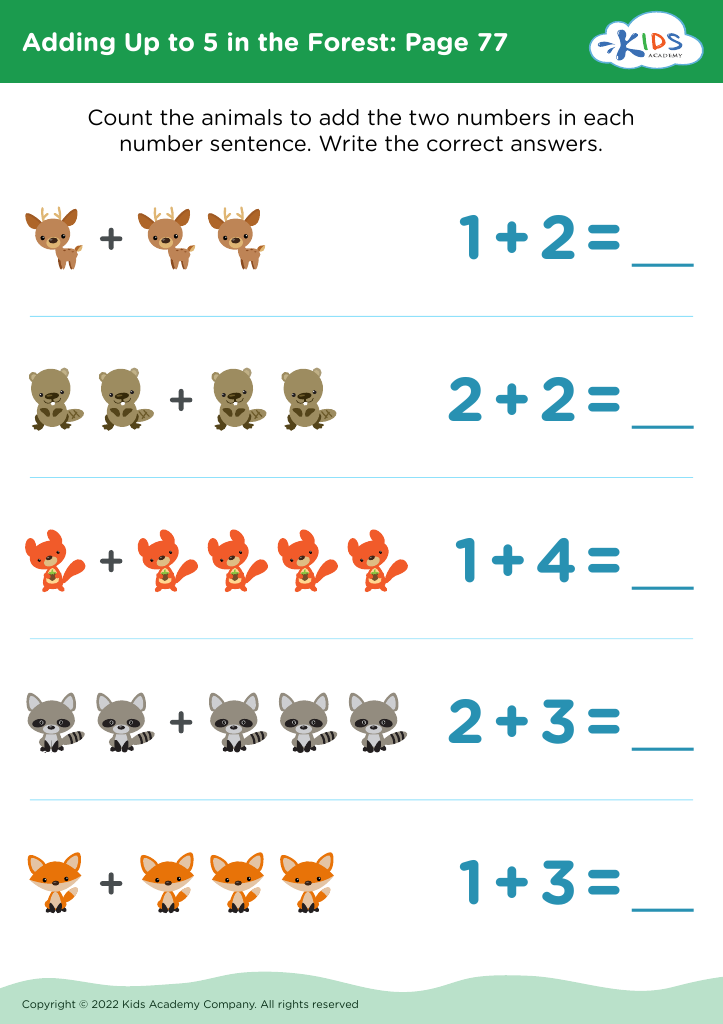
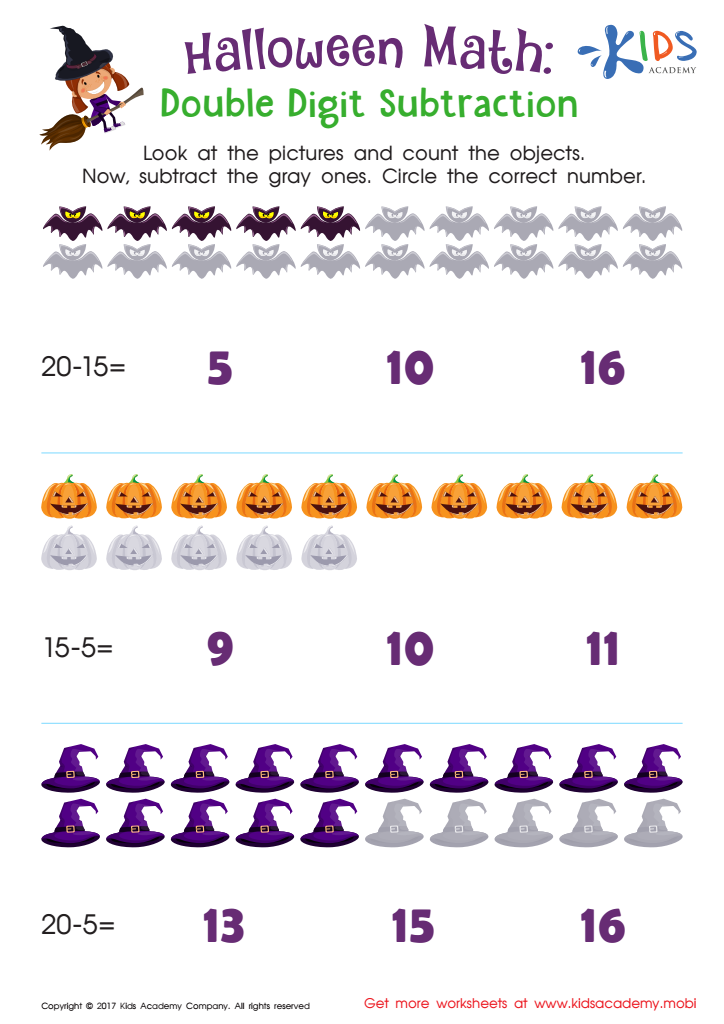
Halloween Math Subtraction Worksheet
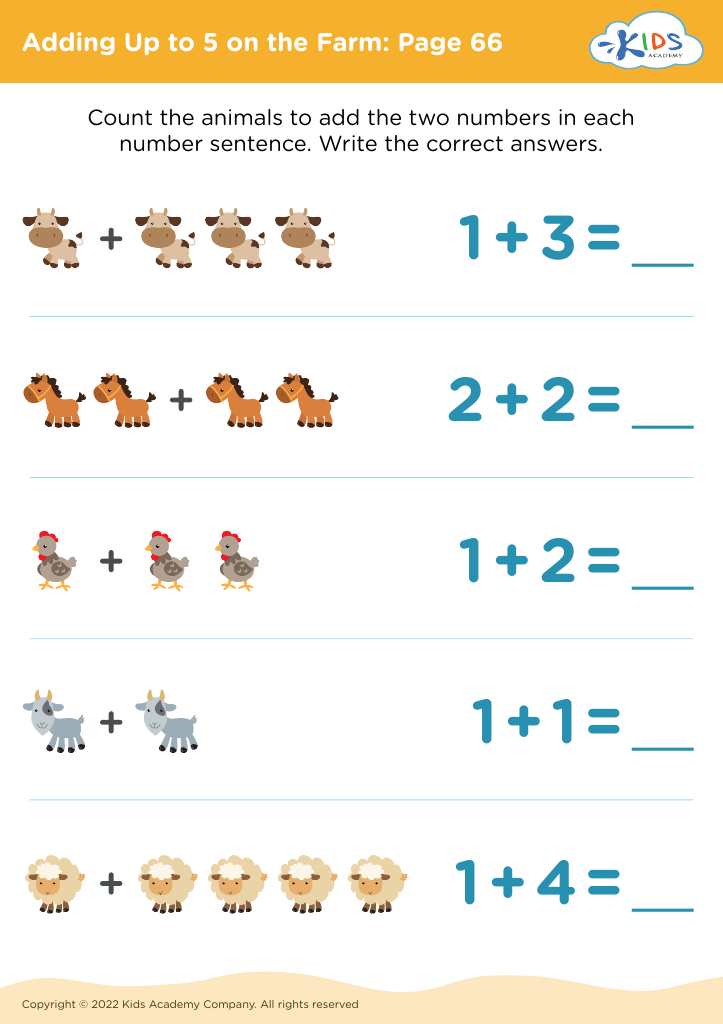
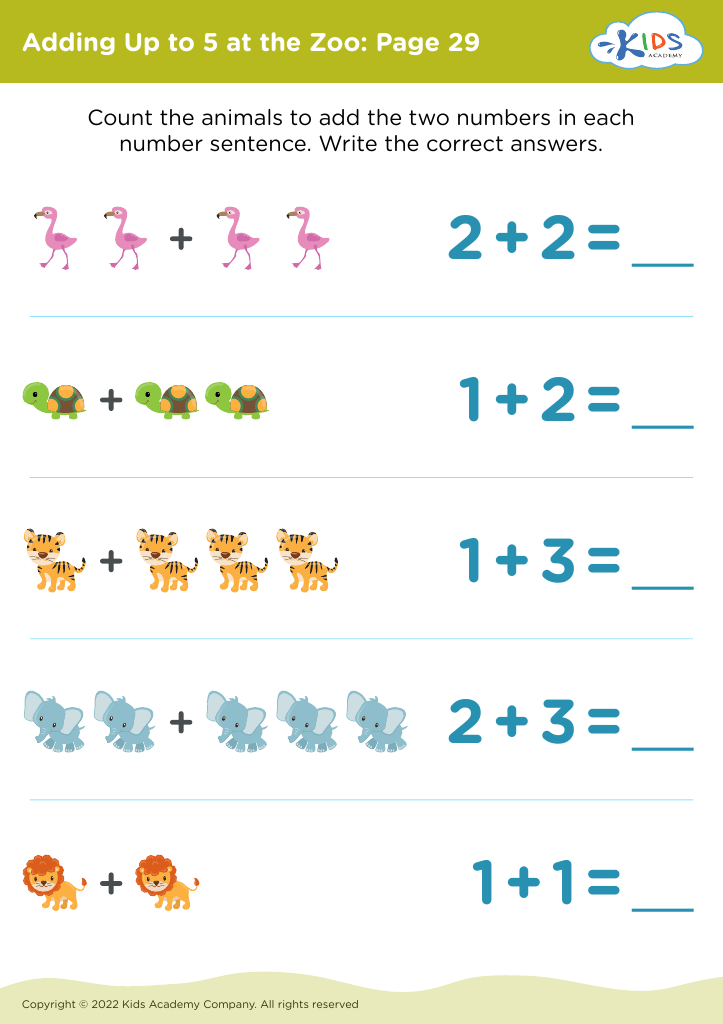
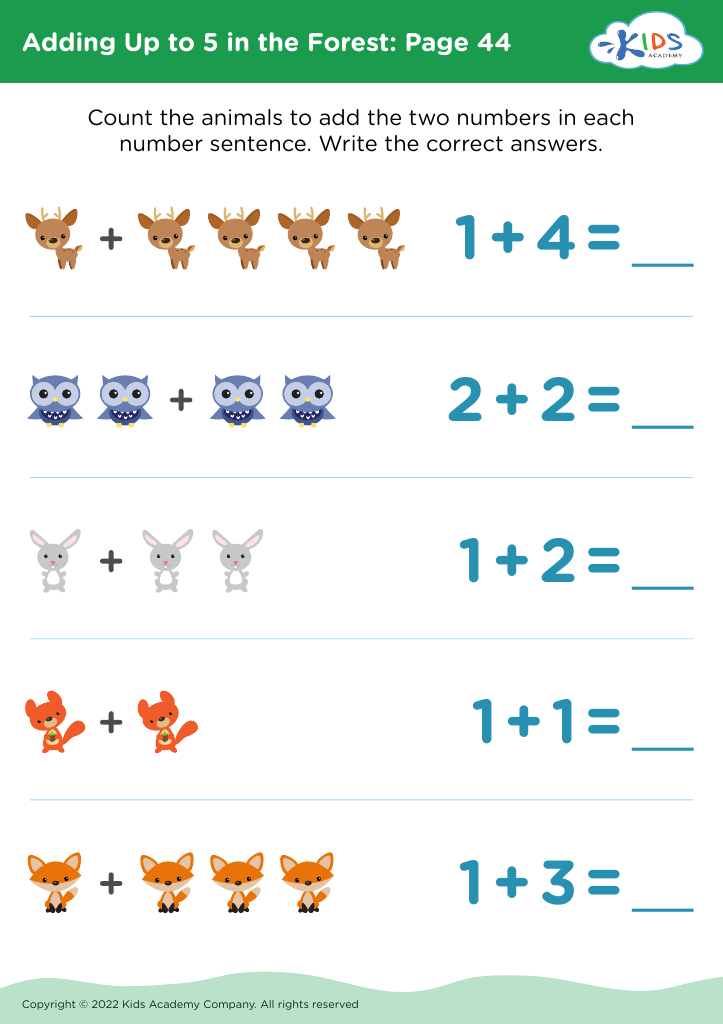
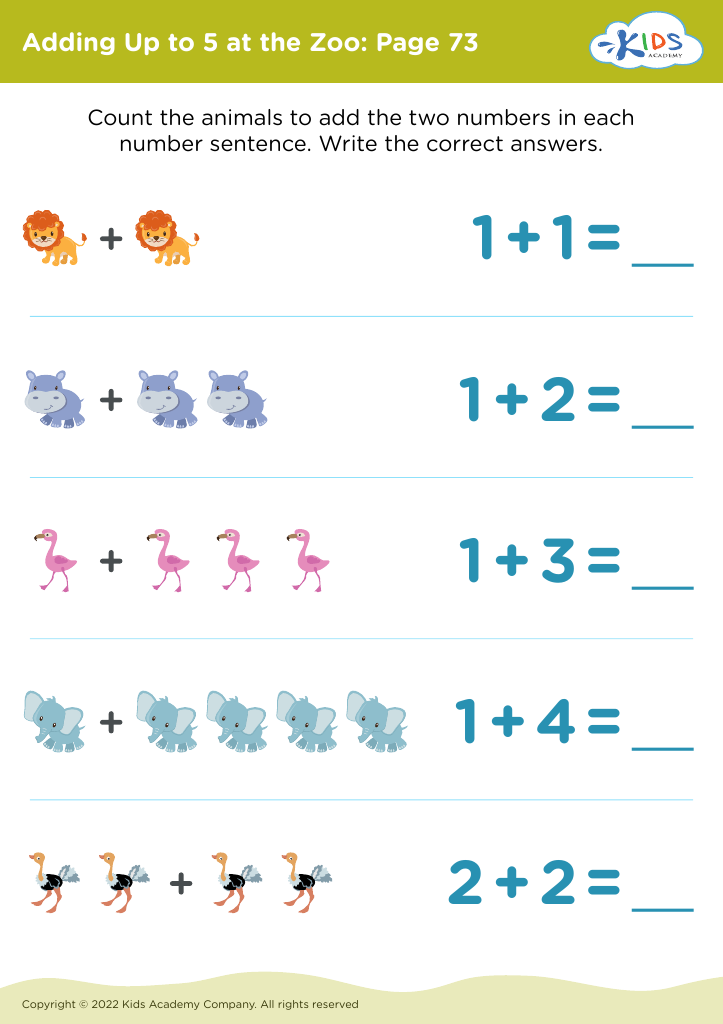
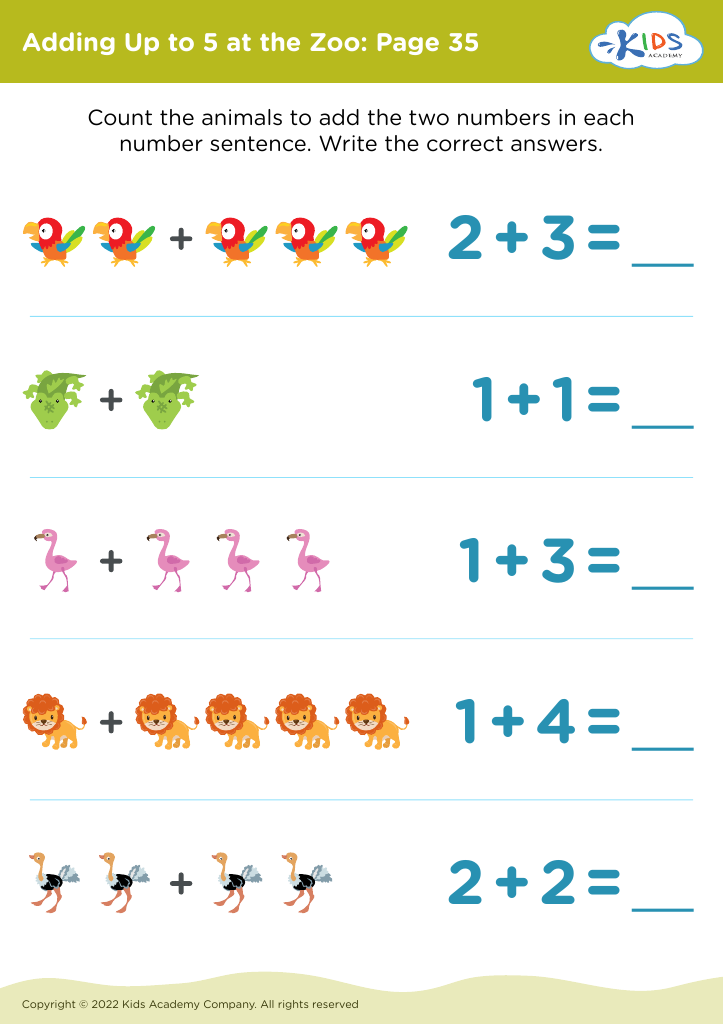
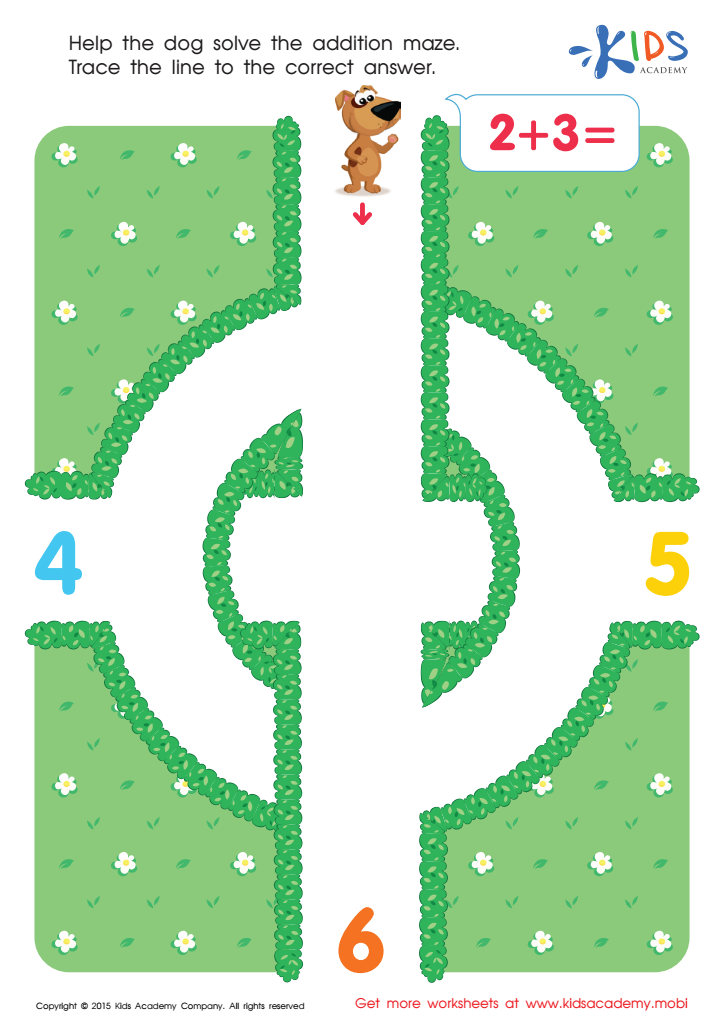
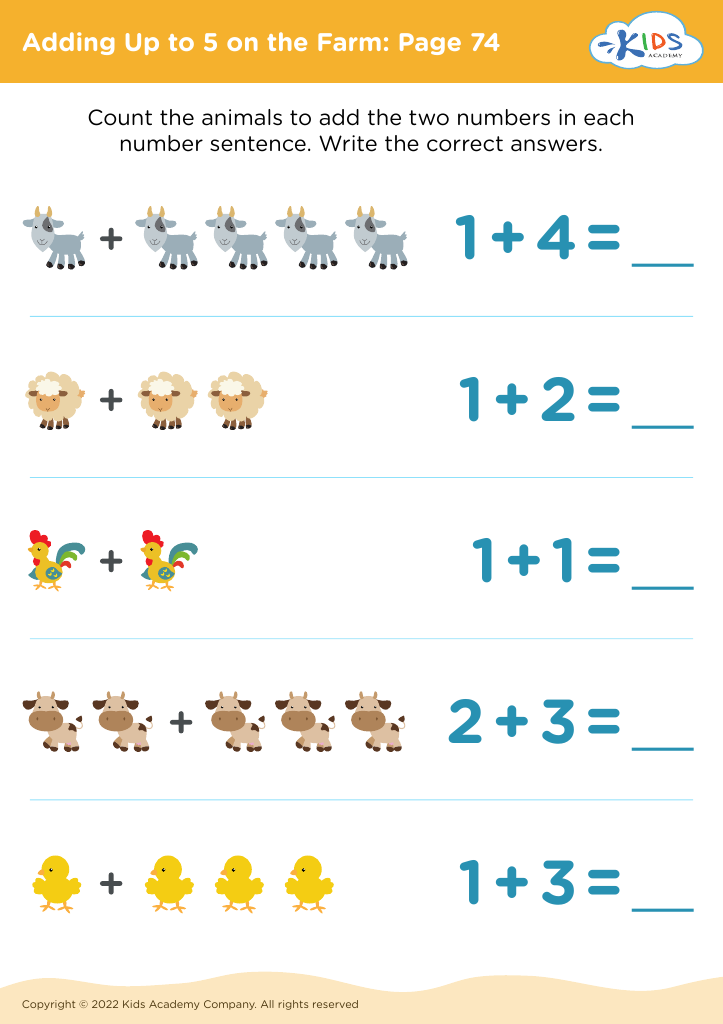
Two And Three Addition Worksheet
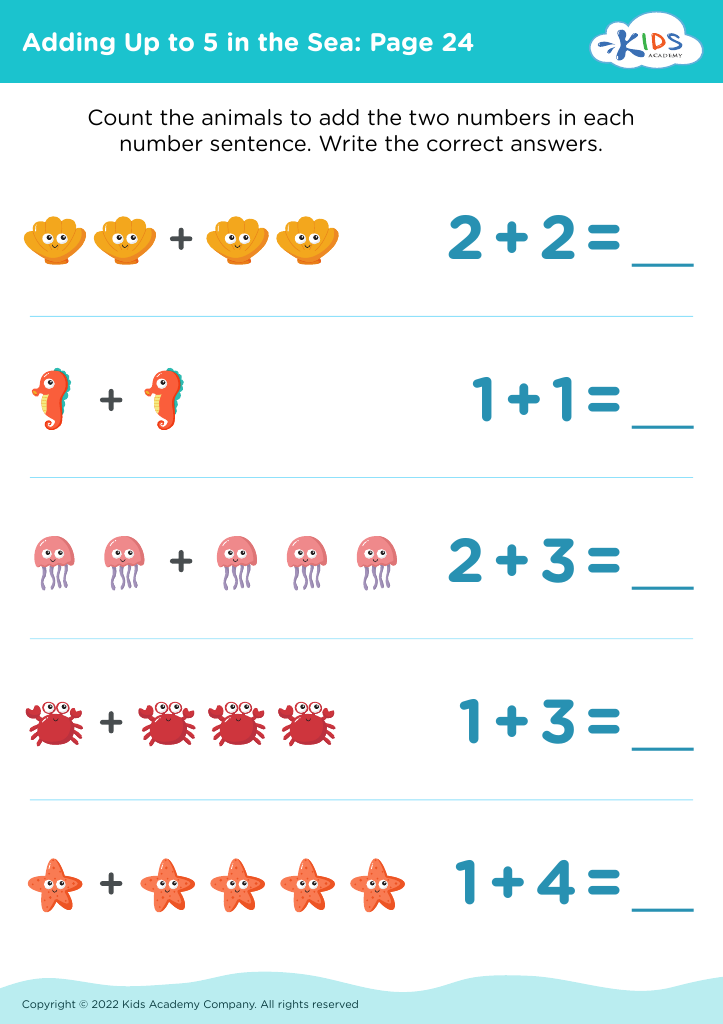
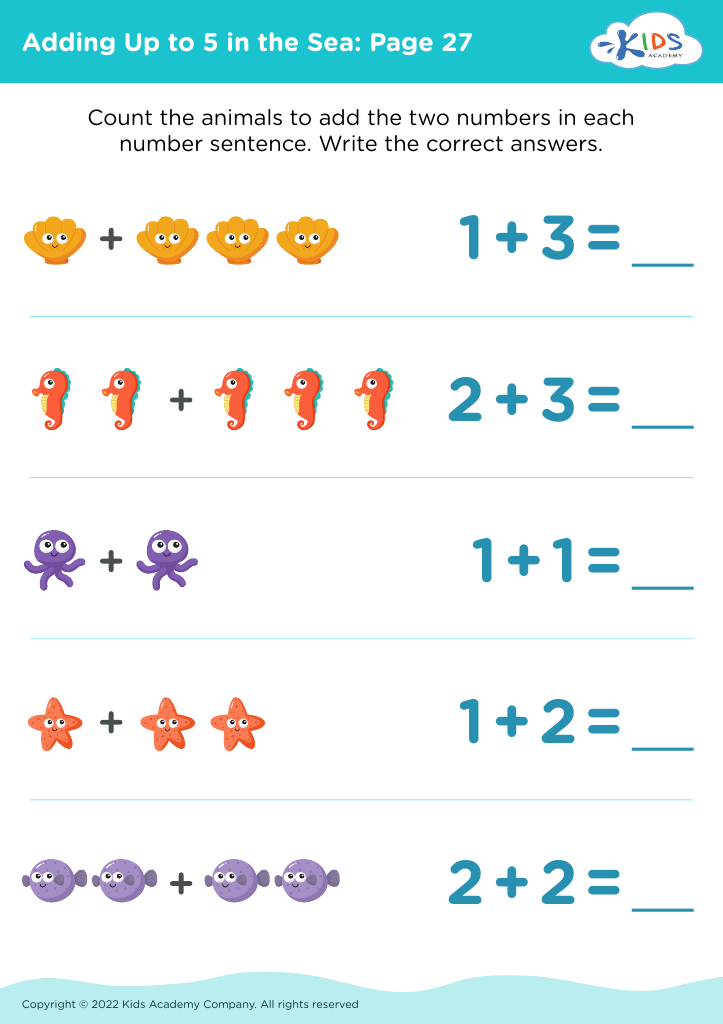
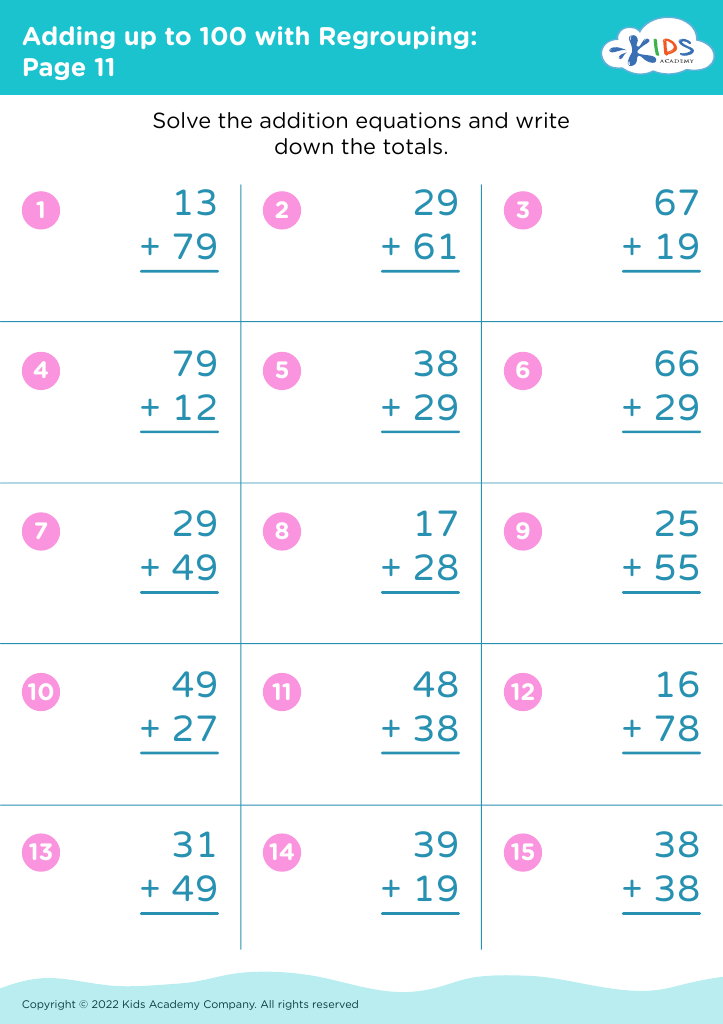
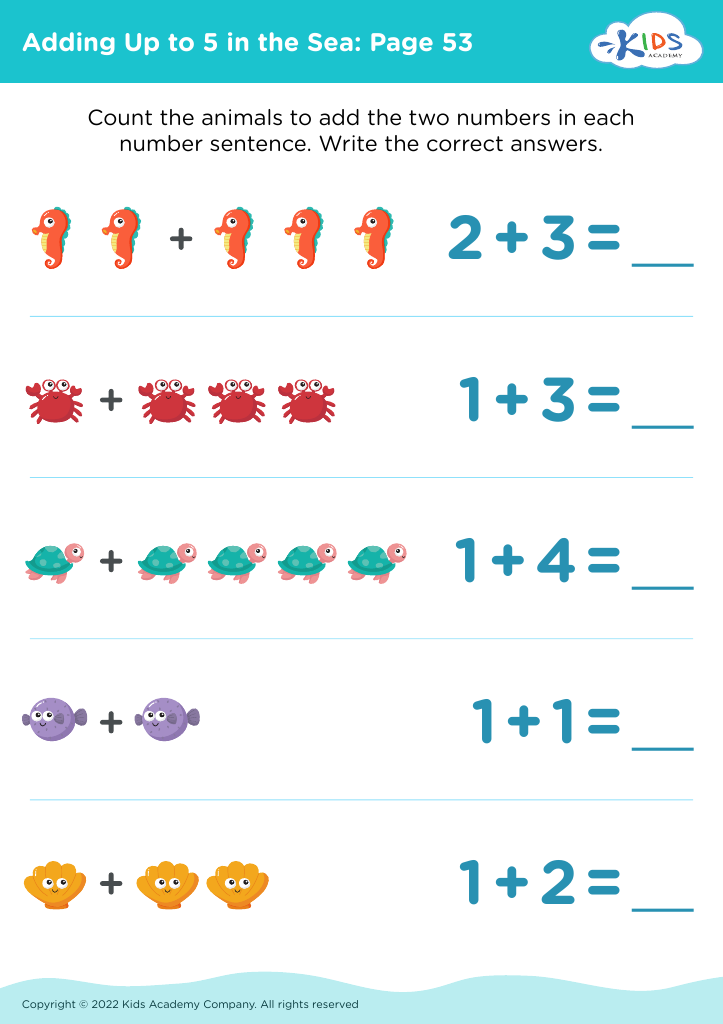
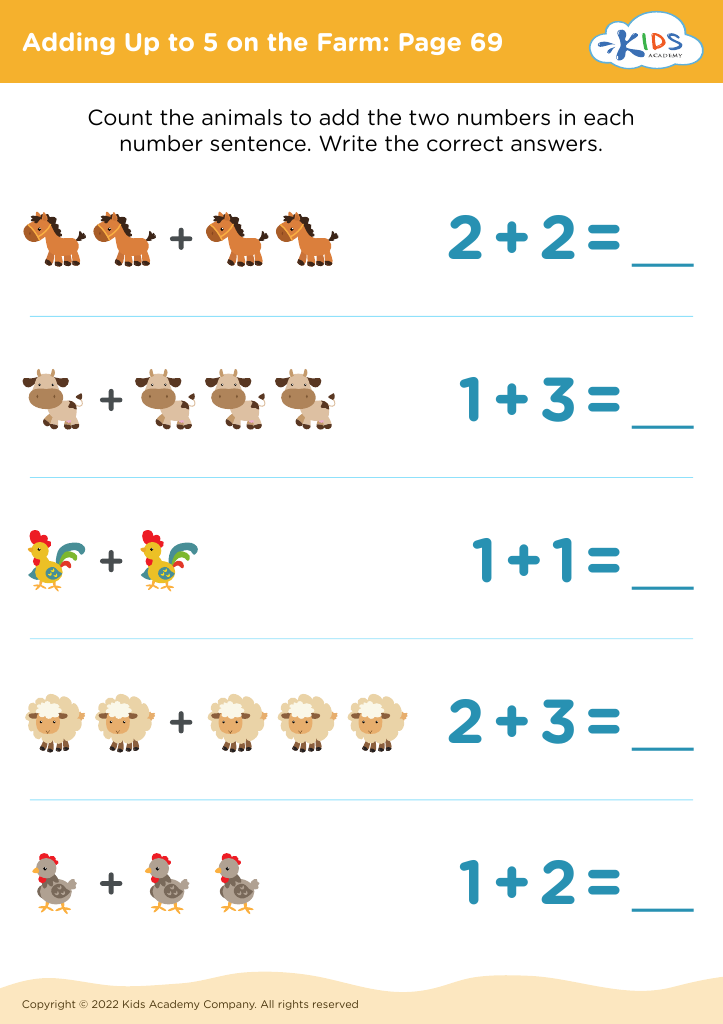
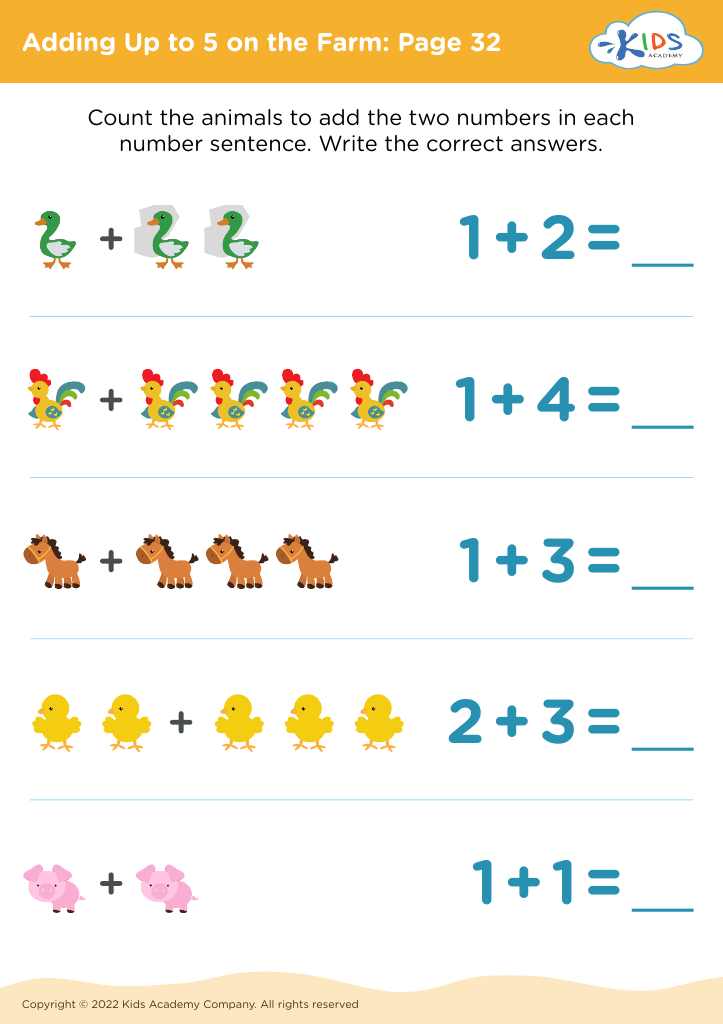
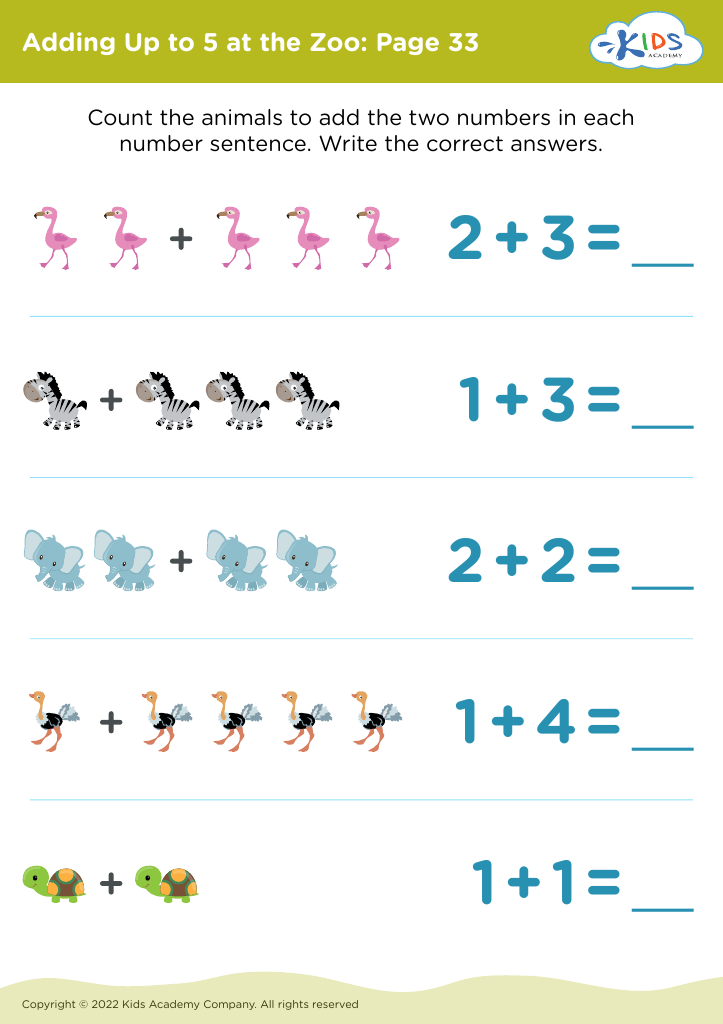
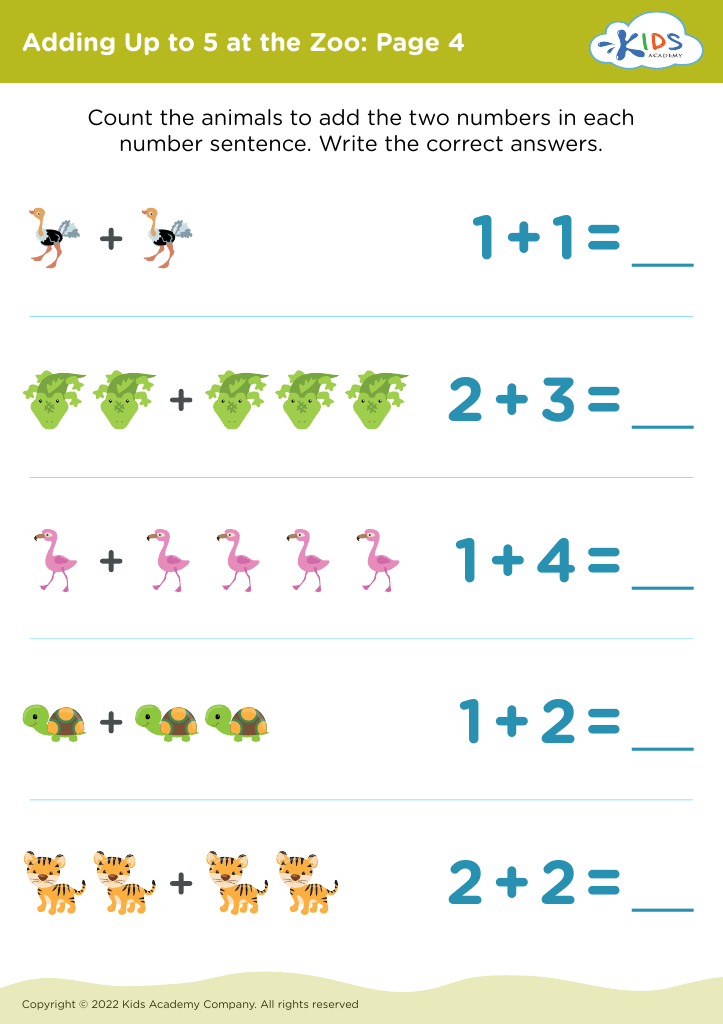







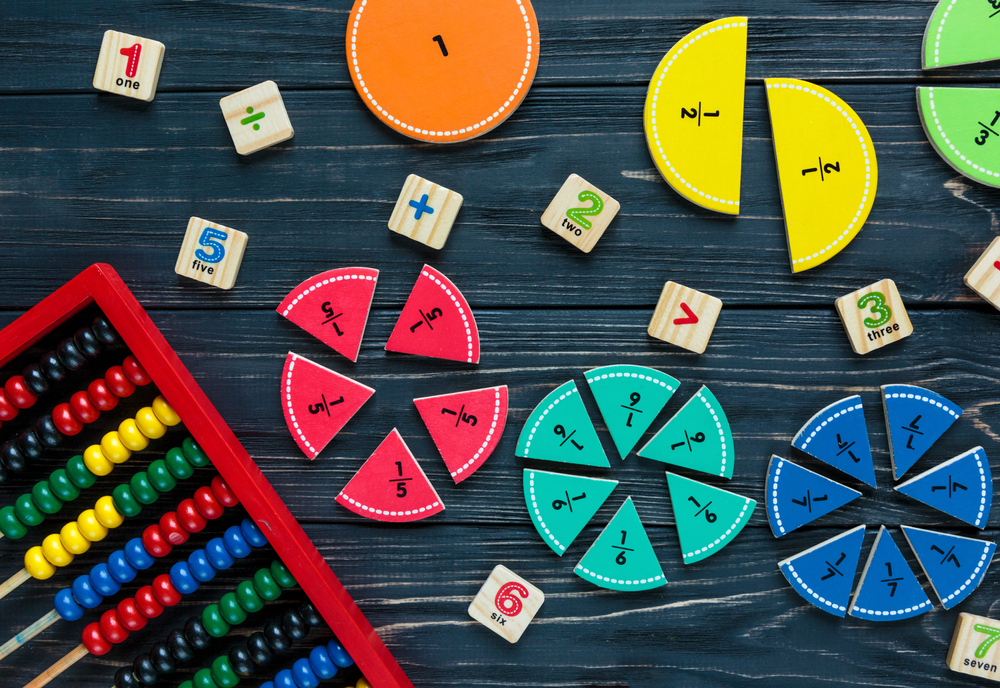
Counting practice for children aged 3-7 is crucial for several reasons, forming the foundation for more complex mathematical concepts and everyday skills. During these formative years, young minds are like sponges, absorbing basic counting skills that pave the way for understanding addition, subtraction, and other arithmetic operations. This early math practice enhances cognitive development by improving memory, attention, and problem-solving skills.
Counting helps children grasp numerical order and the concept of quantity, which are vital for almost every activity in daily life – from sharing toys equally to understanding time and managing money. Furthermore, mastering these skills at a young age bolsters self-confidence and fosters a positive attitude towards math, reducing math anxiety in later years.
For teachers and parents, engaging in counting activities – such as counting objects, playing counting games, or reading counting books – is a way to monitor and reinforce learning progression. It also strengthens parent-child and teacher-student bonds as they work through counting challenges together. Simple tasks like counting steps, snacks, or toys can turn everyday moments into math-enhanced learning experiences, making math relevant and enjoyable.
Ultimately, counting is a critical foundational skill that supports the broader educational journey, making early and consistent practice not just important, but essential.








