Developing Concentration Math Worksheets for Ages 3-7
7 filtered results
-
From - To
Our "Developing Concentration Math Worksheets for Ages 3-7" are designed to enhance young learners' focus while making math practice fun and engaging. Each worksheet presents age-appropriate math challenges that captivate children's interest, helping them build essential skills such as counting, pattern recognition, and basic arithmetic. Created by educational experts, our worksheets feature colorful, child-friendly designs that encourage repetitive practice, fostering improved concentration and problem-solving abilities. Perfect for use at home or in the classroom, these resources provide a solid foundation for future academic success while nurturing a positive attitude toward math learning. Start today and watch your child’s confidence soar!
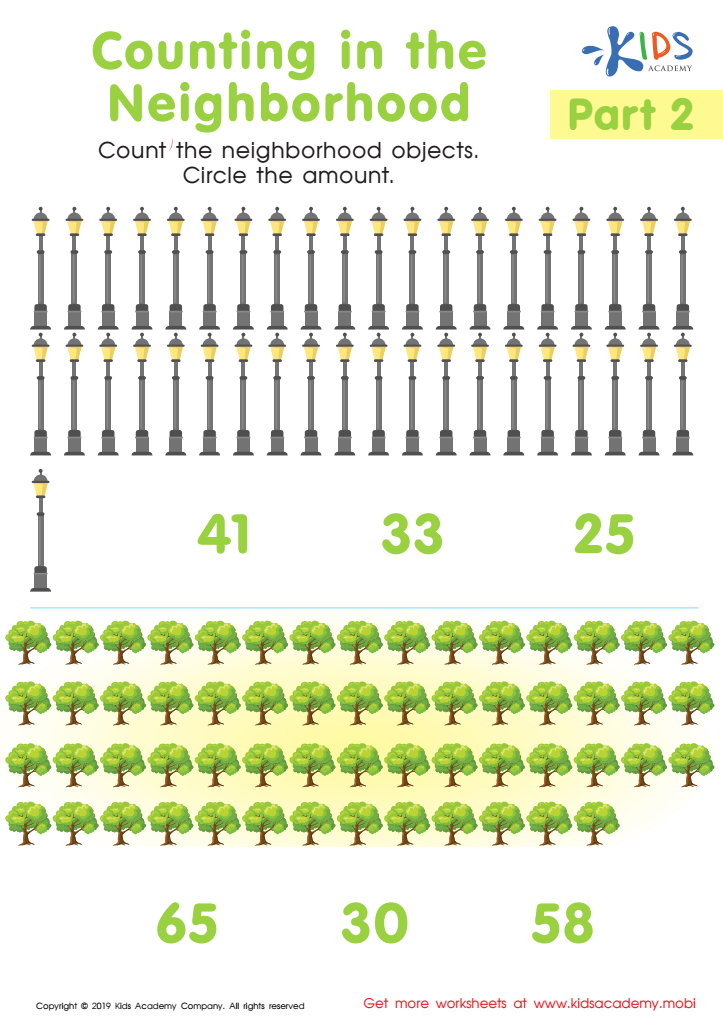
Counting In The Neighborhood Part 2 Worksheet
 Assign to My Students
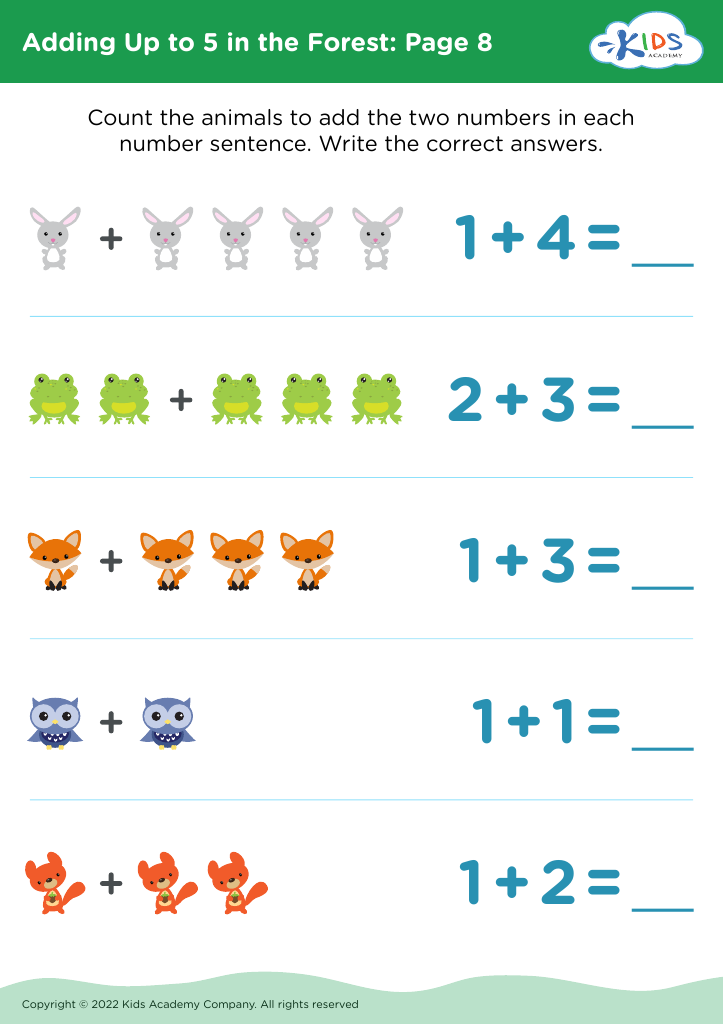
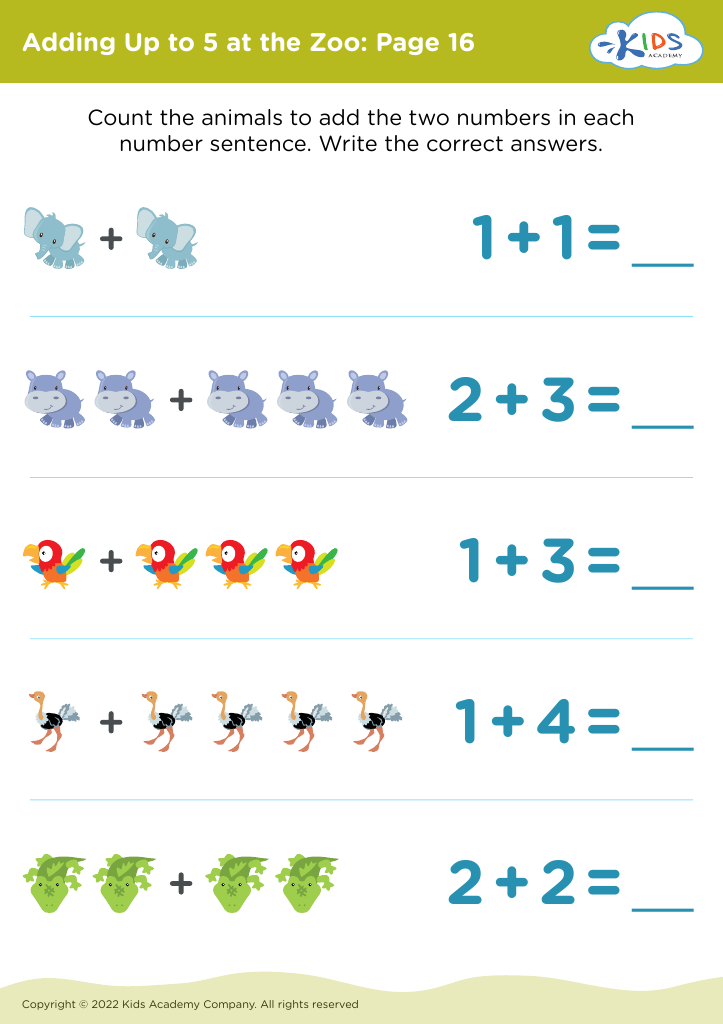
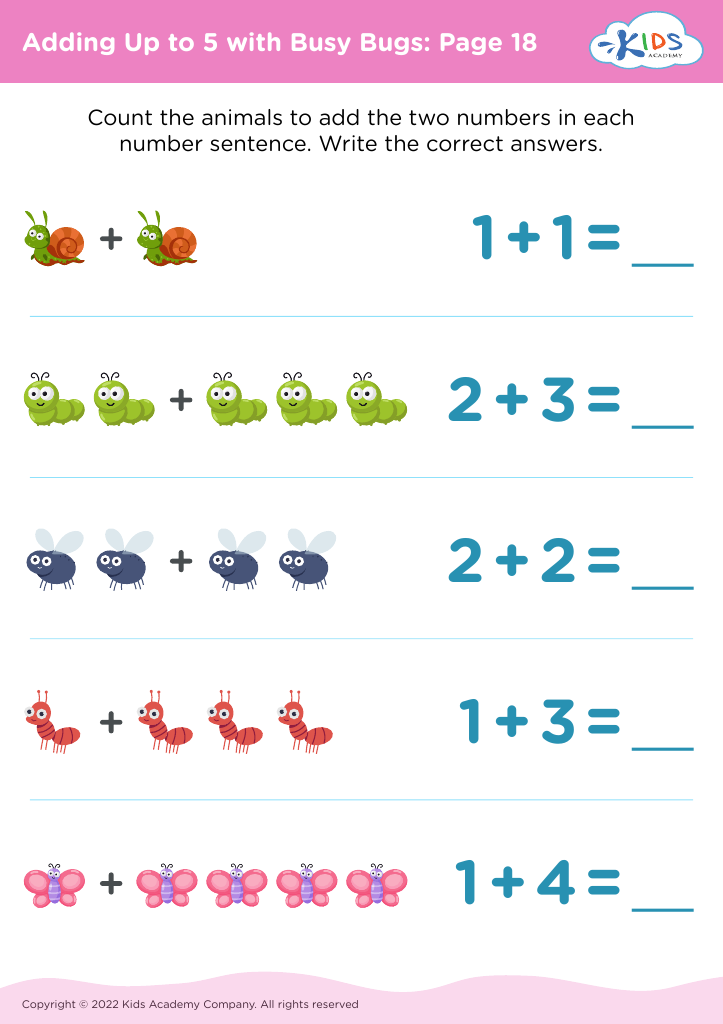
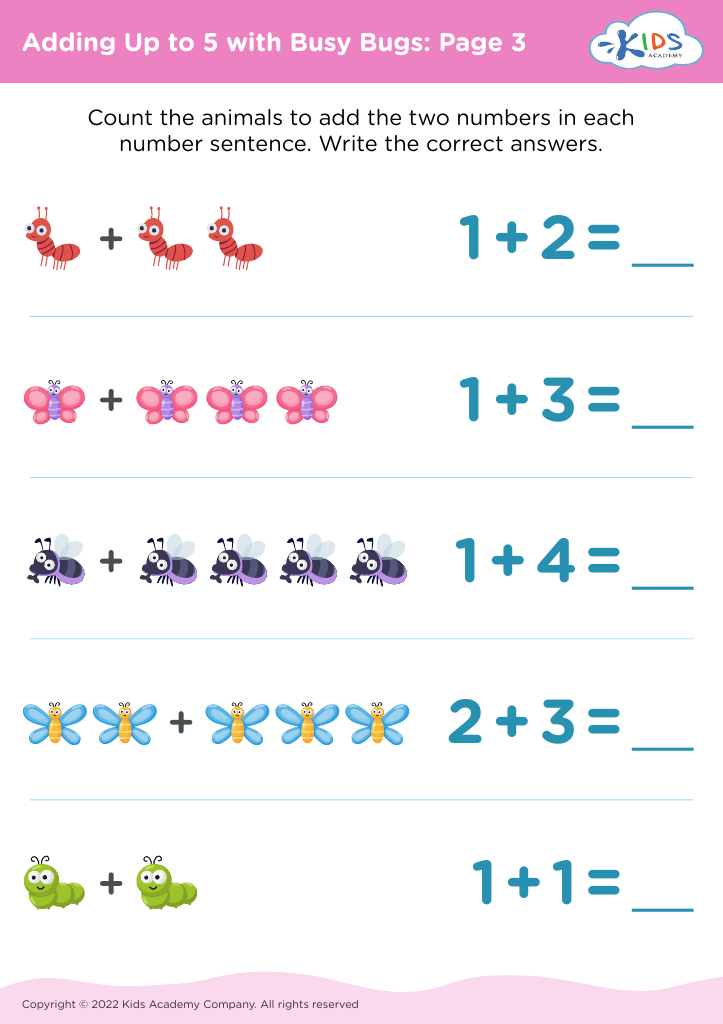
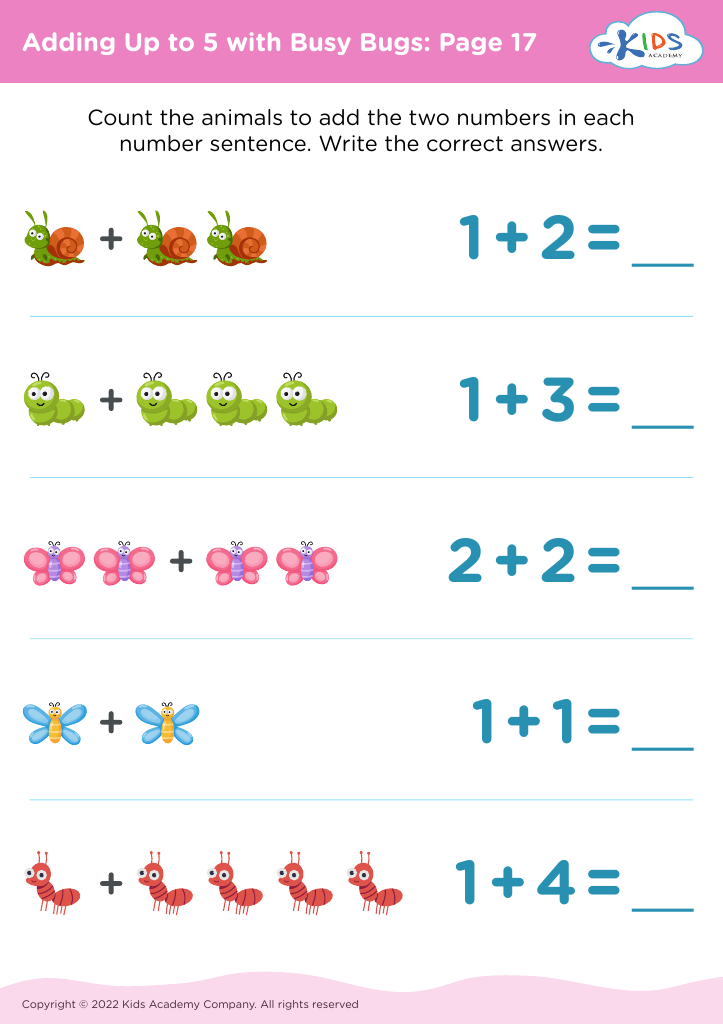
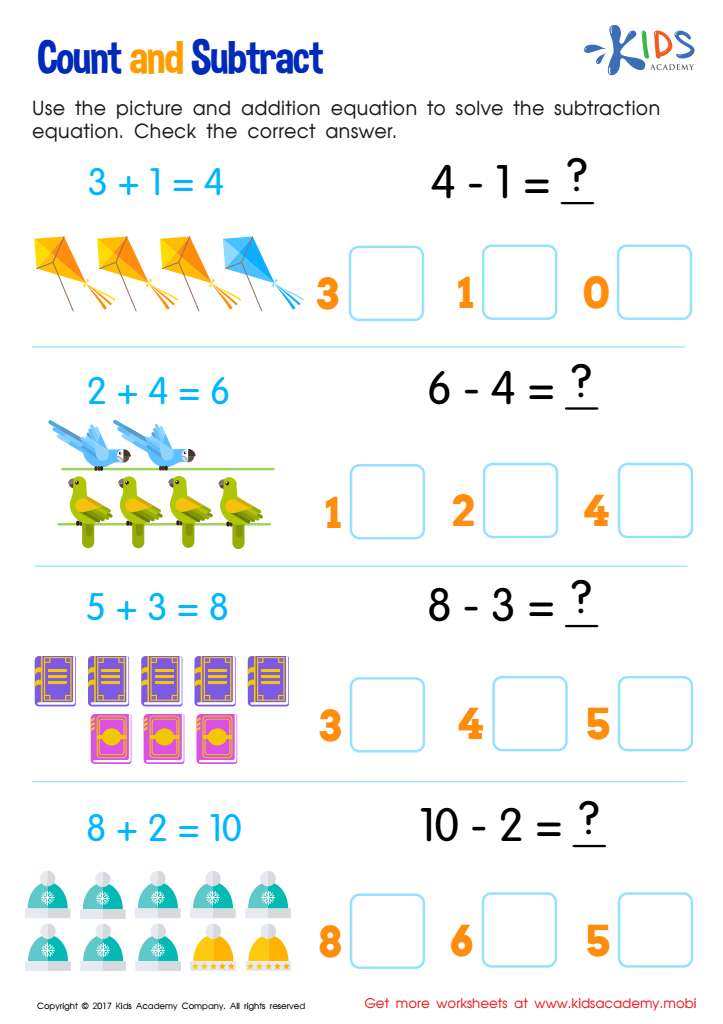
Count and Subtract Worksheet








Developing concentration in math for children ages 3-7 is crucial because it lays the foundation for their future learning and cognitive development. At this formative stage, children's brains are highly impressionable and are rapidly building the neural pathways necessary for higher-order thinking. Concentration skills help children focus on tasks, follow instructions, and build problem-solving abilities.
When children engage deeply with math activities, whether it's counting objects, recognizing patterns, or simple addition and subtraction, they are honing their ability to concentrate. This not only boosts their mathematical understanding but also improves overall academic performance. Concentration fosters discipline and persistence, encouraging children to tackle challenges and develop a growth mindset.
Furthermore, math-related activities enhance fine motor skills and hand-eye coordination, especially when manipulatives like blocks or beads are used. These early experiences with math prepare children for more complex concepts in their later schooling years, instilling confidence and reducing anxiety around the subject.
For parents and teachers, nurturing concentration in math provides dual benefits: it makes learning enjoyable and engaging for the child while setting a strong educational foundation. These early successes in math can create a lifelong positive attitude towards learning and academic challenges.








