Developing problem-solving abilities Math Worksheets for Ages 3-7
5 filtered results
-
From - To
Enhance your child's critical thinking and problem-solving skills with our engaging Math Worksheets designed for ages 3-7. These worksheets focus on foundational math concepts while encouraging young learners to think creatively and analytically. Each activity is thoughtfully crafted to keep children engaged, promoting a love for learning through playful and interactive exercises. From simple puzzles to real-life math problems, our worksheets cater to various learning styles, ensuring every child has the opportunity to excel. Foster resilience, independence, and confidence in your little ones as they tackle fun challenges that set the stage for lifelong learning. Explore our collection today!
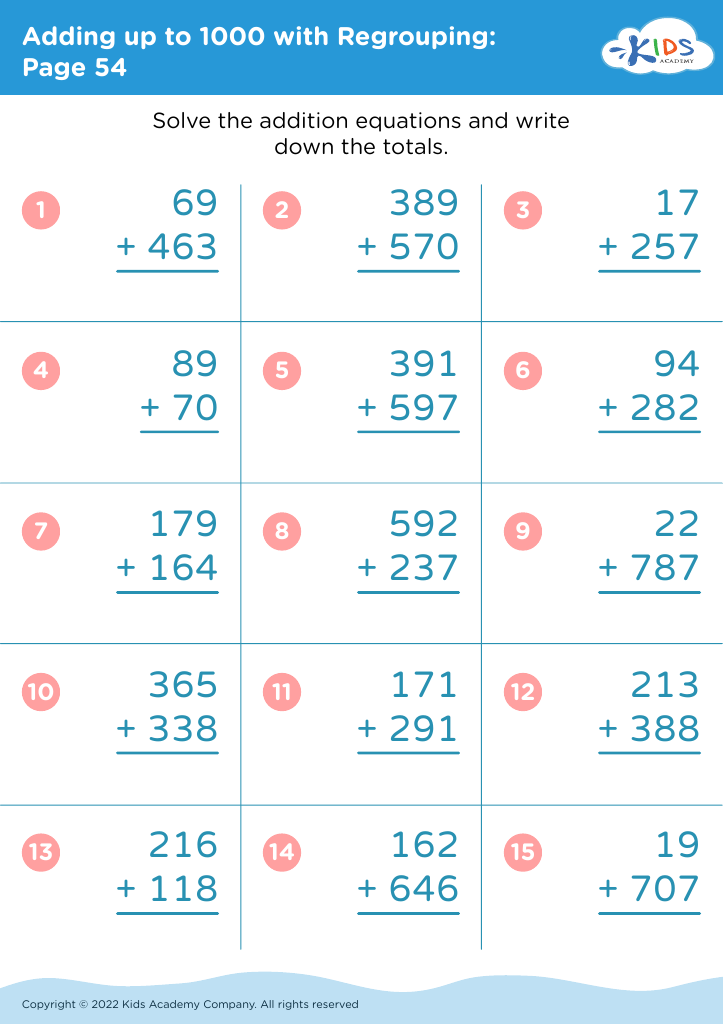
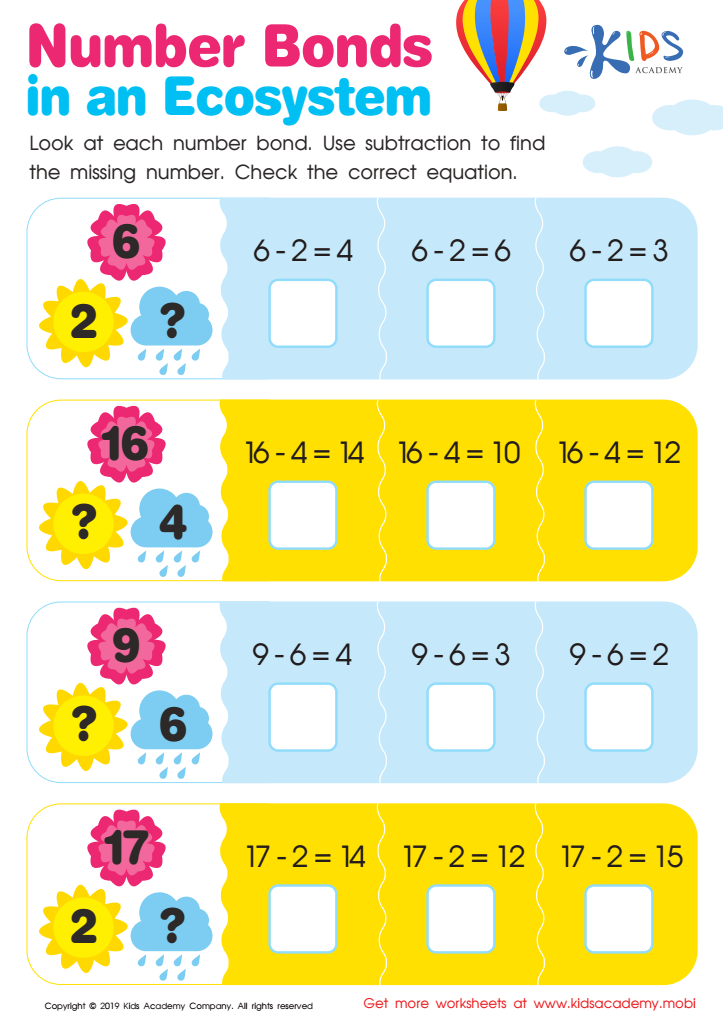
Number Bonds in an Ecosystem Worksheet
 Assign to My Students
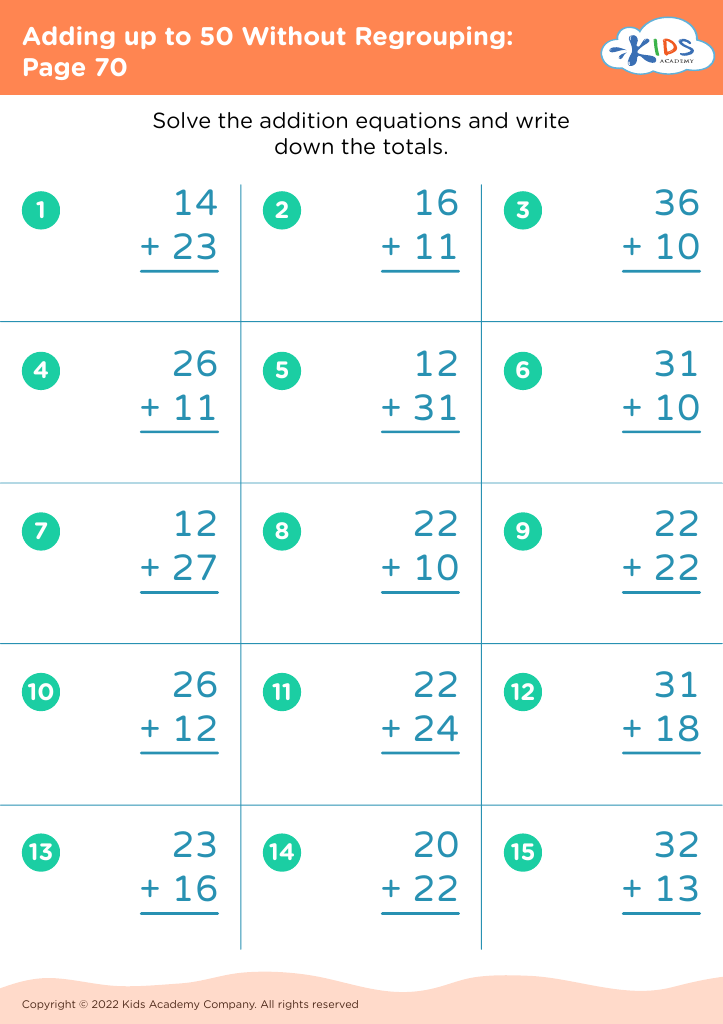
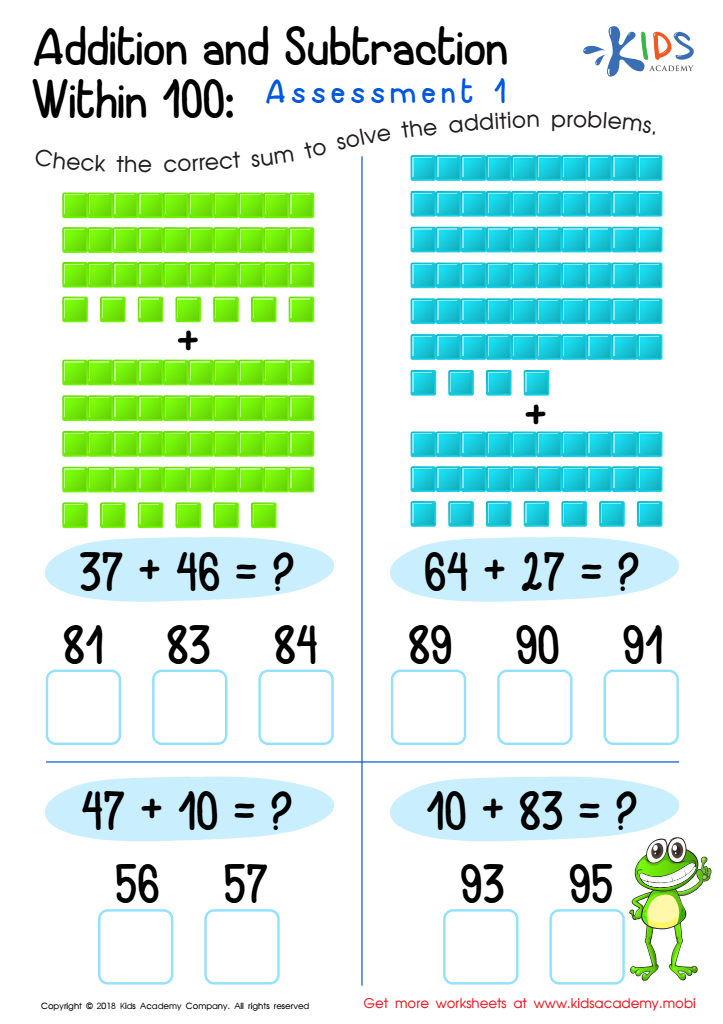
Addition and Subtraction Within 1: Assessment 1 Worksheet
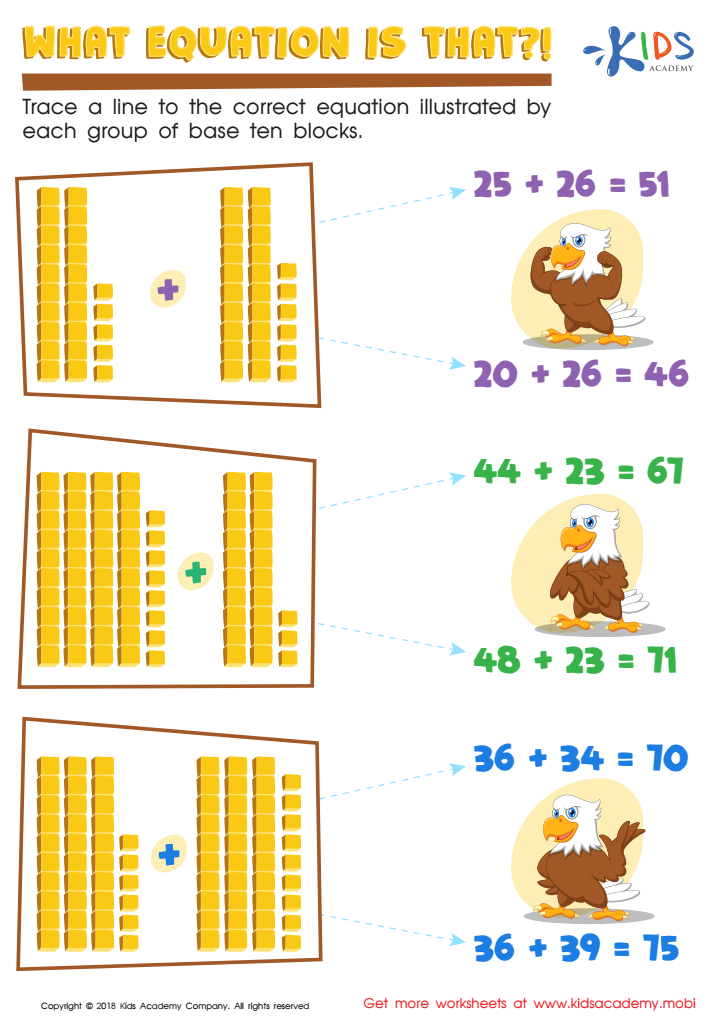
What Equation Is That? Worksheet








Developing problem-solving abilities in young children, particularly in math, is crucial for several reasons. First, these skills lay the foundation for future academic success. By engaging with mathematical concepts early, children develop logical thinking, critical reasoning, and analytical skills that will benefit them across all subjects.
Secondly, problem-solving fosters a growth mindset in children. When they encounter challenges and learn to work through them, they build resilience and perseverance. This emotional trait helps them cope with future challenges, not just in academics, but in life.
Furthermore, math problem-solving encourages creativity. Children learn to approach challenges from multiple angles, fostering innovation and unique thinking. As they experiment with different strategies, they also enhance their ability to communicate and collaborate effectively.
For parents and teachers, nurturing these skills at ages 3-7 encourages independence and self-confidence in children. This essential skill promotes an enthusiasm for learning, sparking curiosity about the world around them.
In essence, focusing on problem-solving in math for young children creates well-rounded, capable individuals ready to face future academic and life challenges. Investing time and resources in these abilities today lays the groundwork for successful learners tomorrow.








