
Enhance logical thinking Math Worksheets for Ages 3-7
3 filtered results
Difficulty Level
Grade
Age
-
From - To
Subject
Activity
Standards
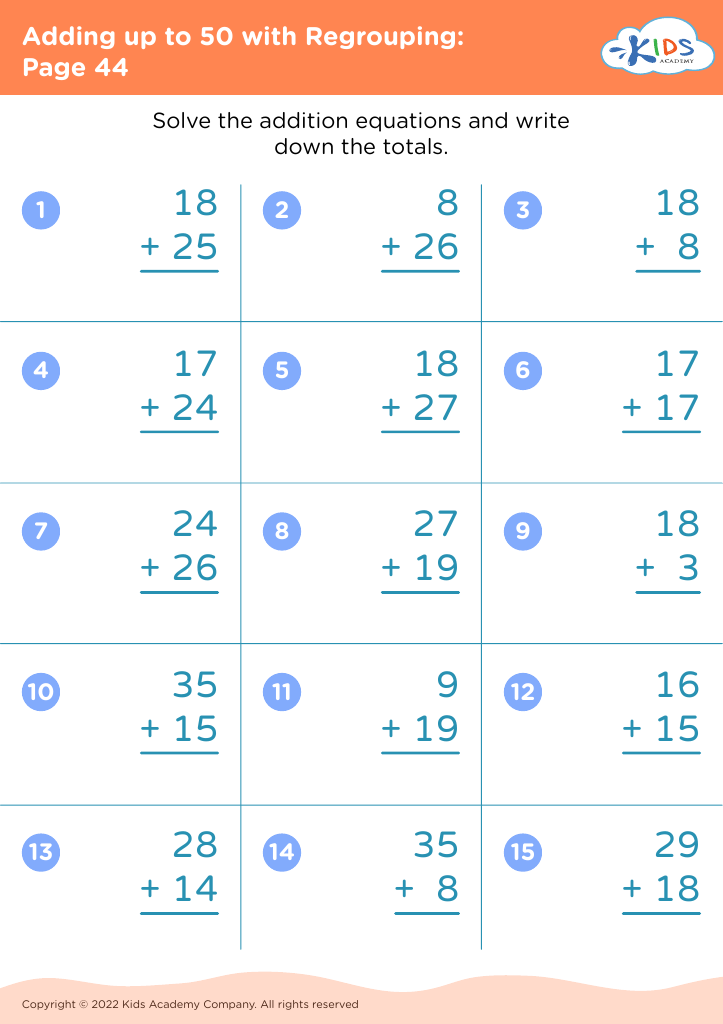
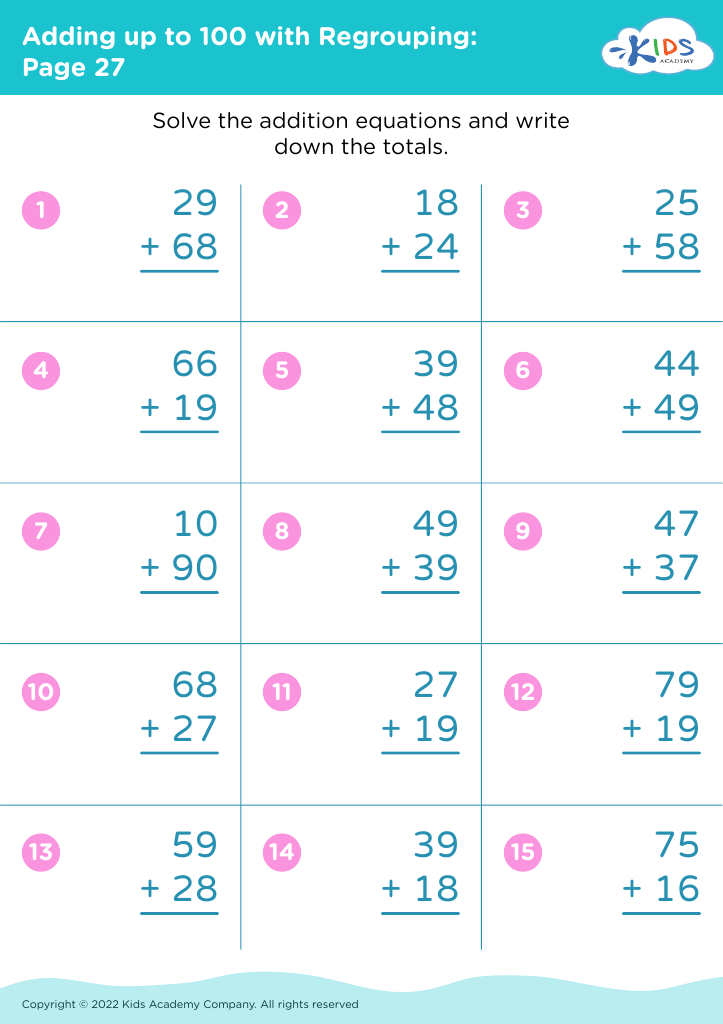
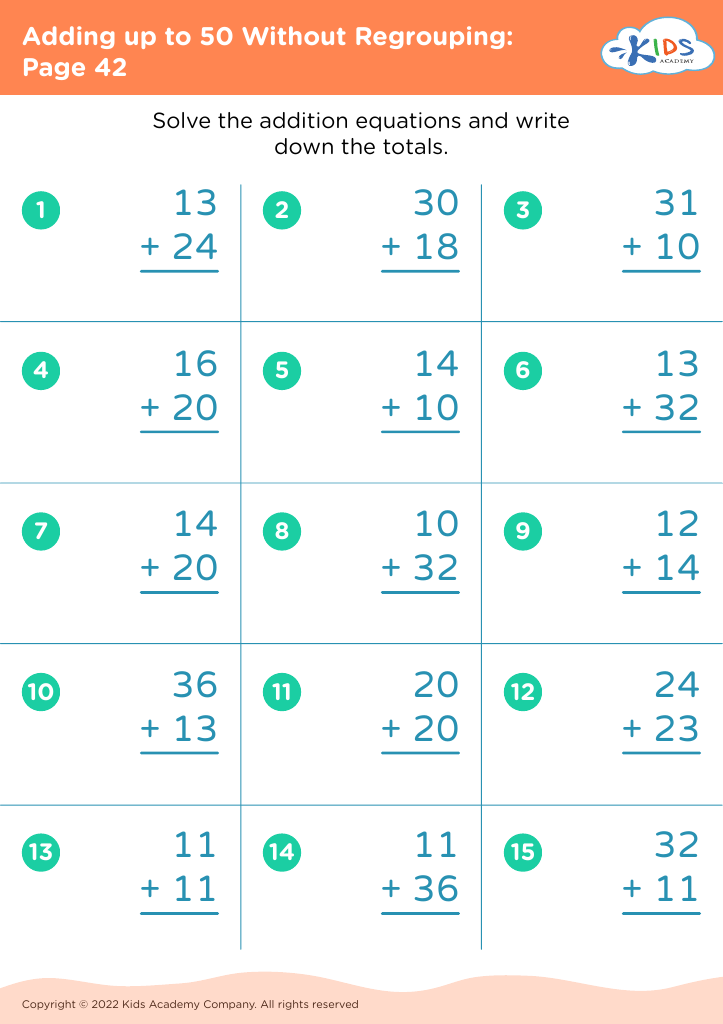
Unlock your child's potential with our Enhance Logical Thinking Math Worksheets for Ages 3-7. Tailored to develop logical reasoning, these engaging activities introduce foundational math concepts through fun puzzles and problem-solving exercises. From pattern recognition to basic arithmetic, each worksheet is designed to stimulate critical thinking and build confidence. Perfect for young learners, our printable worksheets provide a solid foundation that will support future academic success. Great for both classroom and at-home learning, give your child the tools to thrive with Kids Academy's expertly crafted resources. Start their math journey today and watch them excel!
Favorites
With answer key
Interactive
Join Kids Academy for Free
Who is primarily going to use this learning content?








Enhancing logical thinking in math for ages 3-7 is crucial as it lays the foundation for future learning and problem-solving skills. At this developmental stage, children's brains are rapidly growing, and they are inherently curious and eager to explore the world around them. Engaging them in logical thinking tasks helps develop critical cognitive abilities, such as reasoning, pattern recognition, and sequential thought processes.
Logical thinking is integral to various aspects of everyday life and learning. By fostering these skills early, children acquire the ability to approach problems methodically, evaluate different solutions, and make informed decisions. This heightened level of thinking not only enhances their mathematical abilities but also improves their performance in other subjects and real-world situations.
Incorporating logical thinking activities in math also promotes persistence and boosts confidence. When children successfully solve problems through logical reasoning, they develop a sense of accomplishment and are more likely to undertake challenging tasks in the future. Additionally, these skills are instrumental in fostering creativity, as they encourage children to think outside the box and explore multiple solutions to a given problem.
Ultimately, by prioritizing the development of logical thinking in young children, parents and teachers equip them with essential tools, leading to academic success and empowering them to navigate a complex world.








