Fine motor development Math Worksheets for Ages 3-7
7 filtered results
-
From - To
Enhance your child's fine motor skills while nurturing their math abilities with our engaging Fine Motor Development Math Worksheets, designed for ages 3-7. These worksheets combine fun and learning, promoting hand-eye coordination, dexterity, and precision as children draw lines, color shapes, and trace numbers. Our carefully crafted activities help little ones develop essential skills needed for both writing and mathematical problem-solving. Ideal for teachers and parents, these worksheets provide a seamless way to encourage early math practice while fostering fine motor growth. Explore our printable resources and watch your child thrive creatively and academically in a playful learning environment!
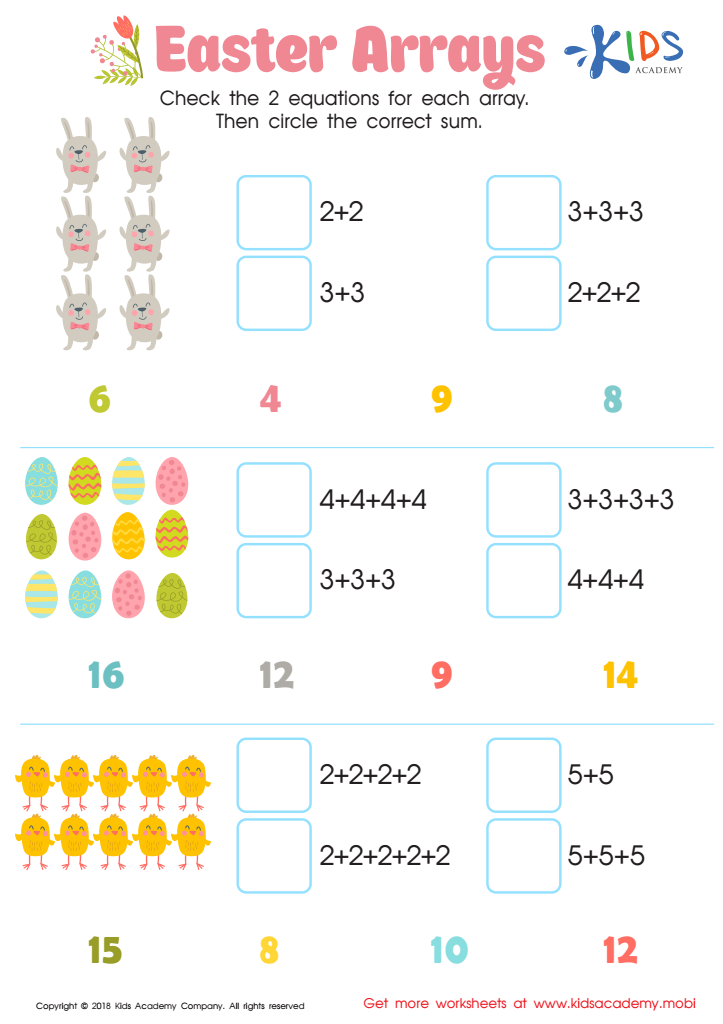
Easter Arrays Worksheet
 Assign to My Students
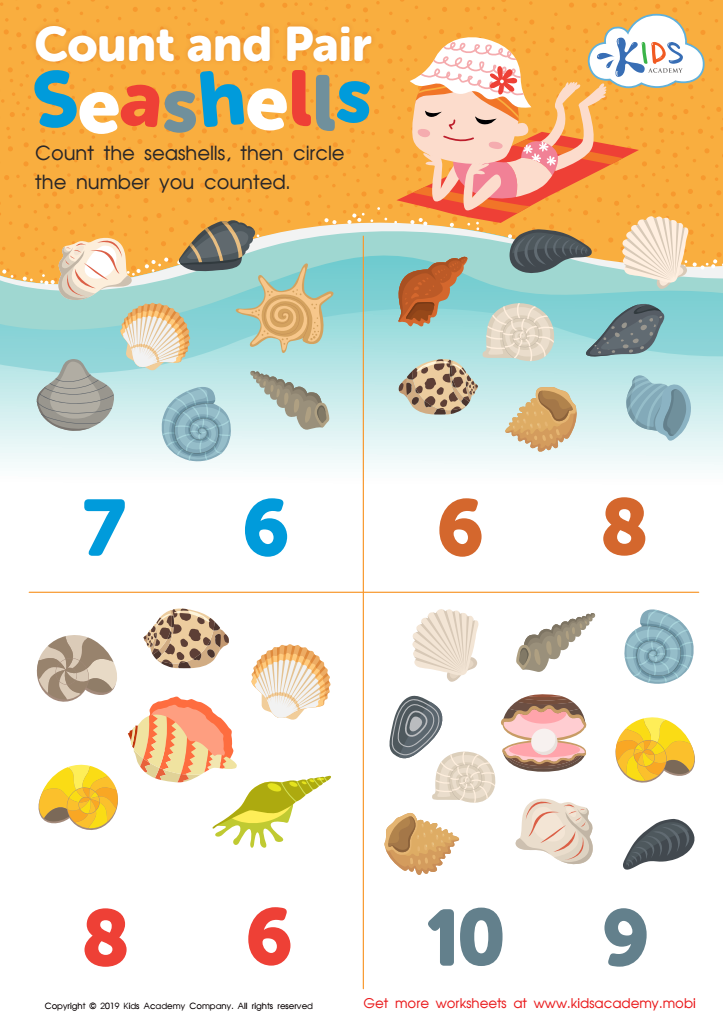
Count and Pair Seashells Worksheet
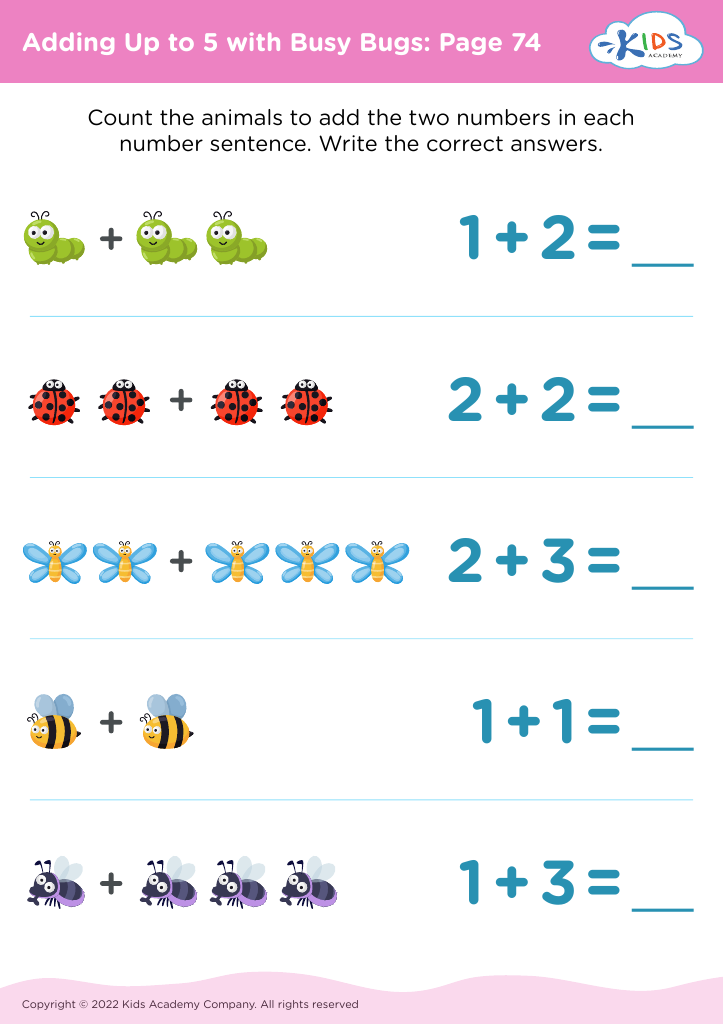
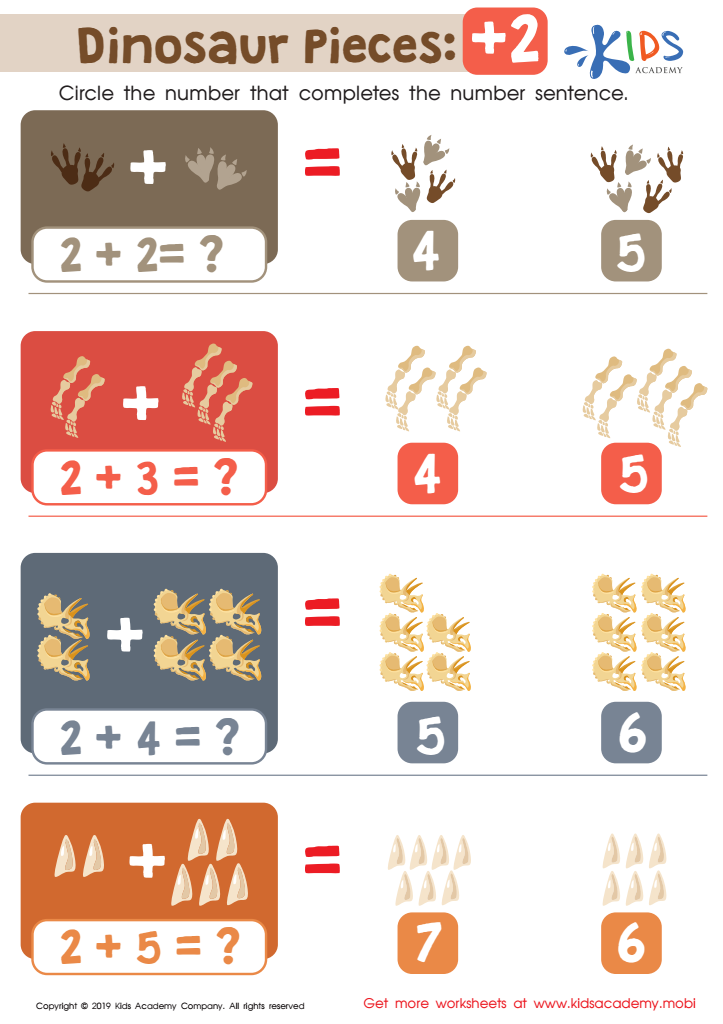
Dinosaur Pieces: +2 Worksheet
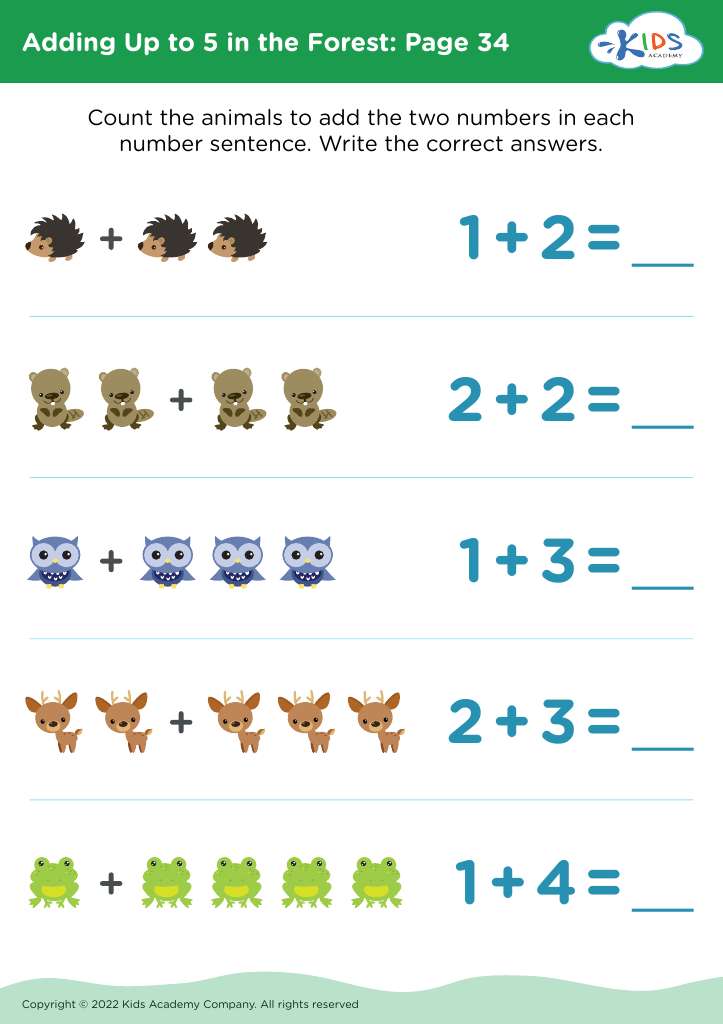

Shapes Worksheet
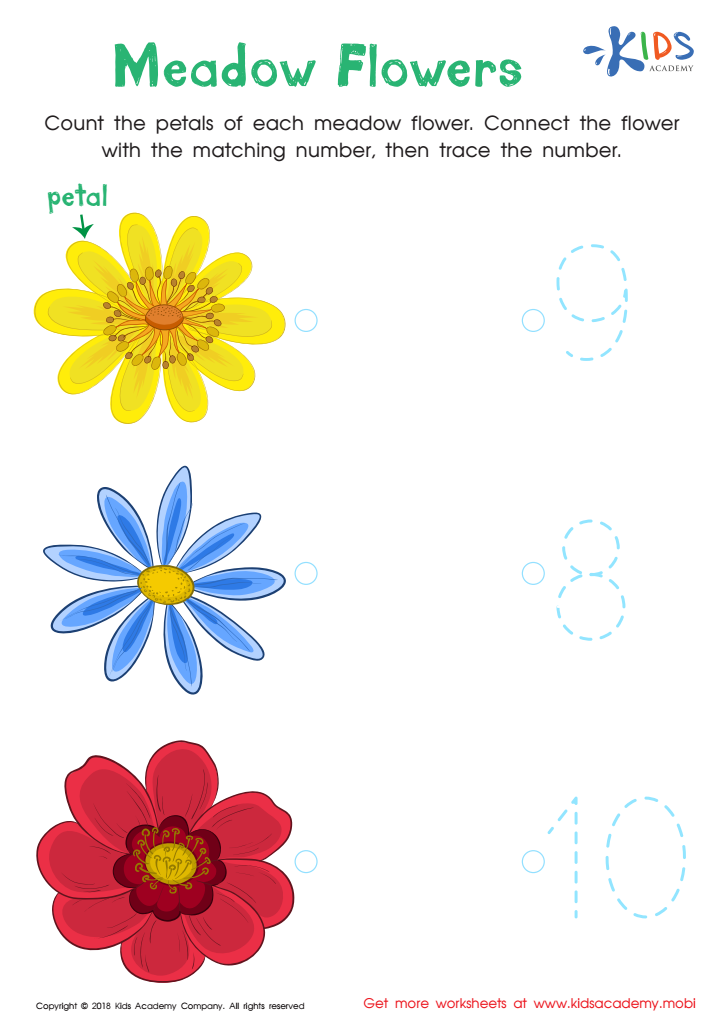
Kindergarten Number Tracing: Medow Flowers Worksheet





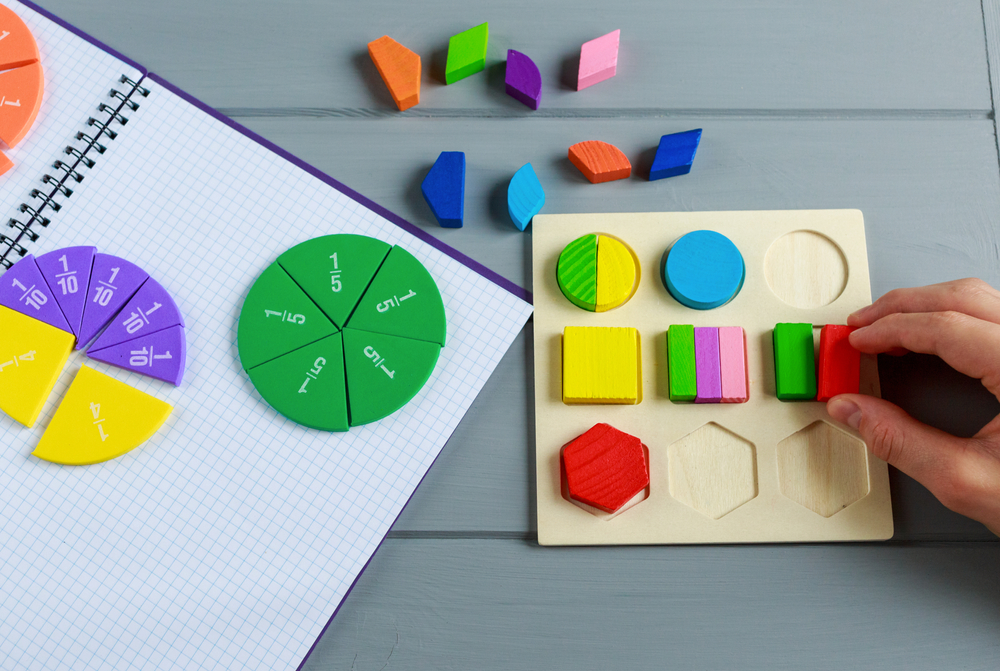


Fine motor development plays a crucial role in the learning process for children aged 3 to 7, especially in math-related activities. As children refine their fine motor skills, they improve their ability to manipulate tools, which is essential for understanding mathematical concepts. Activities such as using scissors, writing numbers, and counting with small objects enhance hand-eye coordination, dexterity, and concentration.
Moreover, fine motor skills are directly linked to early mathematical understanding. Tasks like sorting, stacking, and creating patterns not only require fine motor engagement but also lay the foundation for concepts like number recognition, spatial awareness, and problem-solving. When children can physically interact with materials, they are more likely to understand and retain mathematical concepts.
Additionally, honing these skills can boost a child's confidence and independence. Mastering tasks that require fine motor control encourages a sense of achievement, which can positively impact a child's overall motivation to engage in learning, including math.
Therefore, parents and teachers should pay attention to fine motor development, as it is a pivotal aspect that enriches children’s mathematical learning experiences, setting the stage for future academic success and fostering a love for learning.








