Fine Motor Skills Math Worksheets for Ages 3-7 - Page 9
199 filtered results
-
From - To
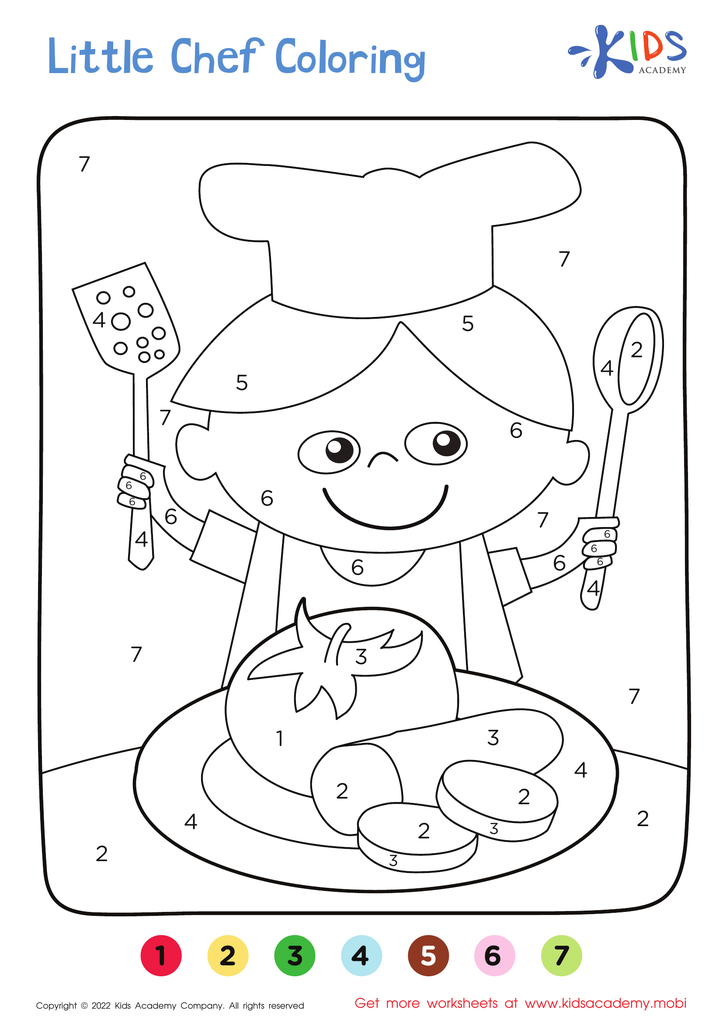
Little Chef – Coloring by Numbers
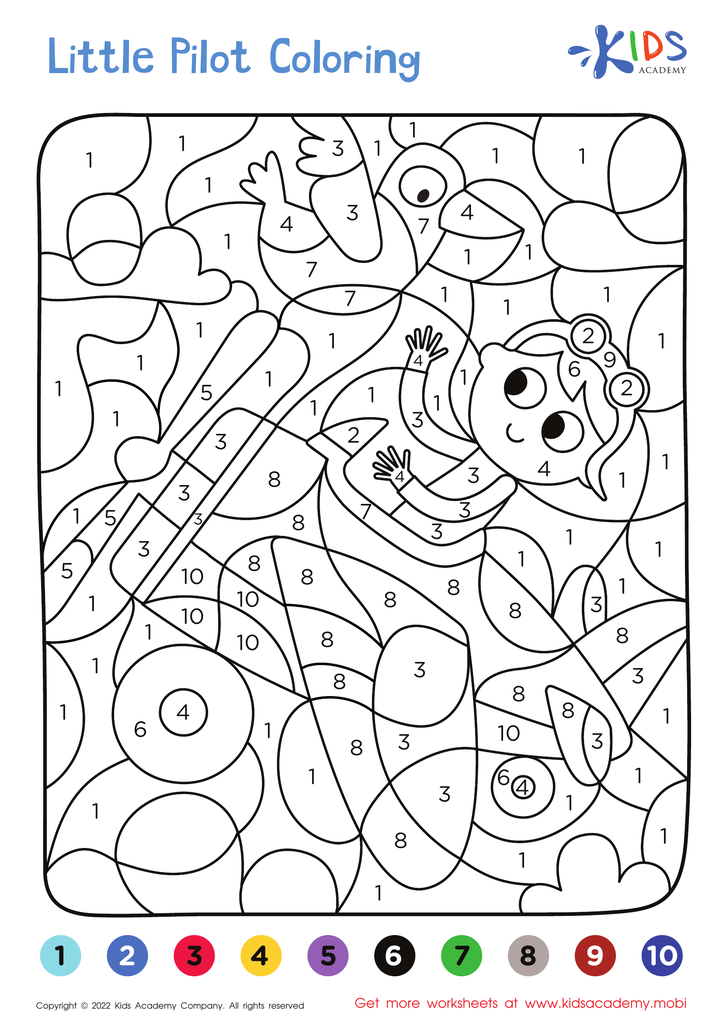
Little Pilot – Coloring by Numbers
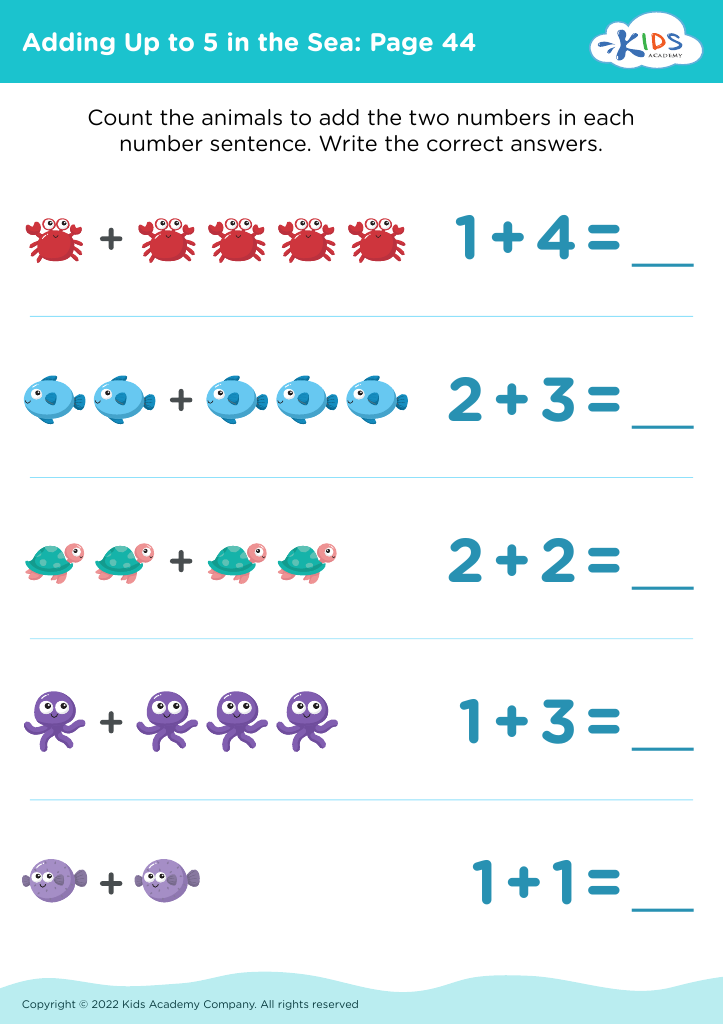
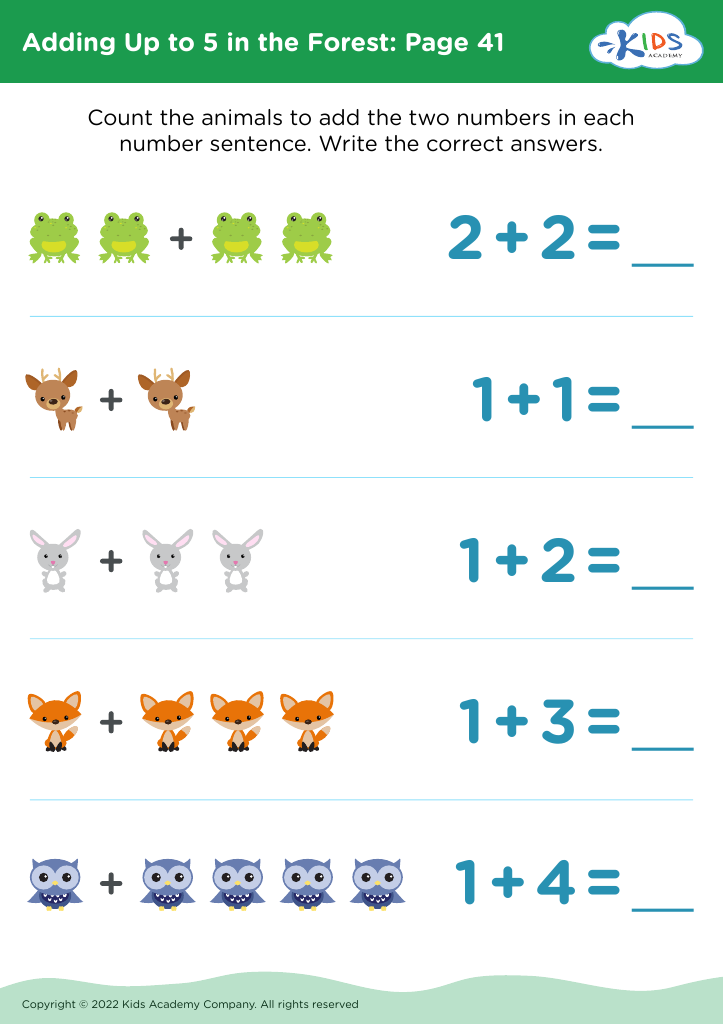
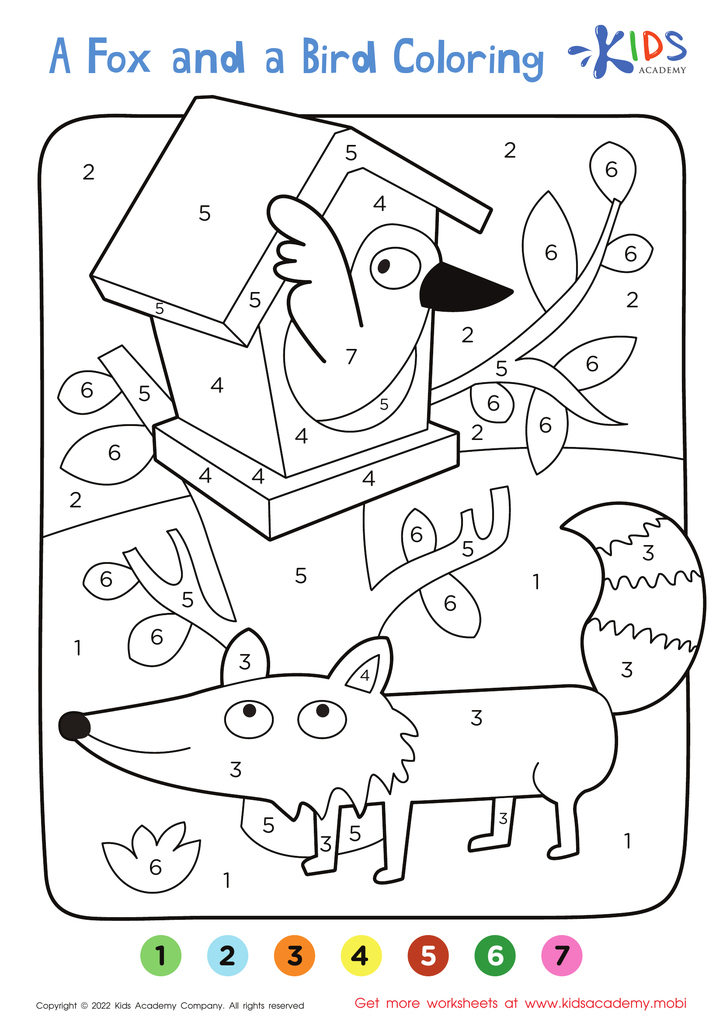
A Fox and a Bird – Coloring by Numbers
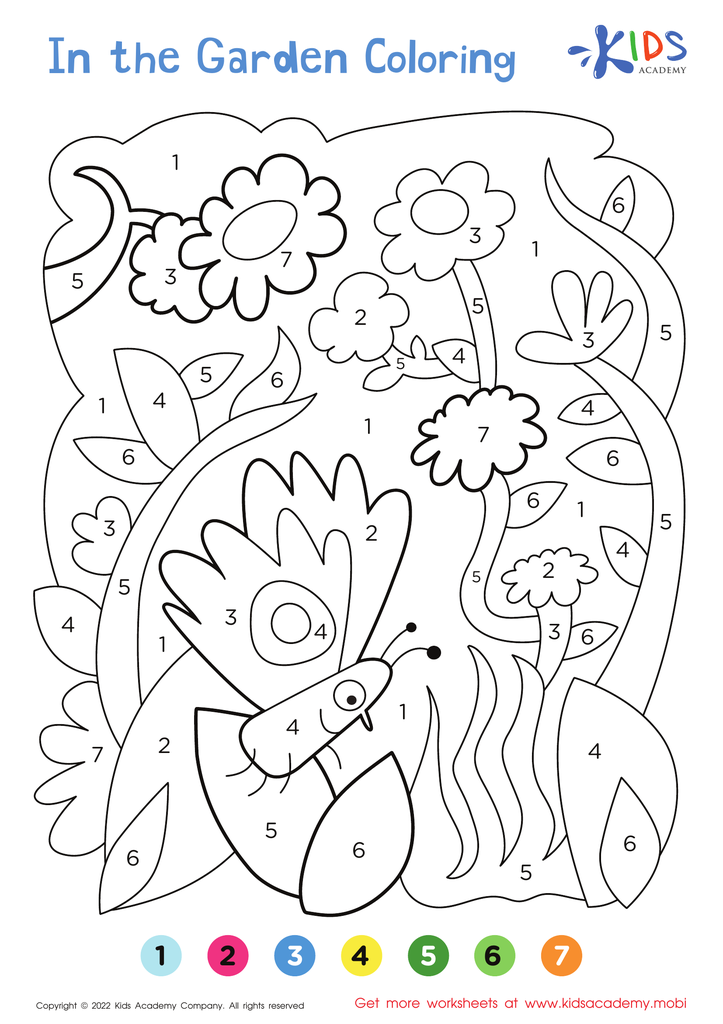
In the Garden – Coloring by Numbers
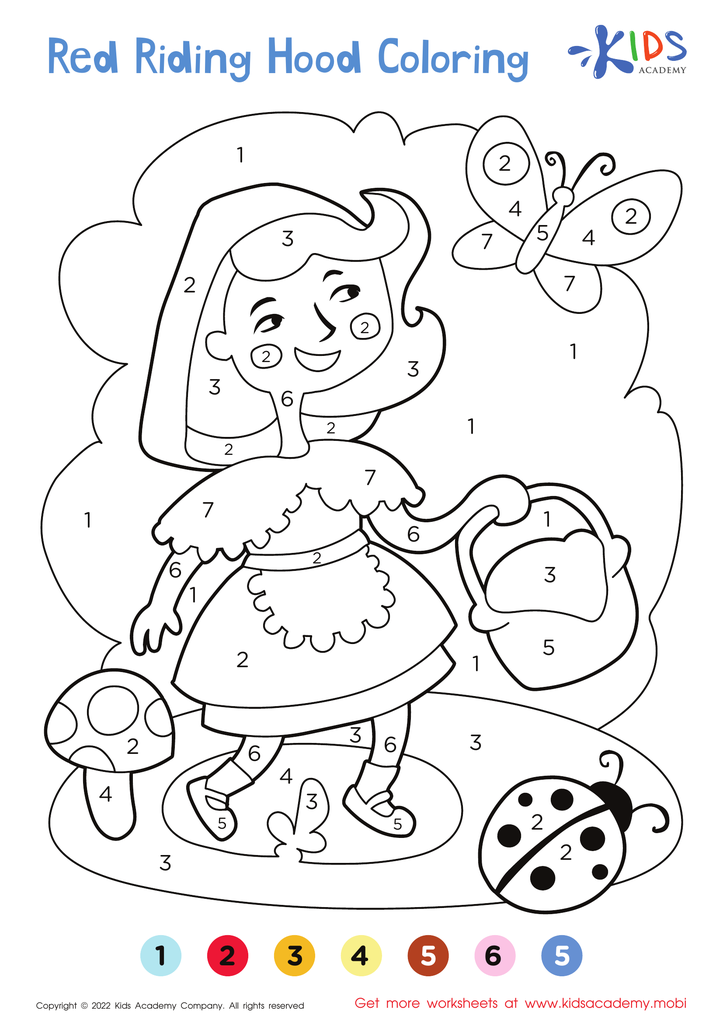
Little Red Riding Hood – Coloring by Numbers




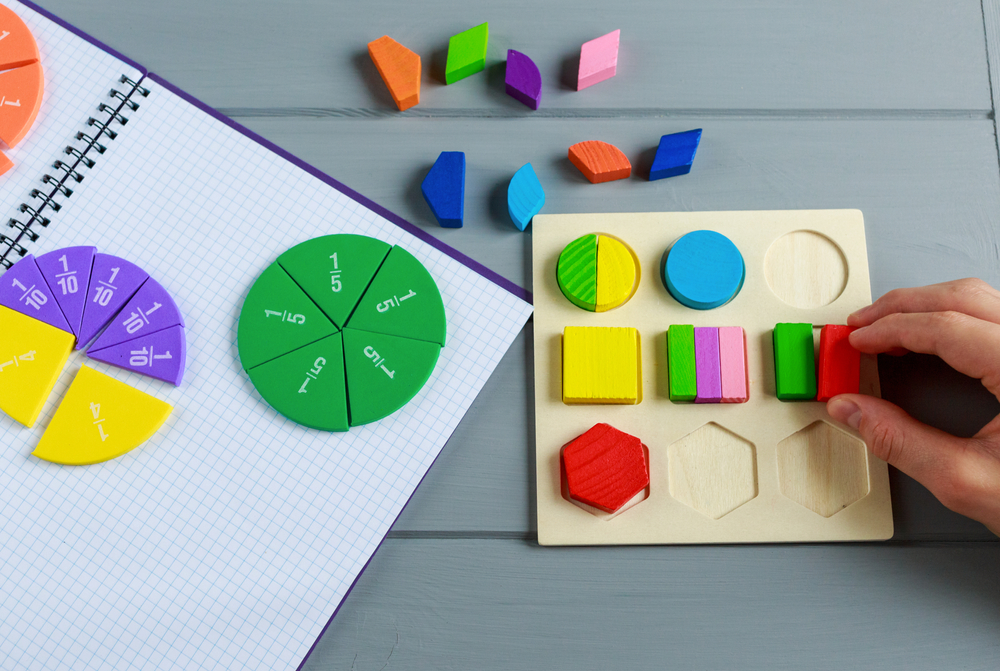



Fine motor skills, which involve the coordination of small muscles in the hands and fingers, play a crucial role in early childhood development and learning, particularly in math for children aged 3-7. These skills are foundational for various tasks such as writing, cutting with scissors, and manipulating objects, all of which are integral to engaging in math activities and learning.
When children engage in fine motor skill activities such as sorting objects, stringing beads, or using pinchers, they are honing their ability to manage simple tools and develop hand-eye coordination. These actions are directly connected to their ability to grasp mathematical concepts. For example, the act of picking up small items can help with understanding counting and quantities, while activities like fitting shapes into appropriate spots facilitate spatial awareness and geometric understanding.
Furthermore, developing fine motor skills at an early age sets the stage for future academic success. As children learn to control their hand movements, they become more adept at writing numbers, drawing shapes, and filling out workbooks, which are essential components of their educational progress. Additionally, achieving proficiency in these skills builds confidence and independence.
Therefore, both parents and teachers should prioritize fine motor skills development within the math curriculum, as it equips children with crucial tools for lifelong learning and academic achievement. Engaging activities that blend fun with skill-building can make a significant difference in a child's educational journey.








