Fraction conversion Math Worksheets for Ages 3-7
3 filtered results
-
From - To
Introduce your young learners to the world of fractions with our engaging Fraction Conversion Math Worksheets for Ages 3-7! Designed to make math fun and accessible, these printable worksheets offer visual aids and interactive activities that transform tricky concepts into enjoyable learning experiences. Tailored for children, each worksheet simplifies fraction conversion, using relatable examples to build strong foundational skills. Perfect for classrooms or at-home practice, these resources will boost your child’s confidence and proficiency in math. Encourage early math success and a love for learning with our expertly crafted fraction worksheets!
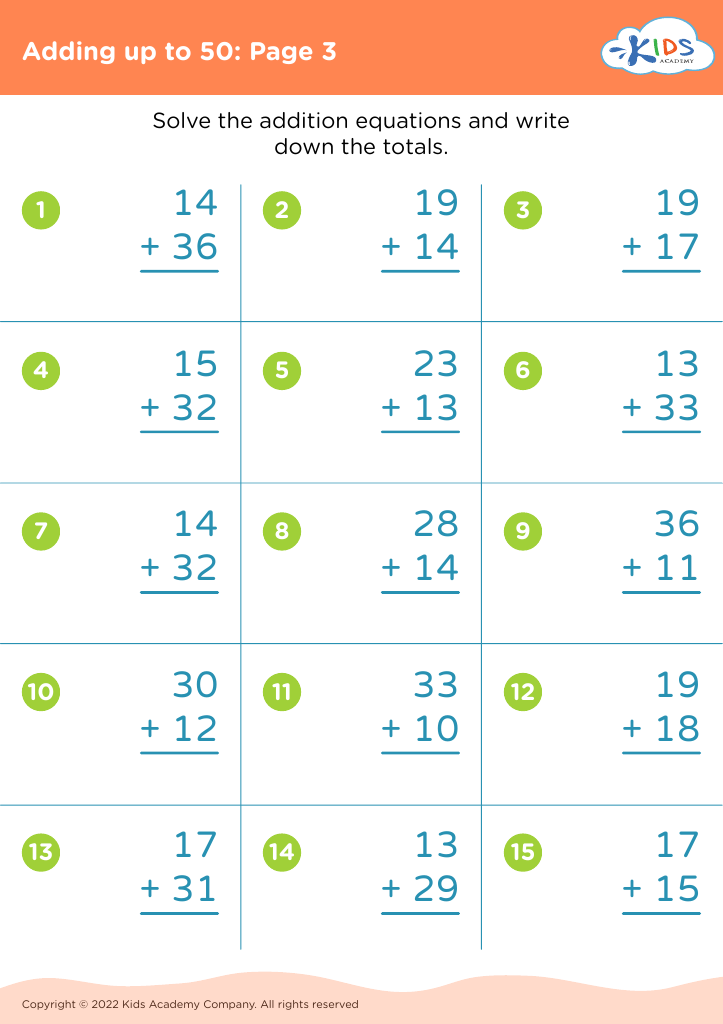
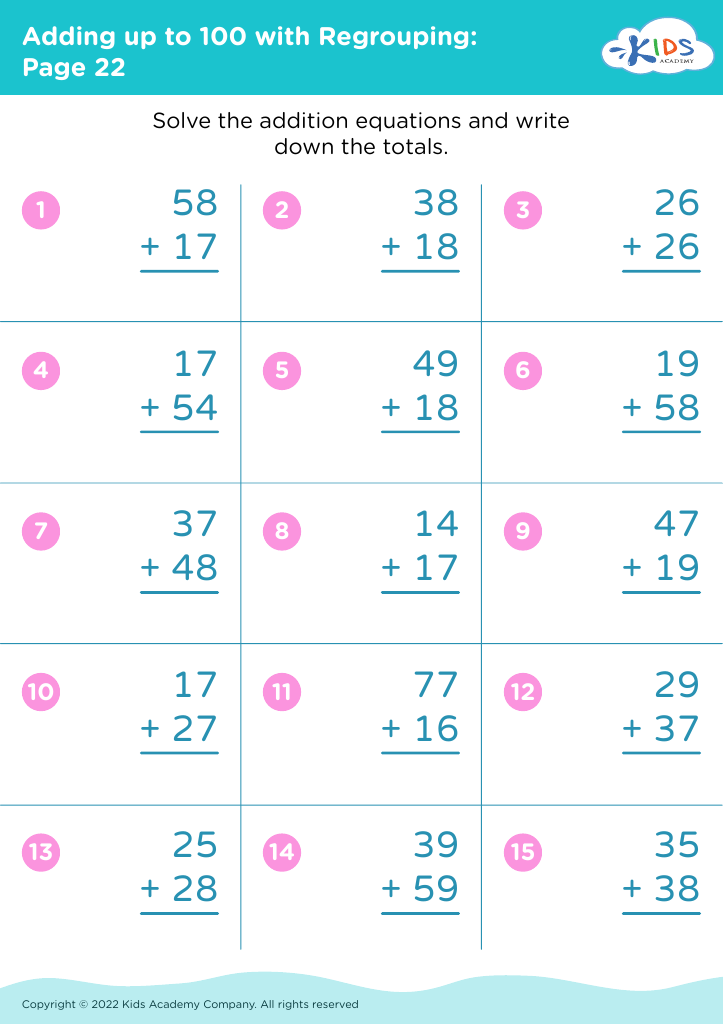
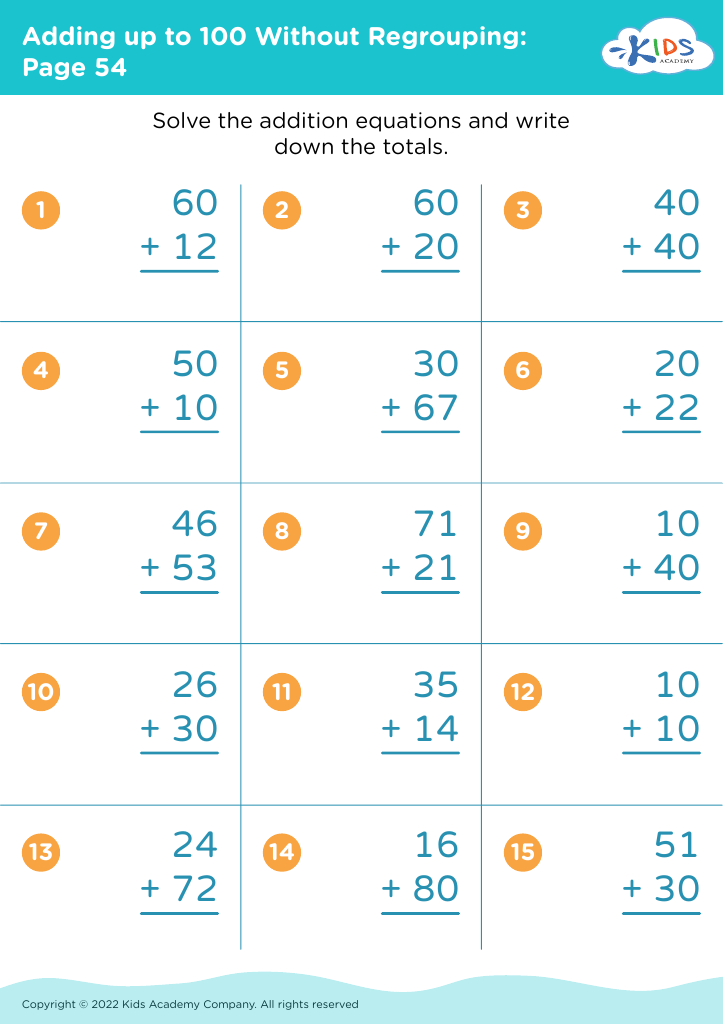







Understanding fractions and their conversion is crucial for young learners (ages 3-7) as it forms the foundation for mathematical literacy. During early childhood, the brain is highly receptive to new concepts, making it the perfect time to introduce basic numerical skills that will support more complex mathematical understanding in the future.
Learning fraction conversions helps children develop critical thinking and problem-solving abilities. For instance, recognizing that 1/2 is the same as 2/4 builds flexibility in thinking and deepens their understanding of numbers and operations. These skills go beyond mathematics, aiding in logical reasoning and real-life decision-making.
Additionally, early exposure to fractions helps reduce math anxiety later. When children encounter fractions repeatedly in non-threatening, playful contexts, they are less likely to see them as intimidating. This early familiarity can make advanced mathematical topics, such as algebra, less daunting.
Parents and teachers play key roles in this early education. Interactive games, using everyday objects (like slices of a pizza), and encouraging questions all turn fraction learning into a fun, engaging activity. Caring about these foundational math skills is an investment in a child's academic success and overall cognitive development. By prioritizing early math literacy, parents and teachers equip children with essential tools for lifelong learning.








