Improve fine motor skills Math Worksheets for Ages 3-7
3 filtered results
-
From - To
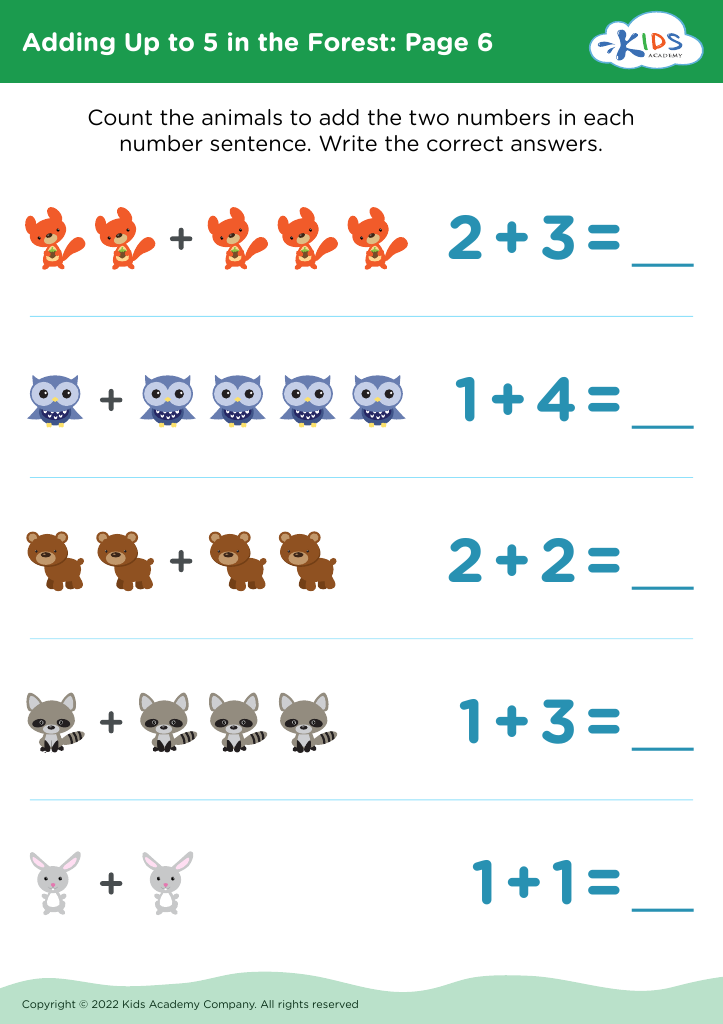
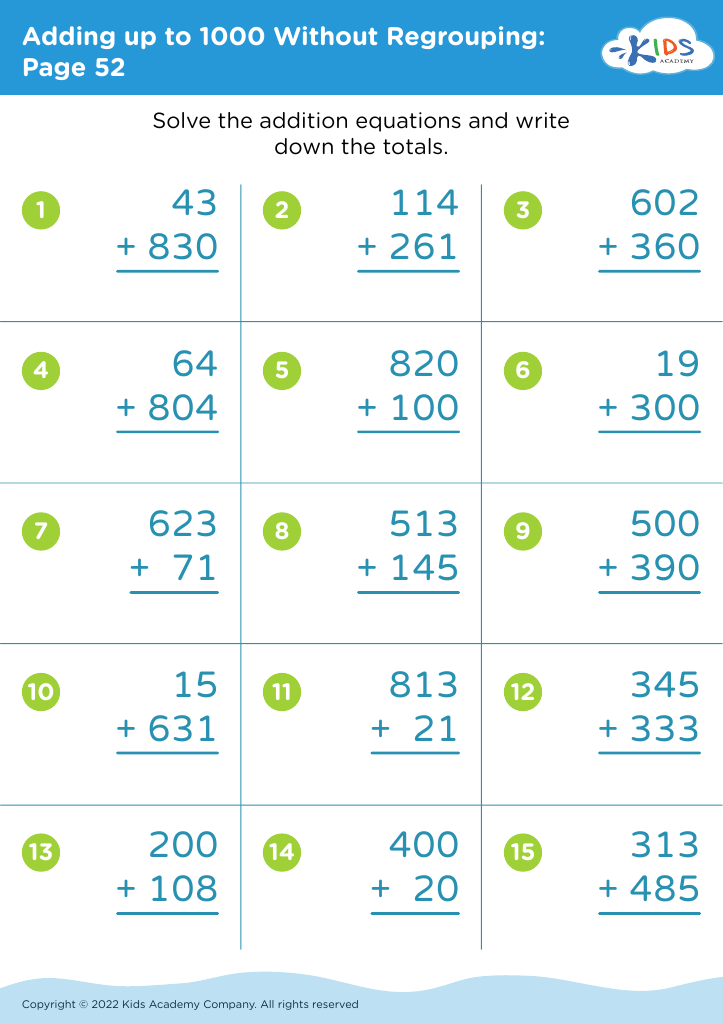
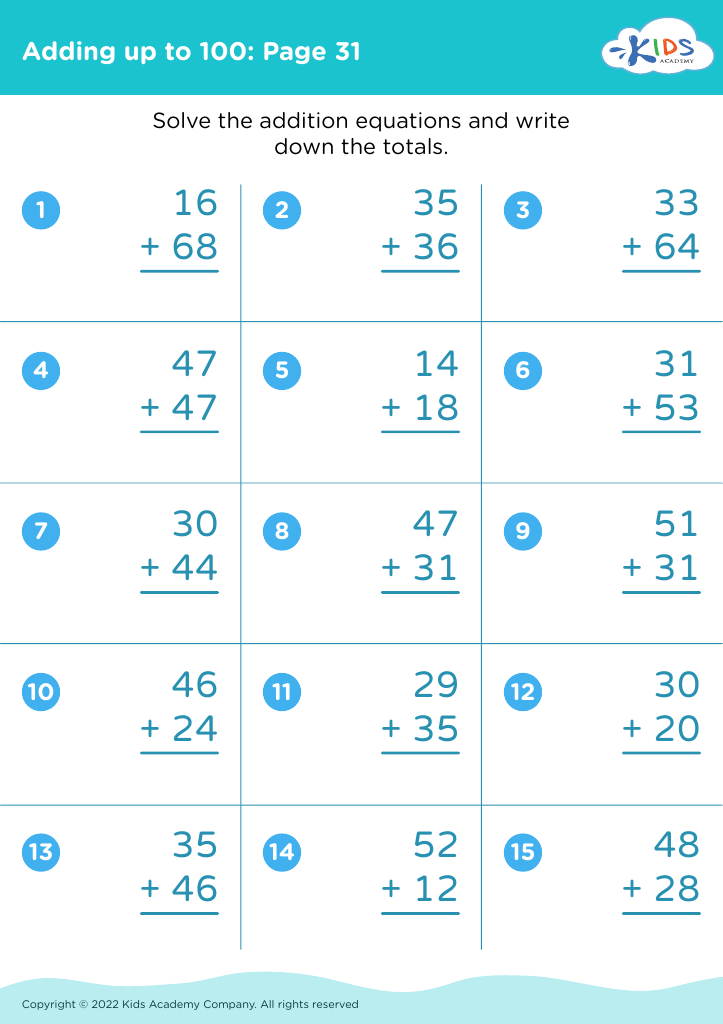
Boost your child's fine motor skills and math proficiency with our engaging "Improve Fine Motor Skills Math Worksheets for Ages 3-7." Designed by educational experts, these printable worksheets offer fun, hands-on activities that enhance both dexterity and numerical understanding. Kids will enjoy tracing, drawing, cutting, and pasting while practicing crucial math concepts. Perfect for preschool to early elementary ages, these exercises foster pencil control and hand-eye coordination. Tailored to young learners, our worksheets make mastering math basics fun and interactive. Visit our site to find the perfect resources to support your child’s developmental and educational journey.



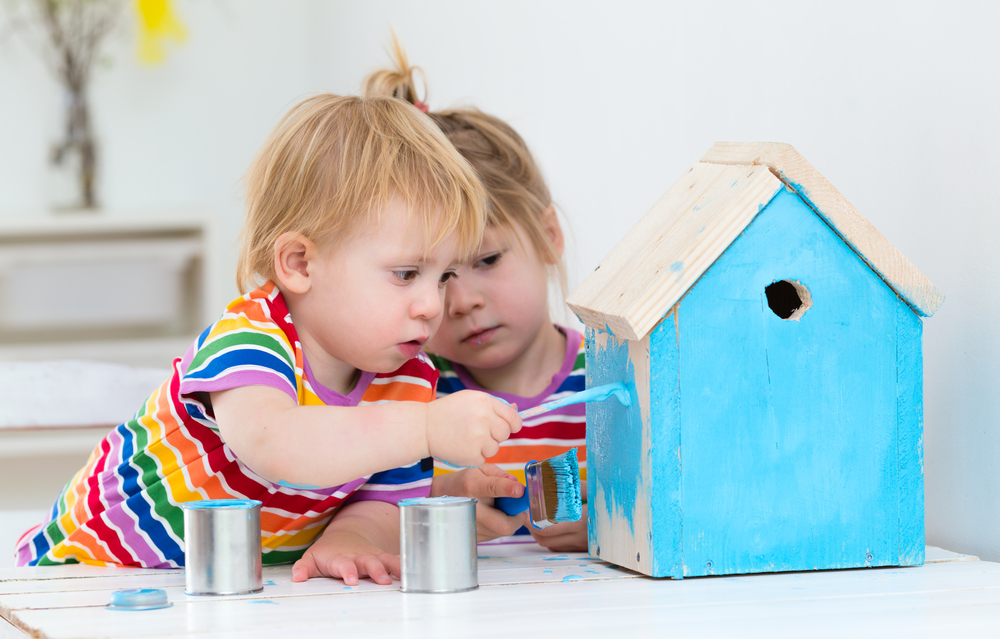



Parents and teachers should care about improving fine motor skills and math abilities in children ages 3-7 because these foundational skills are crucial for overall development and future academic success. Fine motor skills involve the coordination of small muscles in the hands and fingers, which are essential for tasks like writing, buttoning clothes, and using scissors. Developing these skills early helps children become more independent and confident in their abilities.
Math skills in early childhood, on the other hand, form the basis for more complex mathematical concepts encountered later in life. Early math instruction helps children understand numbers, shapes, and patterns, which are foundational for problem-solving skills and logical thinking. Integrating fine motor skills with math, through activities like counting beads, sorting shapes, and tracing numbers, makes learning more engaging and effective.
Research has shown that children who enter school with strong fine motor and math skills tend to perform better academically as they progress. Early intervention and focused activities can lead to improved outcomes in reading, math, and even social-emotional skills. By prioritizing the improvement of these capabilities, parents and teachers can provide children with the tools they need for a successful and confident journey through their educational careers.








