
Improve number recognition Math Worksheets for Ages 3-7
15 filtered results
Difficulty Level
Grade
Age
-
From - To
Subject
Activity
Standards
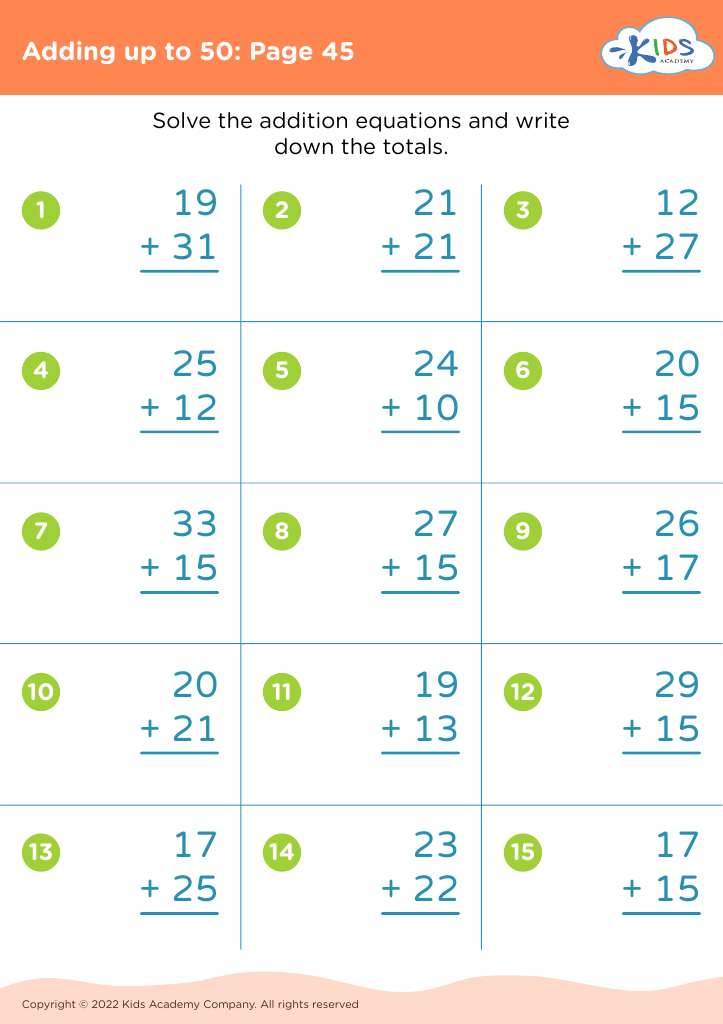
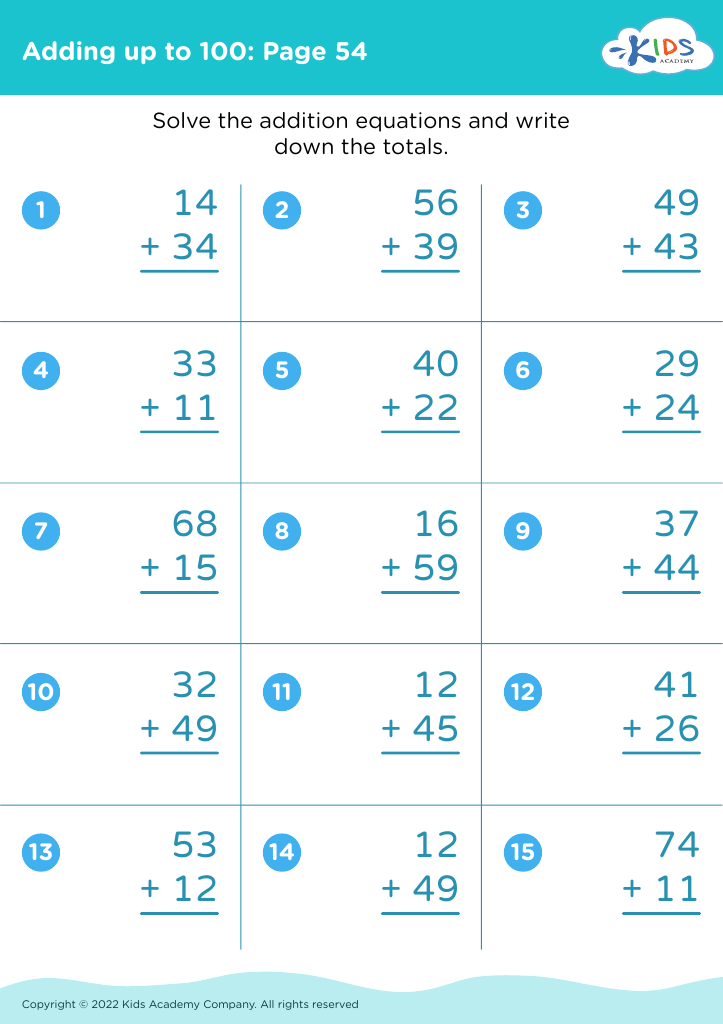
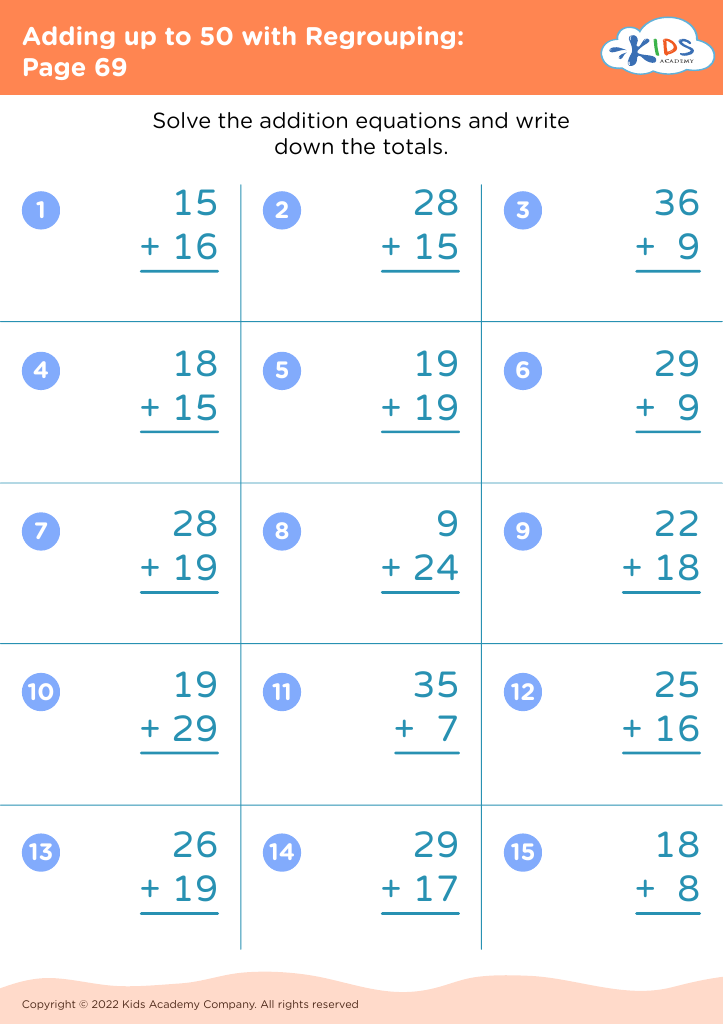
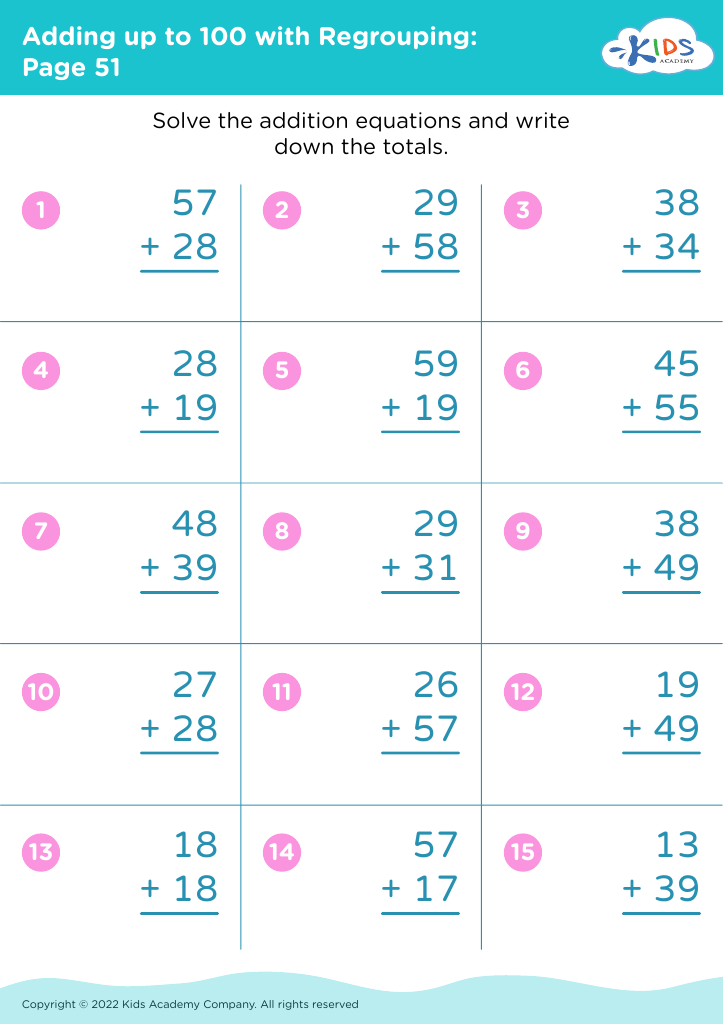
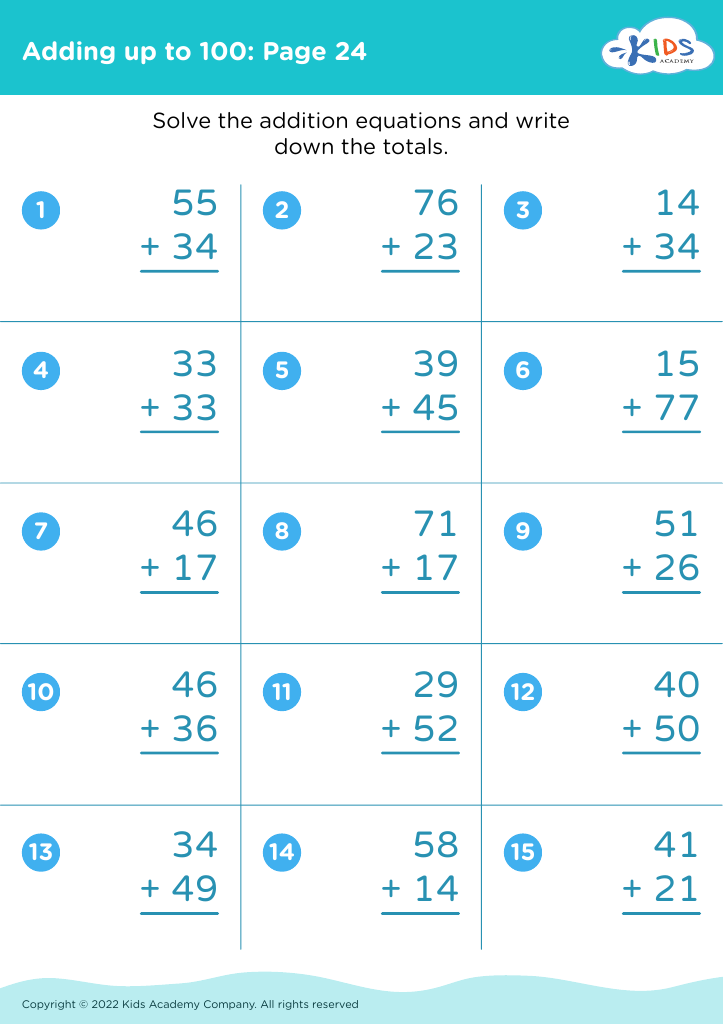
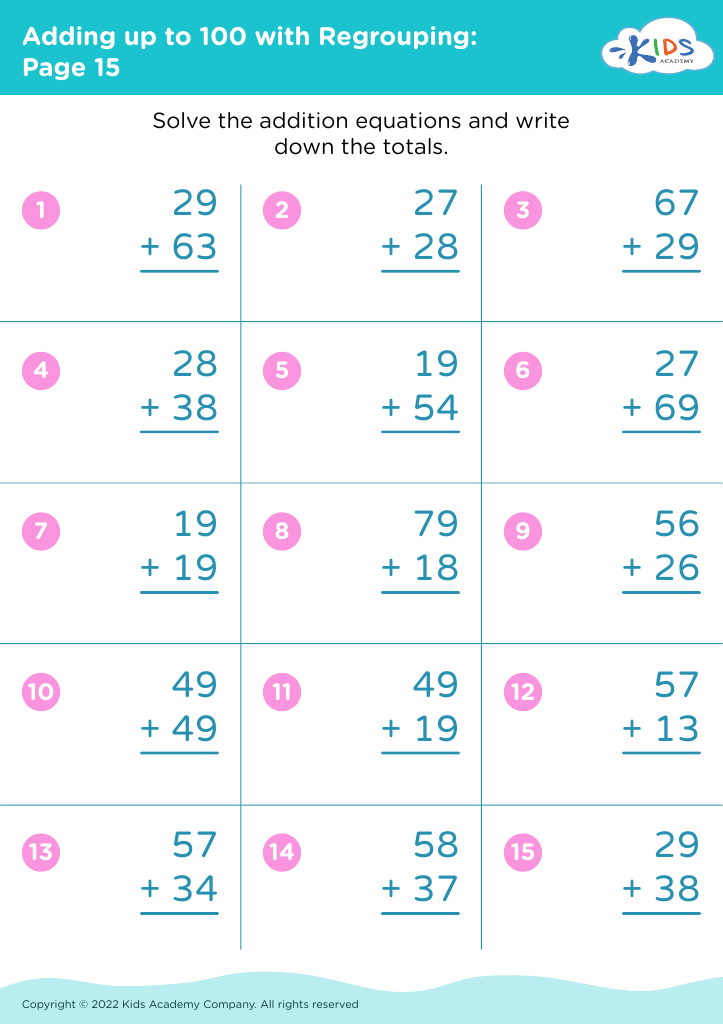
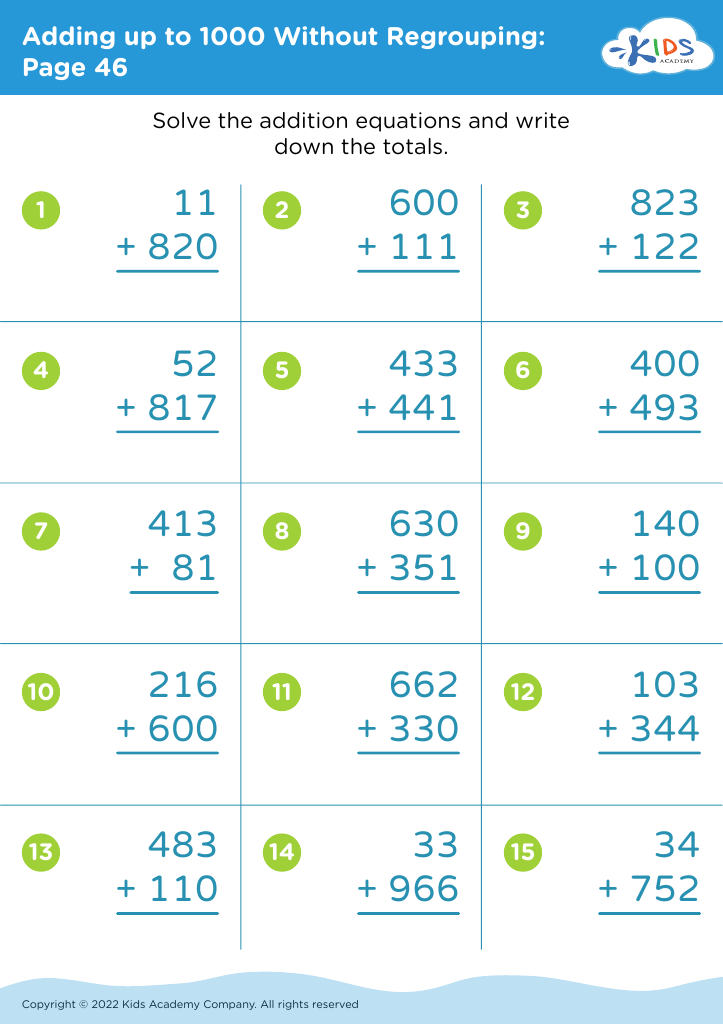
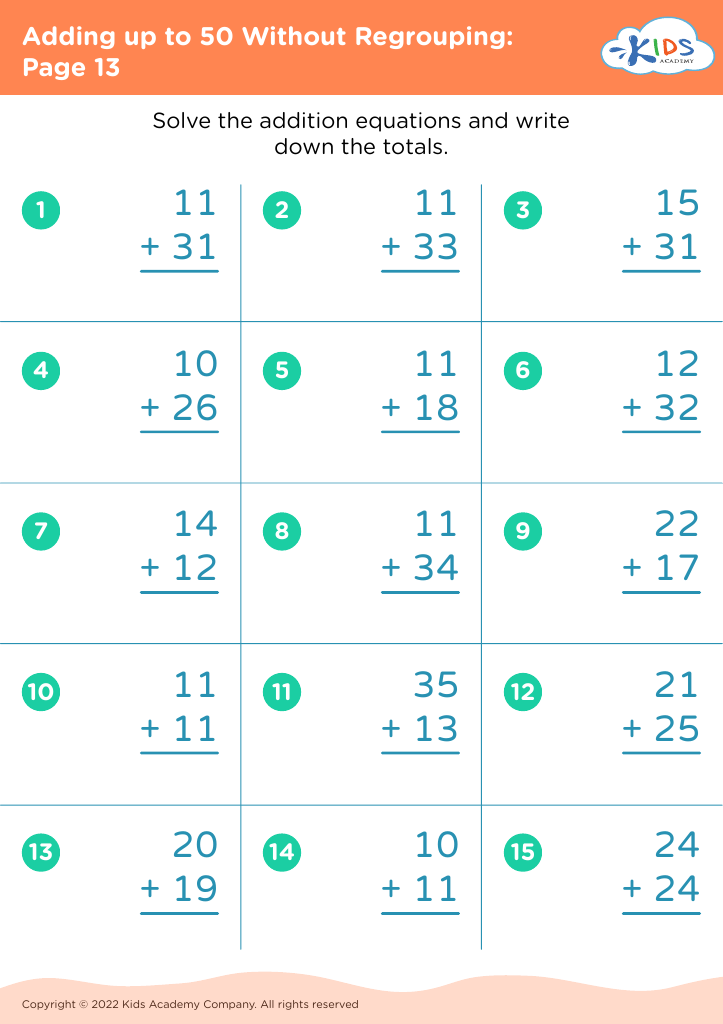
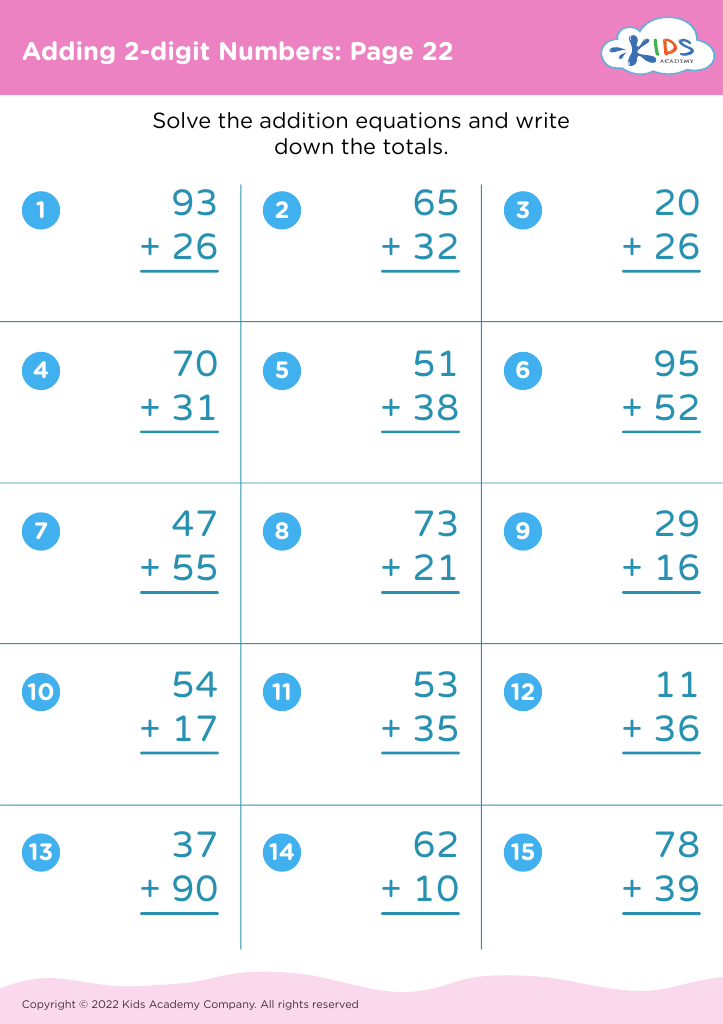
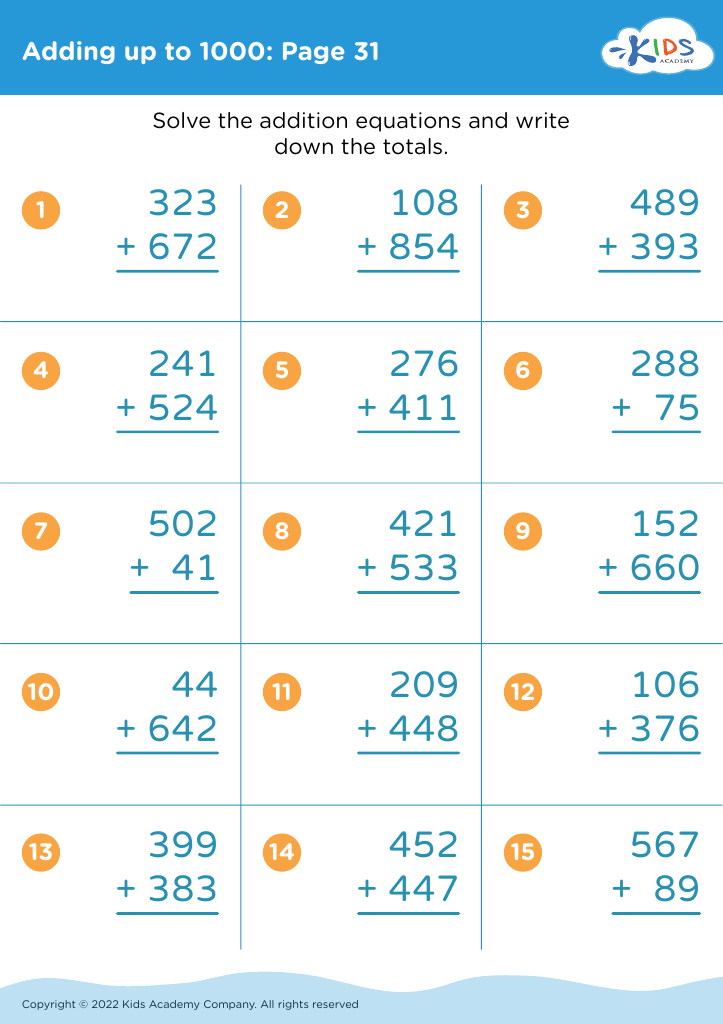
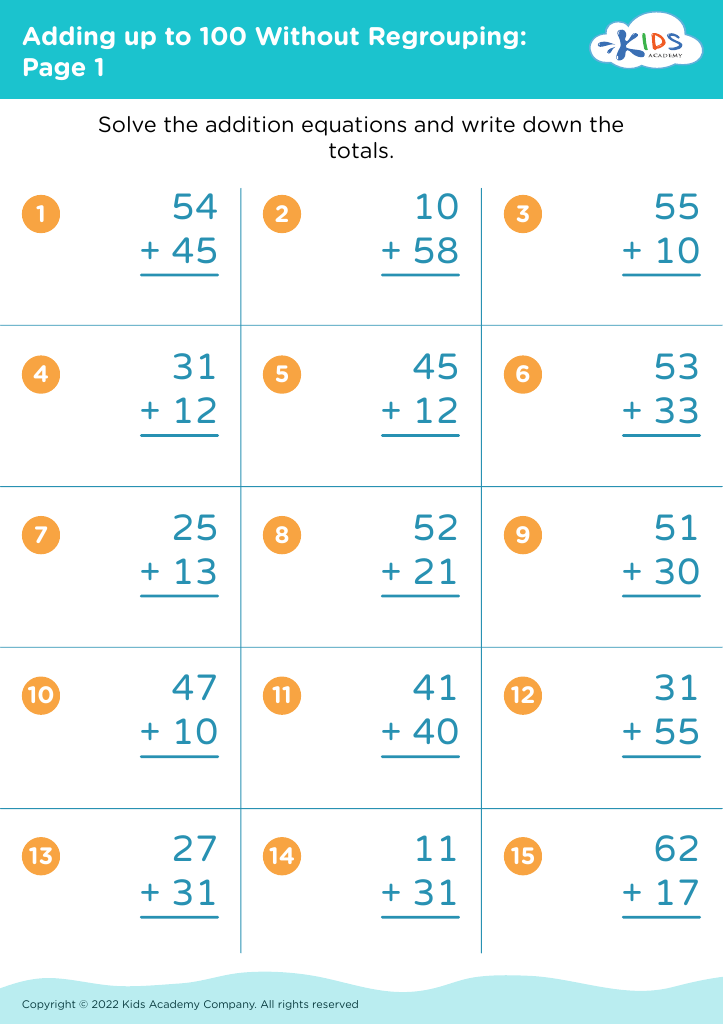
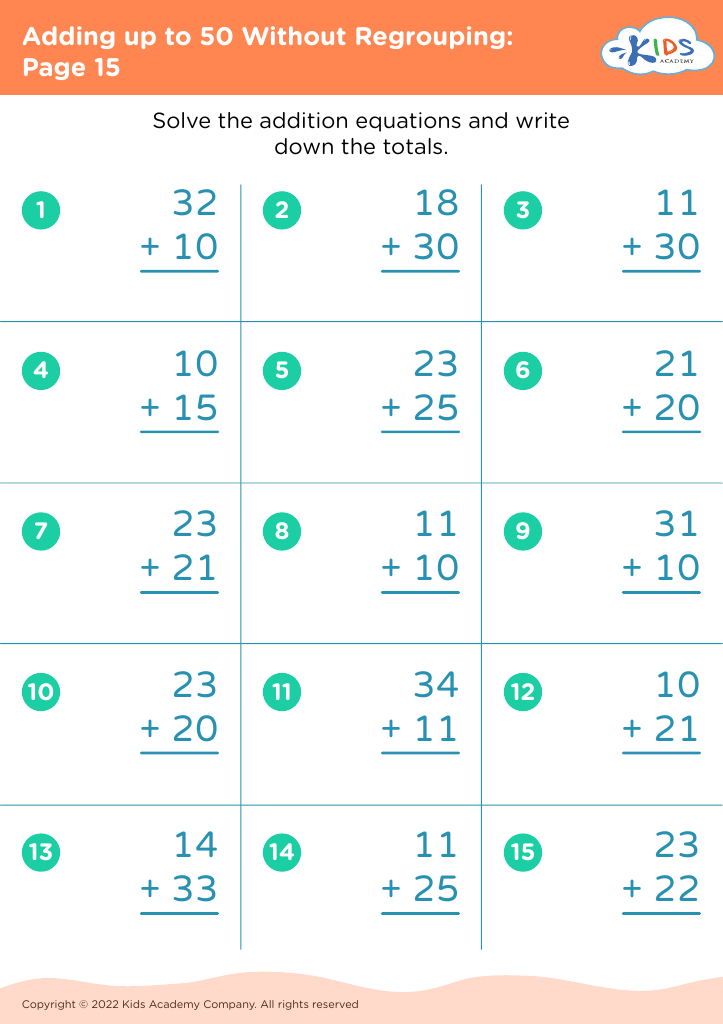
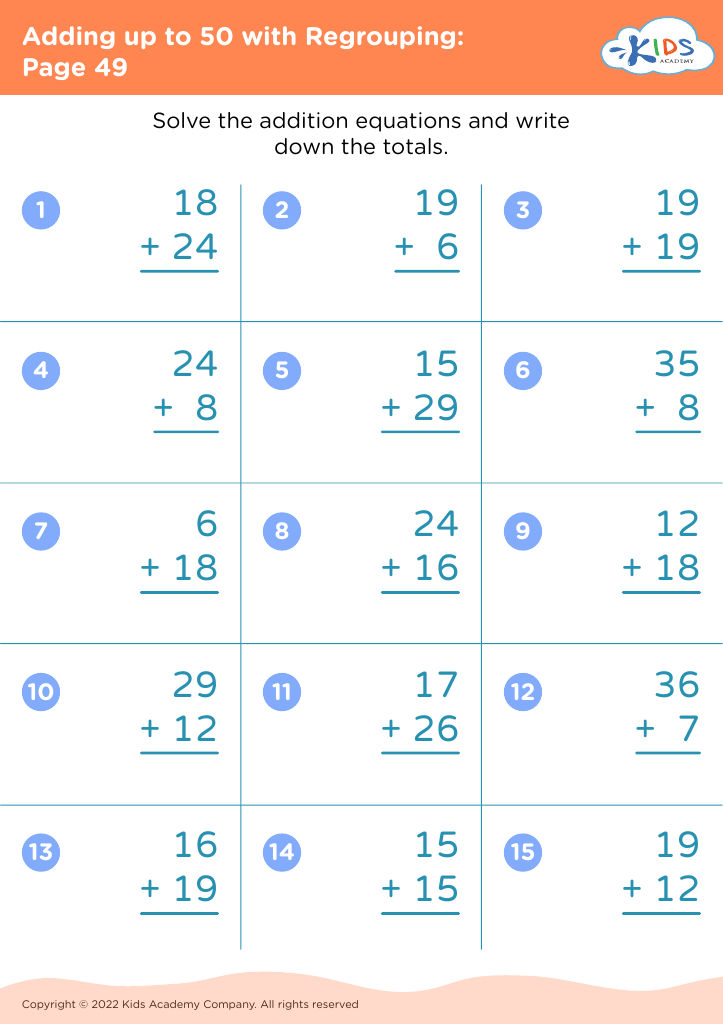
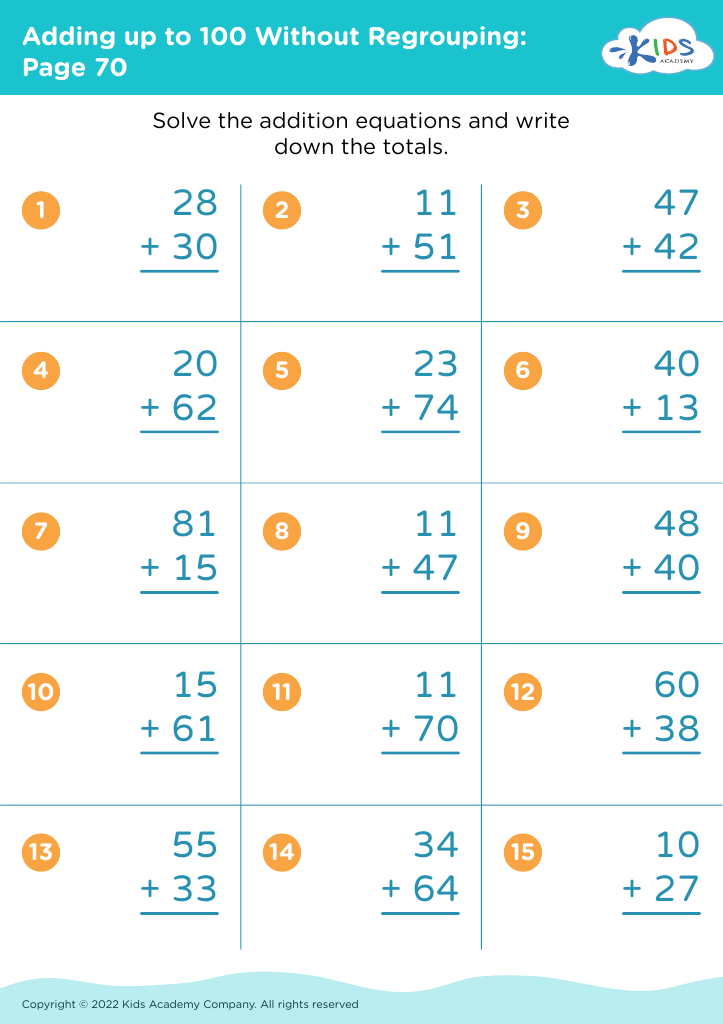
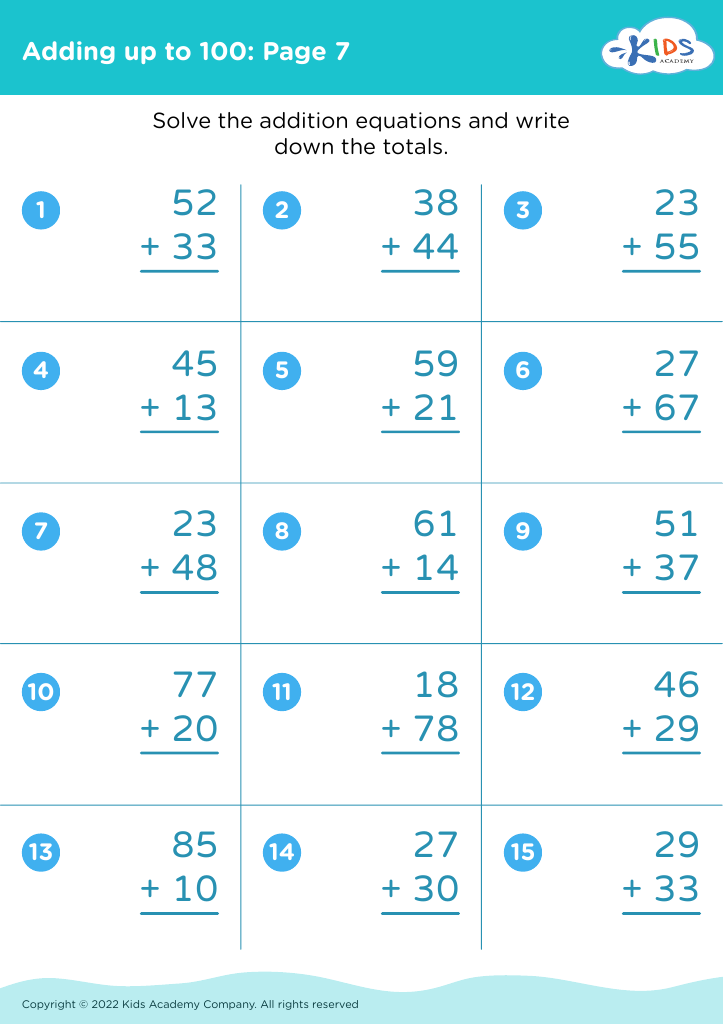
Enhance your child's number recognition skills with our engaging Math Worksheets designed for ages 3-7! These thoughtfully crafted printable activities provide an interactive way to help young learners identify and understand numbers through fun exercises. Featuring vibrant visuals and interesting challenges, our worksheets make learning enjoyable and effective. Ideal for preschool and early elementary students, these resources promote essential math skills while fostering a love for numbers. Whether in the classroom or at home, our materials support various learning styles and encourage preschoolers to recognize numbers confidently. Start your child’s math journey today with our delightful, easy-to-use worksheets!
Favorites
With answer key
Interactive
Join Kids Academy for Free
Who is primarily going to use this learning content?




.jpg)



Parents and teachers should prioritize improving number recognition for children aged 3-7, as it lays the groundwork for future mathematical understanding and problem-solving skills. During these formative years, children are in a critical stage of cognitive development where they begin to grasp basic concepts related to numbers and quantities. Early number recognition helps in developing their ability to count, recognize patterns, and understand more complex mathematical operations as they progress through school.
Furthermore, strong number recognition skills are linked to better performance in math later in life. Children who can identify numbers confidently are more likely to engage in math-related activities and pursue subjects like science, technology, engineering, and mathematics (STEM) as they grow. This skill also promotes self-esteem and encourages a positive attitude towards learning.
By integrating number recognition into daily activities through games, storytelling, and interactive exercises, parents and teachers can create a rich learning environment that fosters curiosity and enthusiasm for math. Ensuring that children are comfortable with numbers at an early age not only boosts their academic readiness but also equips them with essential life skills they will carry into adulthood. Investing time in developing these foundational skills truly prepares young learners for future successes.








