Improve problem-solving skills Math Worksheets for Ages 3-7
6 filtered results
-
From - To
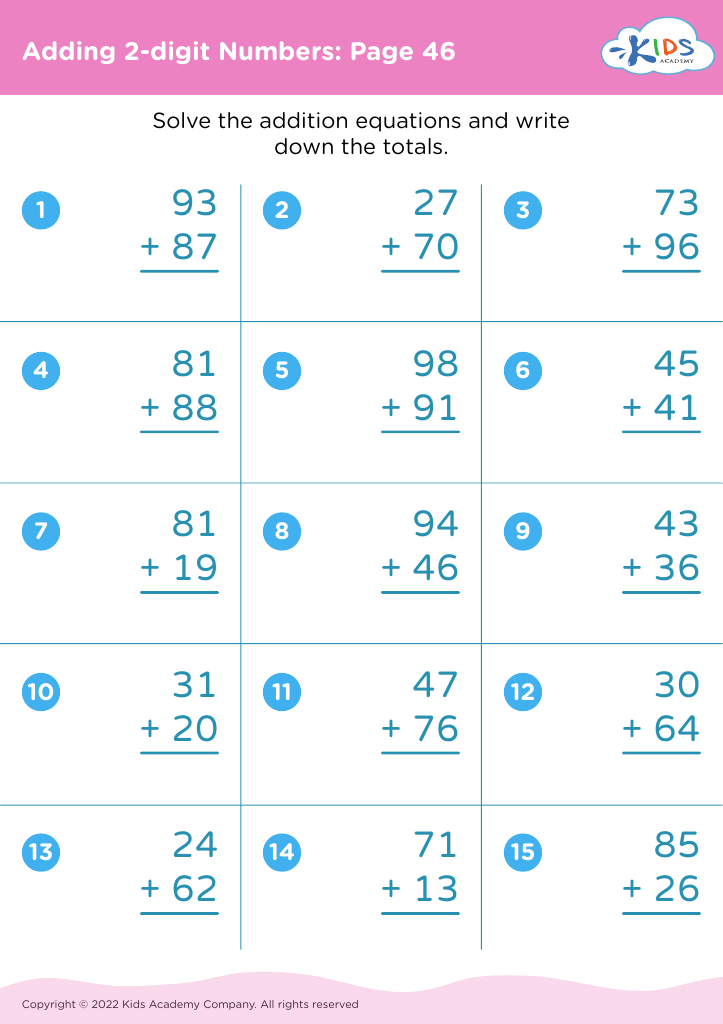
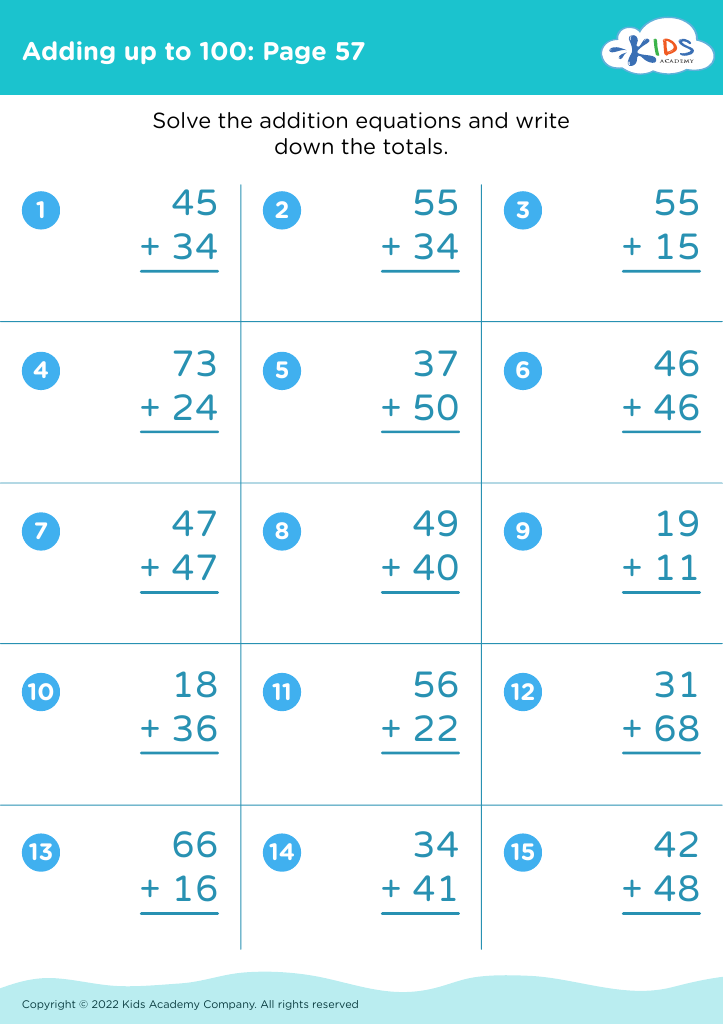
Enhance your child's problem-solving skills with our engaging Math Worksheets for Ages 3-7. Designed by educators, these worksheets focus on core math concepts such as counting, addition, subtraction, and patterns, tailored to young learners. Each worksheet incorporates fun and interactive activities that not only boost mathematical understanding but also develop critical thinking and reasoning skills. Combining vibrant illustrations with age-appropriate challenges, these printables are perfect for home or classroom use. Equip your child with the confidence and skills to excel in math through playful yet educational exercises. Visit Kids Academy for the best resources to support your child's learning journey!
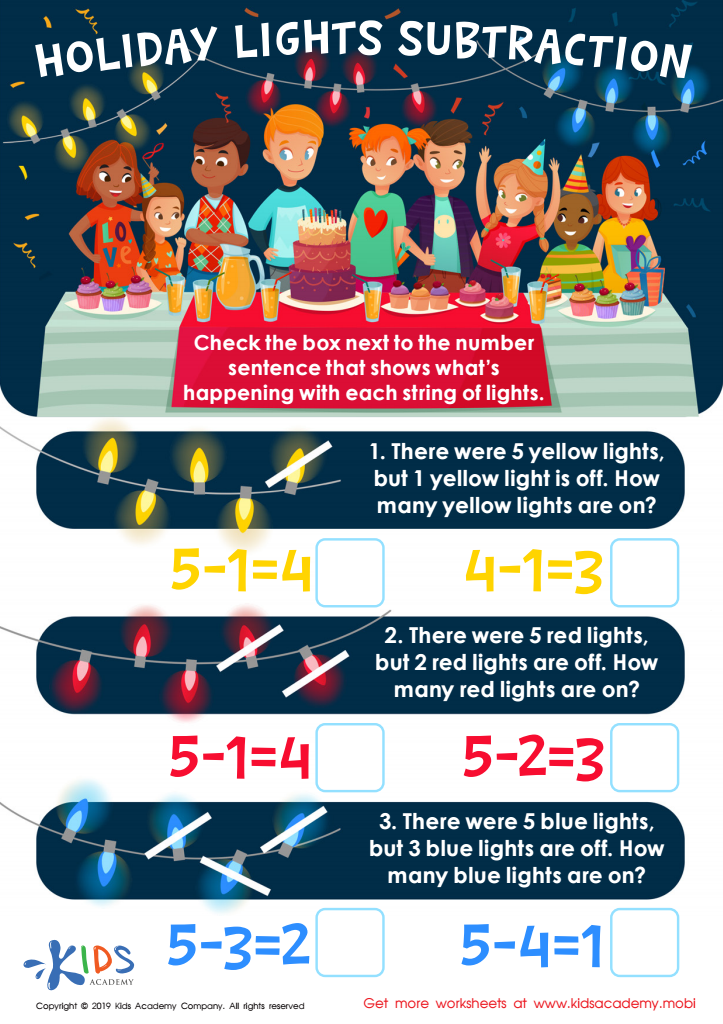
Holiday Lights Subtraction Worksheet
 Assign to My Students
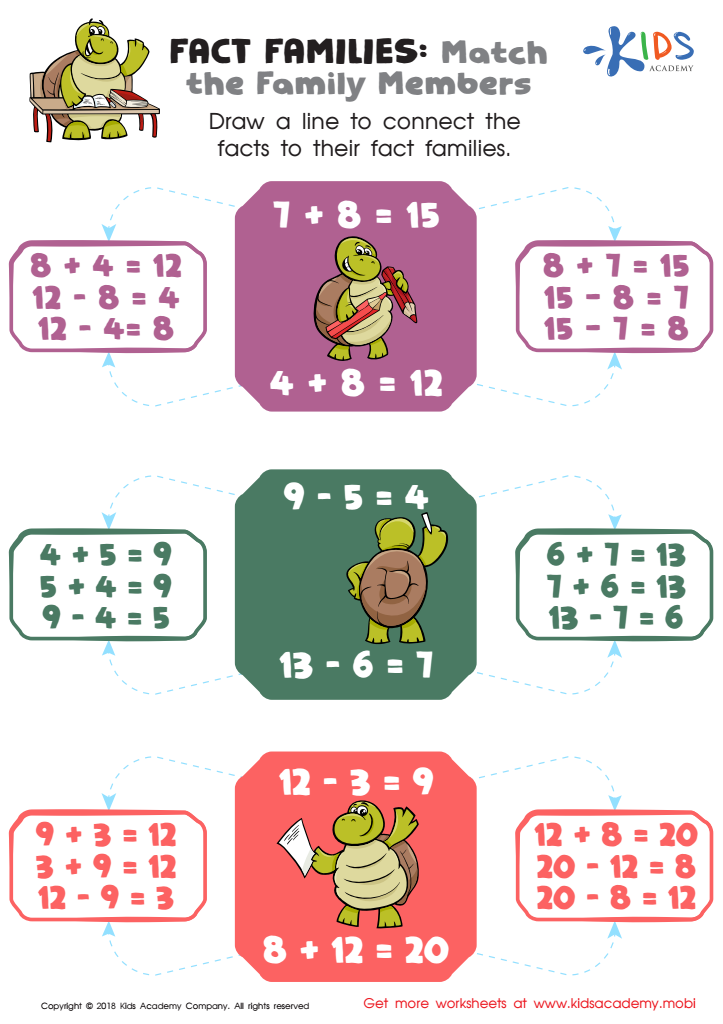
Fact Families: Match Family Members Worksheet
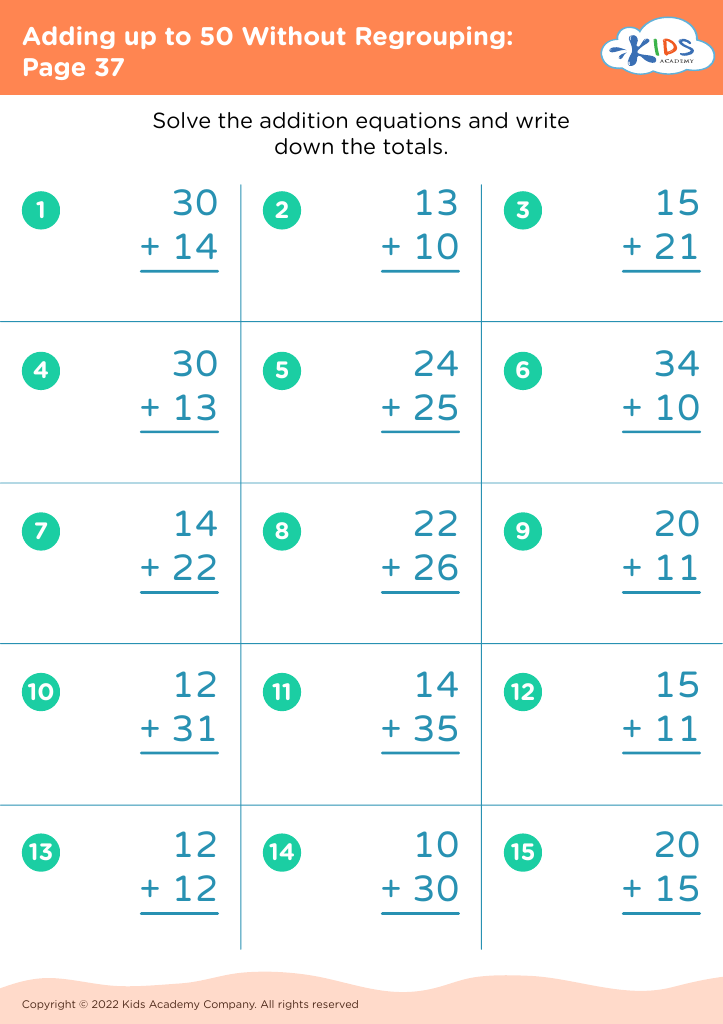
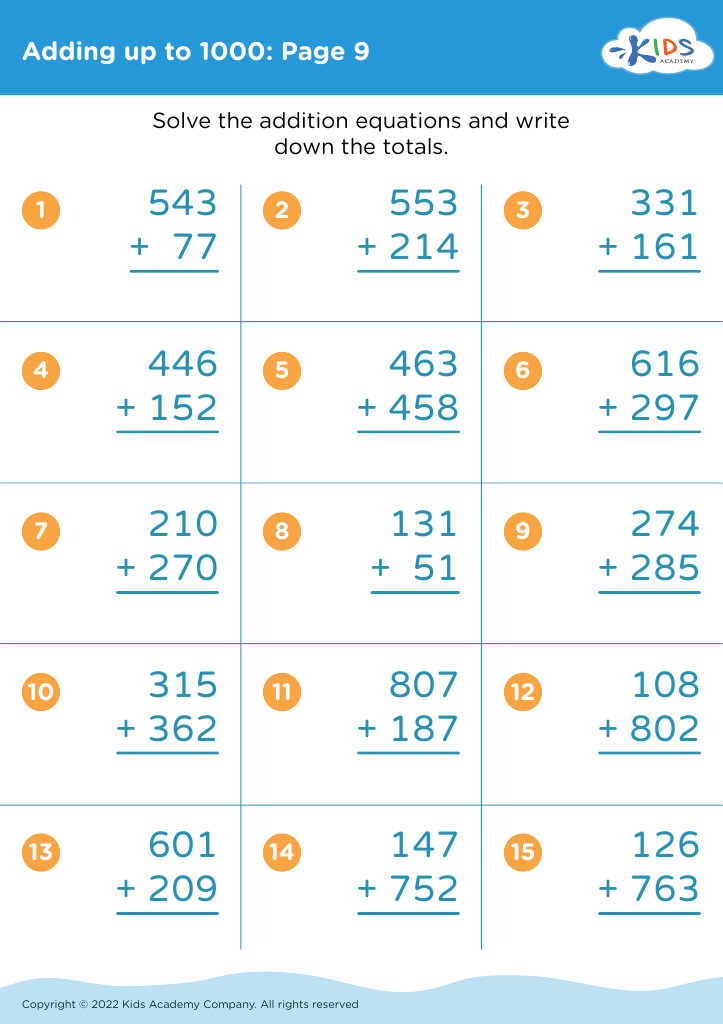








Developing problem-solving skills in math for children aged 3-7 is crucial for multiple reasons tied to their intellectual and personal growth. At this formative stage, children's brains are highly receptive to new information and ways of thinking, making it an ideal period for instilling essential cognitive skills. Mathematics inherently encourages logical reasoning, pattern recognition, and critical thinking—skills that are transferable beyond quantifiable problems and into broader life challenges.
Firstly, problem-solving in math helps young minds understand and navigate their immediate environment better. For instance, understanding basic counting and quantities aids in managing everyday tasks like sharing toys or following recipes.
Secondly, fostering these skills early on builds a strong foundation for more complex mathematical concepts that they will encounter in later years. A child adept in early problem-solving tends to approach future academic challenges with confidence and resilience, reducing math-related anxieties.
Lastly, focusing on math problem-solving enables children to develop perseverance and patience. Early exposure to workable solutions cultivates a mind that sees problems as challenging puzzles rather than insurmountable obstacles. Parents and educators have the unique opportunity to make math engaging and relevant, thereby instilling a lifelong appreciation and competence that extend well beyond school years.
By nurturing these abilities, parents and teachers essentially equip children with essential tools for academic success and effective daily life management.








