Improving observation Math Worksheets for Ages 3-7
3 filtered results
-
From - To
Discover our engaging Math Worksheets designed to enhance observation skills for children aged 3-7. These fun, educational activities focus on core early math concepts while encouraging young learners to observe patterns, sort objects, and match shapes. Our printable worksheets are perfect for parents and teachers seeking high-quality, age-appropriate content to inspire curiosity and boost problem-solving abilities. With colorful illustrations and easy-to-follow instructions, kids can enjoy learning at their own pace, both in the classroom and at home. Help your child build a strong math foundation today with our expert-designed observation worksheets!
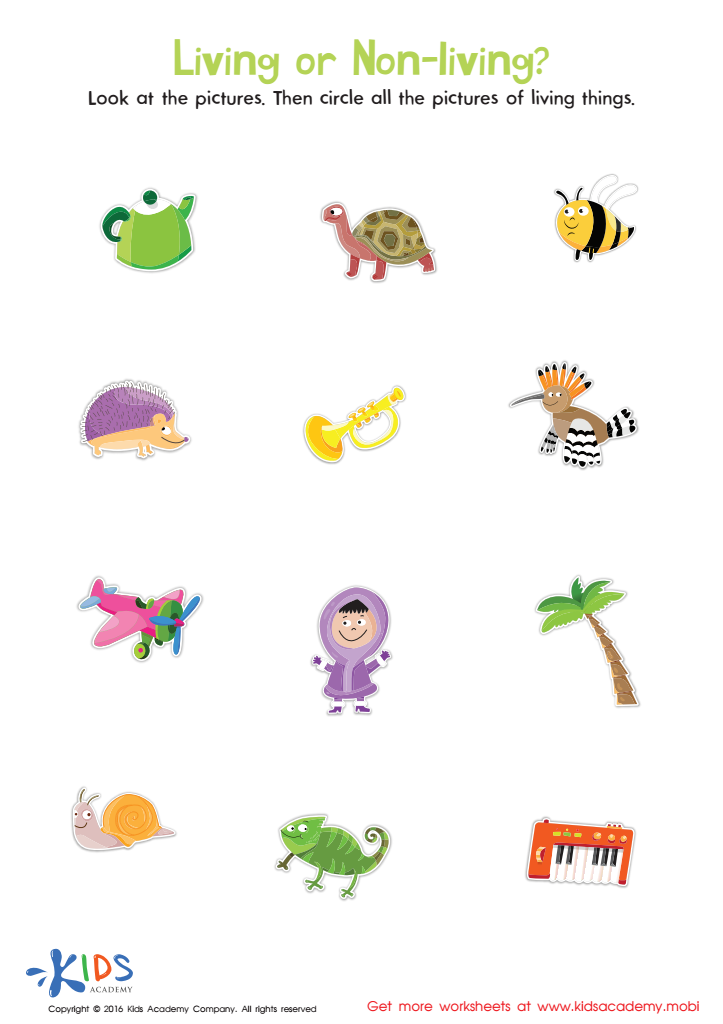
Identifying Living and Non–living Things Sorting Worksheet
 Assign to My Students
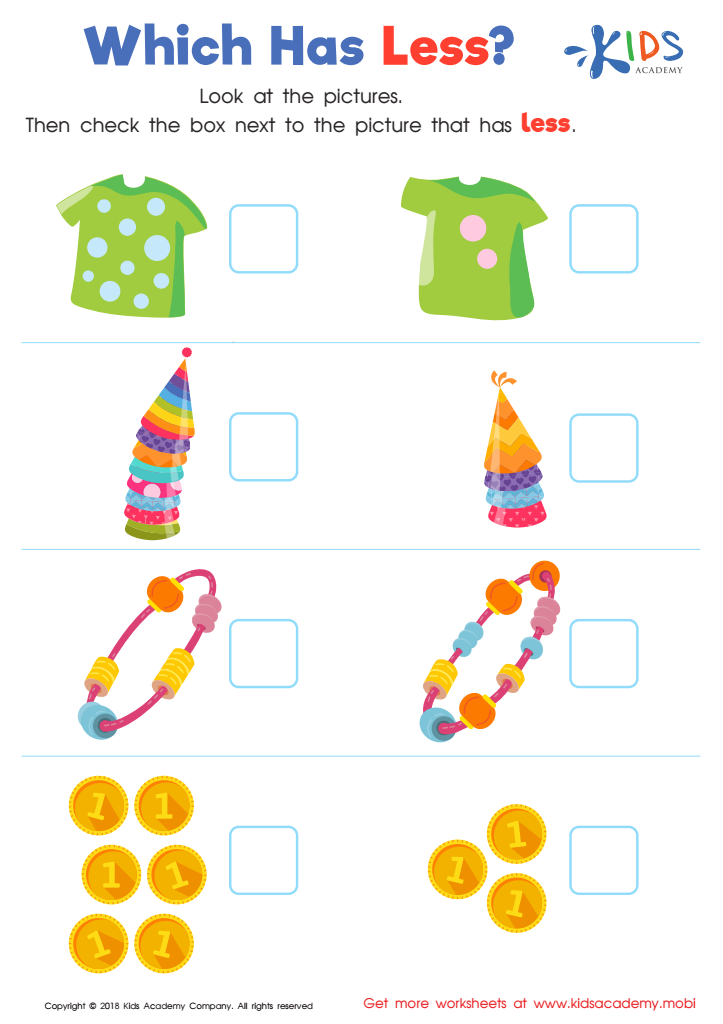
Which Has Less? Worksheet
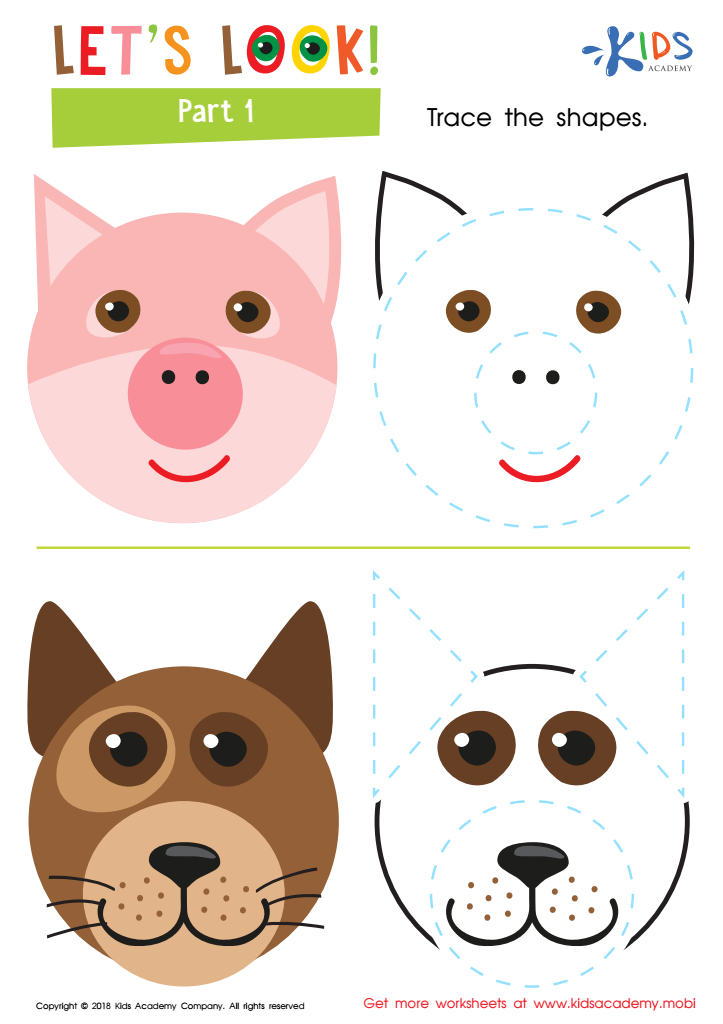
Let's Look! Part 1 Worksheet








Improving observation skills in math for children ages 3-7 is crucial for several reasons. First, observational skills are foundational to early math understanding. When children notice patterns, shapes, sizes, and quantities by observing the world, they develop a concrete basis for abstract mathematical concepts. For instance, spotting that one group of toys is larger than another helps develop preliminary number sense and comparison skills.
Moreover, enhancing these skills fosters critical thinking and problem-solving. Young children learn to recognize and analyze simple relationships and patterns in everyday situations, which are essential components of math. This process nurtures their curiosity and encourages a proactive learning attitude.
From a developmental perspective, observation in math activities helps children fine-tune their motor and cognitive functions. Grasping pencils, interlocking blocks, or counting objects involves both physical and mental activities crucial for overall growth.
Additionally, fostering strong observation skills embeds confidence. When children effectively observe and interpret their environments, they gain a sense of accomplishment, which positively impacts their attitude towards learning.
Parents and teachers play a fundamental role in this process by creating rich, engaging environments, asking guiding questions, and providing hands-on activities that stimulate observational learning. Preparing children early with these skills sets a positive trajectory for their future academic journey.








