Letter Tracing Practice Math Worksheets for Ages 3-7
3 filtered results
-
From - To
Discover our engaging Letter Tracing Practice Math Worksheets, specifically designed for children ages 3-7! These fun and interactive worksheets combine essential math skills with the foundational art of writing letters. Each worksheet helps young learners improve their fine motor skills while accurately tracing letters and numbers, promoting both literacy and numeracy. Ideal for homeschooling or classroom settings, our materials cater to various learning styles through colorful illustrations and enjoyable activities. Encourage your child’s confidence and creativity as they master the basics of writing and math, setting them on a path toward academic success. Start your child’s learning journey today!
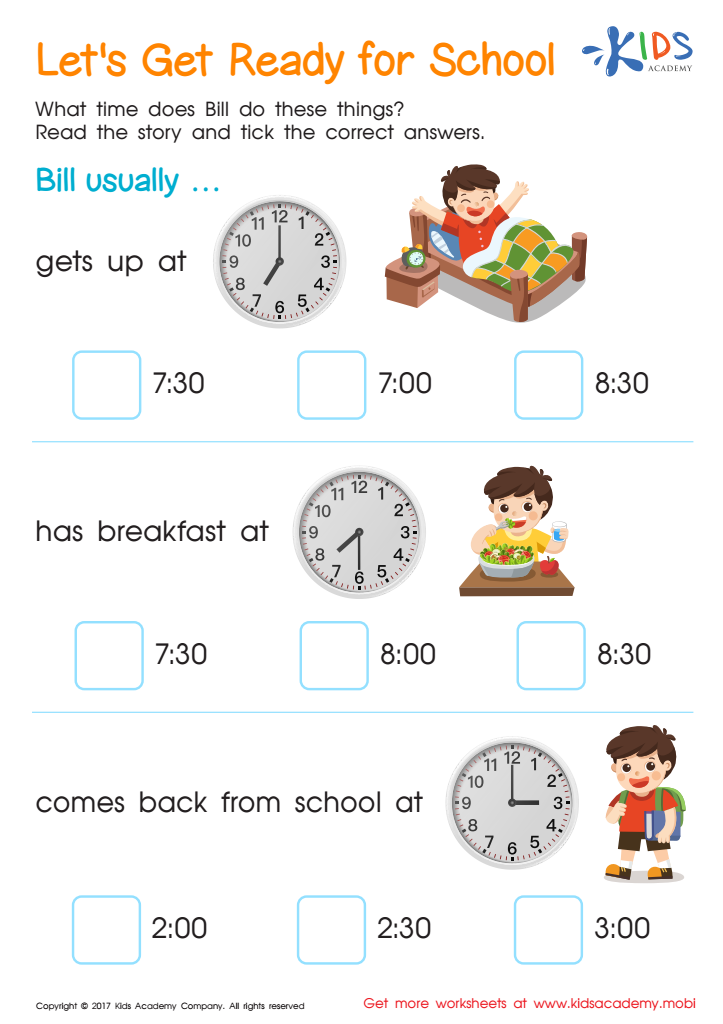
Lets Get Ready For School Time Printable
 Assign to My Students








Letter tracing practice is a fundamental skill for children ages 3-7, combining literacy and fine motor skill development. At this stage, children are laying the groundwork for effective communication and cognitive skills. Engaging in letter tracing helps kids recognize letters, understand their shapes, and improve hand-eye coordination, which is essential for writing later on.
Parents and teachers should care about this practice because it fosters early literacy, setting the stage for future reading and writing success. By mastering the formation of letters, children gain confidence as they begin to write their names and simple words, enhancing their communication abilities. Moreover, the act of tracing promotes focus and concentration; skills that translate into other areas of learning, including math, where number formation is key.
Additionally, letter tracing can be integrated into fun, interactive activities that make learning enjoyable. Utilizing creative materials like colorful worksheets or digital apps can capture a child’s interest, making education a positive experience. Collaborating in this practice also strengthens the bond between adults and children, promoting a love for learning. In summary, supporting letter tracing practice is a simple yet powerful approach to nurture essential skills in early childhood education.








