Nature awareness Math Worksheets for Ages 3-7
10 filtered results
-
From - To
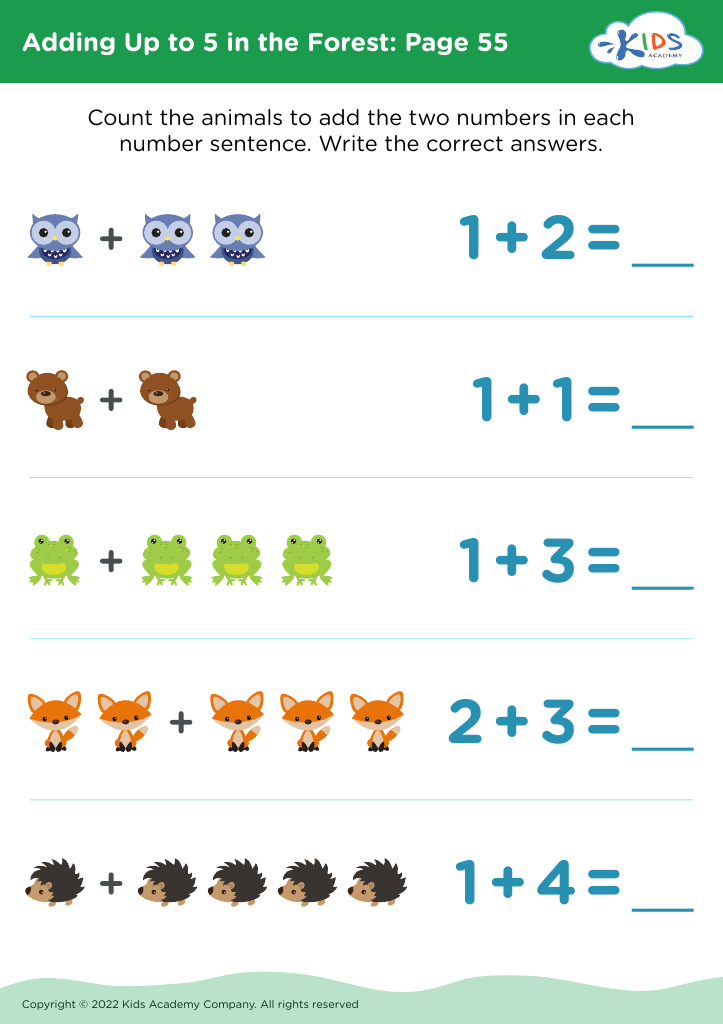
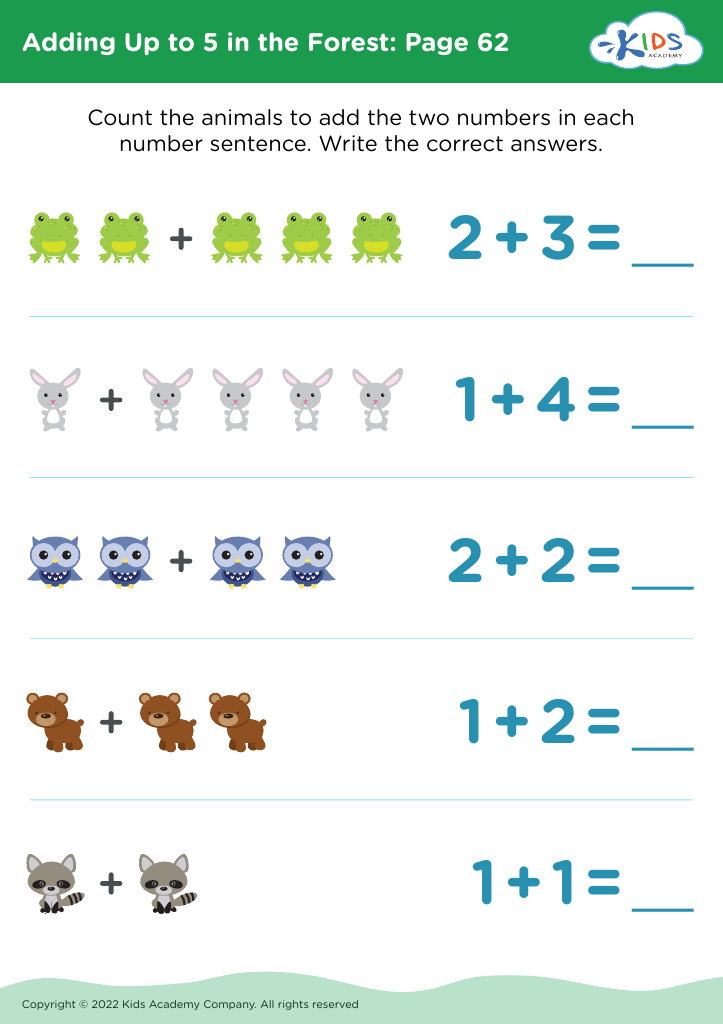
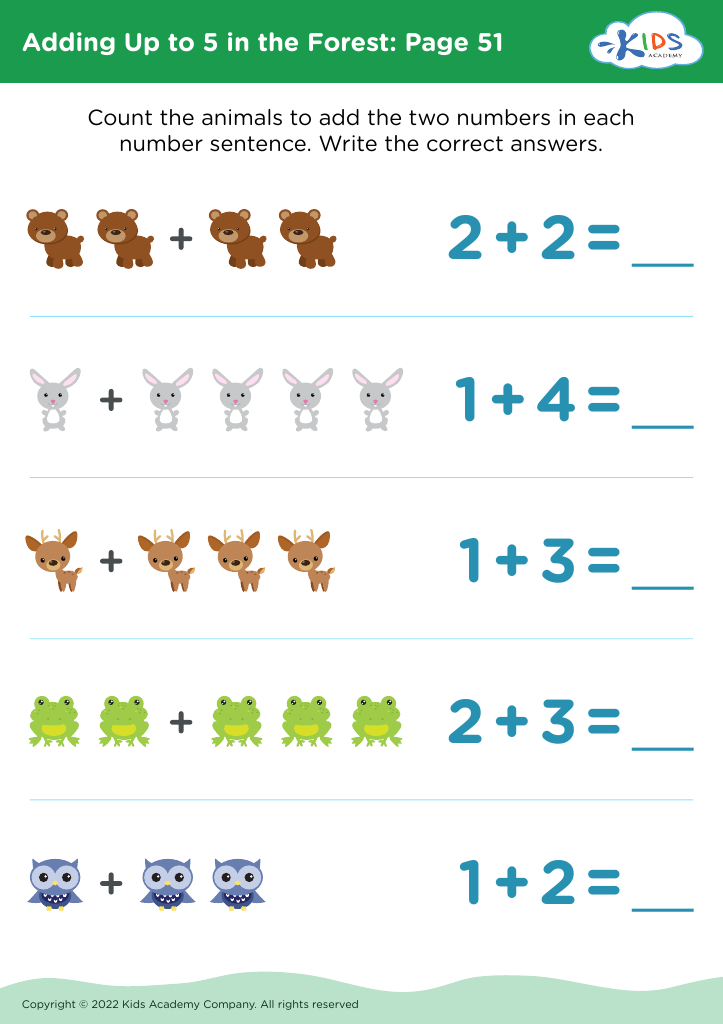
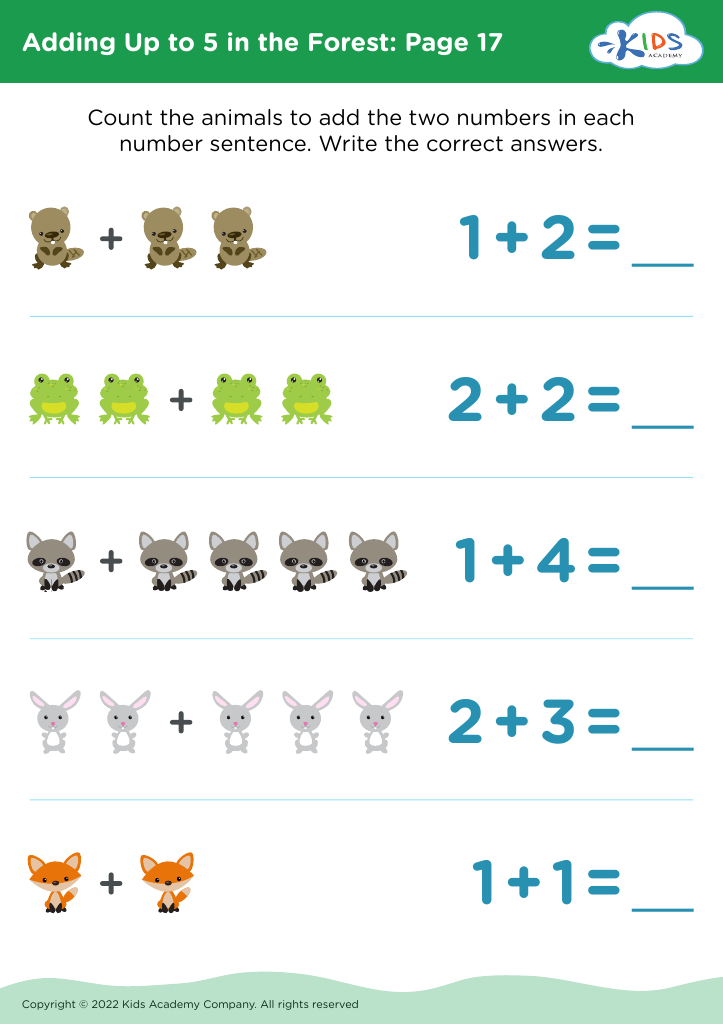
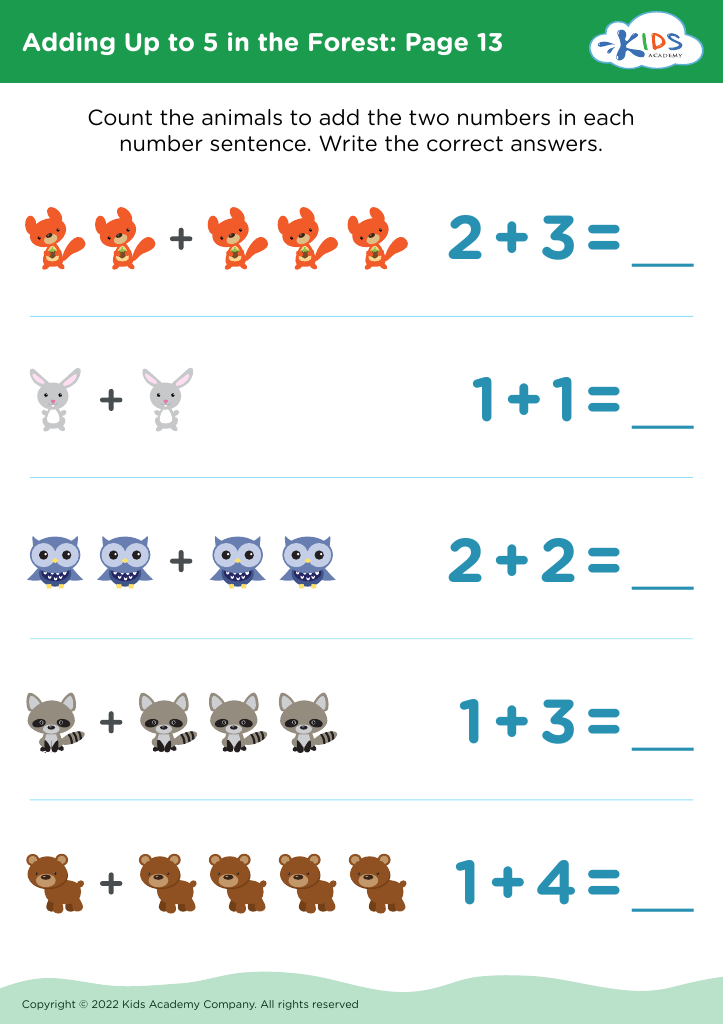
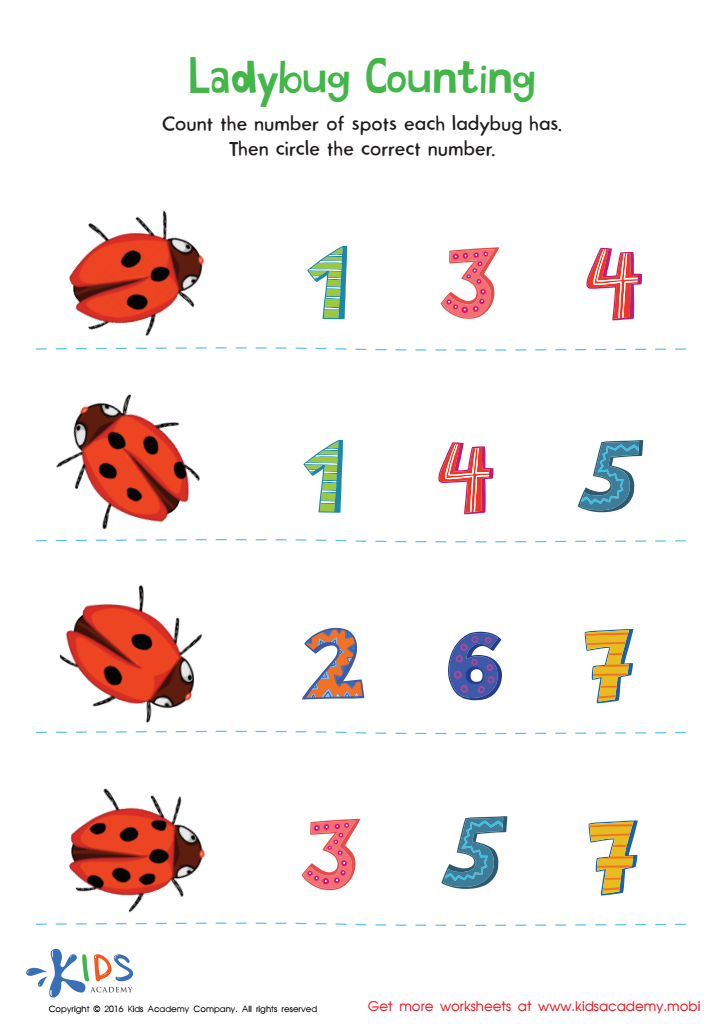
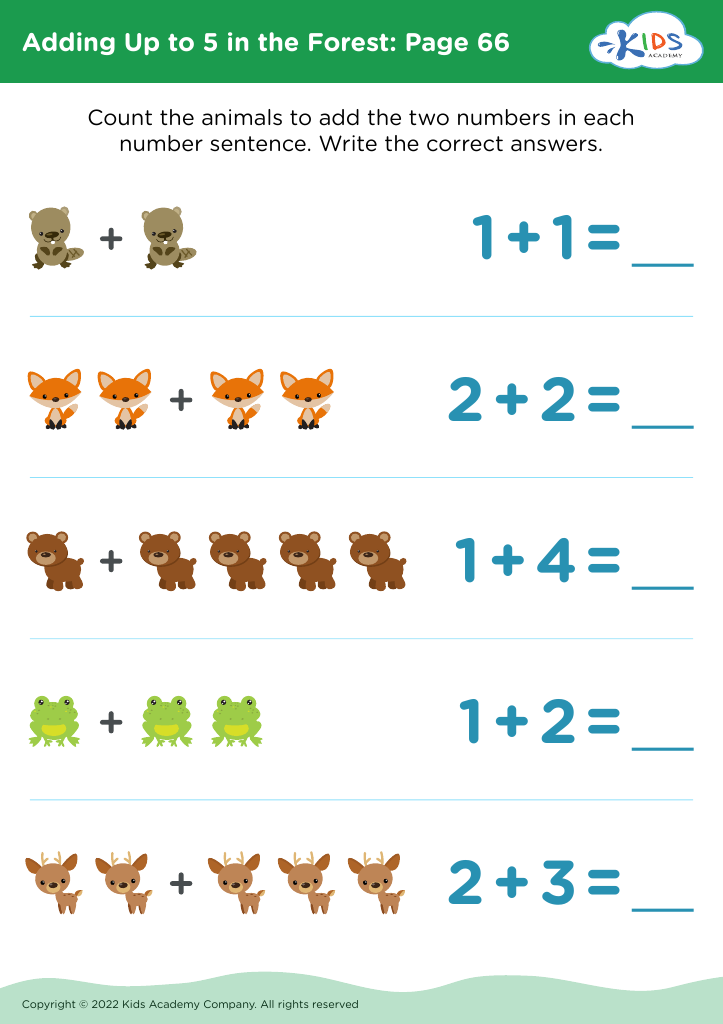
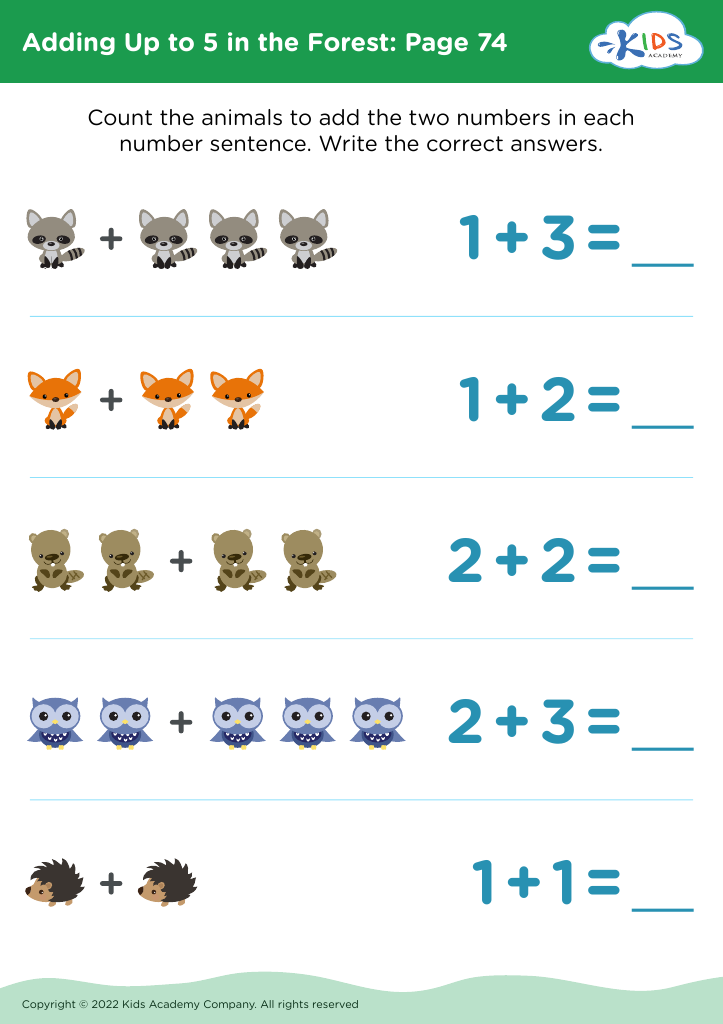
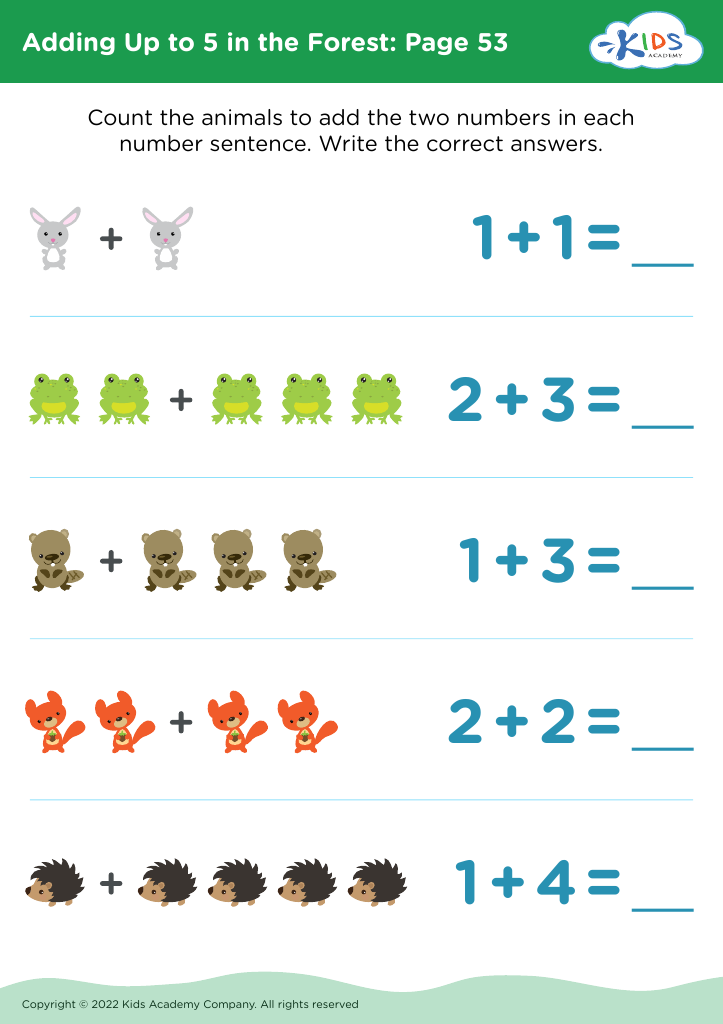
Explore the wonders of nature while enhancing your child's math skills with our "Nature Awareness Math Worksheets" designed for ages 3-7. Our engaging, printable worksheets combine fun nature themes with essential math concepts, fostering a love for the environment alongside foundational skills in counting, addition, subtraction, and more. Each activity encourages young learners to observe and interact with their surroundings, sparking curiosity and critical thinking. Ideal for home or classroom use, these worksheets make math enjoyable and relatable for kids. Dive into a world of learning where nature meets numbers, and watch your child's confidence grow with every completed worksheet!
 Assign to My Students
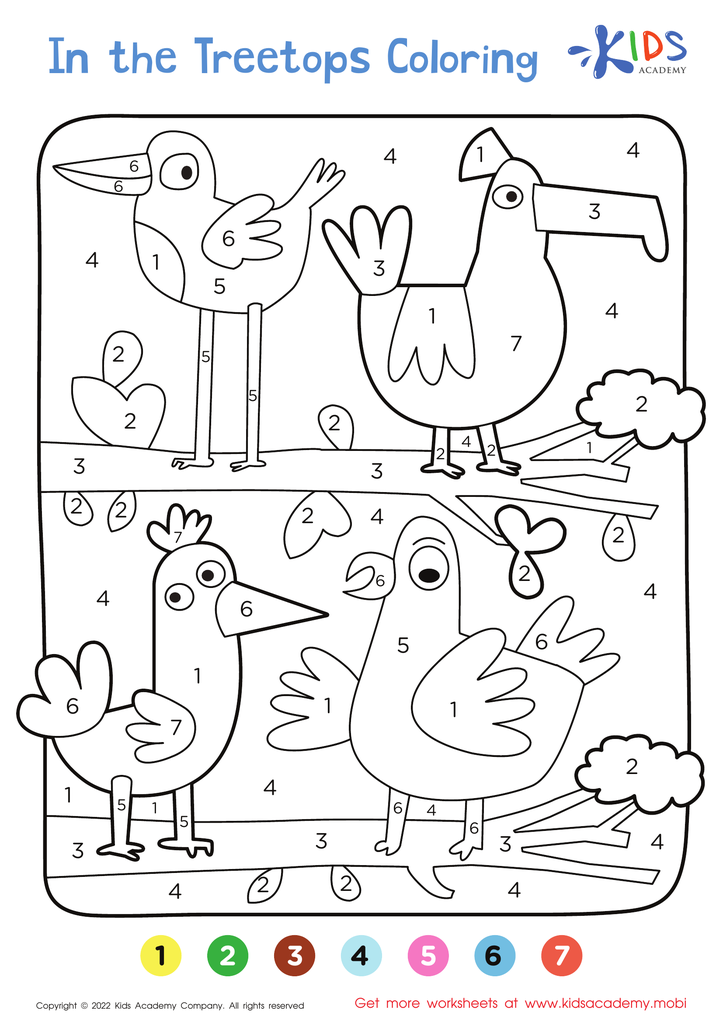
In the Treetops – Coloring Page



.jpg)



Nature Awareness Math for children aged 3-7 is crucial for fostering a deep, interconnected understanding of the world around them. At this developmental stage, children are naturally curious, and blending math concepts with nature encourages exploration and discovery. Engaging with nature helps children grasp basic math principles—such as counting, measuring, and comparing—through tangible experiences, which enhances learning retention.
Importantly, nature awareness promotes a love for the environment, encouraging responsibility and stewardship from an early age. When children recognize and relate to their surroundings, they are more willing to protect and engage with them, laying the groundwork for sustainable behaviors later in life.
Moreover, integrating nature into early math instruction supports critical thinking and problem-solving skills. For instance, children can count leaves, measure the height of plants, or identify patterns in nature, leading to playful and meaningful interactions with math concepts.
Teachers and parents should prioritize Nature Awareness Math as it nurtures cognitive development, fosters emotional connections to the environment, and equips children with foundational math skills using captivating, real-world contexts. By making math relevant and fun, we encourage holistic development and instill lifelong learning habits in young learners.








