Number identification Math Worksheets for Ages 3-7
13 filtered results
-
From - To
Unlock your child's numerical potential with number identification math worksheets designed for ages 3-7. These engaging, printable worksheets by Kids Academy guide young learners on an exciting journey through number recognition, sequencing, and counting. Vibrant illustrations, fun activities, and interactive features keep children motivated and entertained as they master essential math skills. Perfect for home or classroom use, our number identification worksheets lay a strong foundation for future mathematical success while fostering a love for learning. Help your child gain confidence and build a solid understanding of numbers today! Explore our free and premium worksheets to get started.
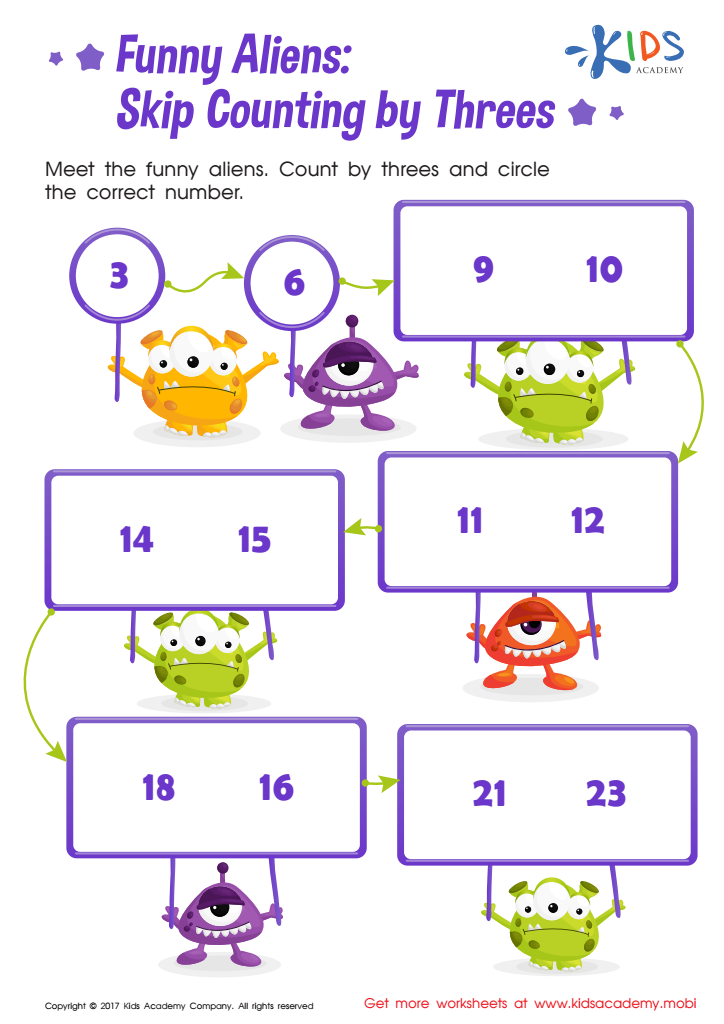
Skip Counting by 3s: Funny Aliens Printable
 Assign to My Students
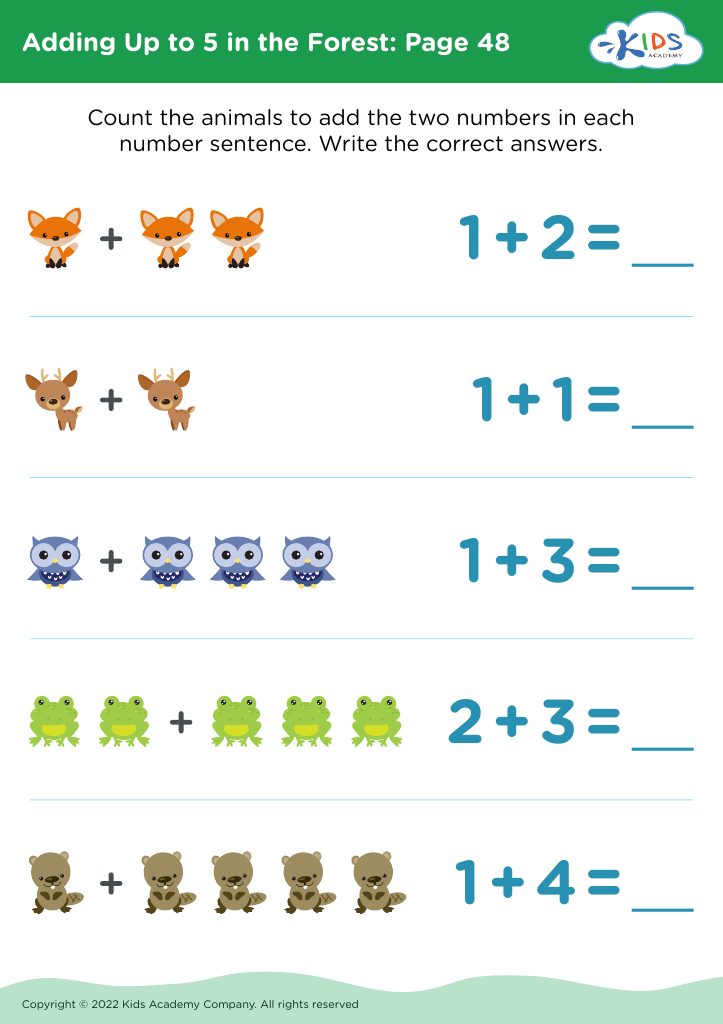
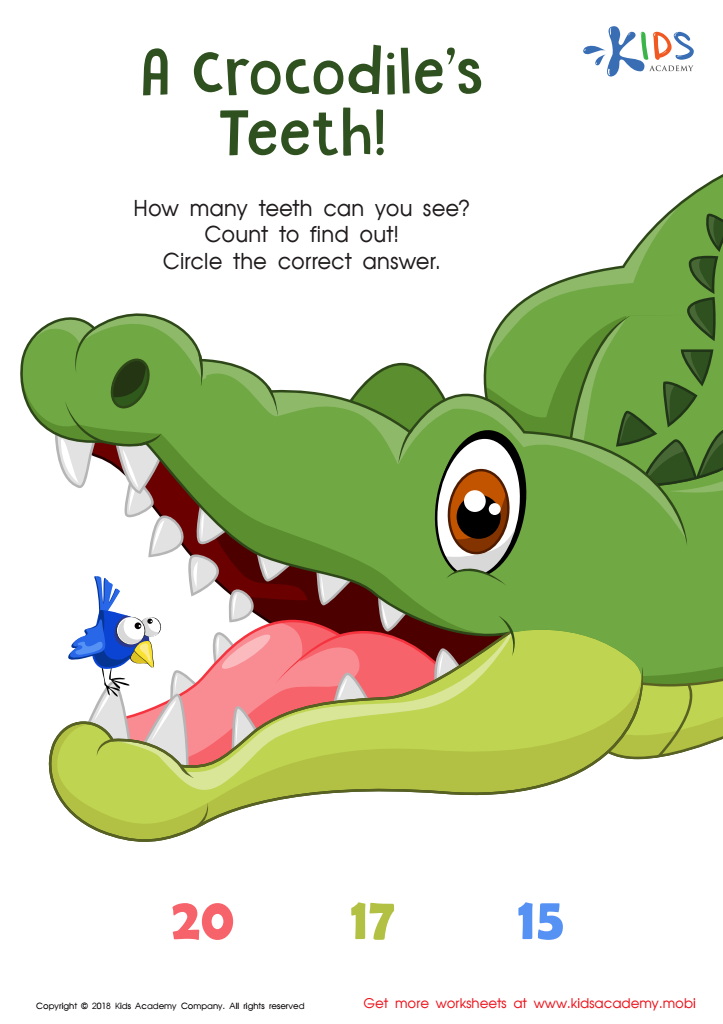
A Crocodile's Teeth Worksheet
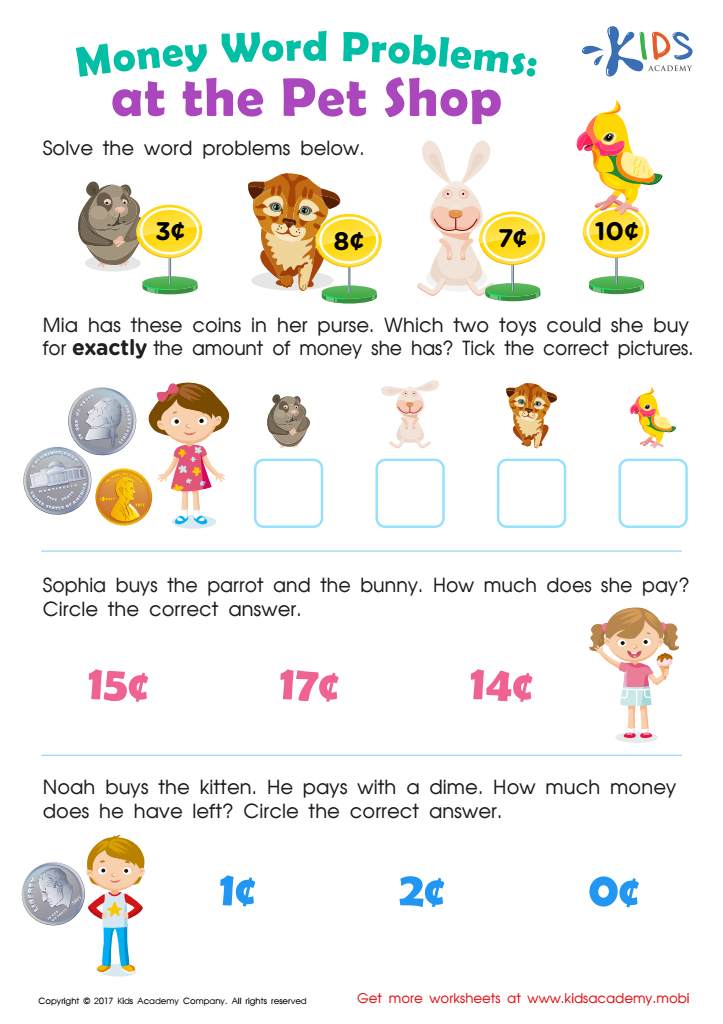
Pet Shop Worksheet
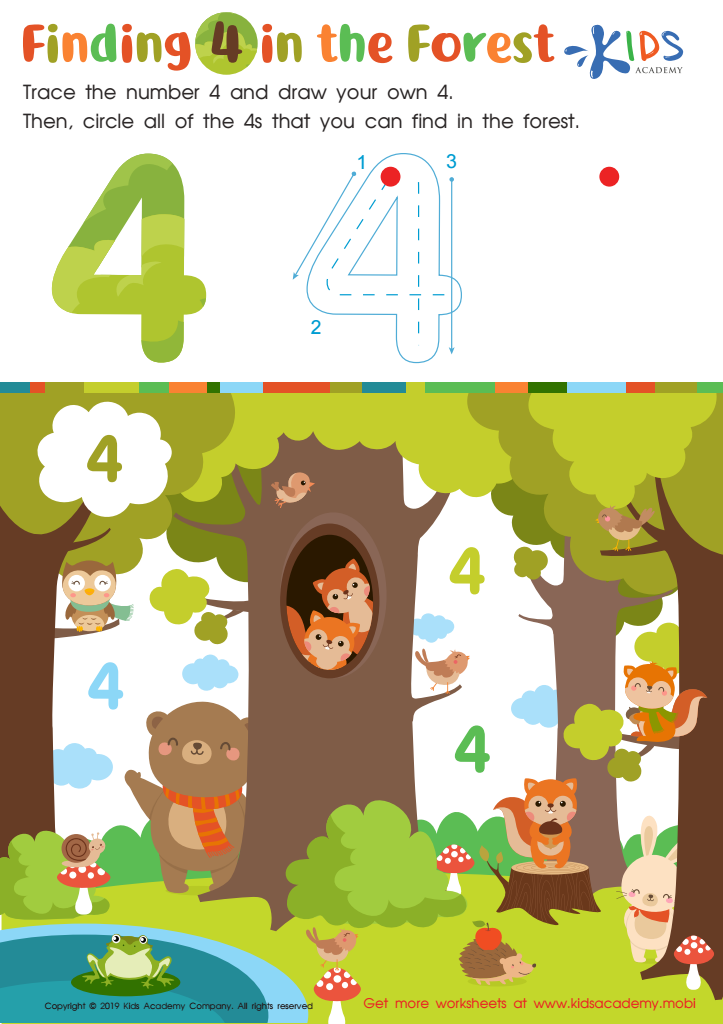
Finding 4 in the Forest Worksheet
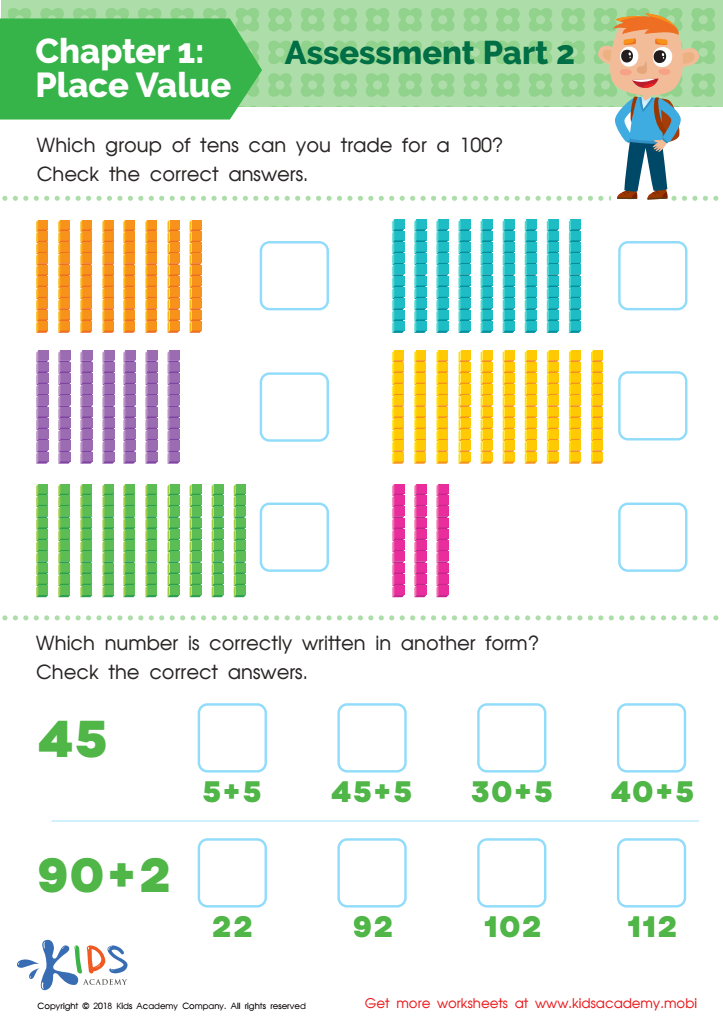
Place Value: Chapter 2 Worksheet
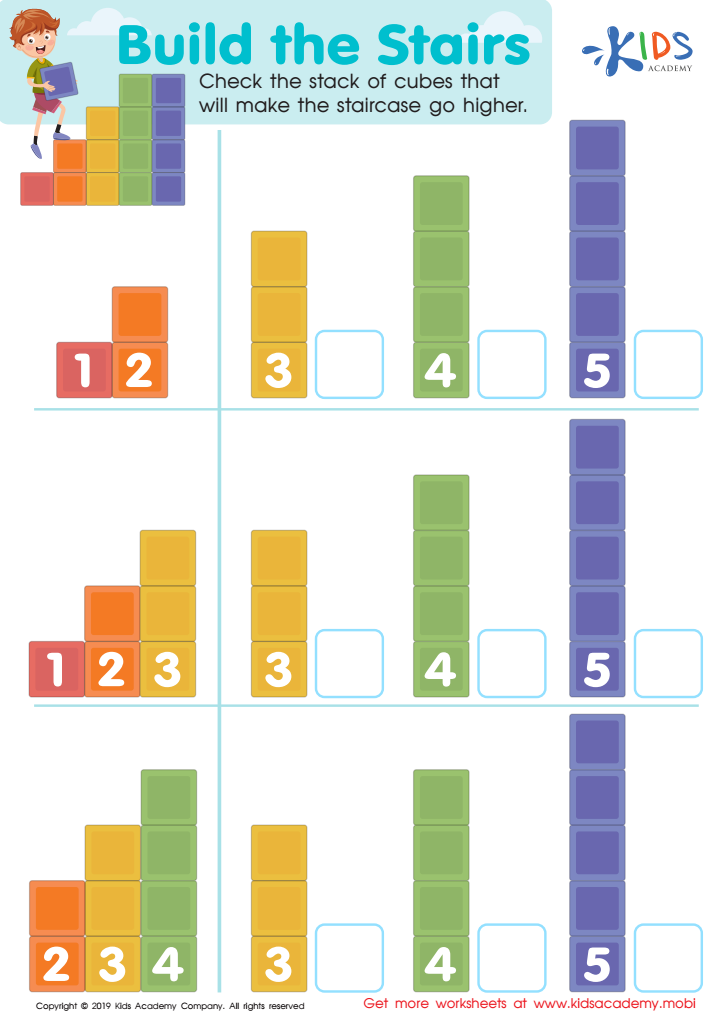
Build the Stairs Worksheet
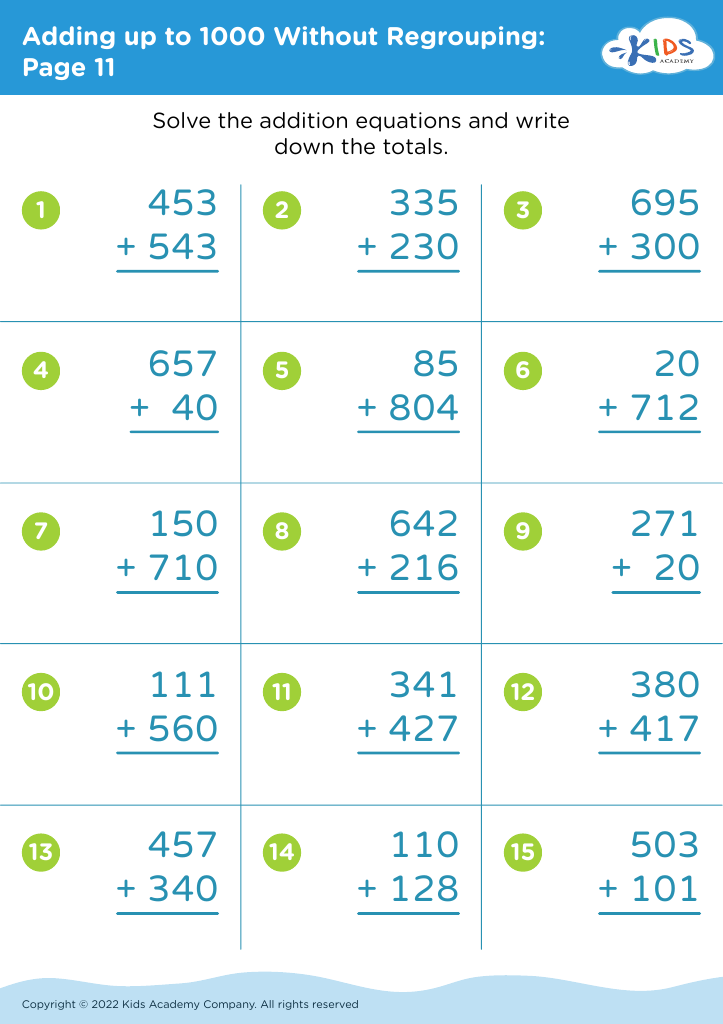
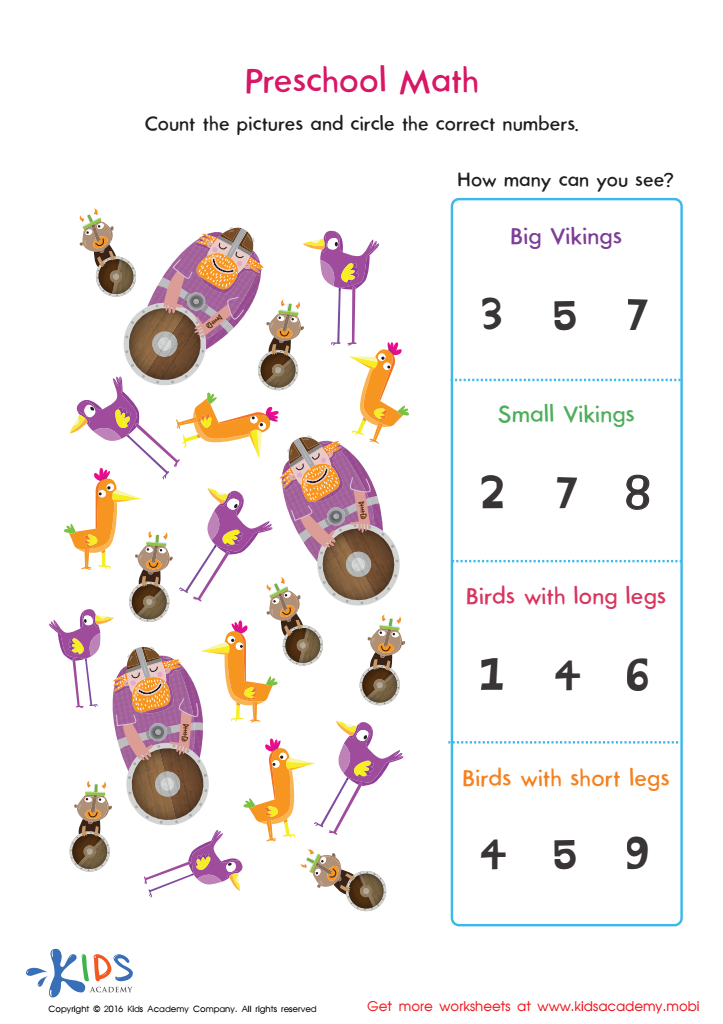
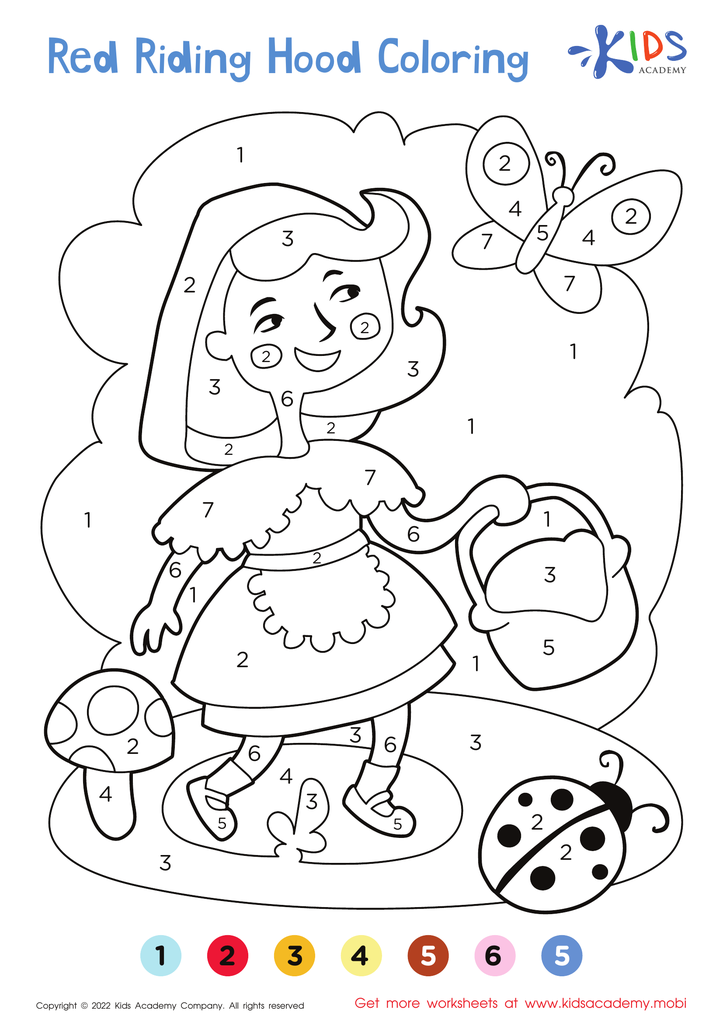
Little Red Riding Hood – Coloring by Numbers


.jpg)




Number identification is a cornerstone in early childhood development that sets the stage for future academic success. For children ages 3-7, grasping this fundamental skill is crucial for several reasons. First, recognizing and identifying numbers fosters mathematical thinking, a core component of problem-solving and critical thinking. This foundational knowledge aids in understanding more complex mathematical concepts later on, such as addition, subtraction, and place value.
Second, number identification supports cognitive development. When children identify numbers, they enhance their memory and improve their ability to recognize patterns. This cognitive growth also translates into better comprehension skills across other subjects such as science and literacy.
Third, learning to identify numbers boosts confidence and nurtures a positive attitude towards learning. When children see that they can succeed in recognizing and using numbers in various contexts, such as counting toys or reading a clock, they gain a sense of accomplishment and are motivated to tackle more challenging tasks.
Finally, this skill plays a role in real-life experiences. Everyday activities such as shopping, cooking, or playing games often require number recognition. Equipping children with this knowledge from an early age can make these everyday tasks easier and more enjoyable. Parents and teachers should focus on this essential skill to lay a strong foundation for lifelong learning and practical life skills.








