
Practice inference skills Math Worksheets for Ages 3-7
3 filtered results
Difficulty Level
Grade
Age
-
From - To
Subject
Activity
Standards
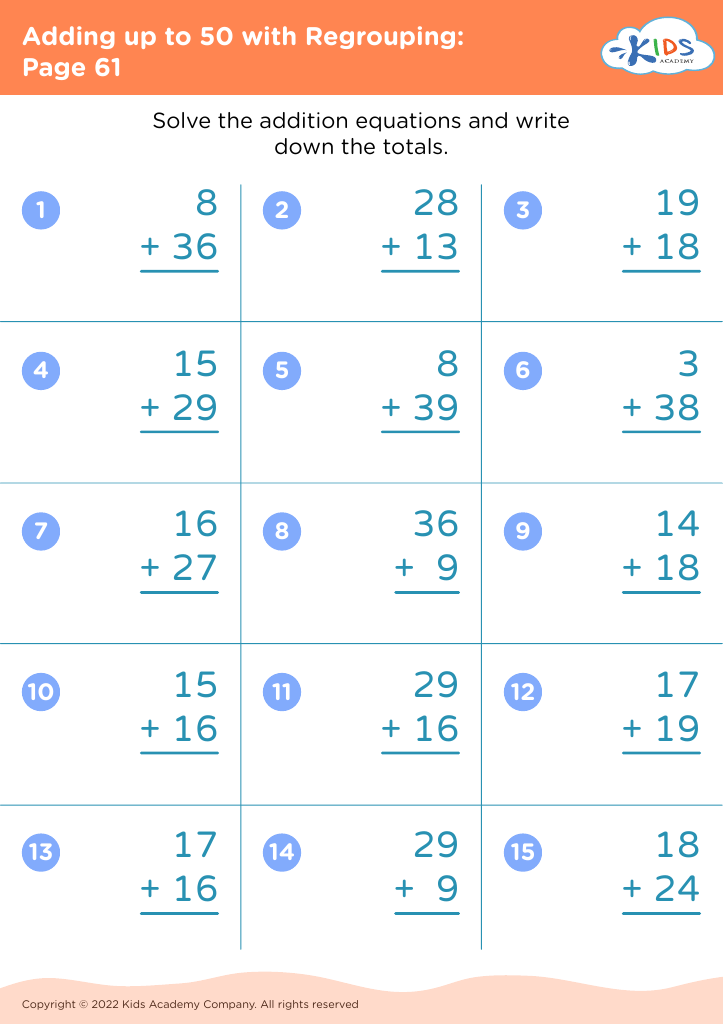
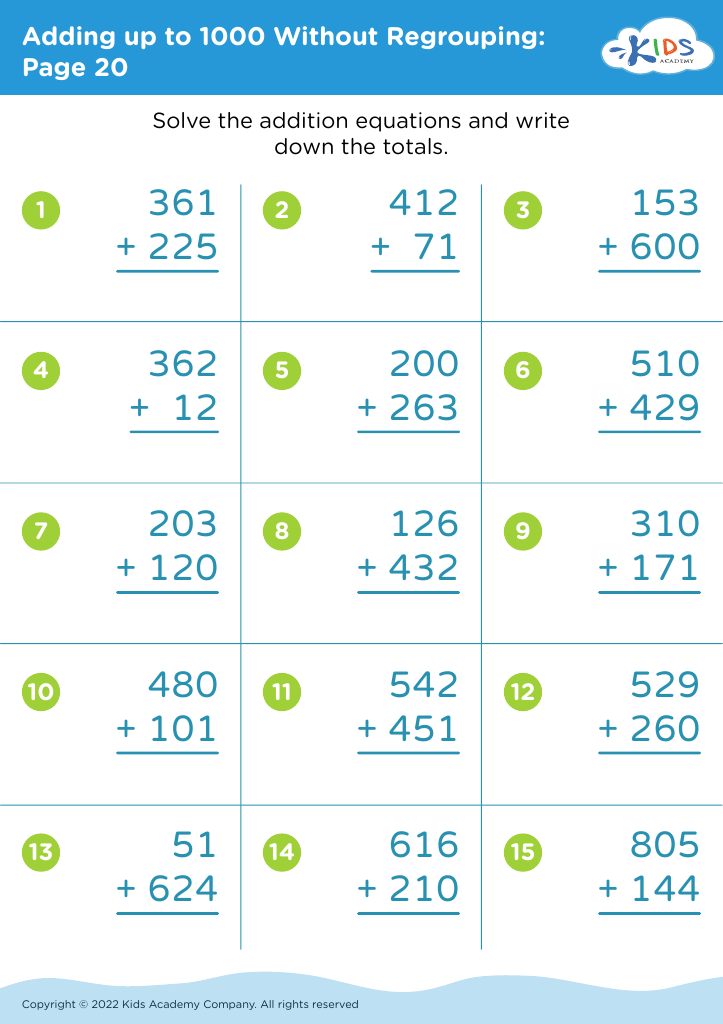
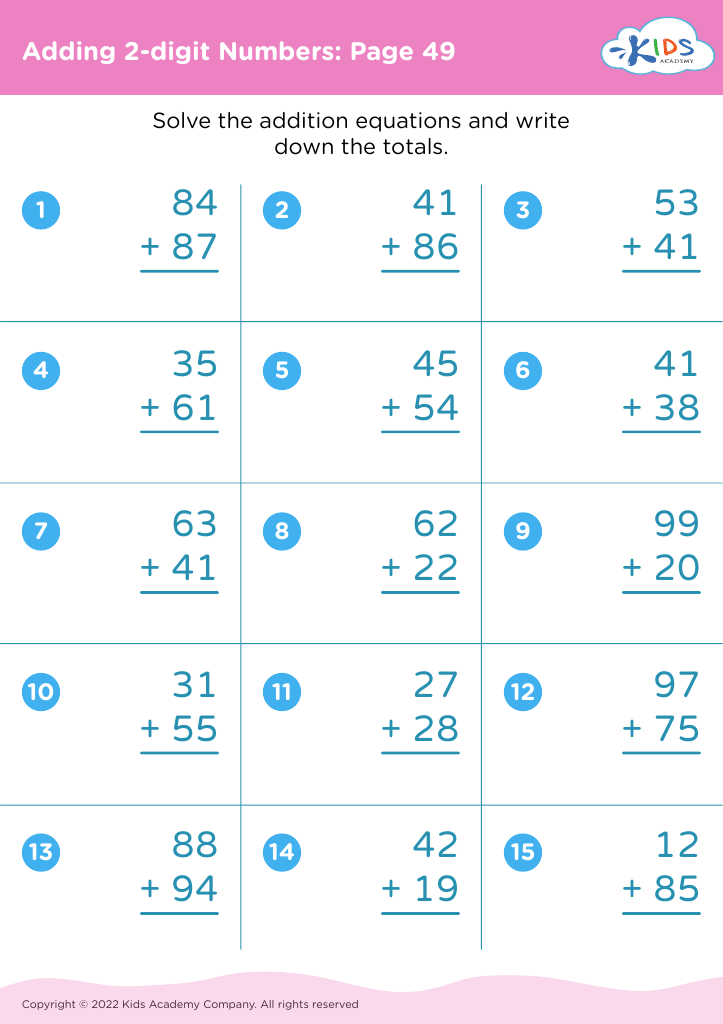
Discover exciting Practice Inference Skills Math Worksheets designed for children aged 3-7! These engaging worksheets help young learners enhance their critical thinking and reasoning abilities through fun math activities. Each worksheet encourages kids to analyze information, make predictions, and draw conclusions. Perfect for early learners, these printable resources support the development of foundational math skills, preparing children for future academic success. Ideal for home or classroom use, our inference skills worksheets make learning enjoyable and interactive. Help your child excel in math and boost their problem-solving confidence with our high-quality, educational resources.
Favorites
With answer key
Interactive
Join Kids Academy for Free
Who is primarily going to use this learning content?







Parents and teachers play a critical role in shaping early childhood education, and developing inference skills in math for children ages 3-7 is tremendously valuable. Inference skills involve making logical connections, identifying patterns, and drawing conclusions from given data or situations. These skills are foundational for young learners as they cultivate higher-order thinking and problem-solving abilities.
When children practice math inference skills early on, they learn to approach problems thoughtfully and analytically. This proactive mindset fosters a healthy curiosity and a love for exploring math concepts, setting a strong foundation for future academic success. Early exposure to these skills also enhances cognitive development and helps children understand not just the 'how' but the 'why' behind mathematical principles.
For teachers, integrating inference practice in their math instruction makes lessons more engaging and interactive, promoting active participation. For parents, supporting these efforts at home builds a cohesive learning environment that reinforces what is taught in the classroom.
In short, prioritizing inference skills in early math education equips young learners with critical thinking abilities that are essential for lifelong learning and success in various aspects of life. By doing so, parents and teachers not only improve mathematical understanding but also contribute significantly to the overall cognitive development of children.








