
Understand sequences Math Worksheets for Ages 3-7
5 filtered results
Difficulty Level
Grade
Age
-
From - To
Subject
Activity
Standards
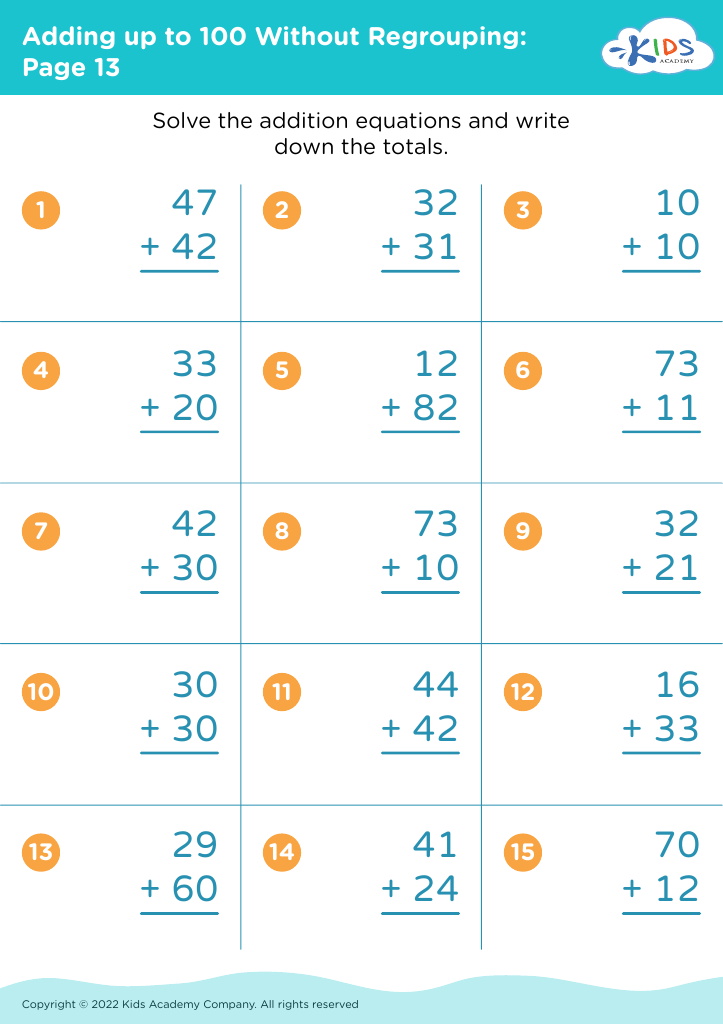
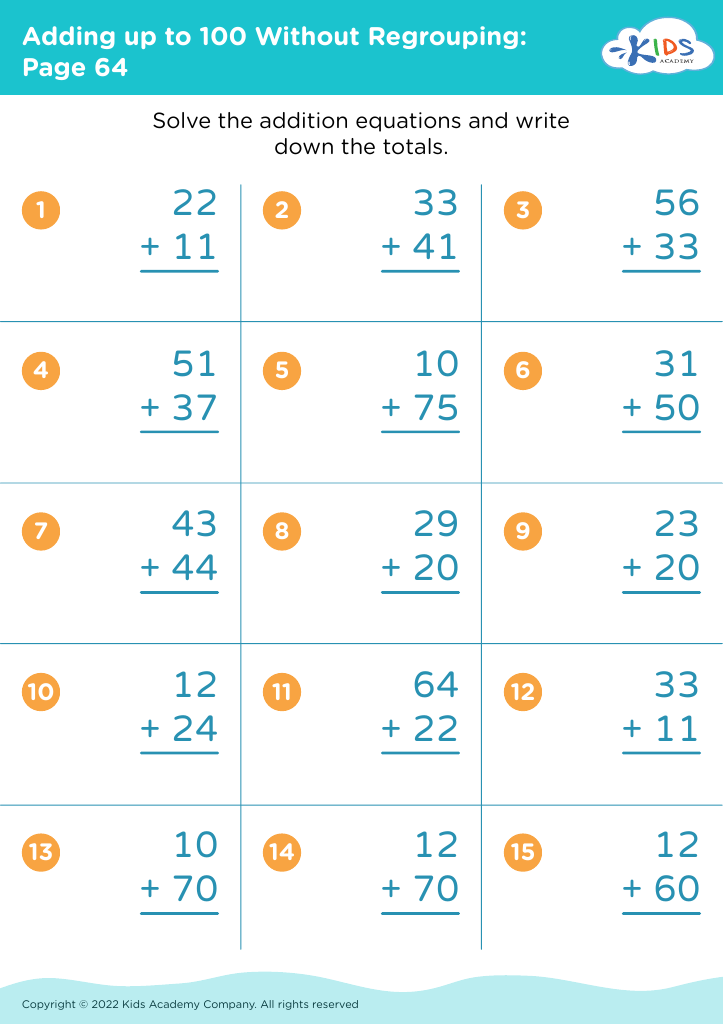
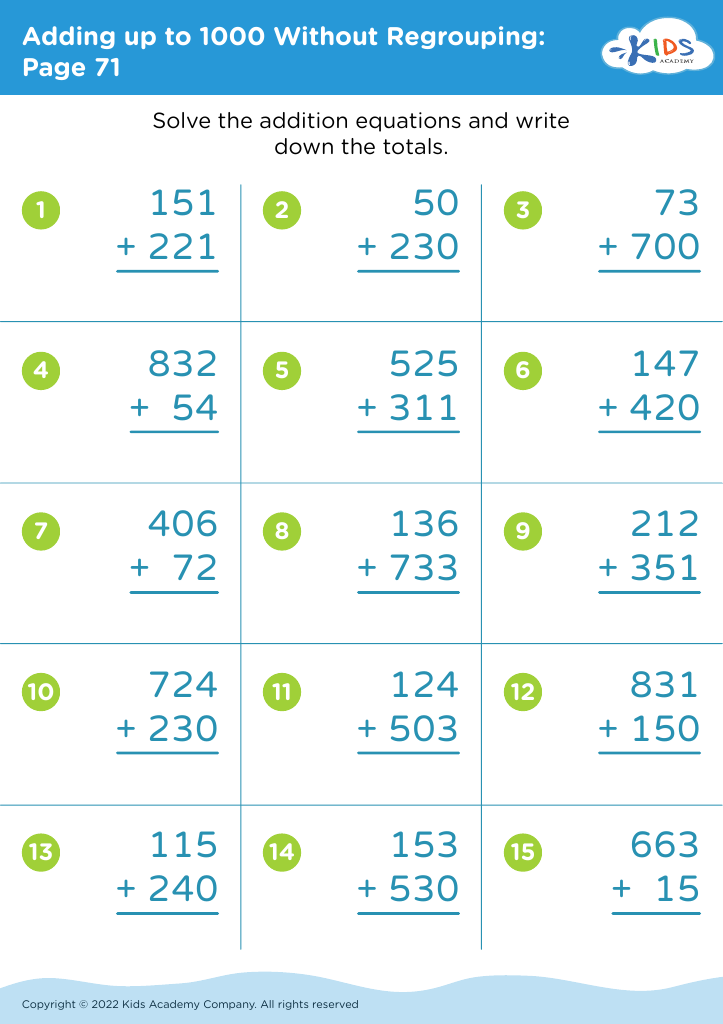
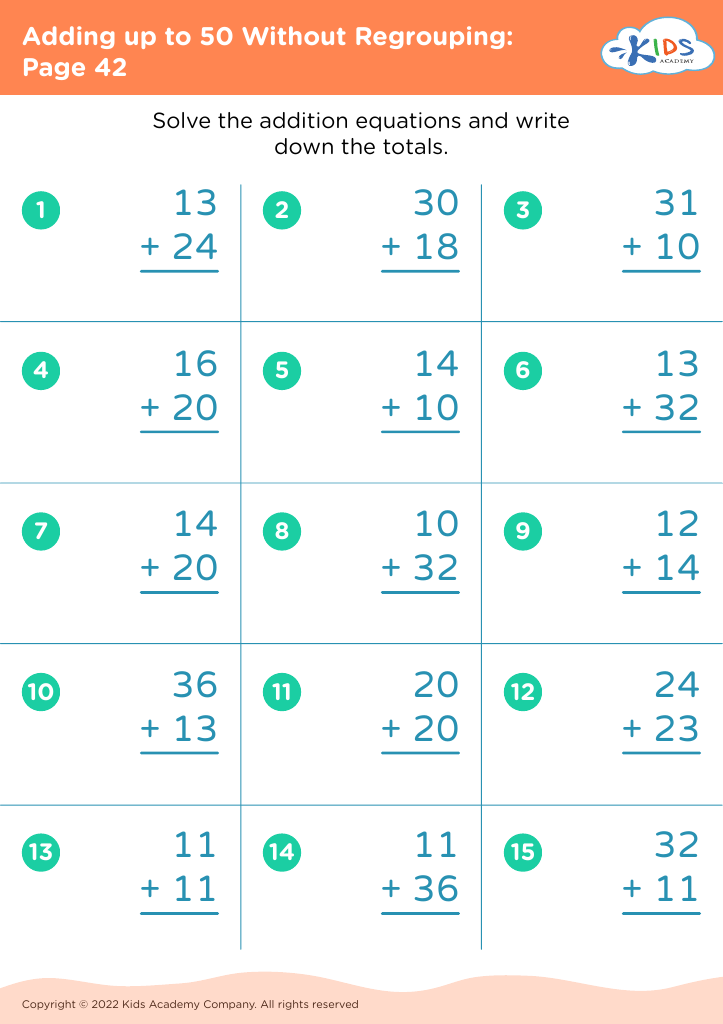
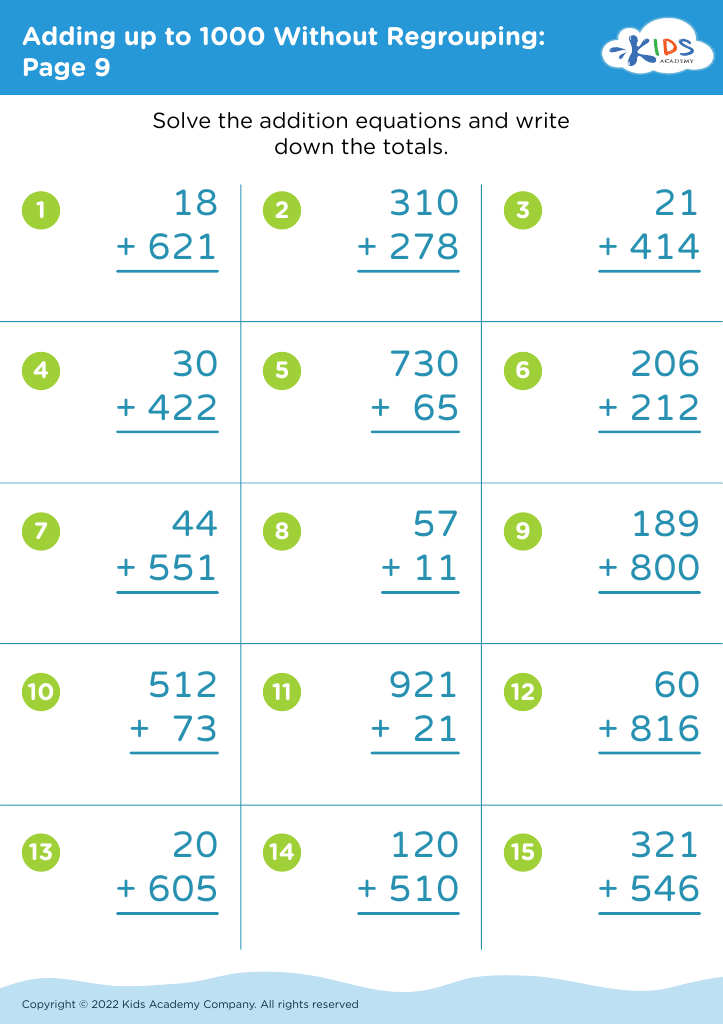
Unlock the world of sequencing with our engaging "Understand Sequences Math Worksheets" designed specifically for children ages 3-7. These worksheets provide a fun and interactive way to introduce young learners to the concept of patterns and order. Through colorful visuals and age-appropriate exercises, kids will develop critical thinking skills as they learn to identify, complete, and create sequences. Perfect for parents and educators, our resources aim to enhance math readiness in early learners while fostering a love for learning. Jumpstart your child's mathematical journey today with our thoughtfully crafted worksheets that make understanding sequences an enjoyable experience!
Favorites
With answer key
Interactive
Join Kids Academy for Free
Who is primarily going to use this learning content?







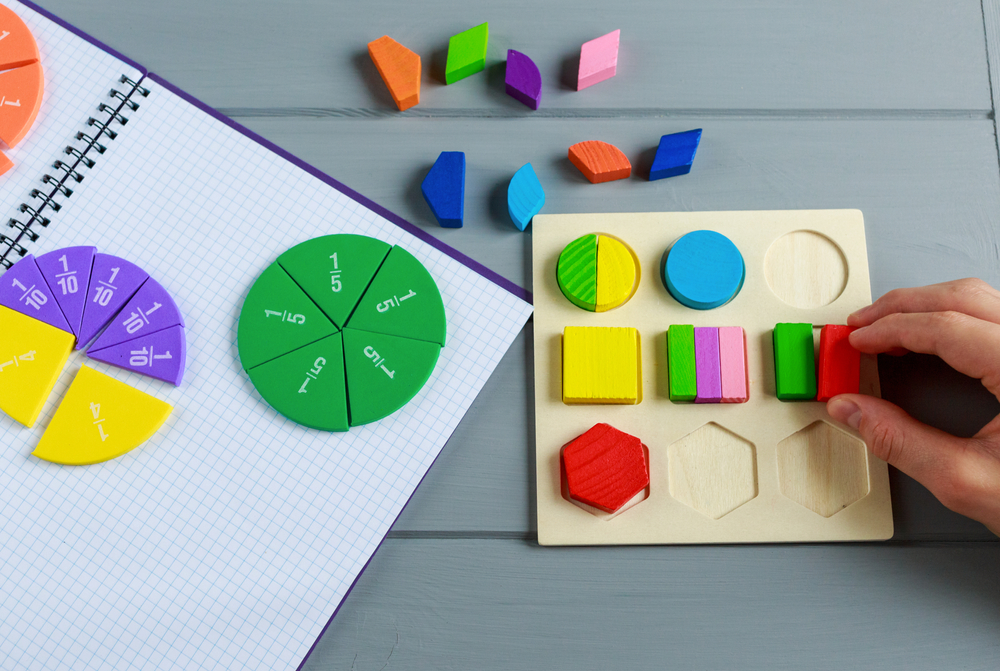
Understanding sequences is crucial for young learners aged 3-7 as it forms the foundation for various mathematical concepts they will encounter later. Sequences help children recognize patterns, order, and relationships, all essential components for problem solving and critical thinking. At this developmental stage, children are naturally curious and eager to explore relationships between numbers and objects, making it the perfect time to introduce sequencing.
Parents and teachers should care about teaching sequences because this skill translates into everyday life. For instance, when children learn to recognize daily routines (like getting dressed or following a story), they apply logical thinking and structural understanding that can later support their reading and math skills. Furthermore, understanding sequences helps with the development of foundational math skills such as addition and subtraction, as it teaches children to approach numbers in an organized manner.
By fostering a solid grasp of sequences, parents and teachers equip children with tools to better understand and manipulate numbers, aid in cognitive development, and encourage a lifelong love of learning. Ultimately, a strong foundation in sequencing fosters confidence that can empower children in all areas of their academic and everyday lives.








