Understanding number sequences Math Worksheets for Ages 3-7
7 filtered results
-
From - To
Dive into the world of numbers with our "Understanding Number Sequences Math Worksheets for Ages 3-7" at Kids Academy! Perfectly designed for young learners, these worksheets help children grasp the essential concept of number sequences through engaging and interactive activities. Tailored to blend seamlessly with playful learning, they enhance counting skills, number recognition, and pattern identification. Our printable sheets encourage kids to confidently work with numbers in a range of fun exercises, laying a strong foundation for future math success. Inspire your child's numerical journey and watch them thrive with our diverse and captivating worksheets!
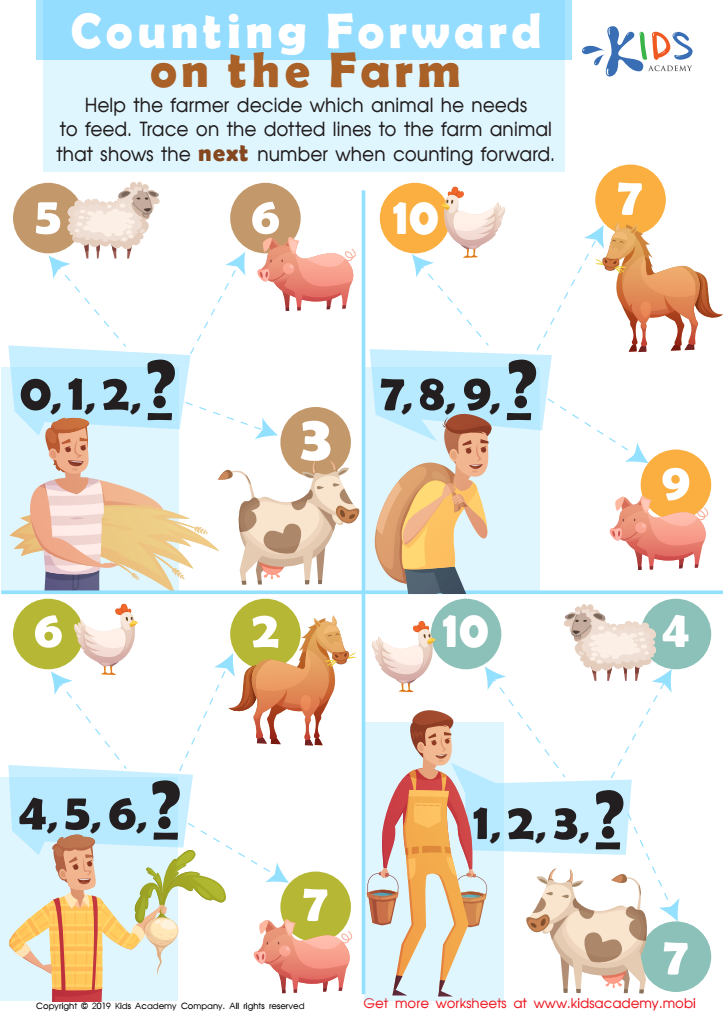
Counting Forward On the Farm Worksheet
 Assign to My Students
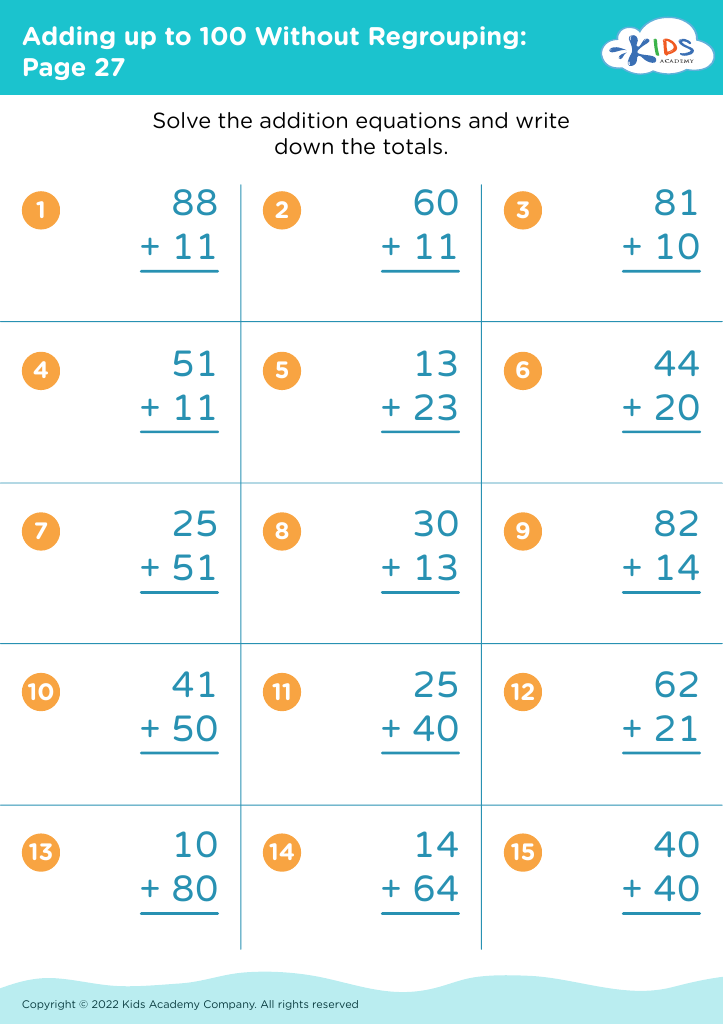
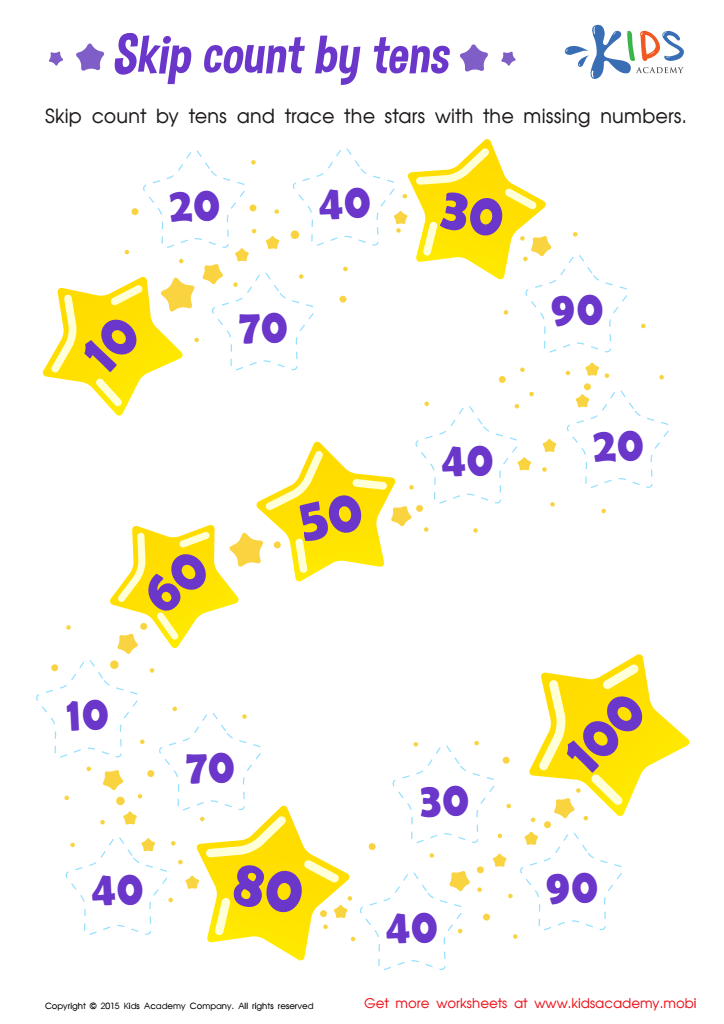
Learn dozens: Skip Count by Tens Printable
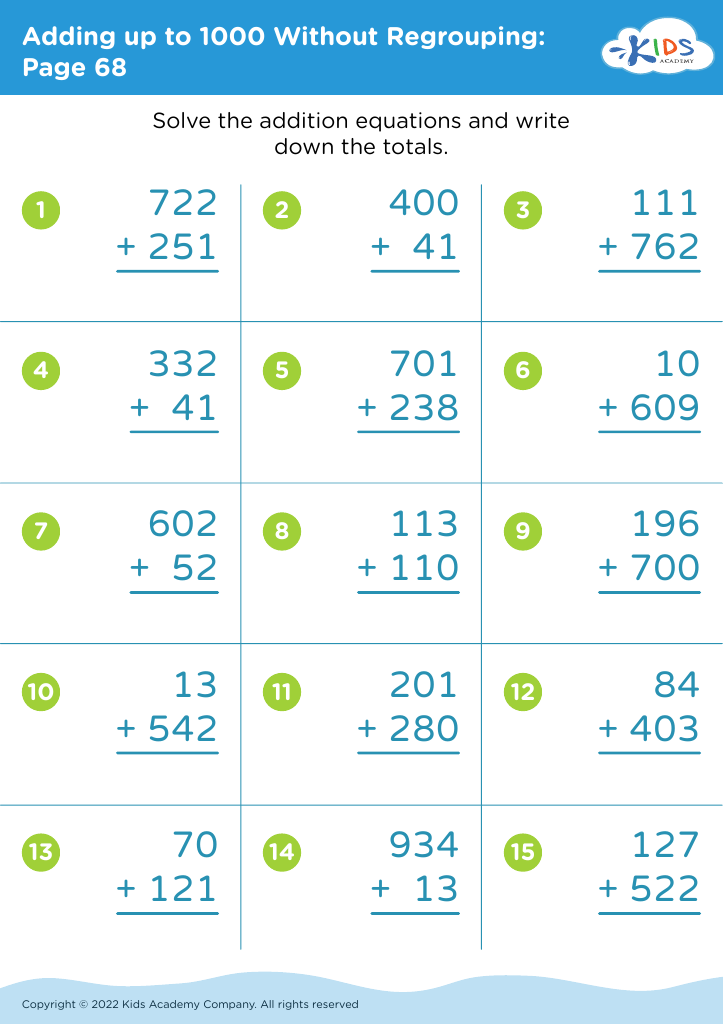
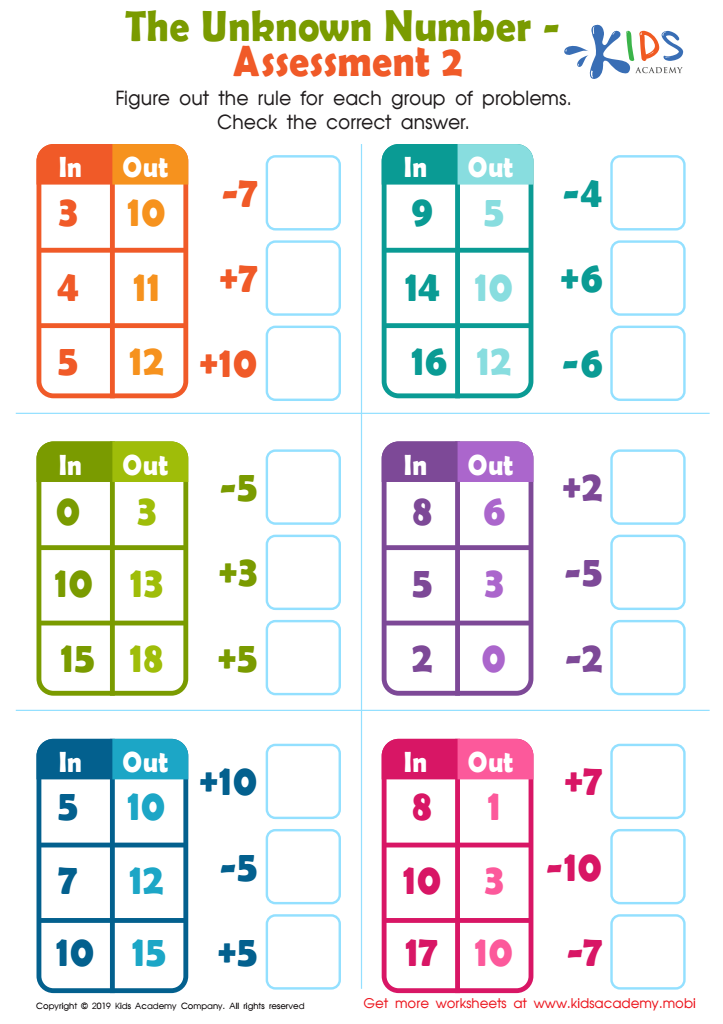
The Unknown Number - Assessment 2 Worksheet
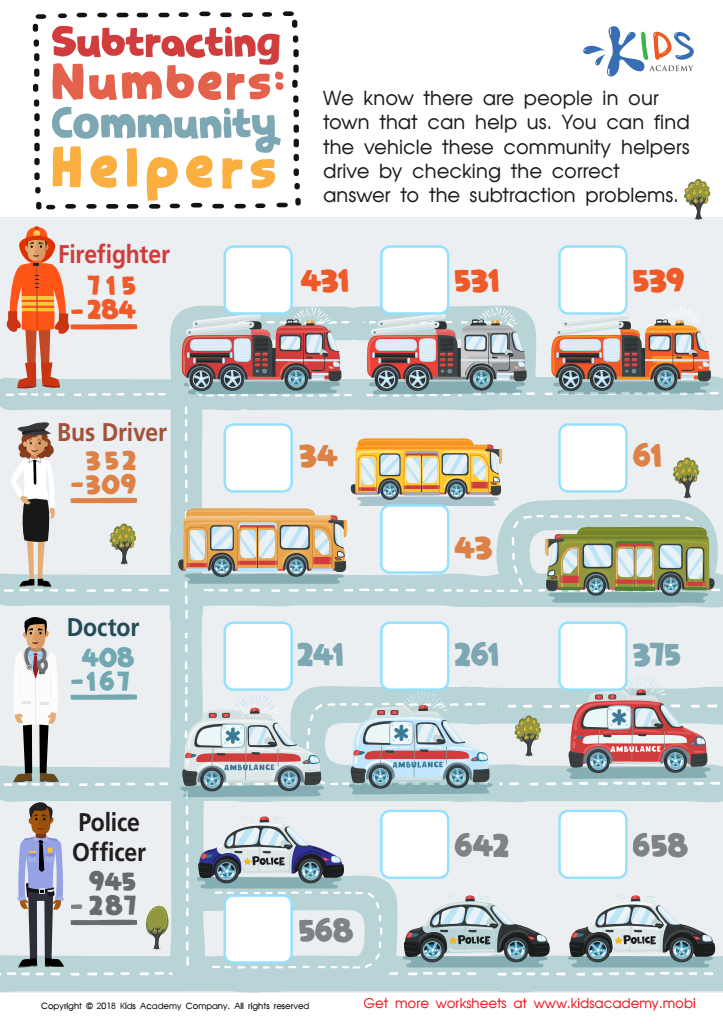
Subtracting Numbers: Community Helpers Worksheet


%20(1).jpg)
.jpg)




Understanding number sequences is a fundamental skill for young children aged 3-7, and it's imperative that parents and teachers prioritize this aspect of math education. First, number sequences introduce basic numerical concepts, laying the groundwork for all future math learning. Recognizing and creating patterns in number sequences help children grasp order, predictability, and logical thinking. This foundation is critical as it translates to more complex math problems and real-world applications, such as time management and measuring.
Moreover, mastering number sequences enhances cognitive development. It involves memory, attention to detail, and the ability to see connections between numbers, all of which are vital cognitive skills. For instance, understanding that 2, 4, 6, 8 follows a pattern teaches kids about even numbers, skip counting, and eventually, the basics of multiplication.
Lastly, early success in understanding number sequences builds confidence. As children recognize and predict patterns, they experience an intrinsic sense of accomplishment that fosters a positive attitude toward learning. This confidence becomes especially significant as they encounter more challenging academic tasks. Therefore, encouraging skills in number sequences is not merely about learning math, but about equipping children with essential cognitive tools and confidence for lifelong learning.








