Understanding numerical values Math Worksheets for Ages 3-7
4 filtered results
-
From - To
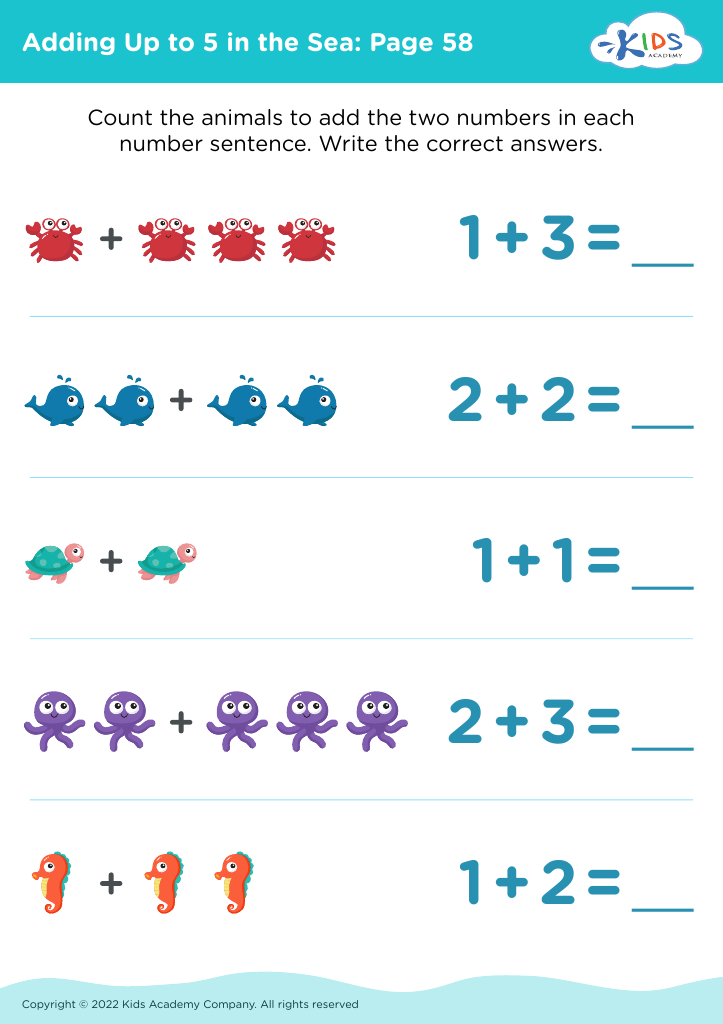
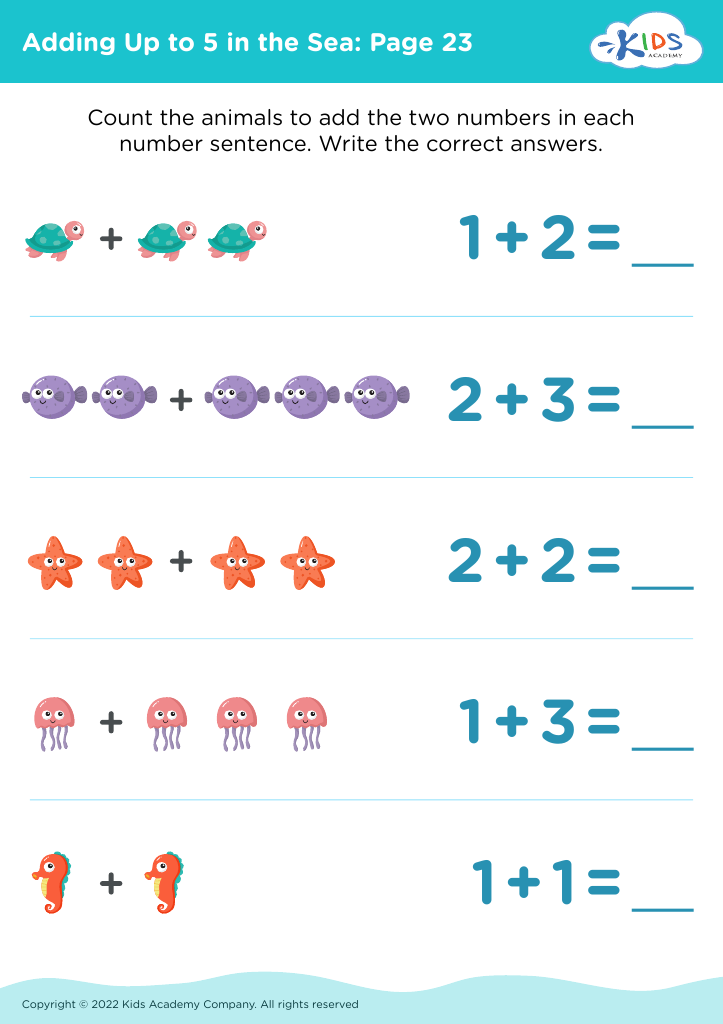
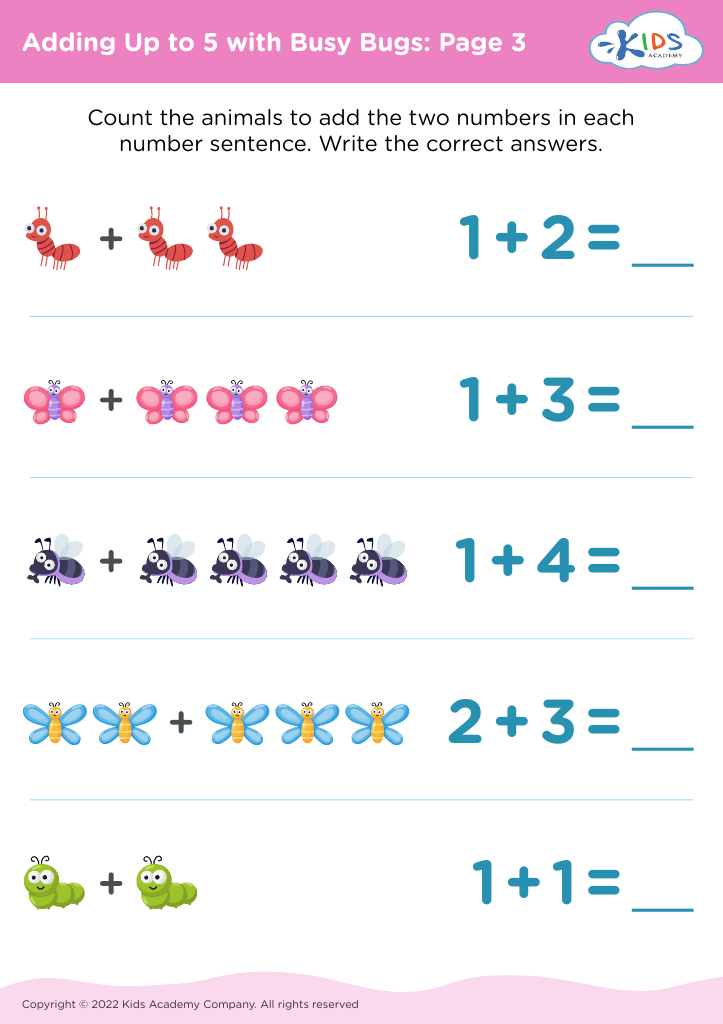
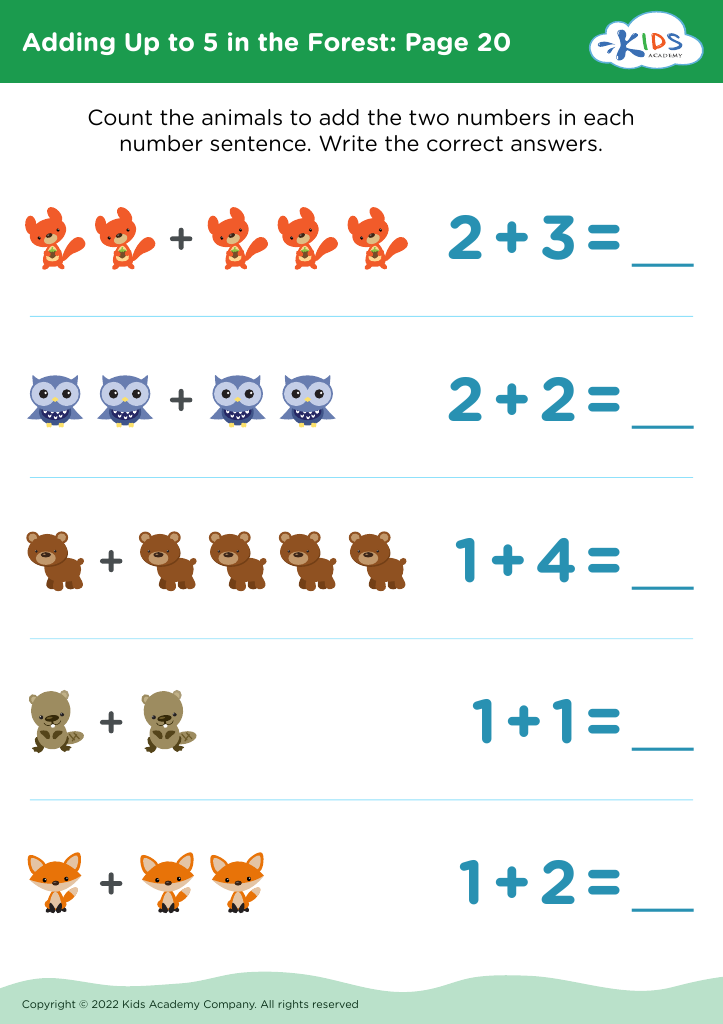
Discover "Understanding Numerical Values" Math Worksheets, designed for children ages 3-7. These engaging and educational resources from Kids Academy help young learners grasp essential math concepts through fun activities. From counting and number recognition to simple addition and subtraction, each worksheet fosters critical thinking and problem-solving skills. Perfect for parents and educators, these printable worksheets make early math practice enjoyable and effective, setting a strong foundation for future math success. Encourage your child’s numerical understanding with our expertly crafted, kid-friendly math resources. Visit Kids Academy for comprehensive support in your child's educational journey.





.jpg)


Understanding numerical values from a young age is fundamental for a child’s cognitive development and future learning. For children between the ages of 3-7, grasping basic mathematical concepts lays the groundwork for more complex problem-solving skills they will need later in life. Early math proficiency is strongly linked to overall academic success, as it fosters critical and analytical thinking, which are applicable to various subjects and real-world scenarios.
For parents and teachers, emphasizing early math skills helps children develop a strong number sense, making them comfortable with basic operations such as addition, subtraction, and eventually multiplication and division. Engaging young learners with numbers through games, activities, and real-life contexts like counting objects or identifying shapes enhances their ability to visualize concepts and understand relationships between numbers.
Moreover, early exposure to mathematics encourages a positive attitude towards the subject. It diminishes anxiety and builds confidence, setting a robust foundation for future success. Children are naturally curious, and capitalizing on their innate curiosity by introducing numerical values in a playful, stress-free manner can make learning enjoyable and effective.
In essence, fostering early numerical understanding not only propels academic growth but also equips young minds with essential life skills, leading to well-rounded development. Thus, parents and teachers should prioritize and actively engage in nurturing these skills.








