Understanding quantity Math Worksheets for Ages 3-7 - Page 2
30 filtered results
-
From - To
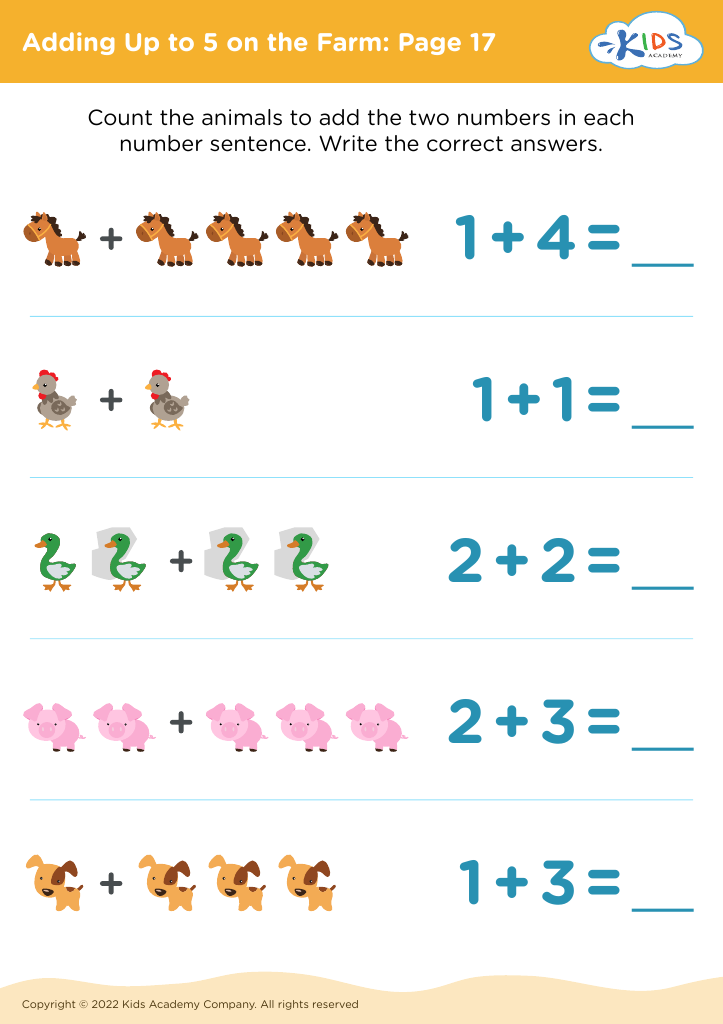
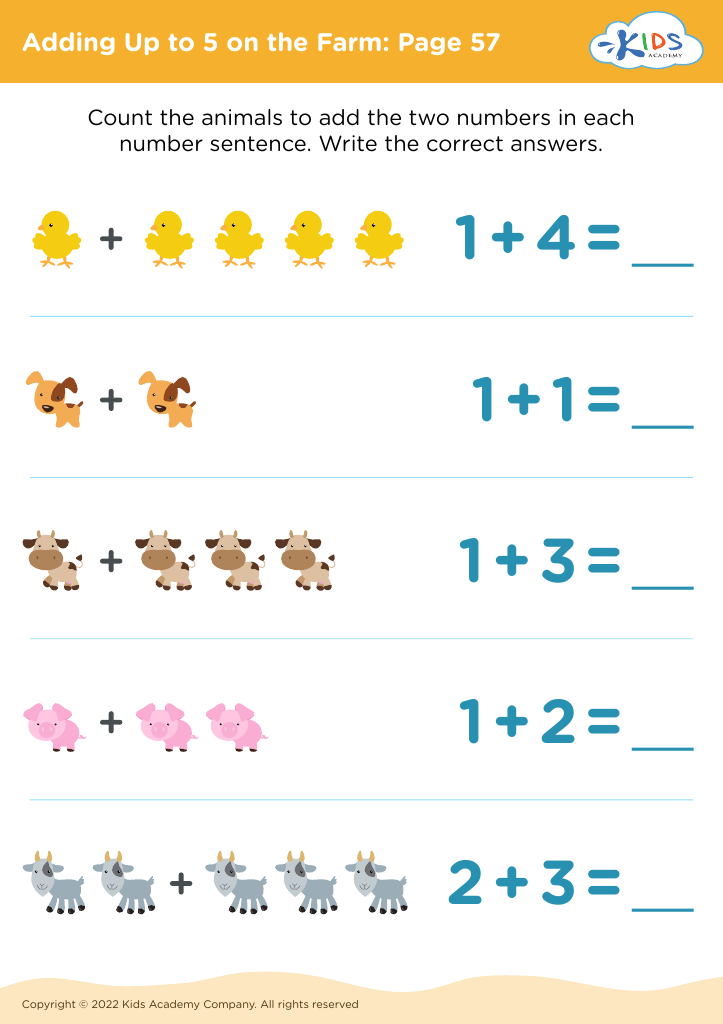
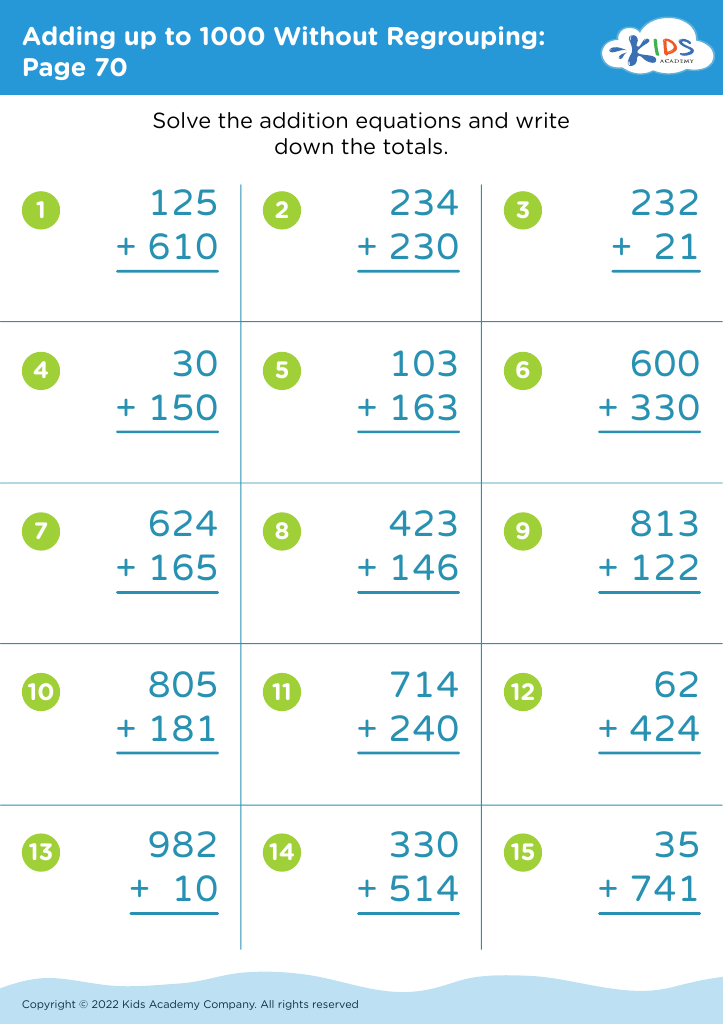
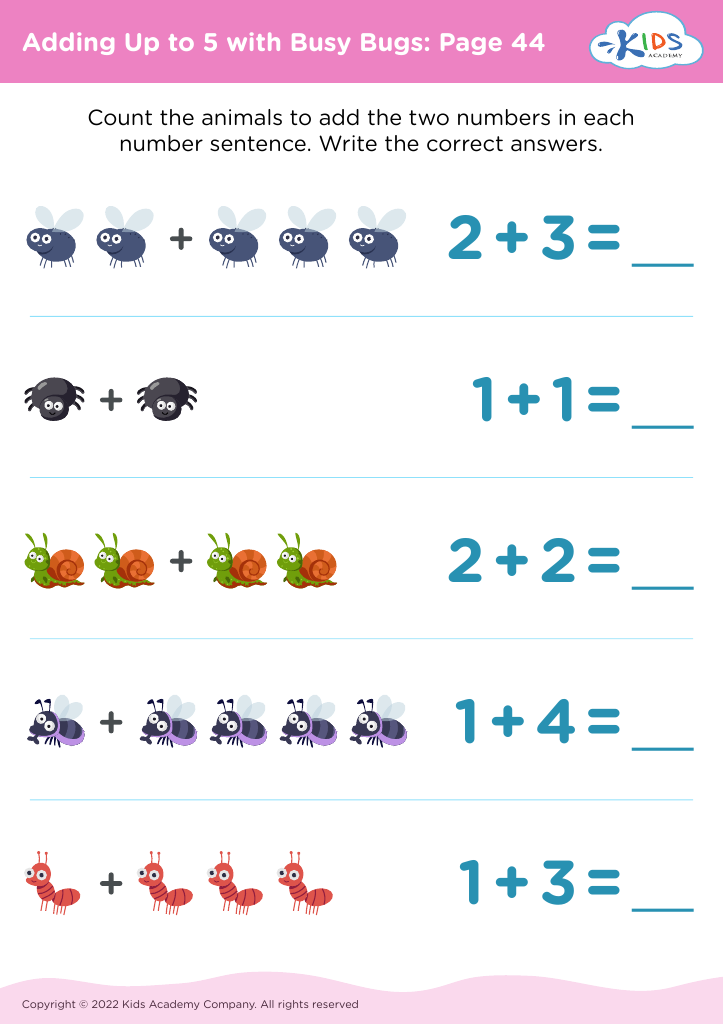
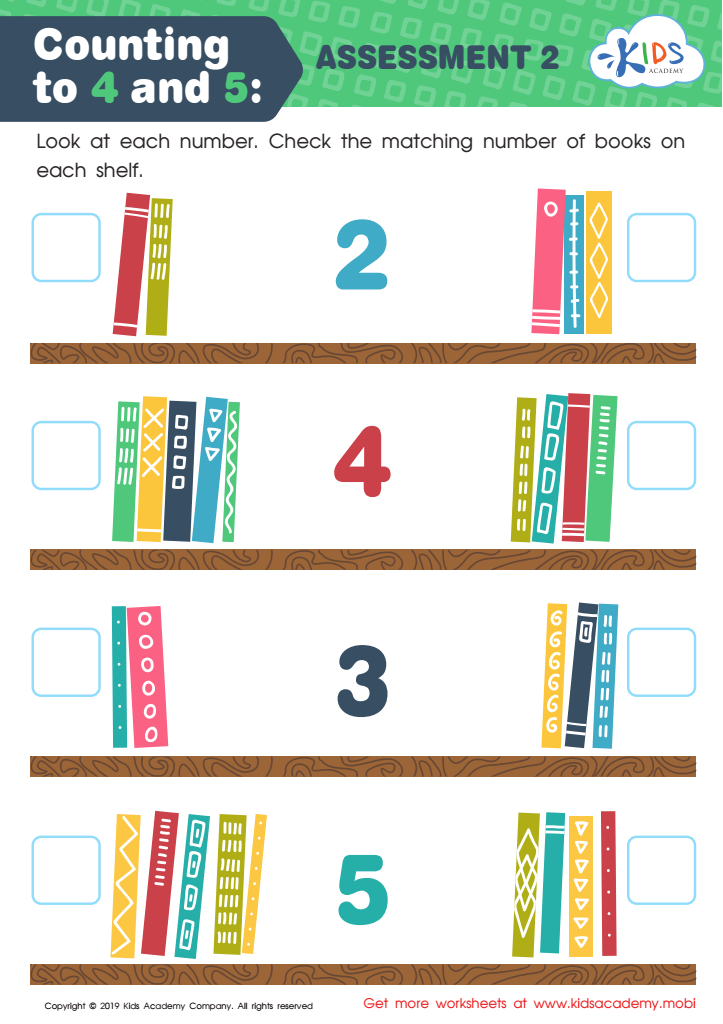
Counting to 4 and 5: Assessment 2 Worksheet
 Assign to My Students
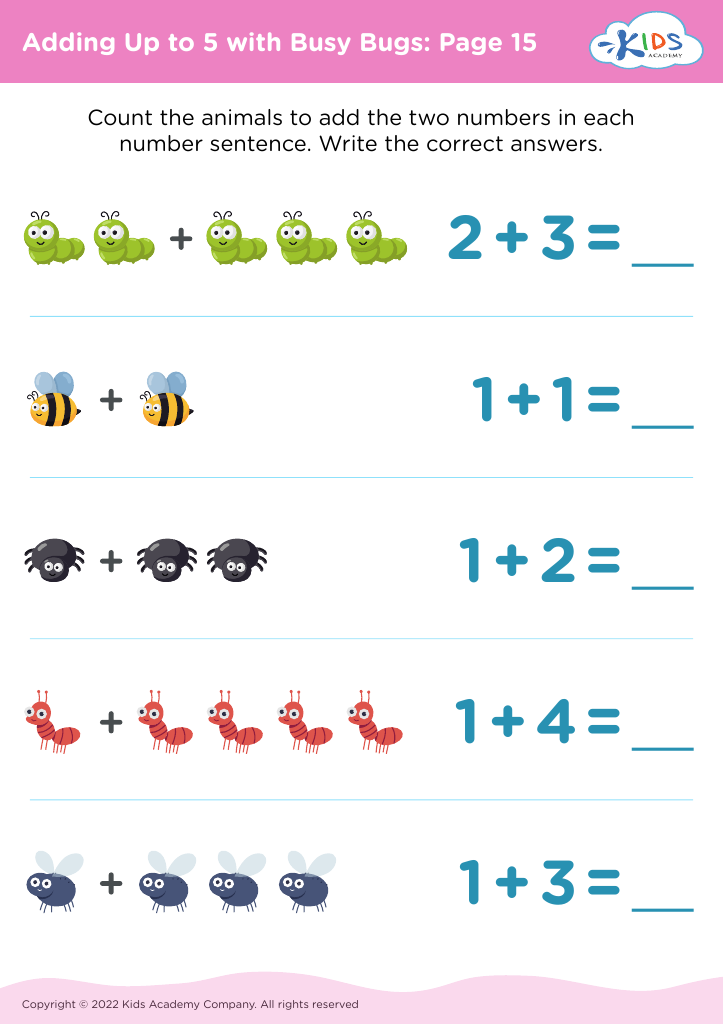







Understanding quantity math for ages 3-7 is pivotal as it lays the groundwork for future mathematical learning and cognitive development. During these formative years, children are highly receptive and capable of grasping fundamental concepts such as counting, quantifying objects, and basic addition and subtraction. Recognizing and comparing quantities help in developing number sense, a critical skill that enables children to understand more complex mathematical concepts later on.
For parents and teachers, engaging children in quantity-based activities fosters curiosity, problem-solving skills, and logical thinking. Simple daily activities, like counting toys, dividing snacks, or measuring ingredients while cooking, make math fun and relatable. These interactions not only enhance mathematical understanding but also boost confidence in young learners, making them more inclined to tackle math positively.
Early exposure to quantity math aids in improved memory retention, attention to detail, and spatial awareness. As children master these skills, they experience increased academic preparedness and resilience in facing more challenging subjects. By valuing quantity math understanding for children aged 3-7, parents and teachers invest in the long-term academic success and overall intellectual development of the child, setting a robust foundation for their future educational journey.








