
Visual comprehension Math Worksheets for Ages 3-7
7 filtered results
Difficulty Level
Grade
Age
-
From - To
Subject
Activity
Standards
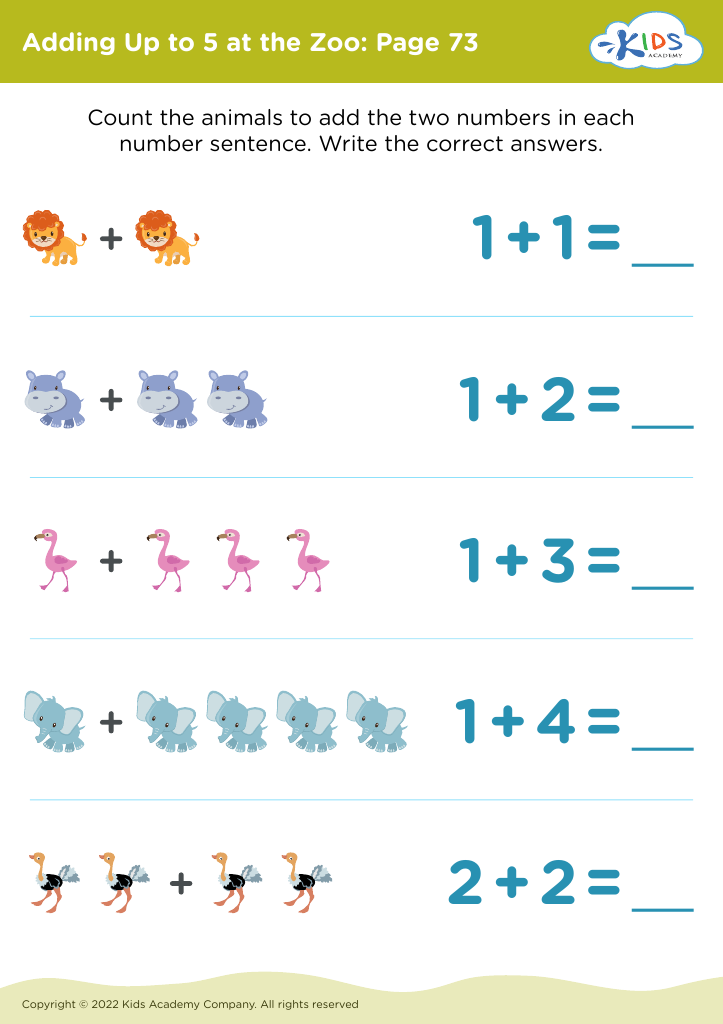
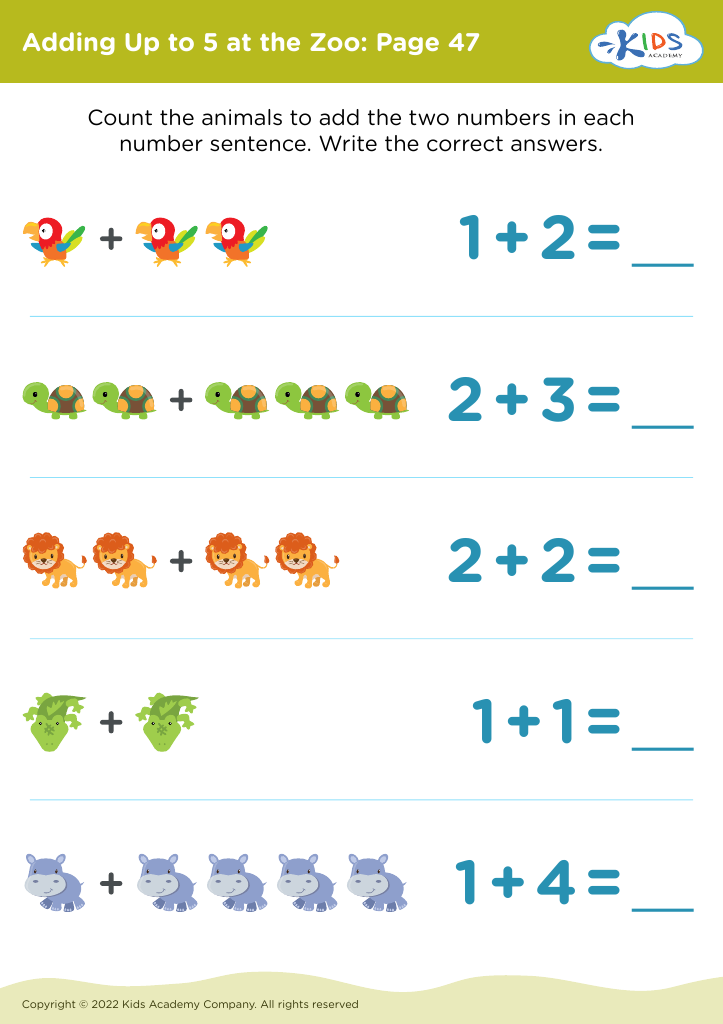
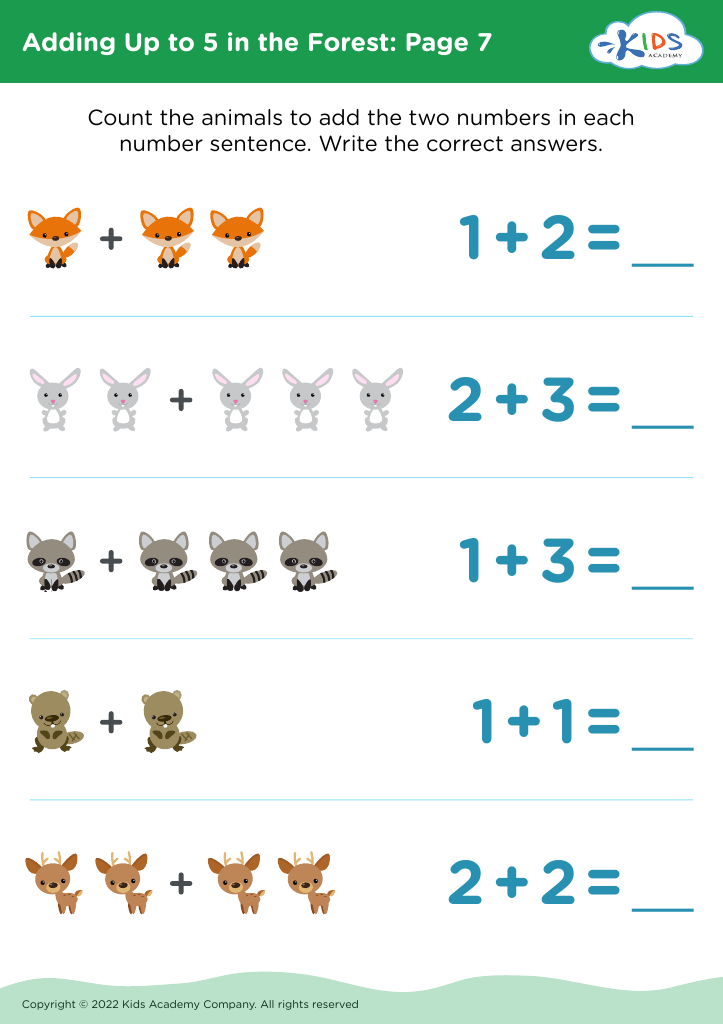
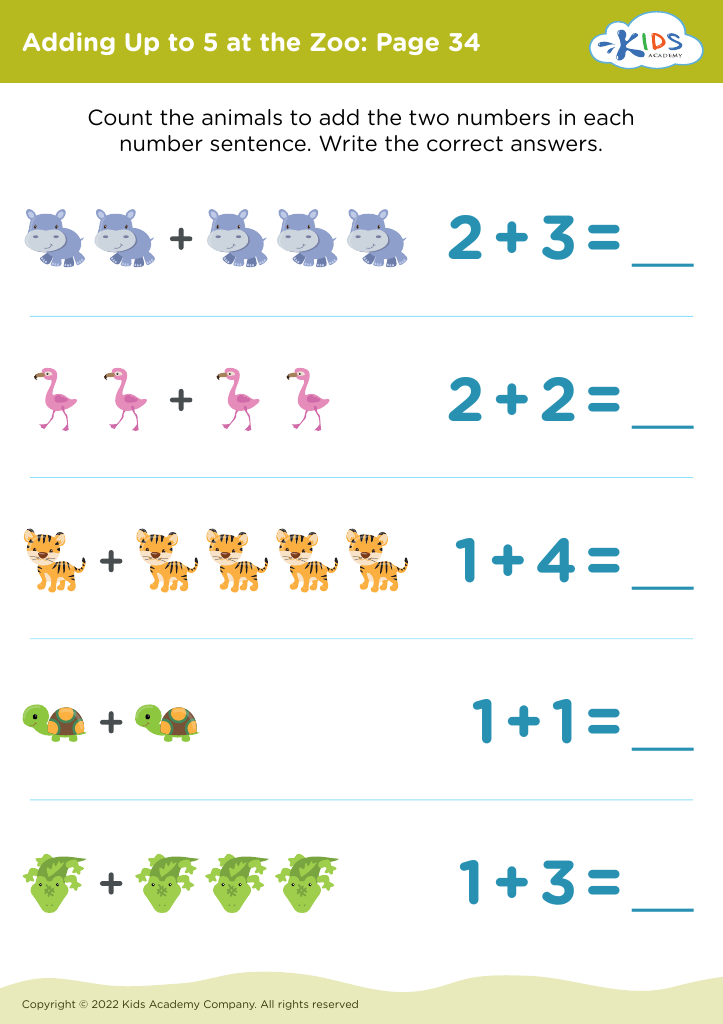
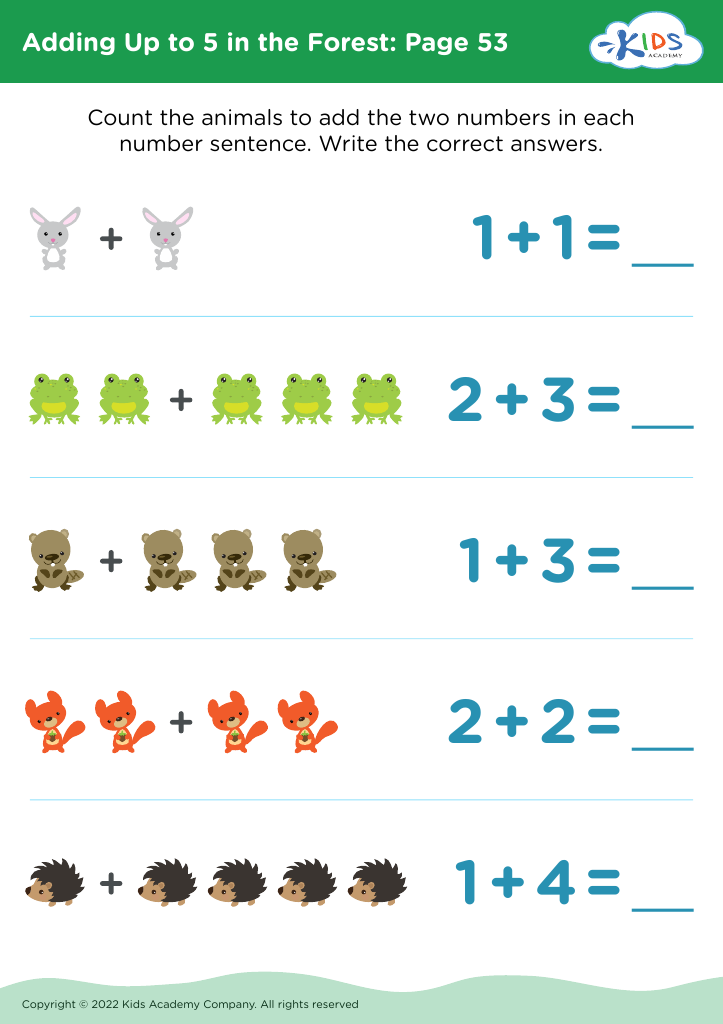
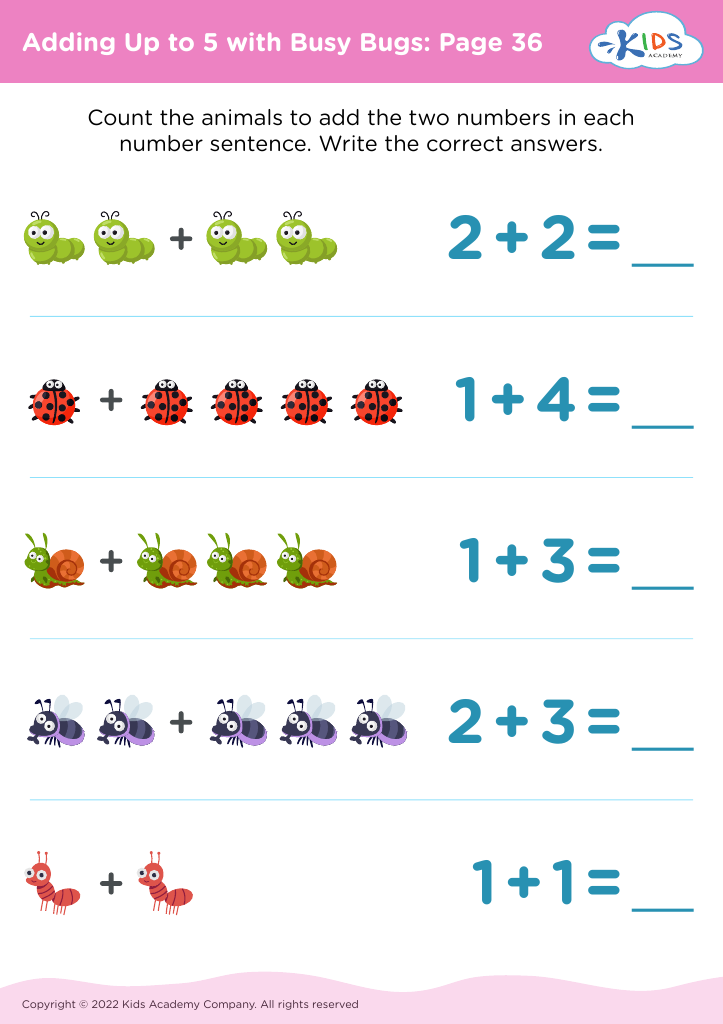
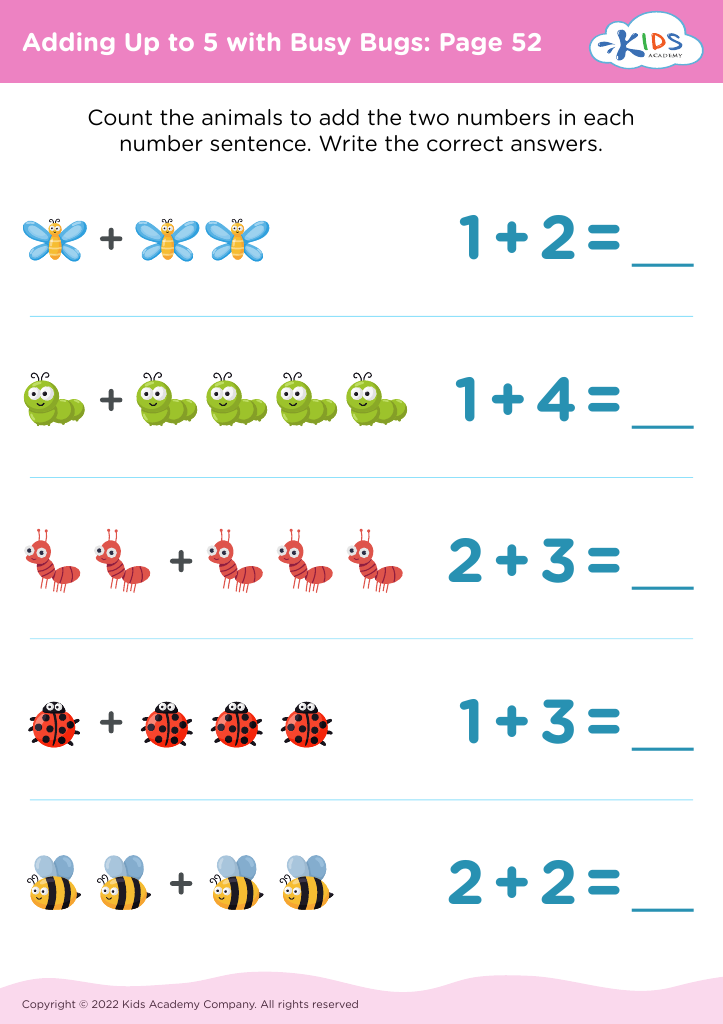
Explore our engaging Visual Comprehension Math Worksheets, designed specifically for children ages 3 to 7! These interactive worksheets help young learners develop essential visual skills needed for solving math problems. Featuring vibrant illustrations and age-appropriate activities, our resources encourage kids to identify shapes, patterns, and relationships while enhancing their number sense. Perfect for home or classroom use, our worksheets promote critical thinking and problem-solving abilities, ensuring a solid foundation in early mathematics. Equip your child with the tools for success in a fun, interactive way! Visit our site to download and start strengthening your child’s visual comprehension skills today!
Favorites
With answer key
Interactive
Join Kids Academy for Free
Who is primarily going to use this learning content?




%20(1).jpg)
.jpg)


Visual comprehension in math is a crucial skill for children aged 3-7 as it lays the foundation for their future mathematical understanding. During early childhood, children are predominantly visual learners, meaning they grasp concepts better through visual representations. Engaging with visual aids—like charts, blocks, or drawings—promotes cognitive development, helping children to see patterns, relationships, and the meaning behind numbers.
When parents and teachers prioritize visual comprehension in math, they create a stimulating and supportive environment where children can explore mathematical concepts in a hands-on manner. This approach not only makes learning enjoyable but also cultivates critical thinking skills. By utilizing visual aids, children can develop problem-solving skills and learn to approach math with confidence.
Moreover, strong visual comprehension abilities can directly impact literacy skills, as both subjects often share similar cognitive processes. Parents and teachers can nurture a love of learning by integrating visual elements into math education early on. This foundational skill can enhance overall academic performance, aid in comprehension of more abstract concepts in later years, and support children in developing reasoning and analytical skills necessary for real-life problem-solving. Overall, investing time in visual math comprehension during these formative years is essential for a child's academic success and lifelong learning.








