Logical thinking development Measurement Worksheets for Ages 3-7
3 filtered results
-
From - To
Enhance your child's logical thinking skills with our engaging Measurement Worksheets designed specifically for ages 3-7! These worksheets offer a fun and interactive way to introduce foundational concepts in measurement while stimulating critical thinking and problem-solving abilities. Each activity encourages children to categorize, compare, and contrast various attributes, promoting cognitive development and a deeper understanding of the world around them. Perfect for home or classroom use, our worksheets are colorful, age-appropriate, and easy to follow. Give your young learners the tools they need to thrive in mathematics and logical reasoning—download our Measurement Worksheets today and watch their confidence grow!
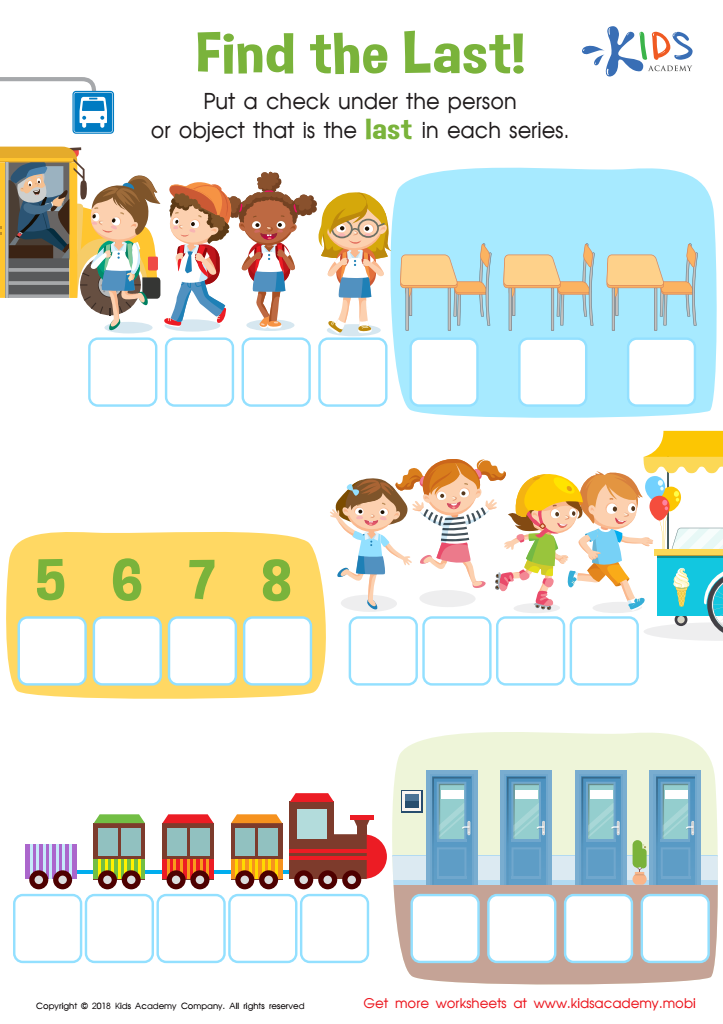
Find the Last! Worksheet
 Assign to My Students
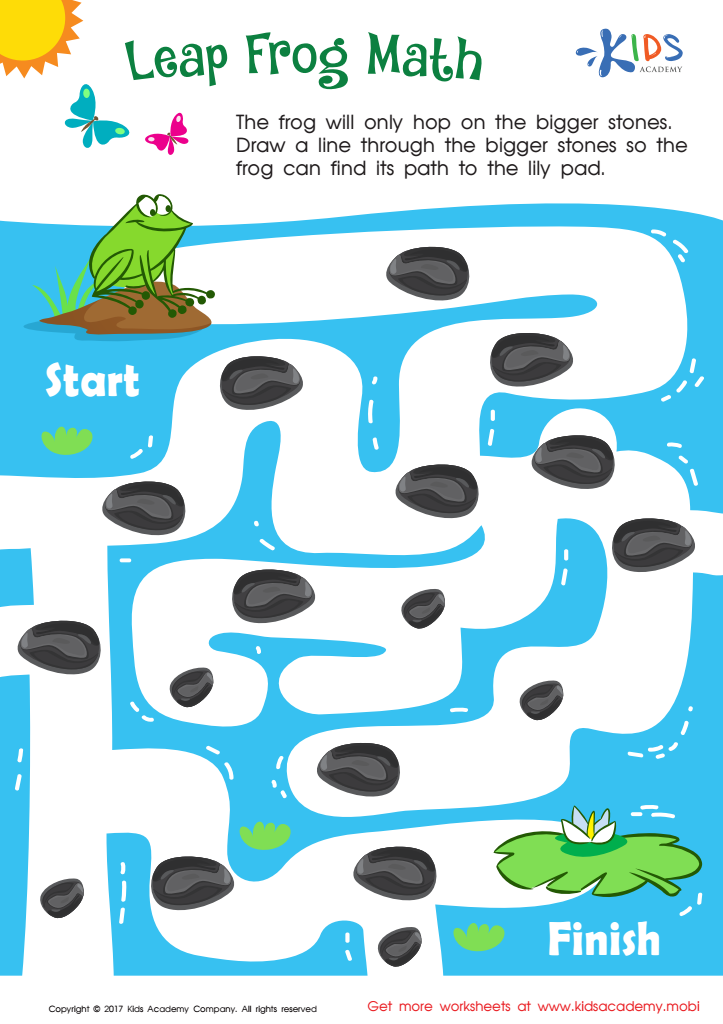
Math Puzzle Worksheet
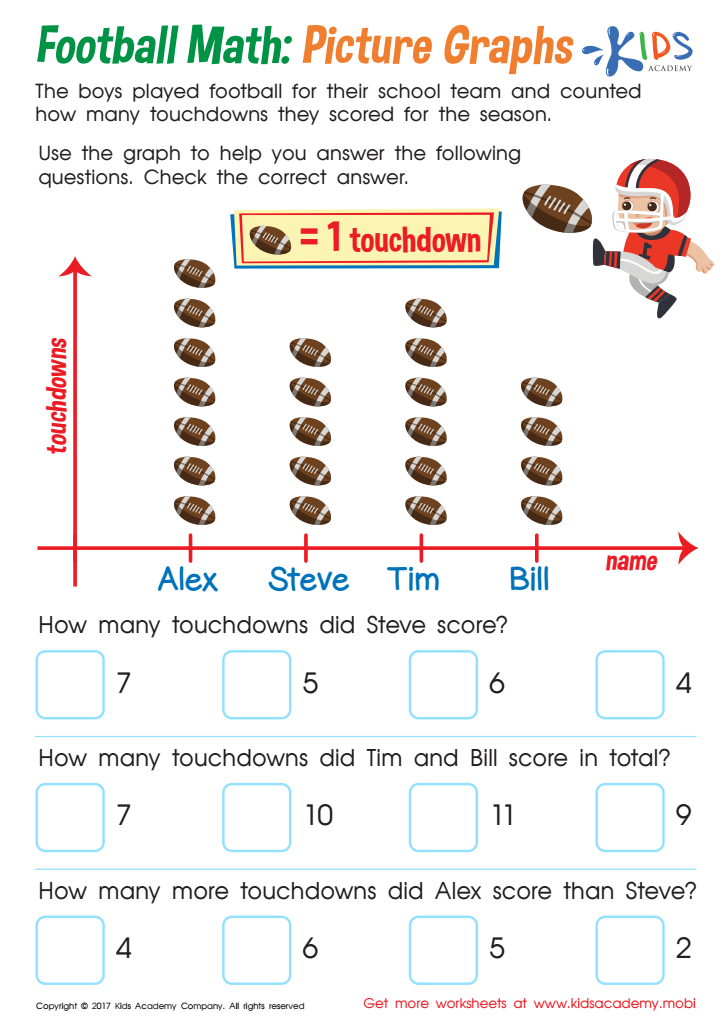
Football Math Worksheet








Logical thinking is a foundational skill critical for young children, especially between the ages of 3 to 7. At this stage, children begin to interpret the world around them and establish cognitive patterns. Parents and teachers should prioritize the measurement of logical thinking development because it plays a pivotal role in problem-solving, decision-making, and eventual academic success.
From identifying patterns to categorizing objects, logical thinking helps the developing brain connect ideas and draw conclusions. Assessments that gauge children's logical reasoning abilities enable educators and parents to identify strengths and areas needing support. Early interventions can lead to significant improvements, ensuring children become proficient thinkers as they progress in their education.
Moreover, cognitive skills correlate with social development; logical thinking influences how children interact and collaborate with peers. Encouraging families and educators to nurture these abilities fosters an environment where children learn to approach problems critically, enhancing their confidence and resilience.
Incorporating games, puzzles, and structured activities that promote logical thinking helps children develop these essential skills in an engaging way. Thus, measuring logical thinking isn't just about statistics; it's about building a solid foundation for lifelong learning, equipping children to navigate the complexities of life successfully.








