Addition Practice Numbers 0–10 Worksheets for Ages 3-7
6 filtered results
Difficulty Level
Grade
Age
-
From - To
Subject
Activity
Standards
Enhance your child's early math skills with our "Addition Practice Numbers 0–10 Worksheets" tailored for ages 3-7. These engaging worksheets help young learners master basic addition through fun activities and colorful illustrations. Designed to bolster counting abilities and foster problem-solving confidence, this collection introduces numbers 0-10 in an easy and approachable format. Perfect for preschool through early elementary students, our worksheets offer a solid foundation in fundamental math concepts. Transform learning into play with our expertly crafted addition practice, promoting a love for math from an early age. Download now and watch your child's skills blossom!
Favorites
With answer key
Interactive
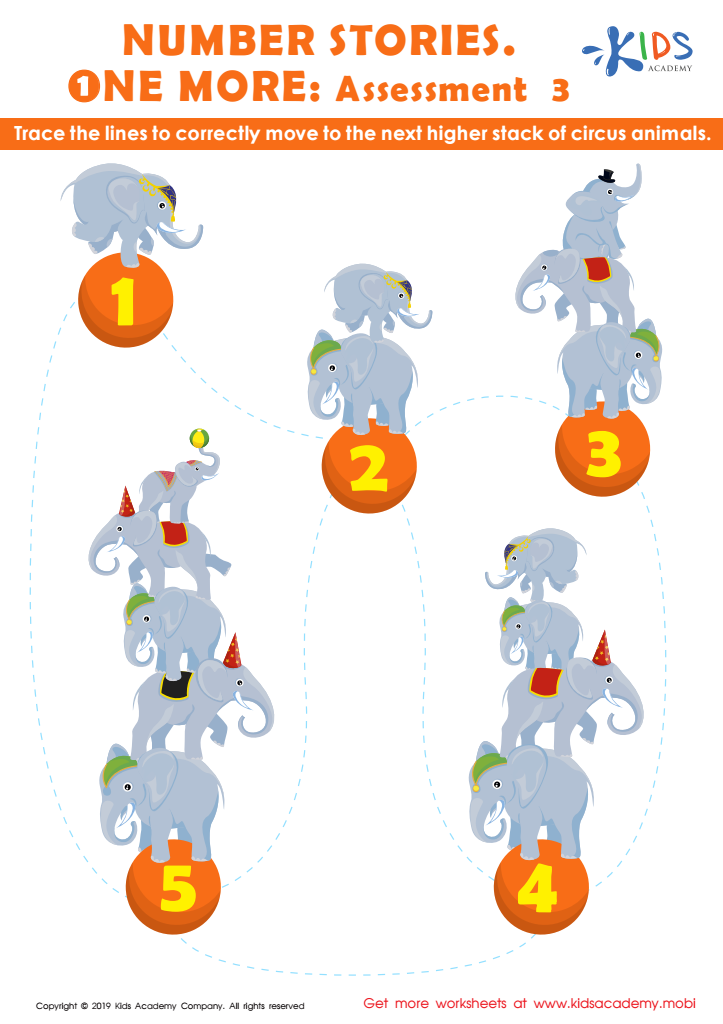
Number Stories One More: Assessment 3 Worksheet
Introduce kids to elephants with this tracing sheet. Ask if they've seen them at the zoo or on TV, then help them identify the elephants in the pic. Count all the circus animals on the balls and help them trace the lines to the higher stack. Count 1-10 with them to warm up their brains.
 Assign to My Students
Number Stories One More: Assessment 3 Worksheet
Worksheet
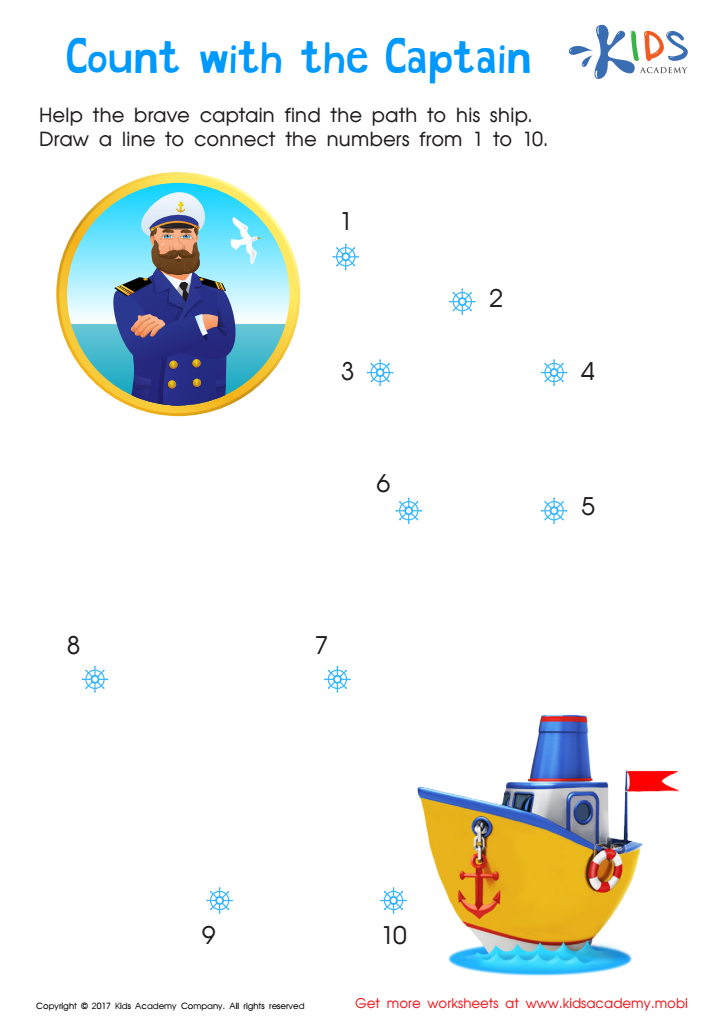
Count with the Captain Connect Dots Worksheet
All aboard! Help the captain set sail with this fun connect the dots numbers 1-10 PDF! Motivate your child to practice counting and numeracy, as they help the captain find his way to his ship. Problem solving skills and recognition of numbers in print are also developed. Reward your child after completion and they'll be unaware of the skills honed.
Count with the Captain Connect Dots Worksheet
Worksheet
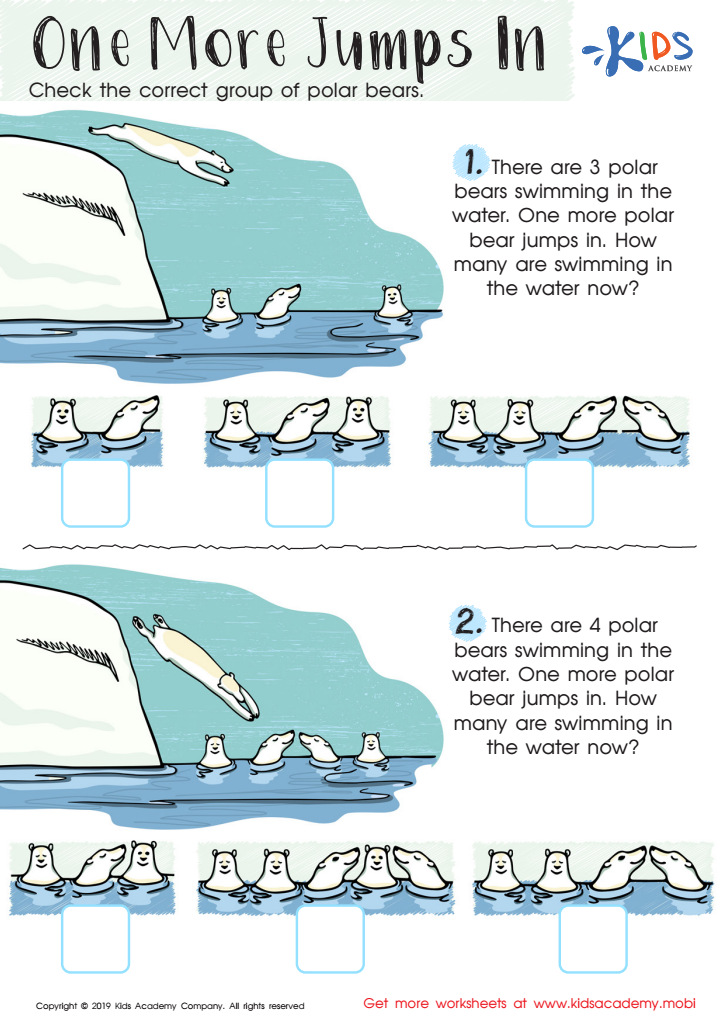
One More Jumps In Worksheet
Polar bears live in the Arctic which is always cold and snowy. Show your kids pictures of polar bears swimming in the water. Read the text and help them count correctly to answer the questions in the first and second sections.
One More Jumps In Worksheet
Worksheet
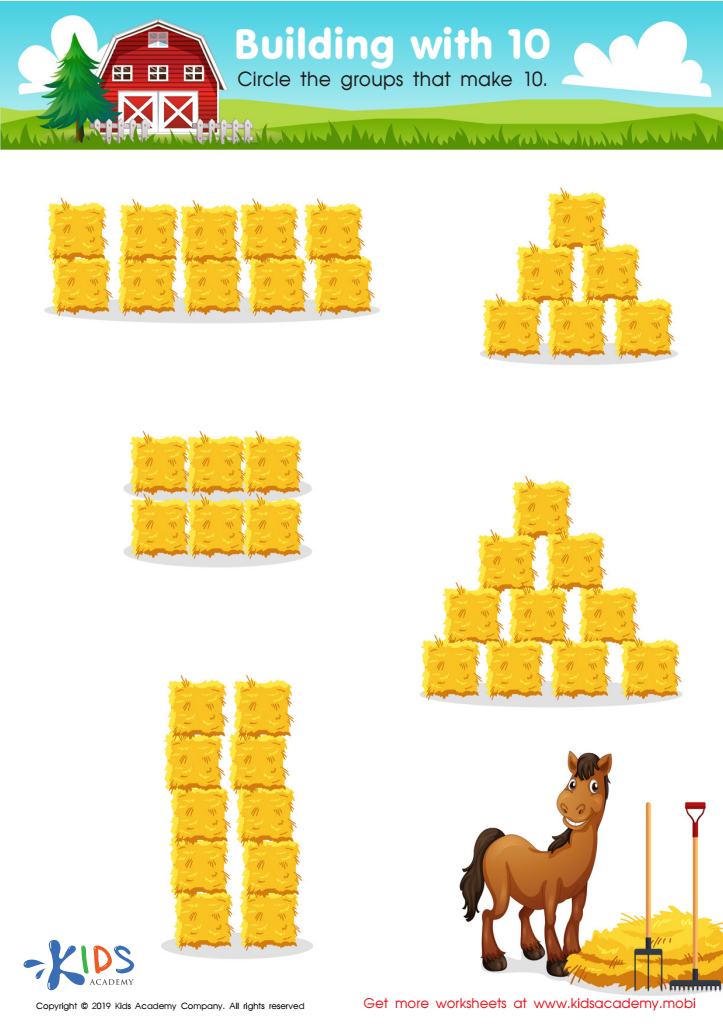
Building with 10 Worksheet
Counting numbers can be simple with this worksheet: Ask your kids to count the stacks of objects, ensure accuracy with your help, then circle the ones of ten. With practice and guidance, your children will soon become counting pros!
Building with 10 Worksheet
Worksheet
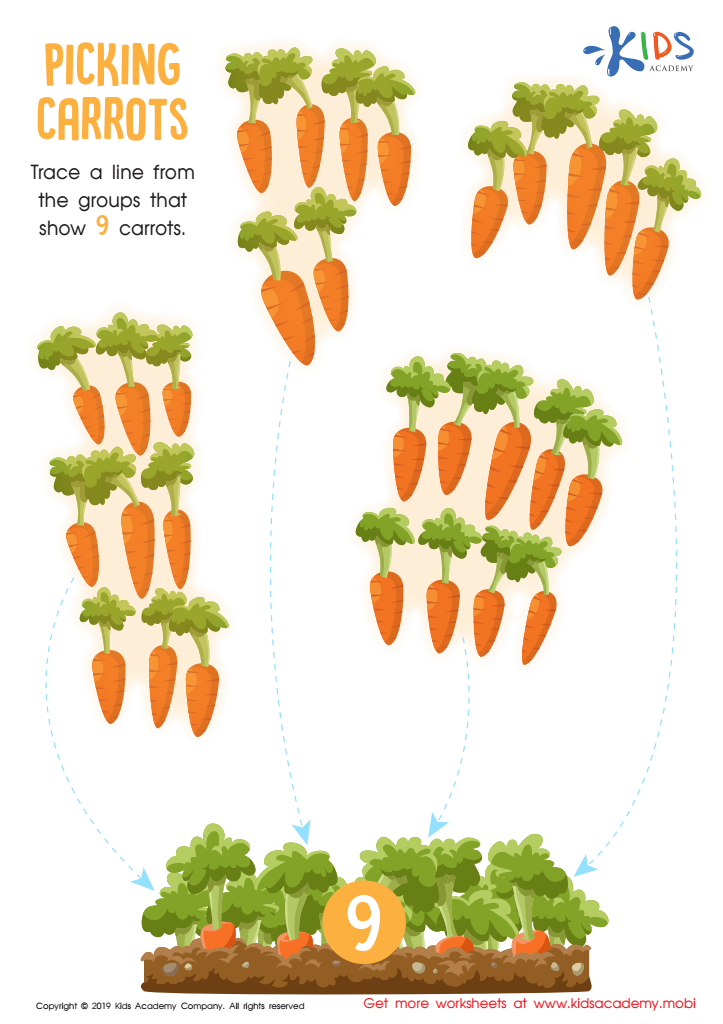
Picking Carrots Worksheet
Do your kids know what carrots are? They're nutritious veggies we should eat. Look at the worksheet with them; can they spot the carrots? It's an exercise to practice counting. Show them how to count all the carrots in the groups and trace the line to the groups with 9 carrots.
Picking Carrots Worksheet
Worksheet
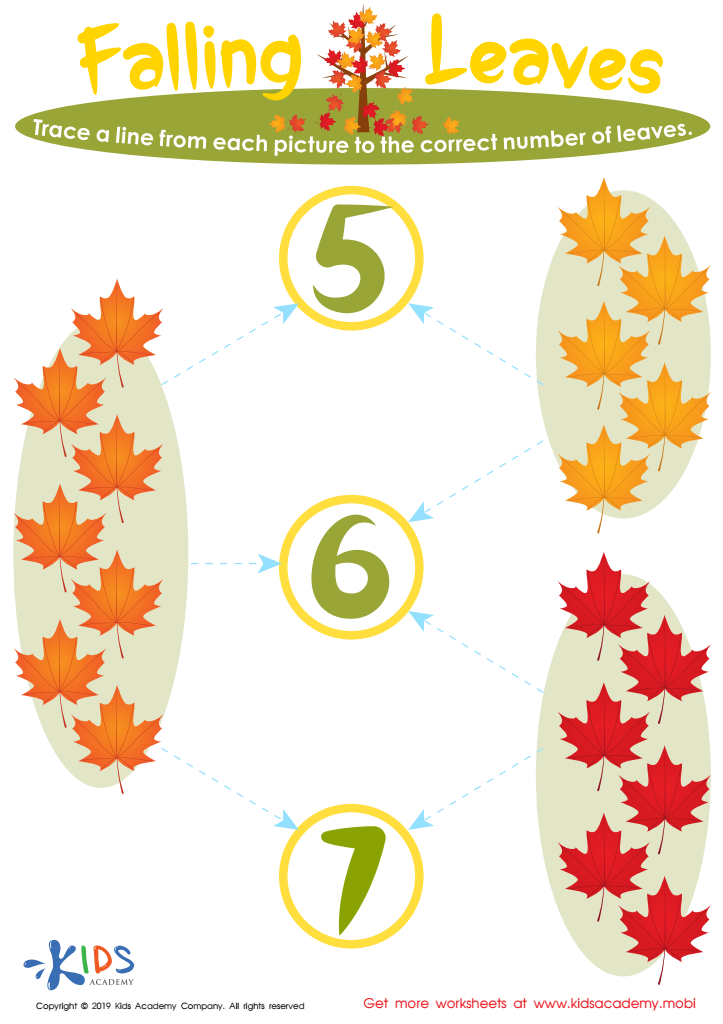
Falling Leaves Worksheet
Do your kids know the seasons? Ask them to name each one, then test their counting skills with a fun worksheet. Have them count from 1 to 10, then trace a line from each picture to the corresponding number of leaves. It's a great way to check their counting ability!
Falling Leaves Worksheet
Worksheet
Join Kids Academy for Free
Who is primarily going to use this learning content?








Parents and teachers should prioritize addition practice for young children aged 3-7 because it establishes a solid foundation for future mathematical learning and cognitive development. At this formative age, children's brains are highly receptive to new information. Mastering basic addition with numbers 0-10 enhances their numerical fluency, enabling them to perform more complex operations with ease as they progress. This early practice builds not only arithmetic skills but also problem-solving abilities, as children learn to approach numbers and quantities in logical ways.
Furthermore, addition practice boosts confidence and fosters a positive attitude towards math. For young learners, math can be intimidating, but understanding fundamental concepts can make math enjoyable and accessible. This mindset encourages a lifelong appreciation for learning, which is crucial for academic success.
Parents and teachers play a crucial role by providing engaging and supportive environments for practice through games, hands-on activities, and real-life scenarios. These experiences help children see the relevance of math in everyday life, making the learning process more meaningful and effective. Therefore, focused addition practice during these early years equips children with essential skills, promoting their overall intellectual growth and setting them on a path to academic achievement.