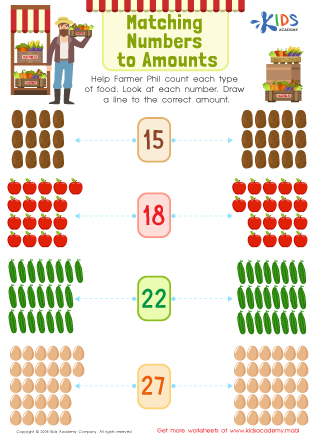
Basic Counting Numbers 0–10 Worksheets for Ages 3-7
3 filtered results
-
From - To
Welcome to our collection of Basic Counting Numbers 0–10 Worksheets, expertly designed for children aged 3-7! These engaging activities foster early math skills through fun and interactive exercises. Each worksheet helps young learners recognize and count numbers 0-10, paving the way for foundational numeracy. From colorful illustrations to hands-on counting exercises, our worksheets make learning a joyful experience. Perfect for home or classroom use, these resources are ideal for enhancing number recognition, counting practice, and fine motor skills. Help your child build confidence in their math abilities with our easy-to-use worksheets available for printable download. Start counting today!
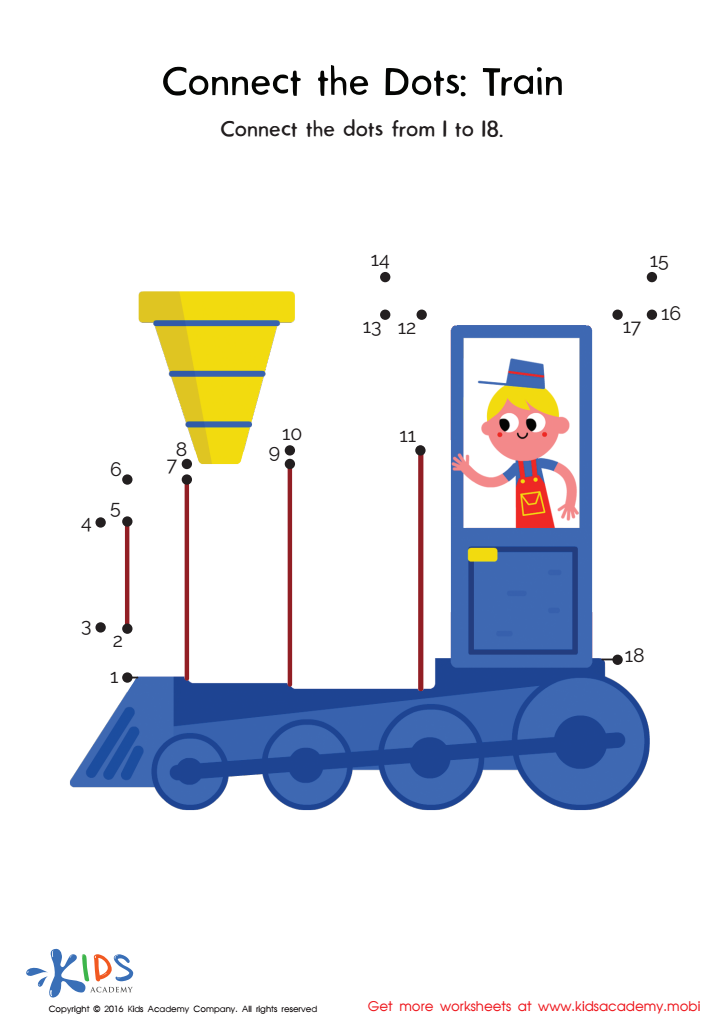
 Assign to My Students
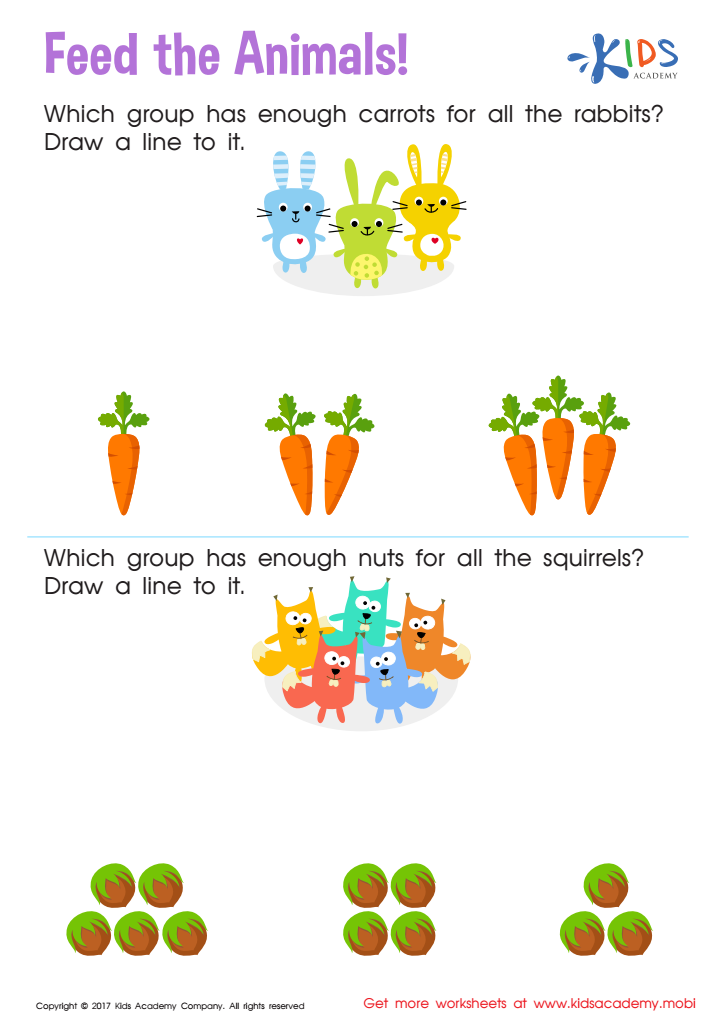
Count and Match: Feed the Animals Worksheet
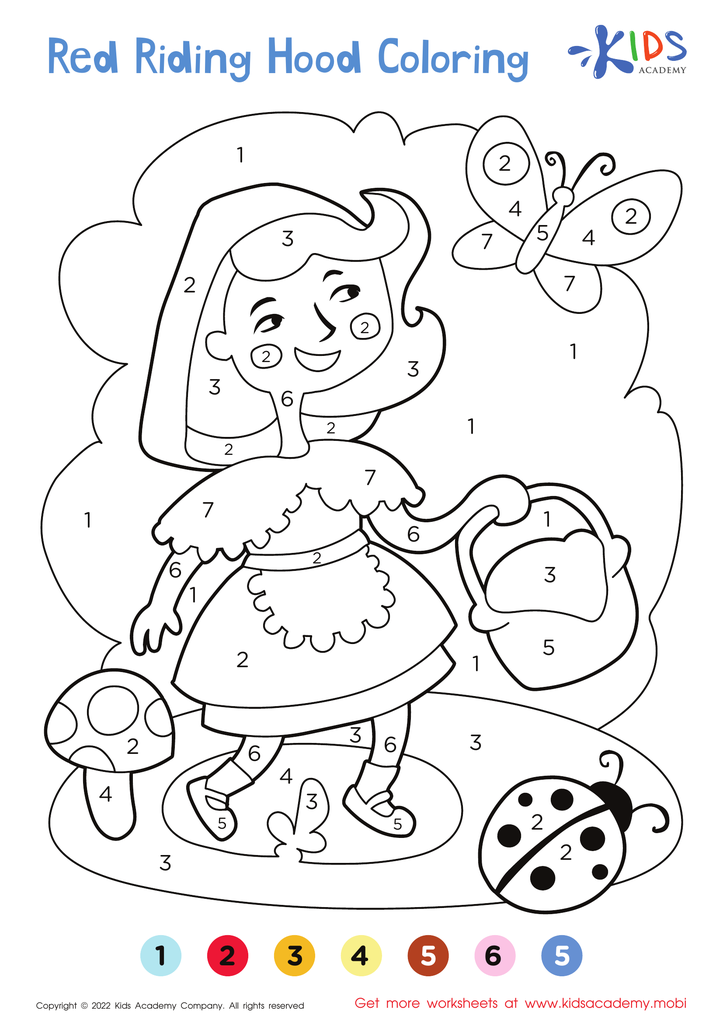
Little Red Riding Hood – Coloring by Numbers








Basic counting numbers from 0 to 10 are foundational skills for children aged 3-7, forming the first step in their mathematical journey. Understanding these numbers is crucial as they lay the groundwork for more advanced mathematical concepts like addition, subtraction, and even problem-solving skills. When children learn to count, they also develop spatial awareness and understand quantities, which are vital for everyday tasks.
Parents and teachers should care about this developmental milestone because strong early numeracy skills have been linked to later academic success. Counting helps children improve their cognitive abilities, enhancing their memory and concentration skills. Additionally, engaging with numbers fosters critical thinking and lays the groundwork for logic and reasoning, essential for future learning.
Integrating counting into daily activities, such as counting objects, steps, or even sounds, makes learning enjoyable and relatable. This active participation builds confidence and curiosity in young learners. Parents and teachers play essential roles in creating an environment that nurtures these skills through play, discussions, and interactive games. Ultimately, prioritizing the teaching of basic counting supports not just academic achievement, but also equips children with problem-solving abilities and critical life skills that are beneficial beyond the classroom.