Fine Motor Skills Numbers 0–10 Worksheets for Ages 3-7 - Page 2
48 filtered results
-
From - To

Eight Geese Worksheet
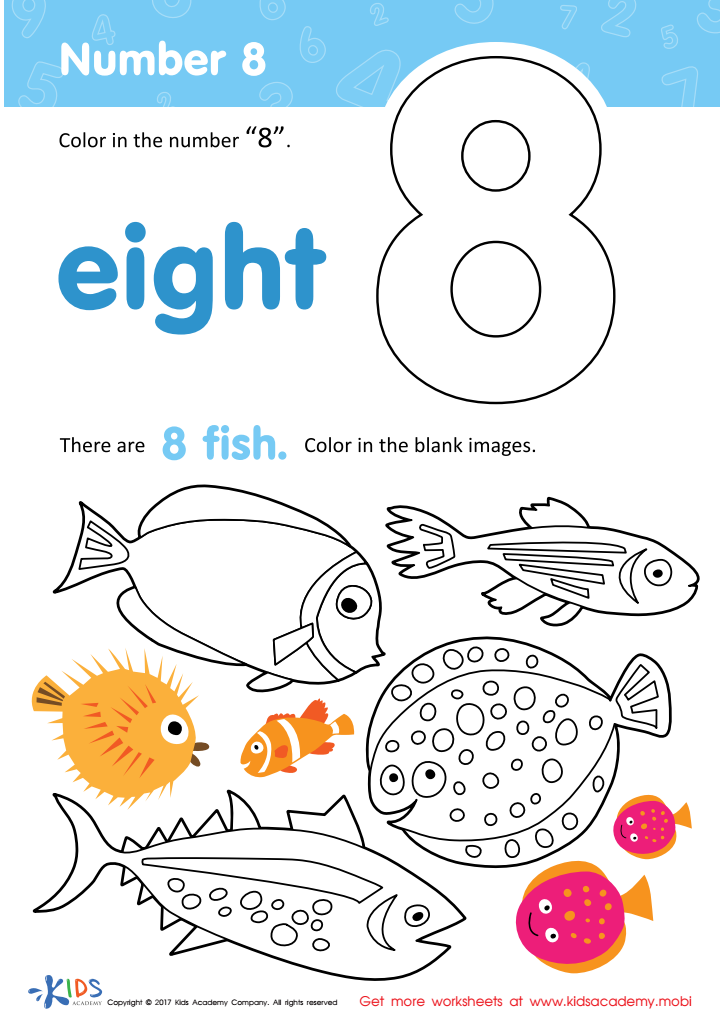
Number 8 Printable
 Assign to My Students
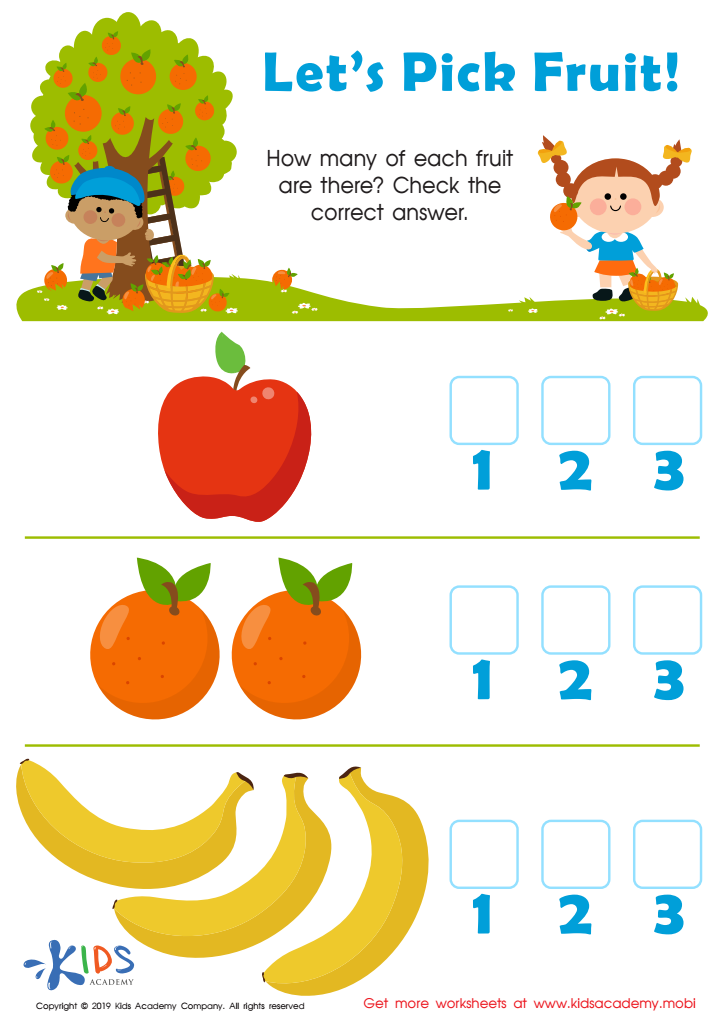
Let's Pick Fruit Worksheet
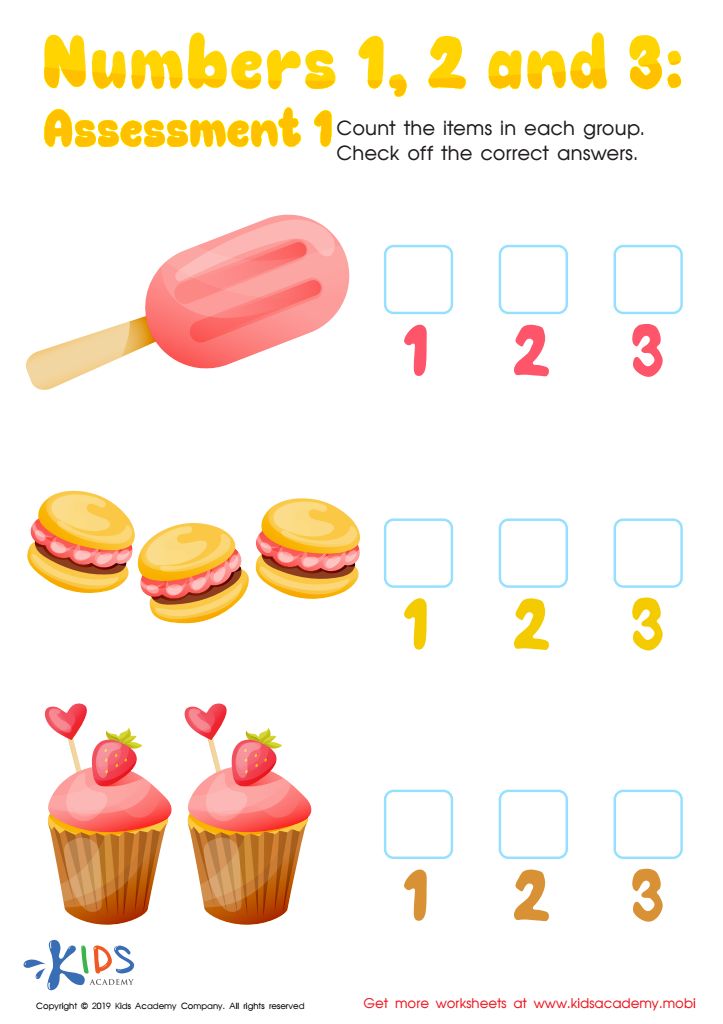
Numbers 1, 2 and 3: Assessment 1 Worksheet

Underwater Adventure Worksheet
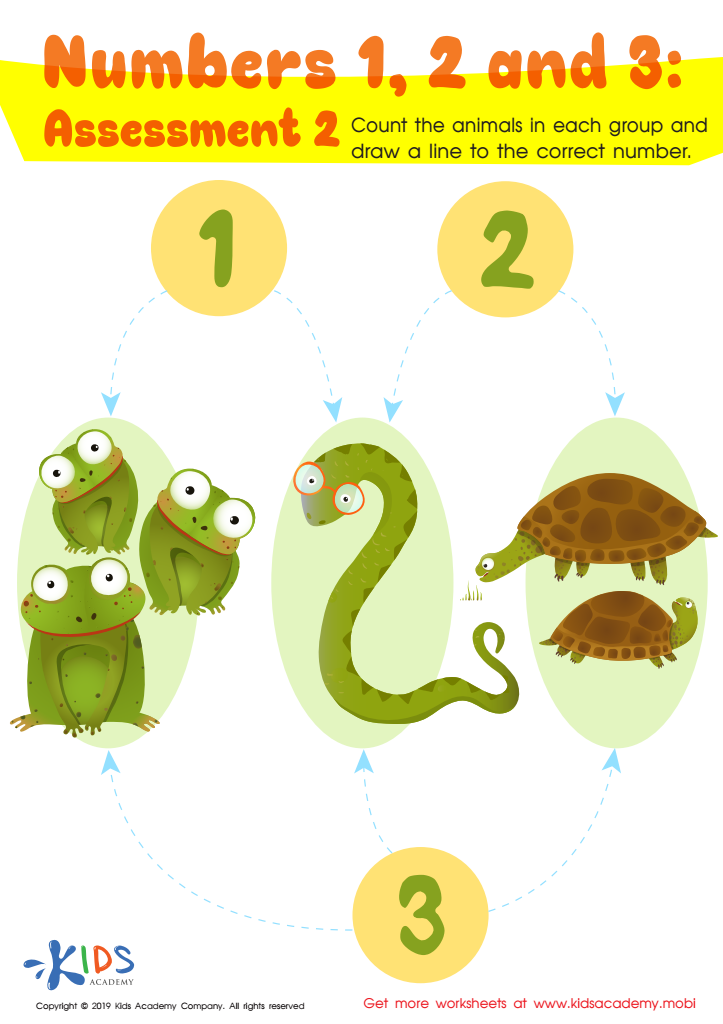
Numbers 1, 2 and 3: Assessment 2 Worksheet
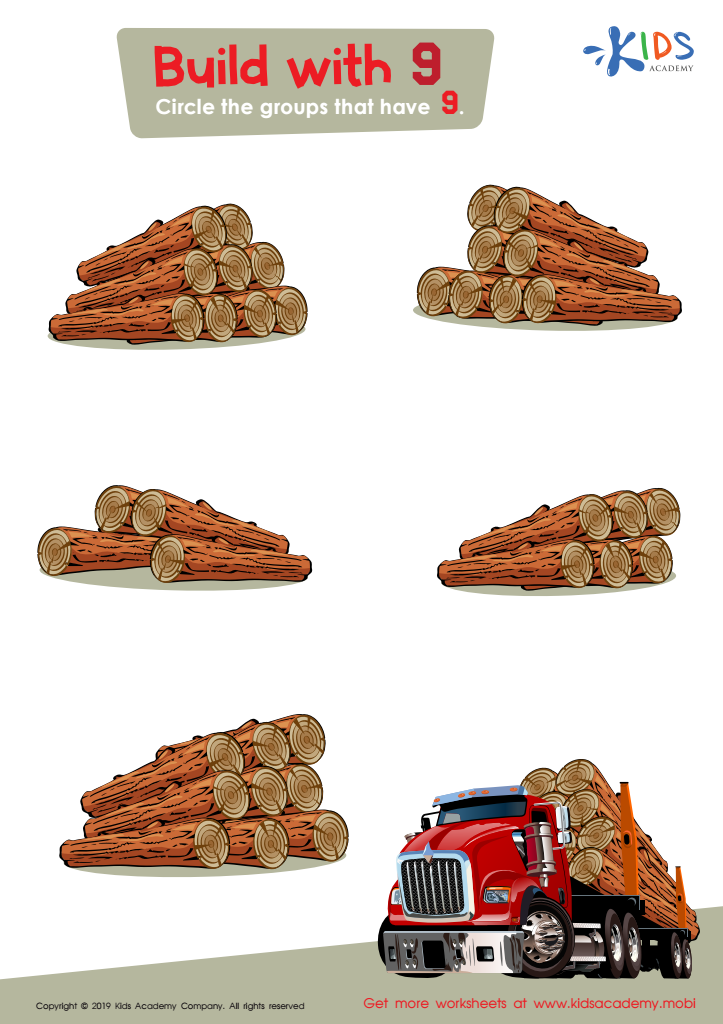
Build with 9 Worksheet
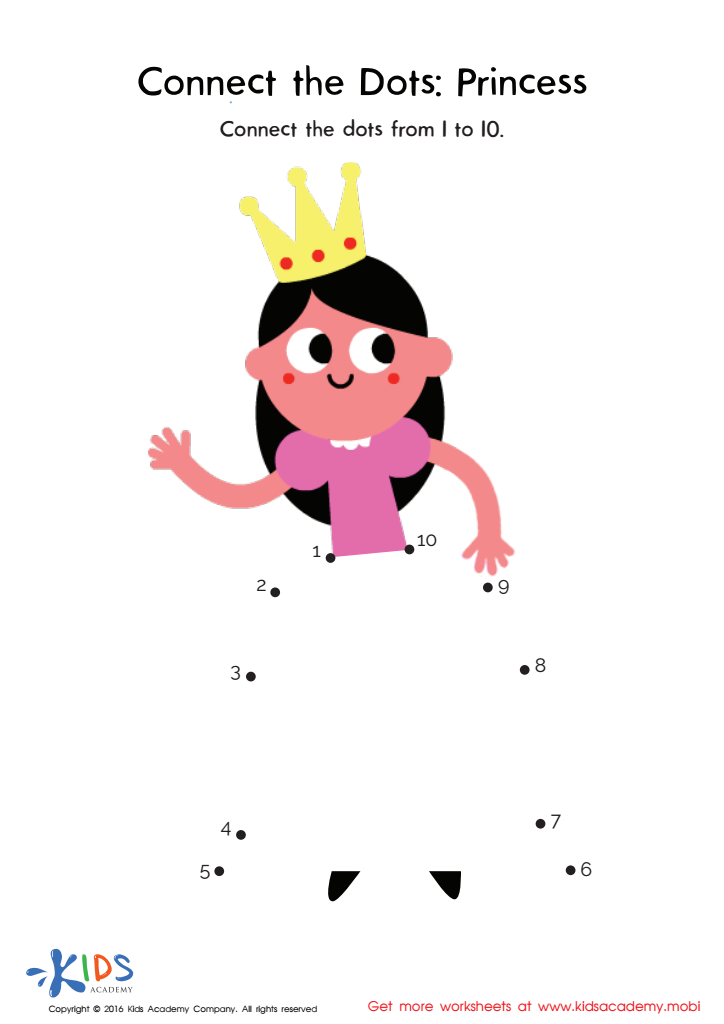
Princess Connect Dots Worksheet
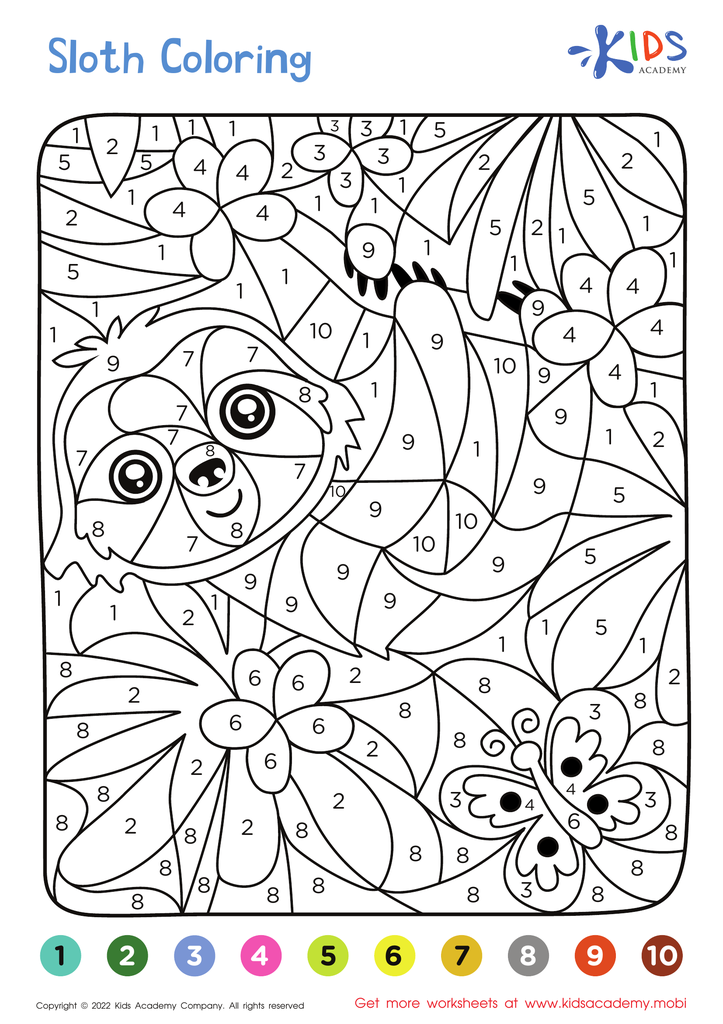
Sloth – Coloring by Numbers
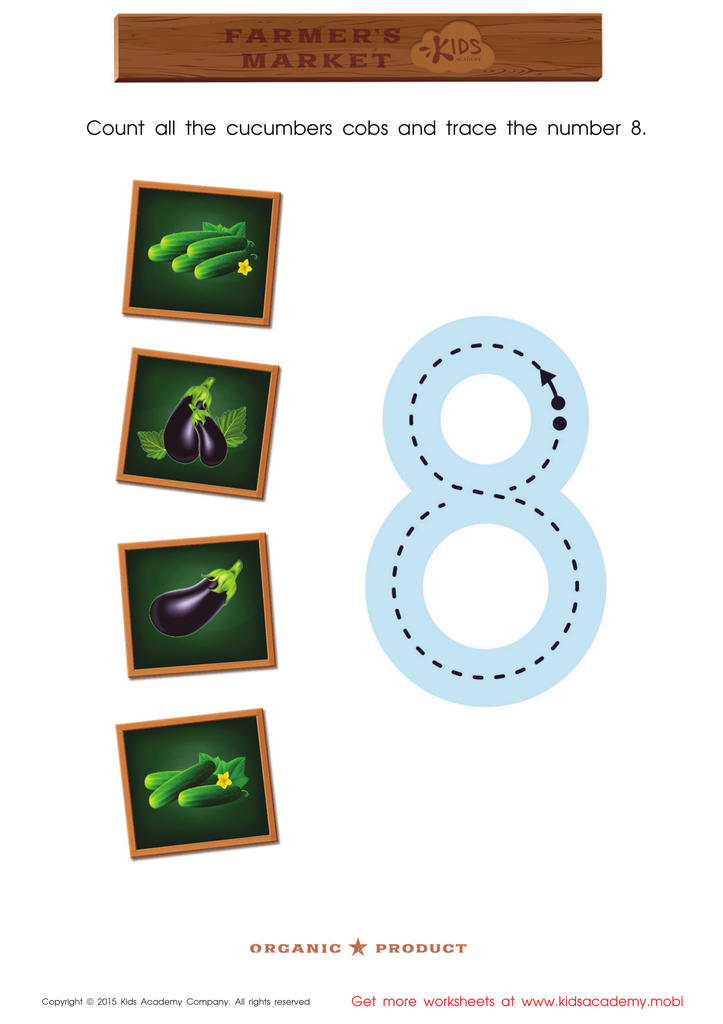
Count the Cucumbers and Trace the Number 8 Printable
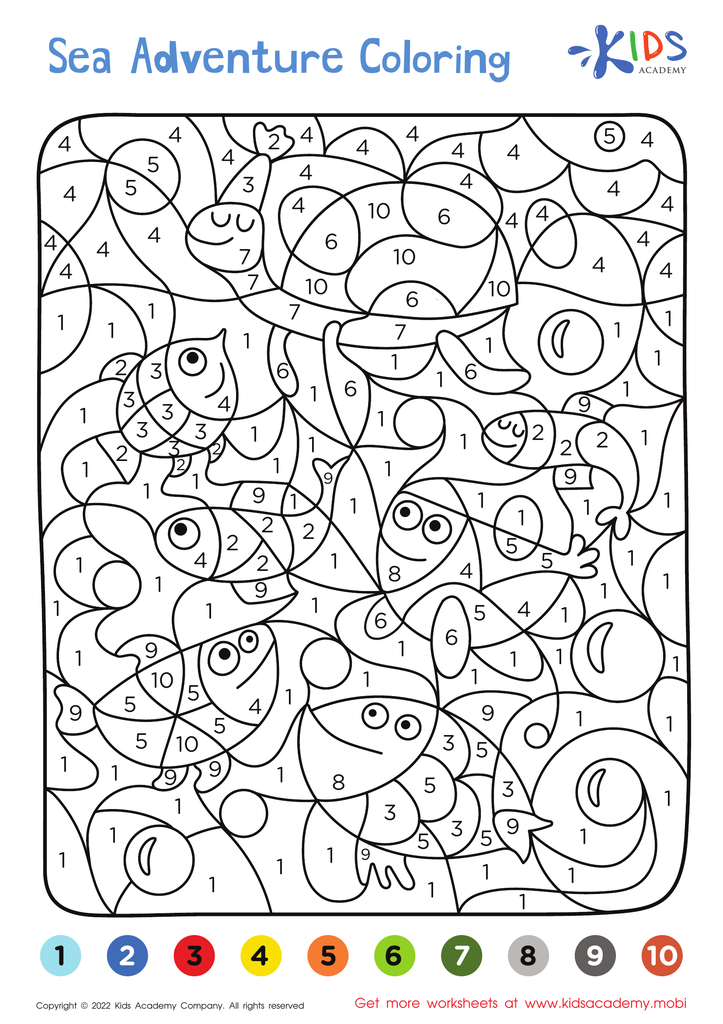
Sea Adventure – Coloring by Numbers
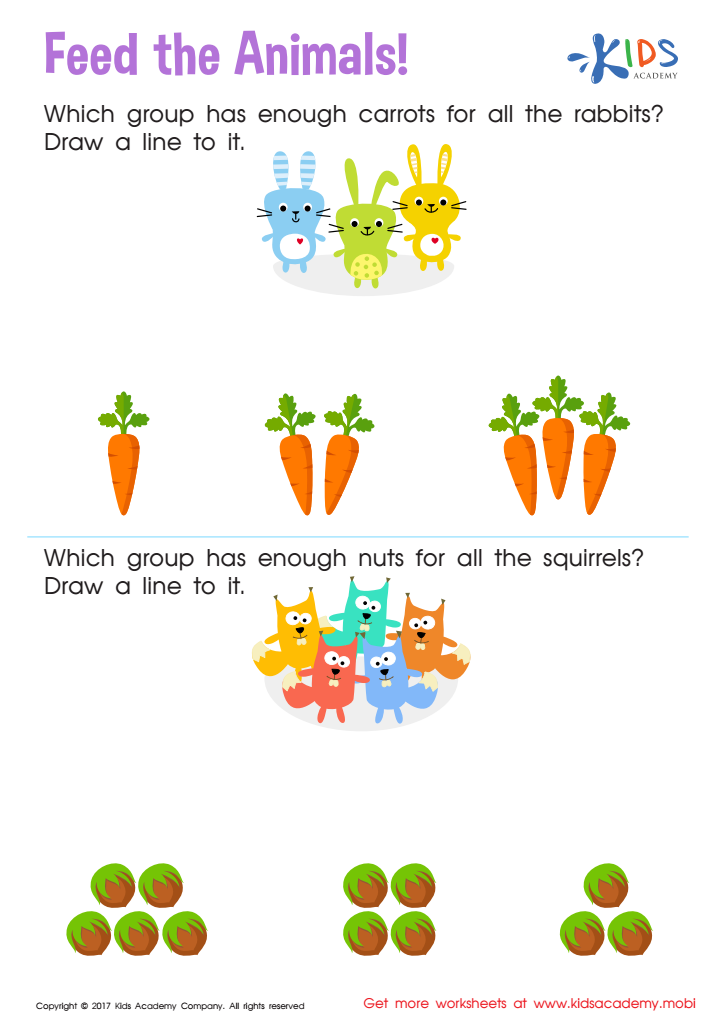
Count and Match: Feed the Animals Worksheet
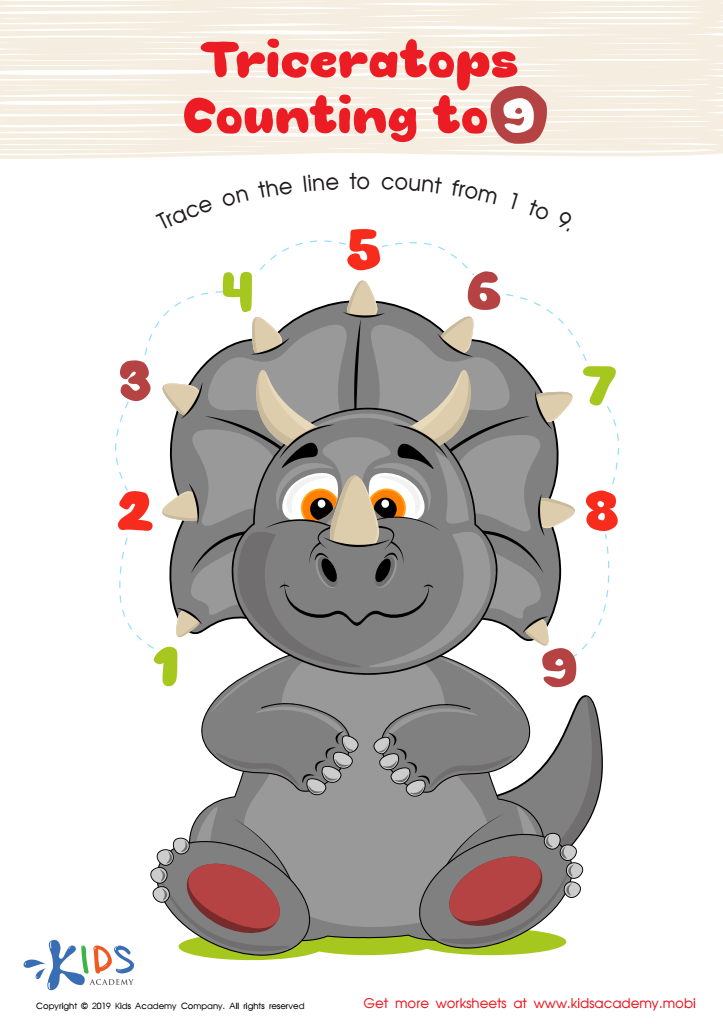
Triceratops Counting to 9 Worksheet
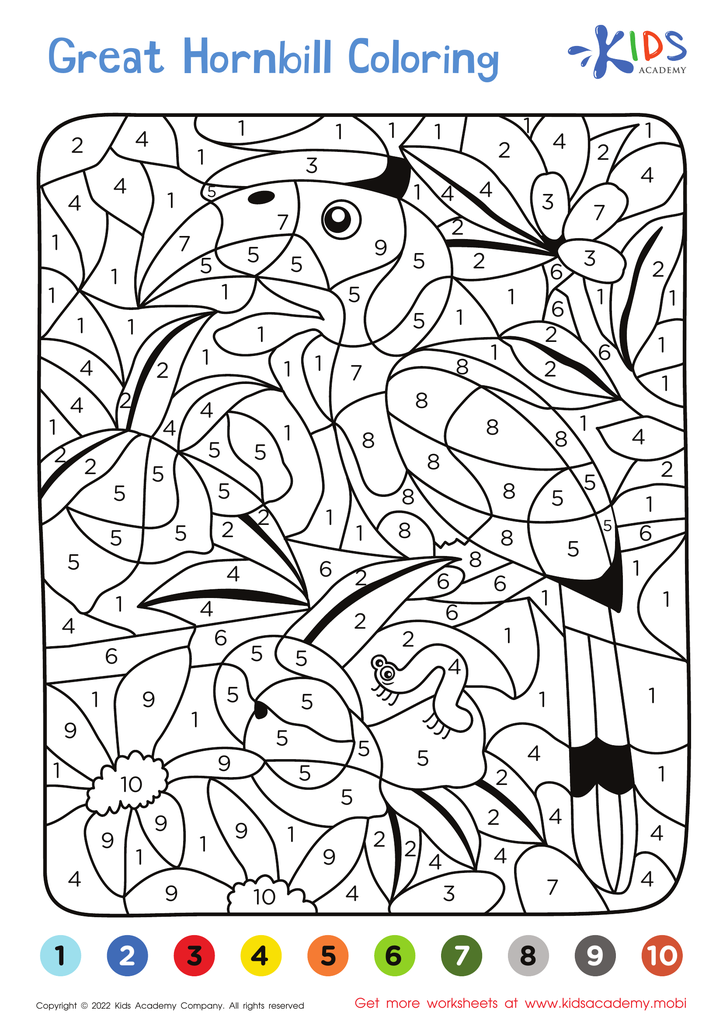
Great Hornbill – Coloring by Numbers
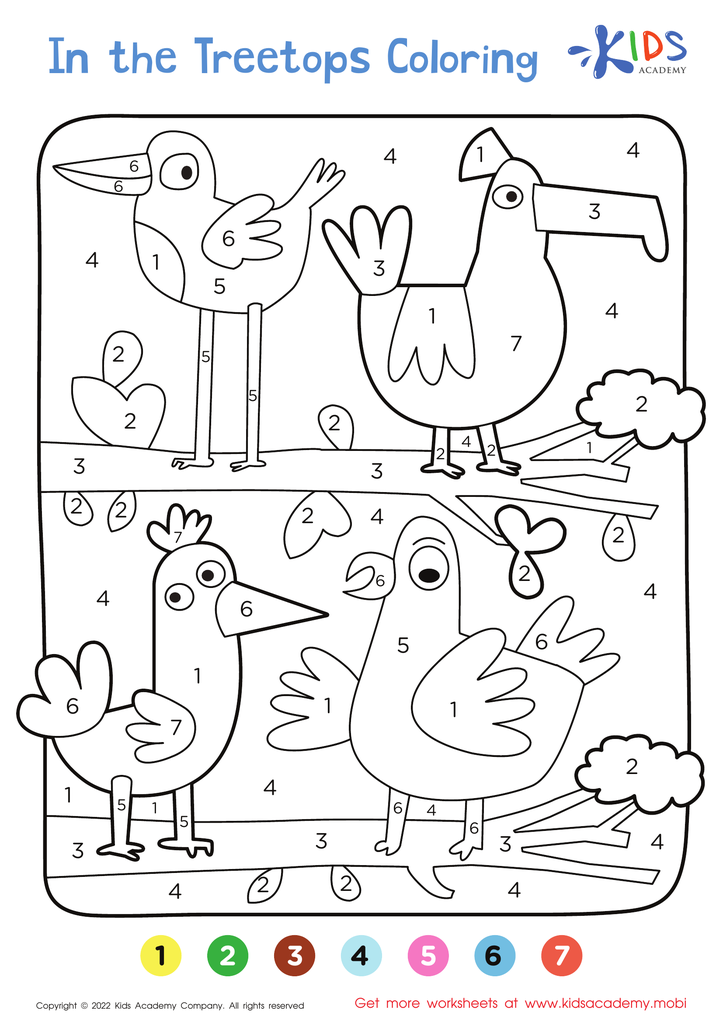
In the Treetops – Coloring Page

Twinkle, Twinkle, Little Star – Coloring by Numbers
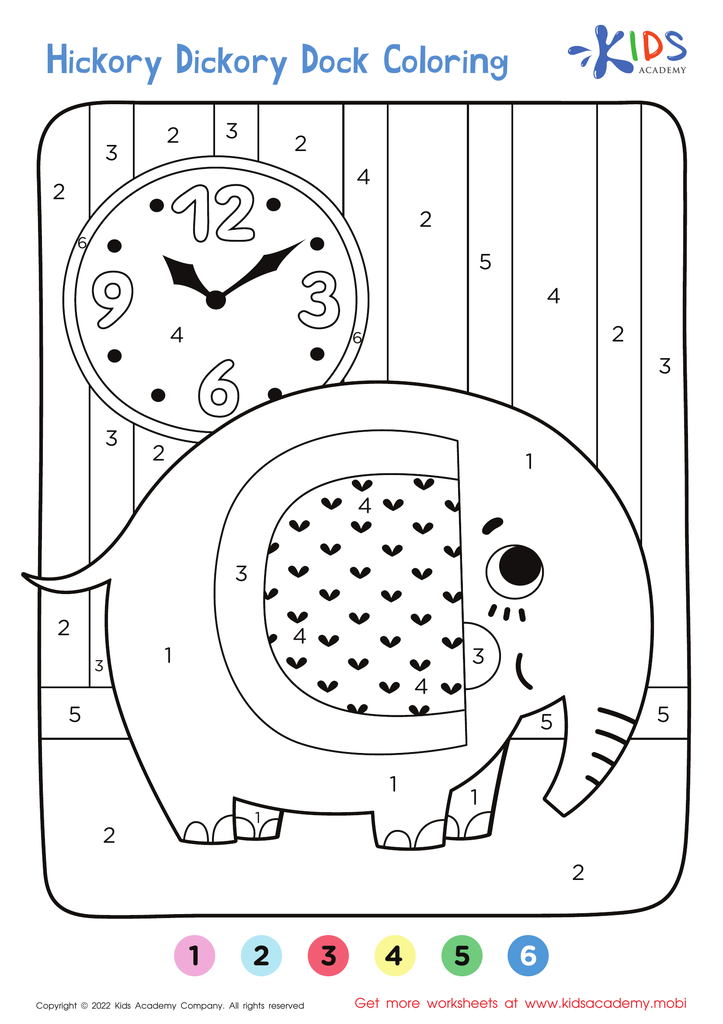
Hickory Dickory Dock – Coloring by Numbers
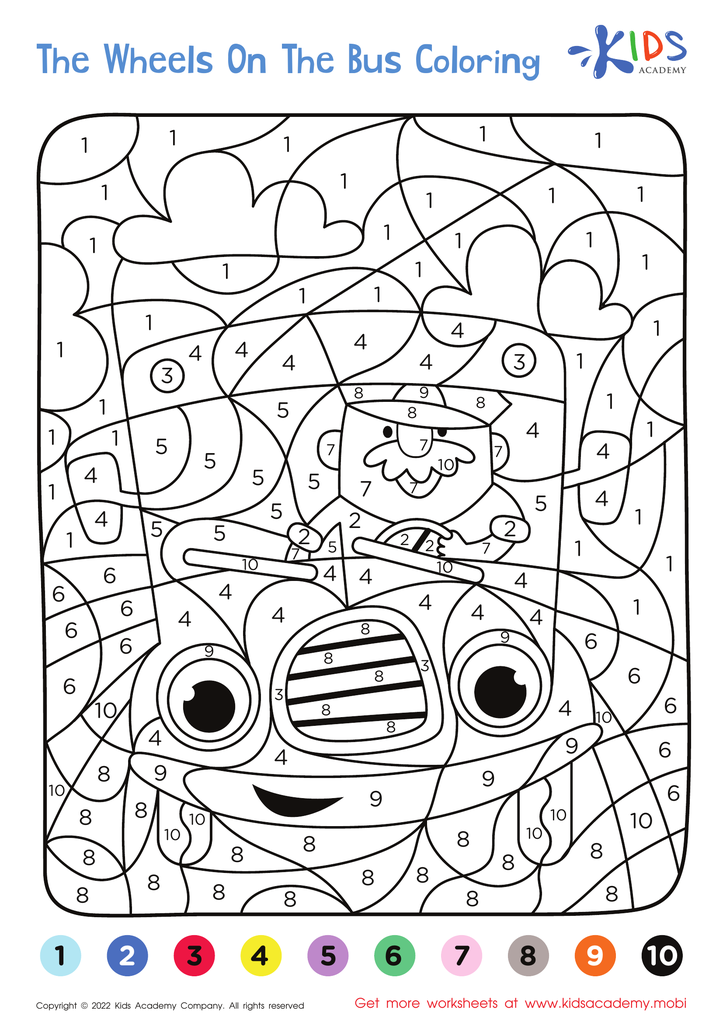
Wheels on the Bus – Coloring by Numbers

Night Sky Numbers Worksheet
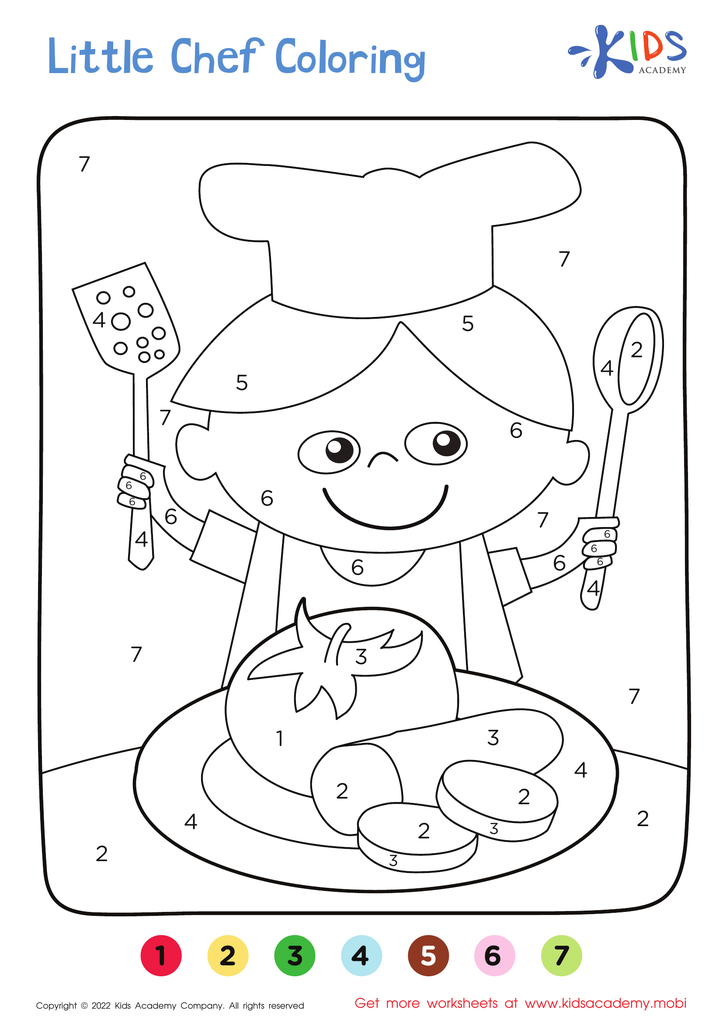
Little Chef – Coloring by Numbers
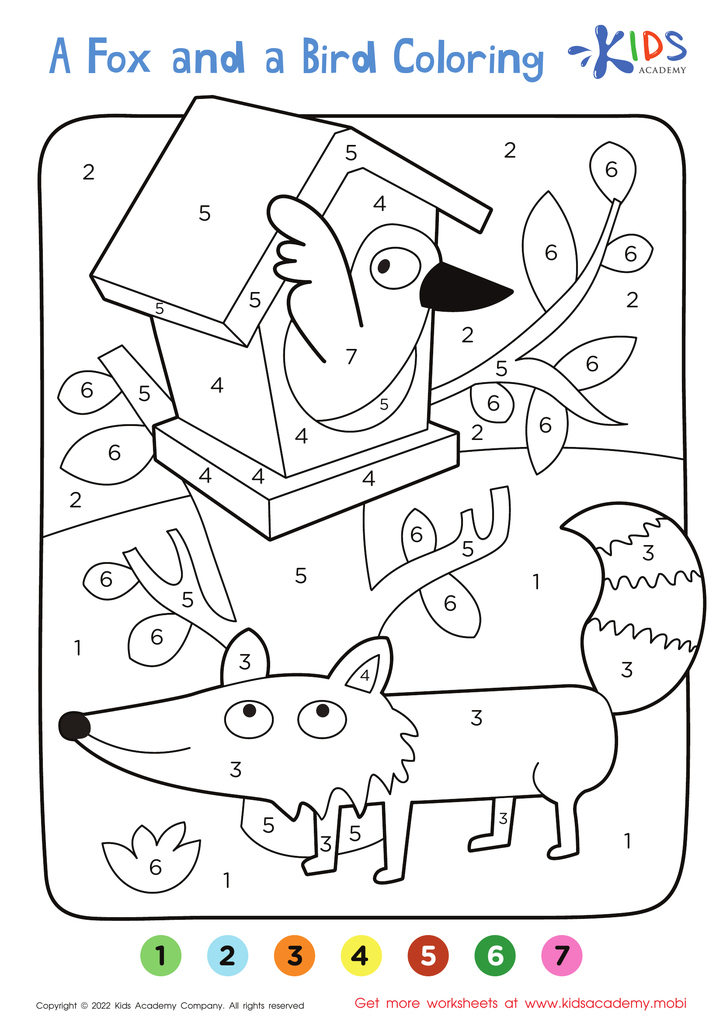
A Fox and a Bird – Coloring by Numbers
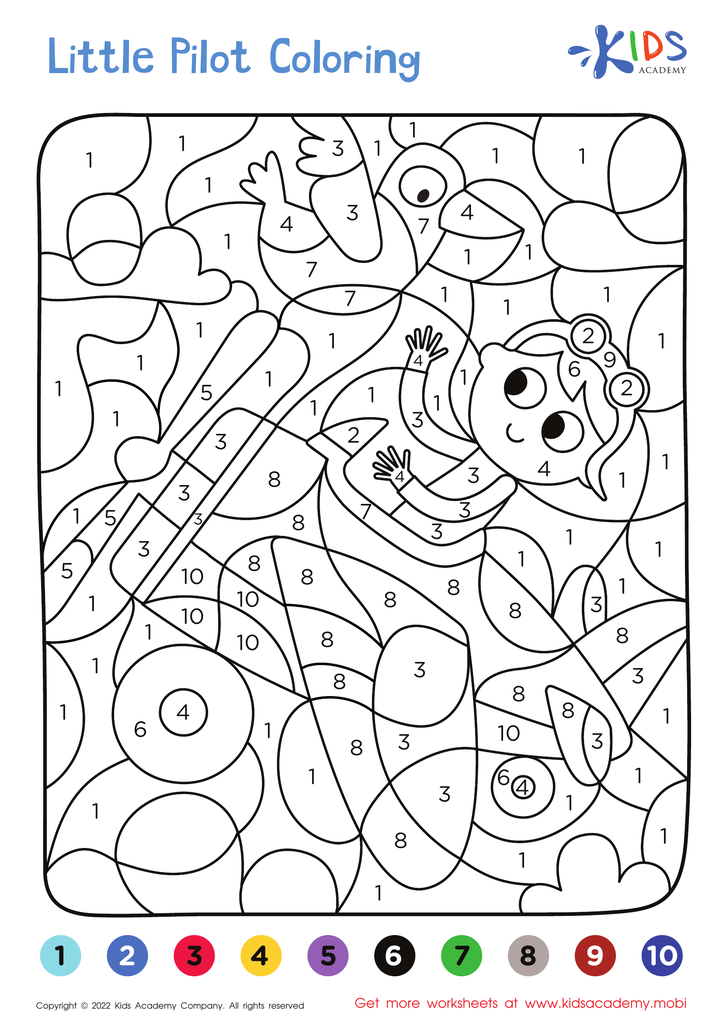
Little Pilot – Coloring by Numbers
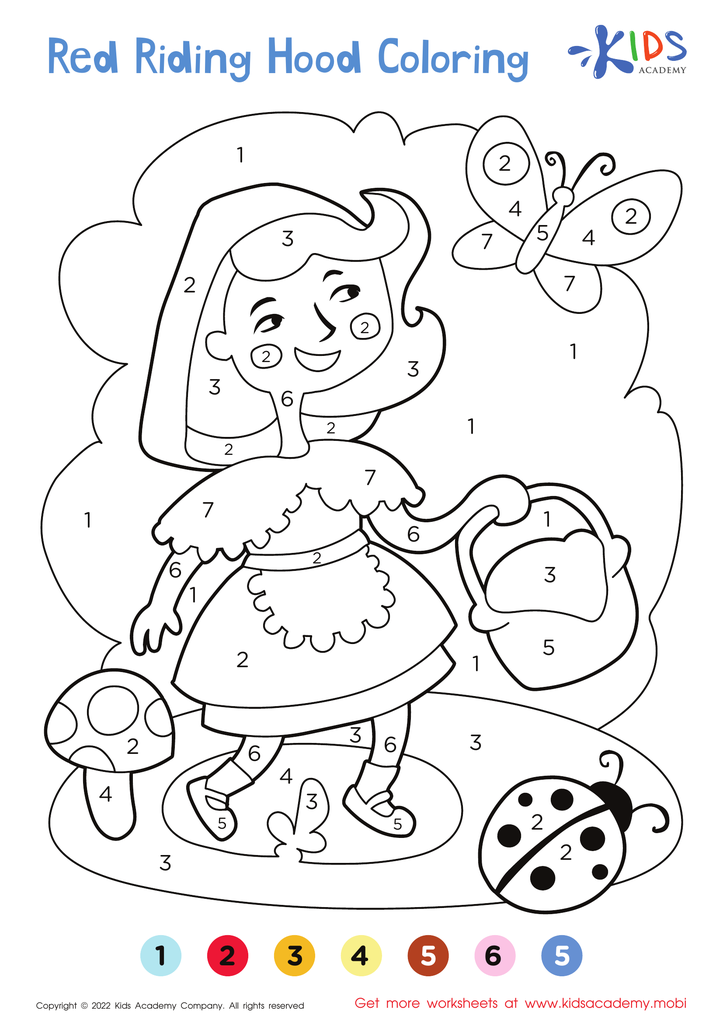
Little Red Riding Hood – Coloring by Numbers
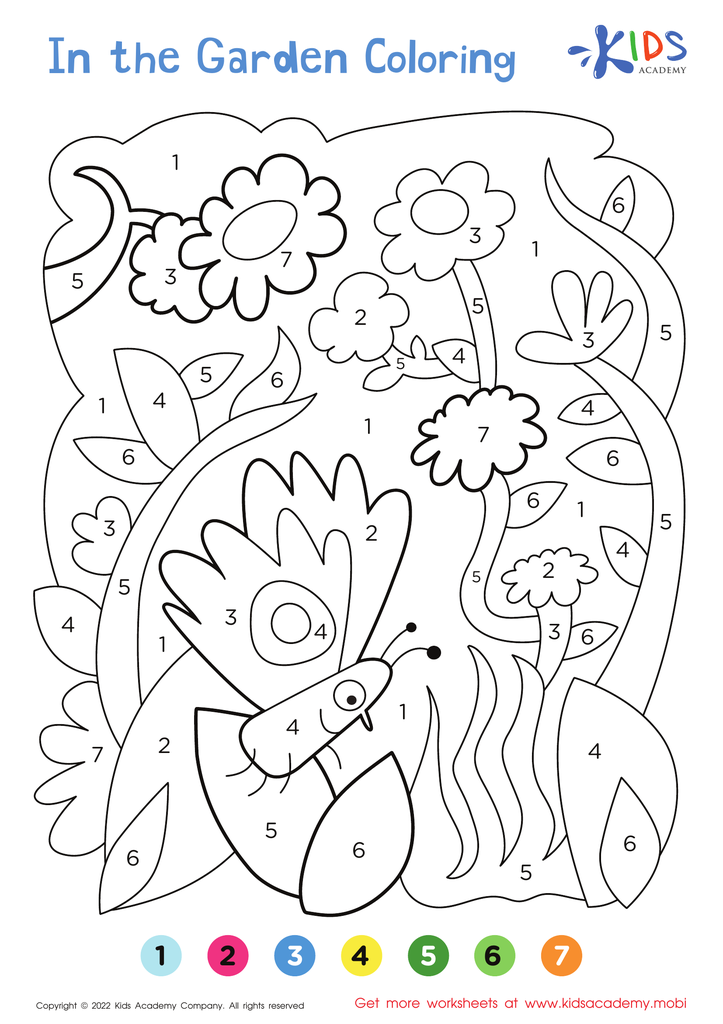
In the Garden – Coloring by Numbers






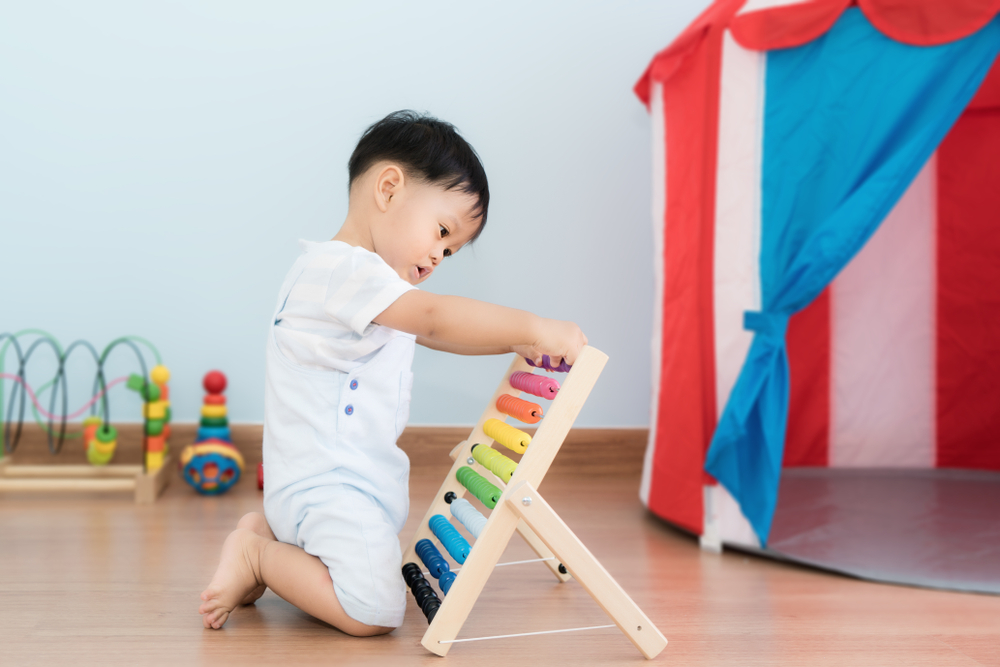

Fine motor skills are essential for children aged 3-7 as they form the foundation for numerous everyday tasks and academic skills. By focusing on fine motor skills related to early number recognition and manipulation of numbers, parents and teachers can foster a child's confidence and independence in learning.
Developing fine motor skills helps children engage with their environment, improving their coordination and precision when using tools like pencils, scissors, or building blocks. For numbers 0–10, fine motor activities such as finger painting, manipulating playdough, or threading beads with numbers enhance both hand strength and dexterity. These skills are crucial for writing numbers legibly and performing basic mathematics.
Moreover, the early years are critical for cognitive development. Introducing fine motor activities that incorporate numbers supports number recognition and counting in a tactile, engaging way. For example, counting objects while placing them into groups fosters both math skills and fine motor development.
By nurturing fine motor skills alongside numerical understanding, parents and teachers play a vital role in laying the groundwork for later academic success. Meaningfully engaging with fine motor activities allows children to explore math concepts joyfully, establishing a positive relationship with learning that can last a lifetime.