Hand-eye Coordination Word Problems Worksheets for Ages 3-7
3 filtered results
-
From - To
Enhance your child's hand-eye coordination skills with our engaging worksheets designed specifically for ages 3-7. These fun word problems provide young learners with opportunities to develop critical thinking while honing their motor skills. Each worksheet is crafted to combine math practice with interactive activities that promote physical engagement, ensuring a well-rounded learning experience. Perfect for home or classroom use, our worksheets encourage children to think creatively as they solve challenges using everyday scenarios. Promote active learning and help your child progress in multiple developmental areas with our expertly designed hand-eye coordination word problems. Dive in today and watch their confidence soar!
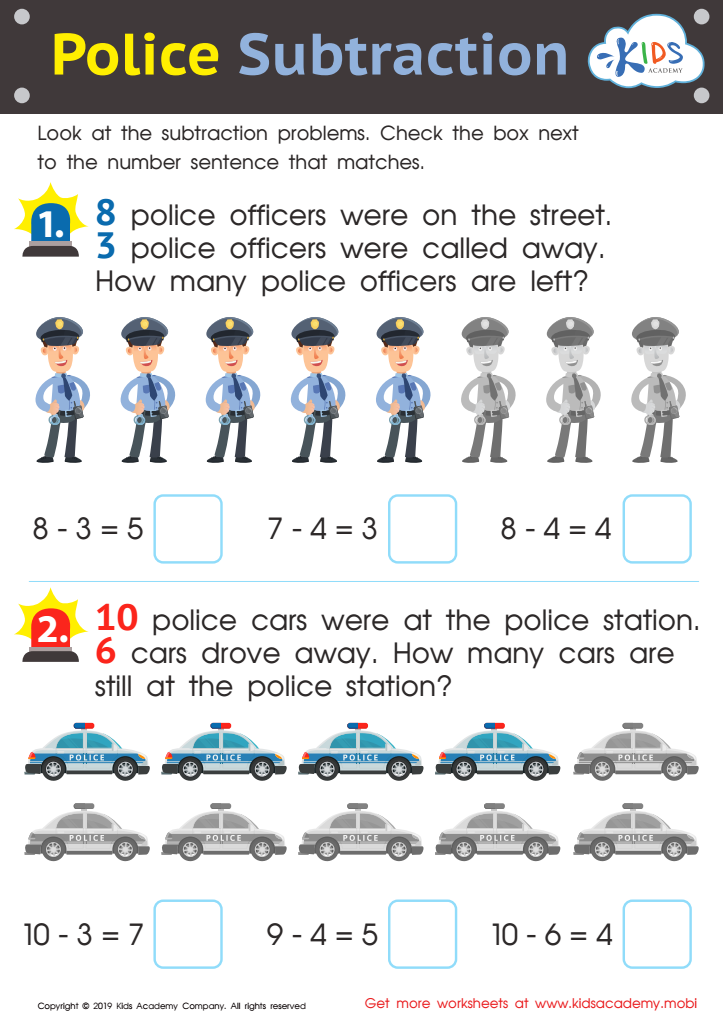
Police Subtraction Worksheet
 Assign to My Students
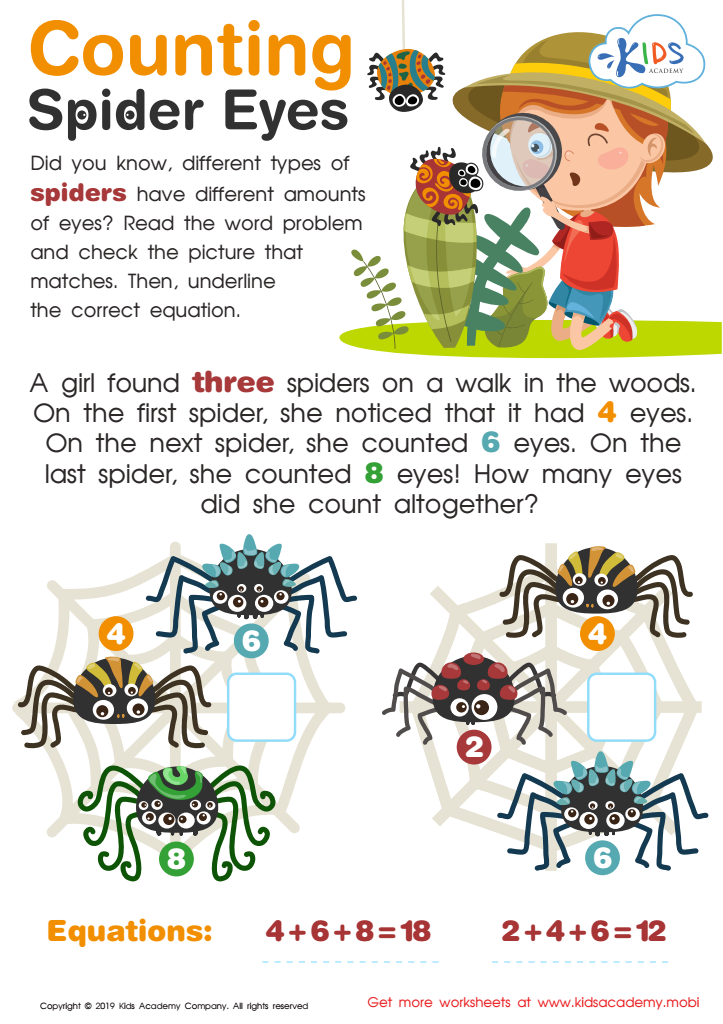
Counting Spider Eyes Worksheet
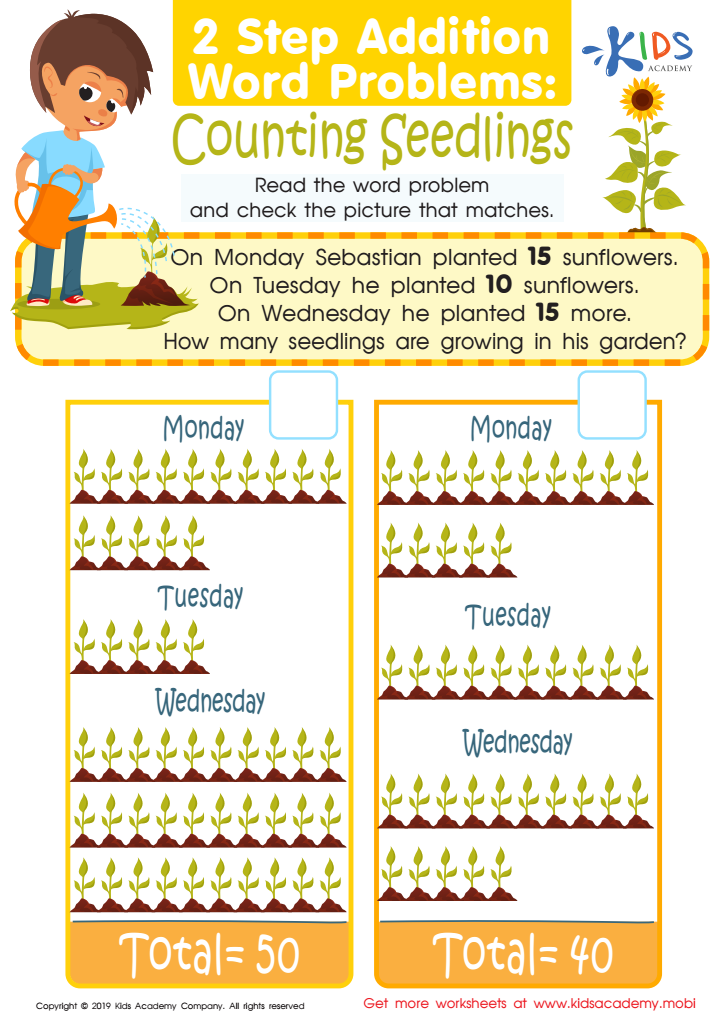
Counting Seedlings Worksheet


.jpg)
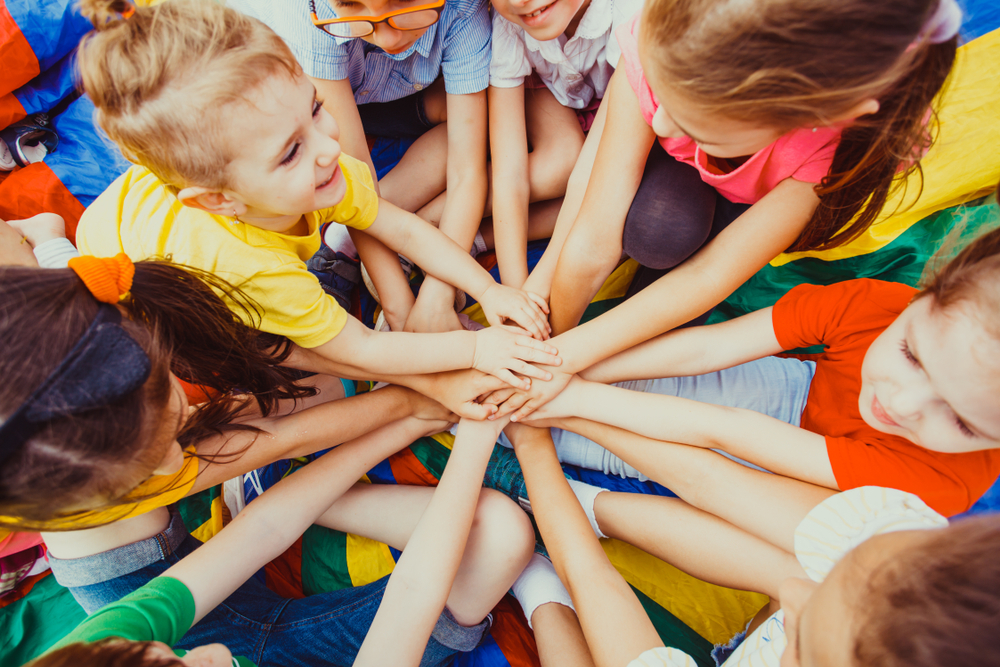




Hand-eye coordination is a crucial developmental skill for children, particularly between the ages of 3 and 7. This is the time when they develop foundational motor skills that are essential for everyday activities. Parents and teachers should prioritize engaging children in activities that promote this coordination, as it has far-reaching implications for their overall development.
Hand-eye coordination activities, including fun word problems and puzzle-like scenarios, not only enhance fine motor skills but also stimulate cognitive abilities such as problem-solving, critical thinking, and spatial awareness. Children learn to process information, follow sequences, and apply logic while having fun.
Moreover, developing hand-eye coordination helps children gain confidence in their abilities, increasing their willingness to participate in sports, arts, and other physical activities. These activities often lead to improved social skills as they collaborate with peers.
By integrating hand-eye coordination challenges into the learning environment, parents and teachers can inspire creativity and engagement at an early age. This focus on holistic skill development not only supports individual learning styles but also prepares children for future academic success and physical competence. Thus, prioritizing hand-eye coordination word problems is essential for a well-rounded educational experience for young learners.








