Basic Math Skills Building Vocabulary Worksheets for Ages 3-7
15 filtered results
-
From - To
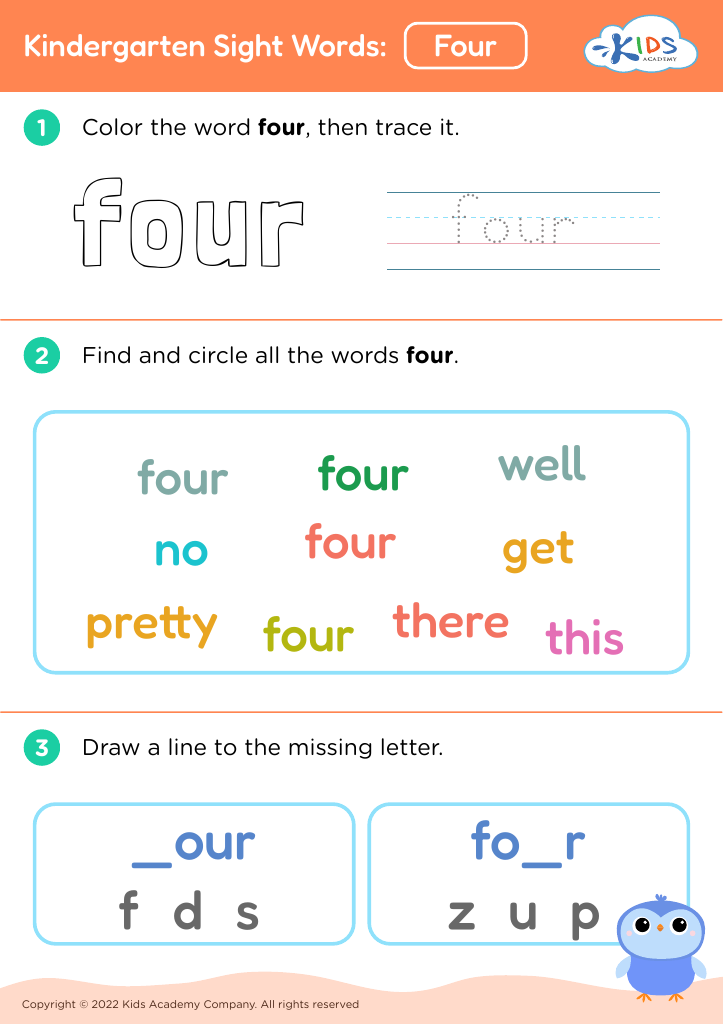
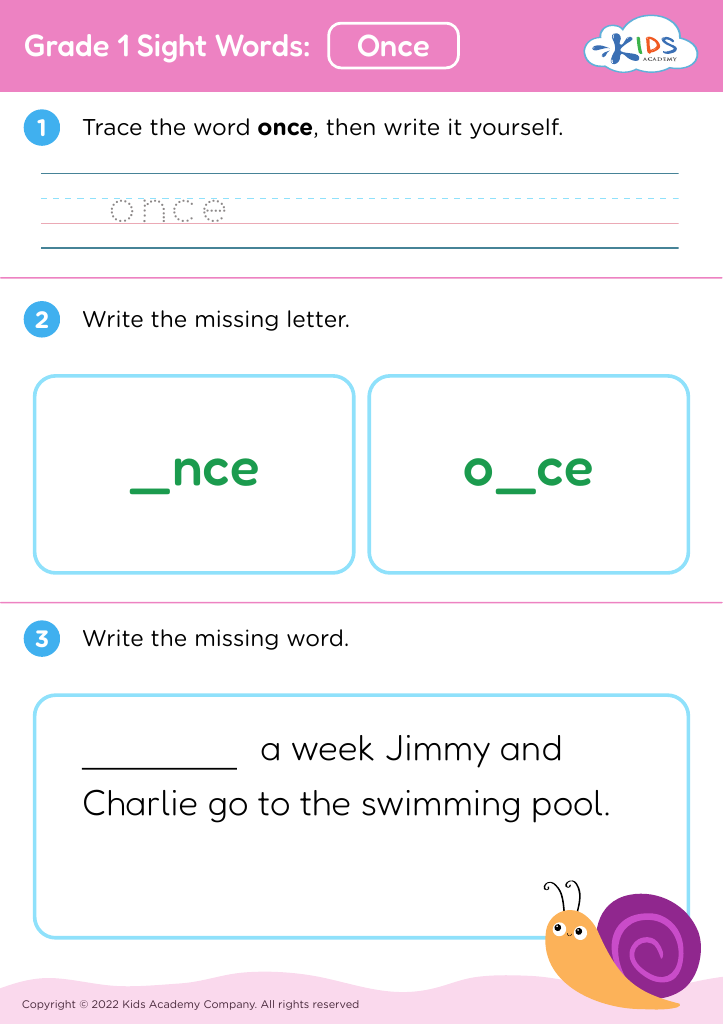
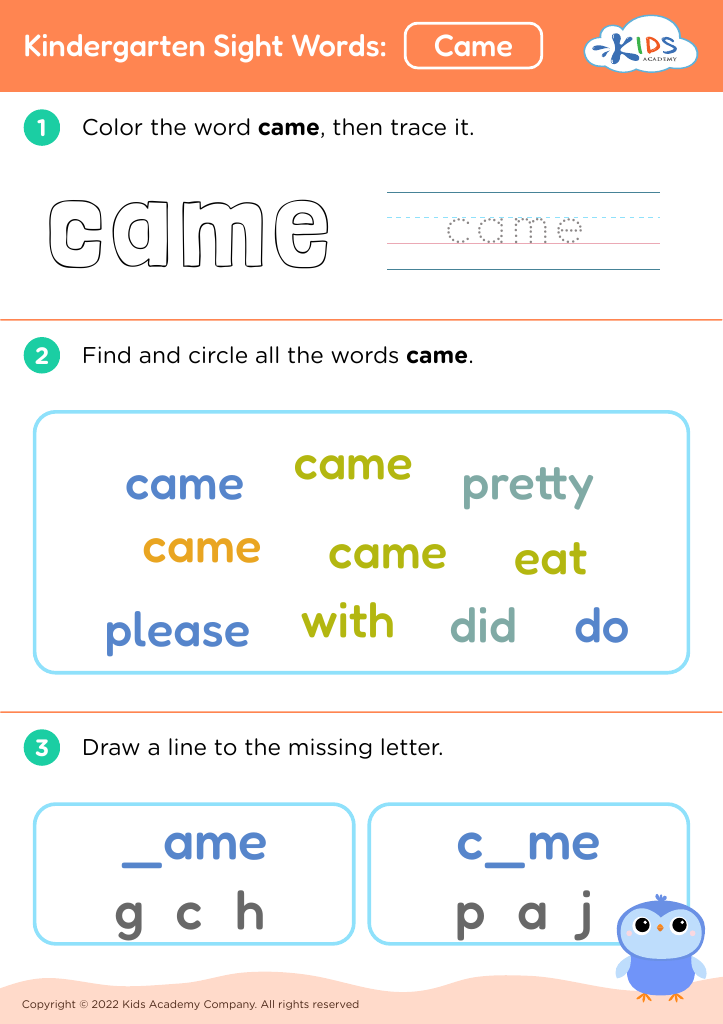
Unlock your child's potential with our "Basic Math Skills Building Vocabulary Worksheets for Ages 3-7." These engaging resources are designed to introduce young learners to essential math concepts, such as counting, number recognition, and basic addition, through fun and interactive activities. Perfect for preschoolers and early elementary students, our worksheets make learning math vocabulary enjoyable and accessible. Emphasizing play-based learning, these printable worksheets help children build a solid foundation in math, setting the stage for future success. Easy to download and print, they are ideal for both classroom use and at-home practice. Start exploring today!
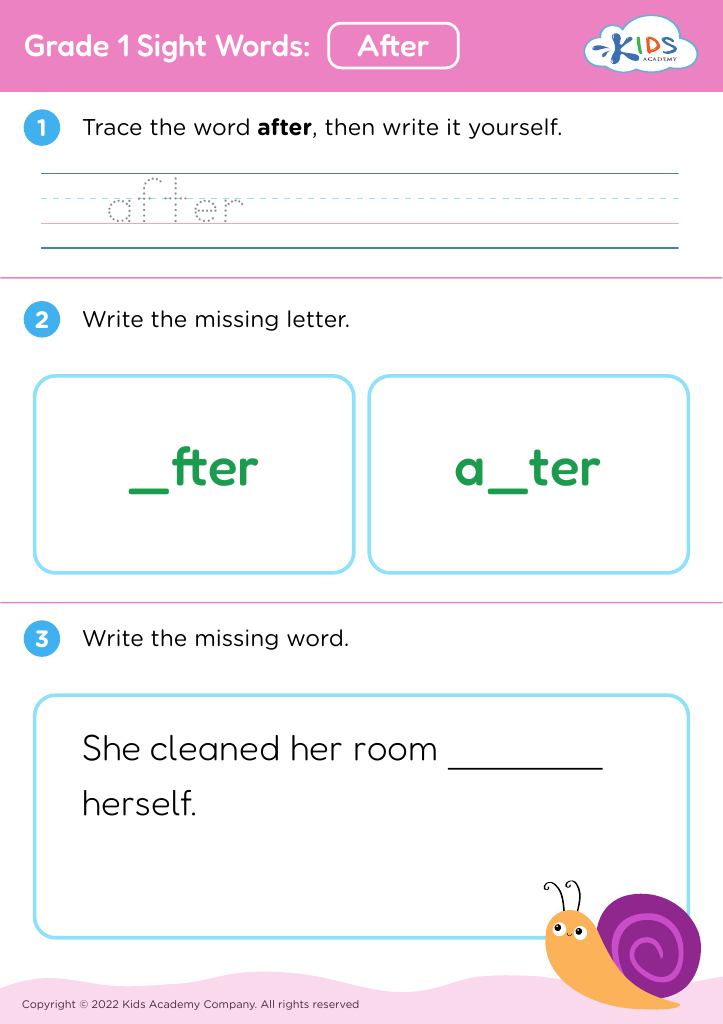











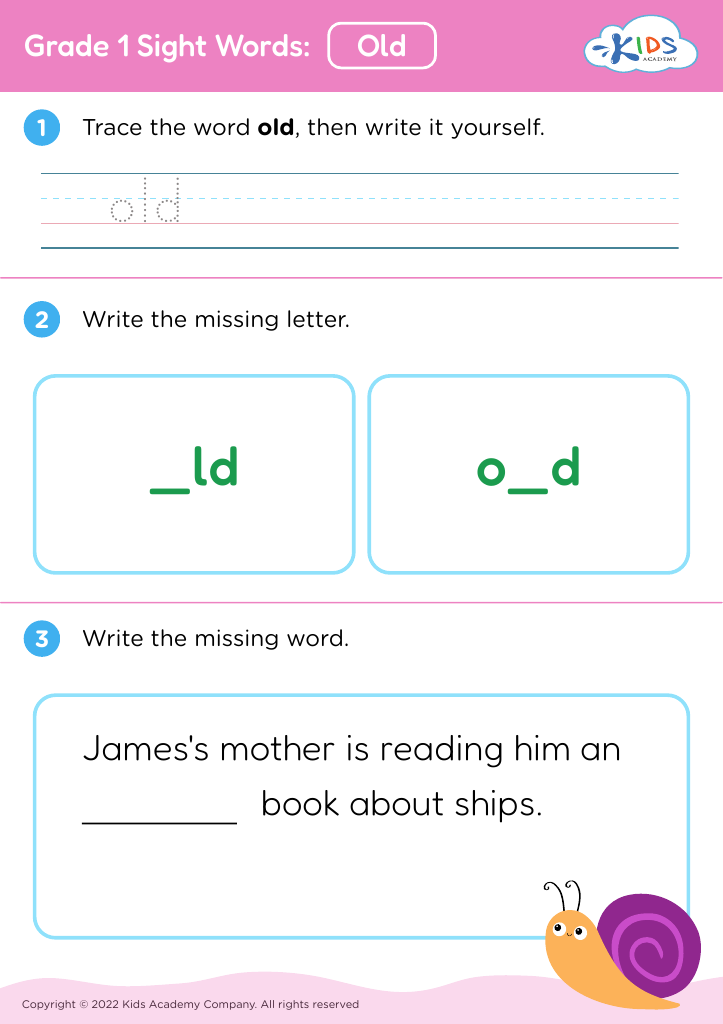
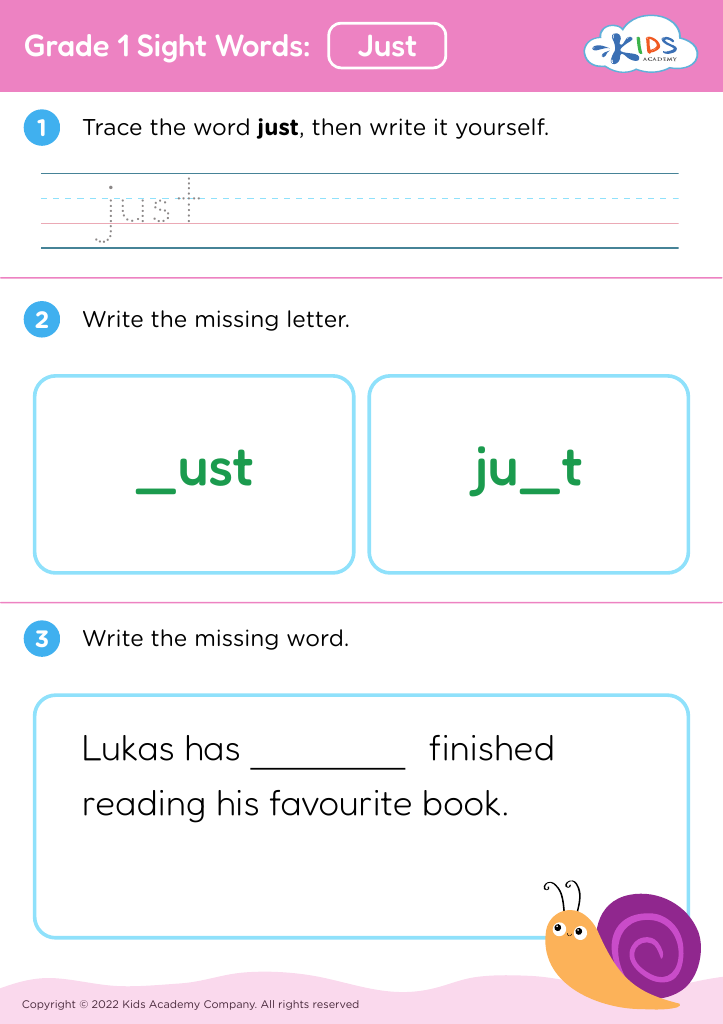
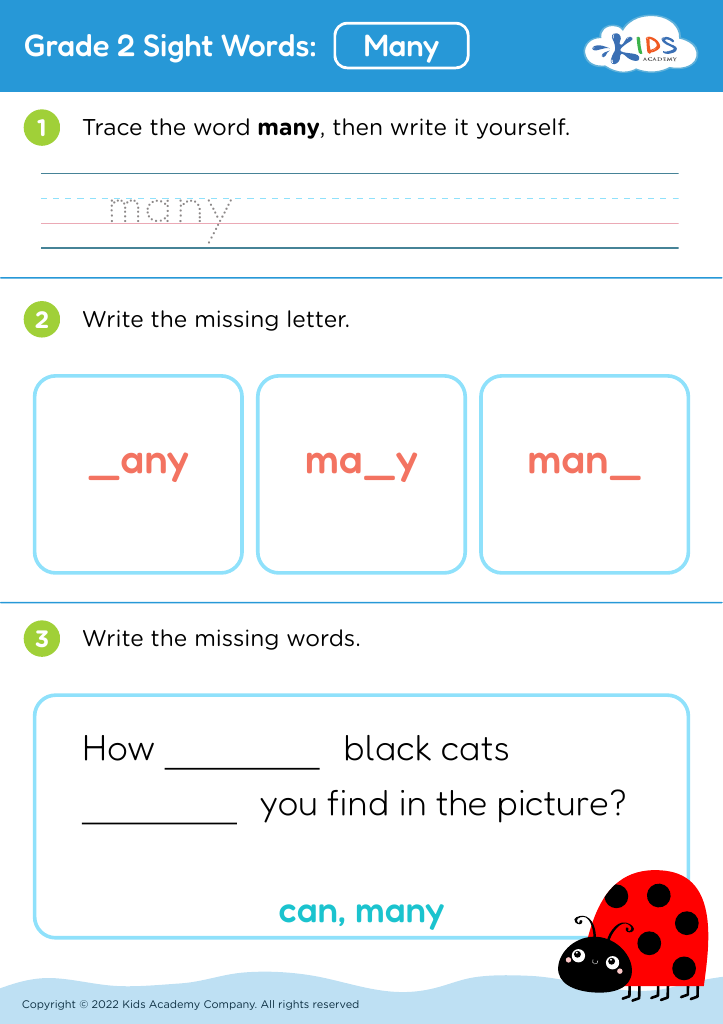








Parents and teachers should prioritize Basic Math Skills and Building Vocabulary for children ages 3-7 because these early years are critical for setting a strong foundation for future academic success and cognitive development. During this period, children’s brains are highly adaptable and capable of absorbing new information rapidly. Fostering math skills helps develop critical thinking, problem-solving, and logical reasoning abilities which are essential for understanding more advanced math concepts later on.
Basic math activities, such as counting, recognizing shapes, and understanding patterns, make children comfortable with numbers and spatial concepts, sparking their interest in mathematics. Similarly, building a strong vocabulary enhances language development, communication skills, and the ability to understand and follow instructions. A robust vocabulary leads to better reading comprehension and overall literacy, which are foundational for all subject areas.
Engaging in math-related tasks concurrently enhances vocabulary because children learn terms related to mathematical concepts. This intertwined growth supports effective intellectual development, better academic performance, and increased confidence in learning environments. By integrating math skills and vocabulary building into everyday activities, parents and teachers can create a stimulating, interactive, and supportive learning atmosphere that benefits children throughout their entire educational journey.








