Comparing Fractions Building Vocabulary Worksheets for Ages 3-7 - Page 2
30 filtered results
-
From - To











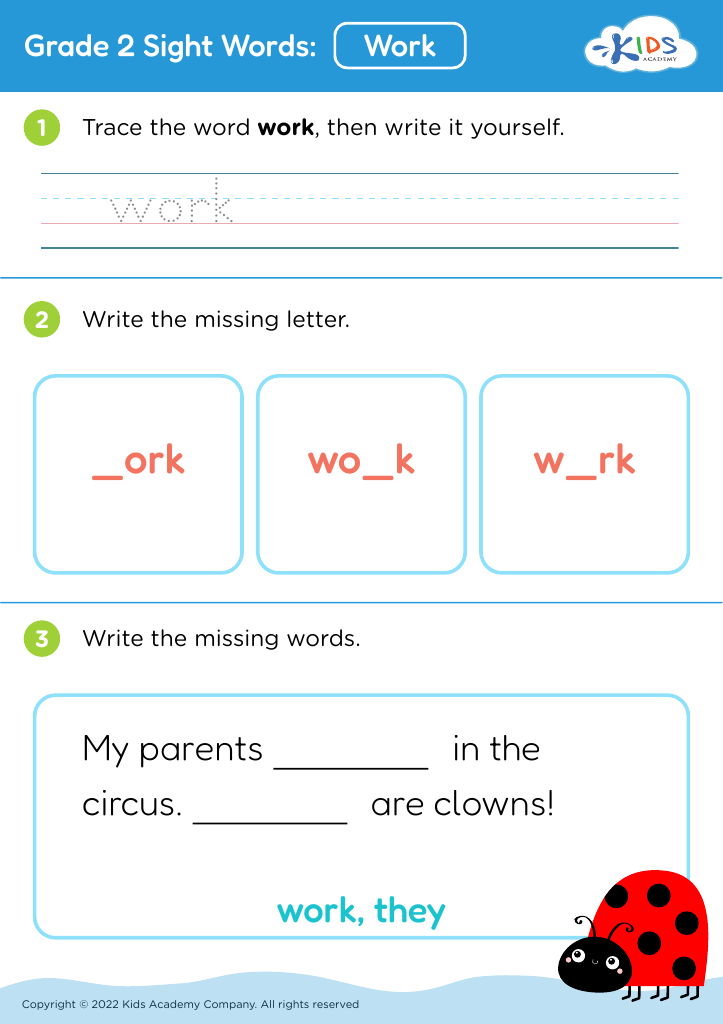
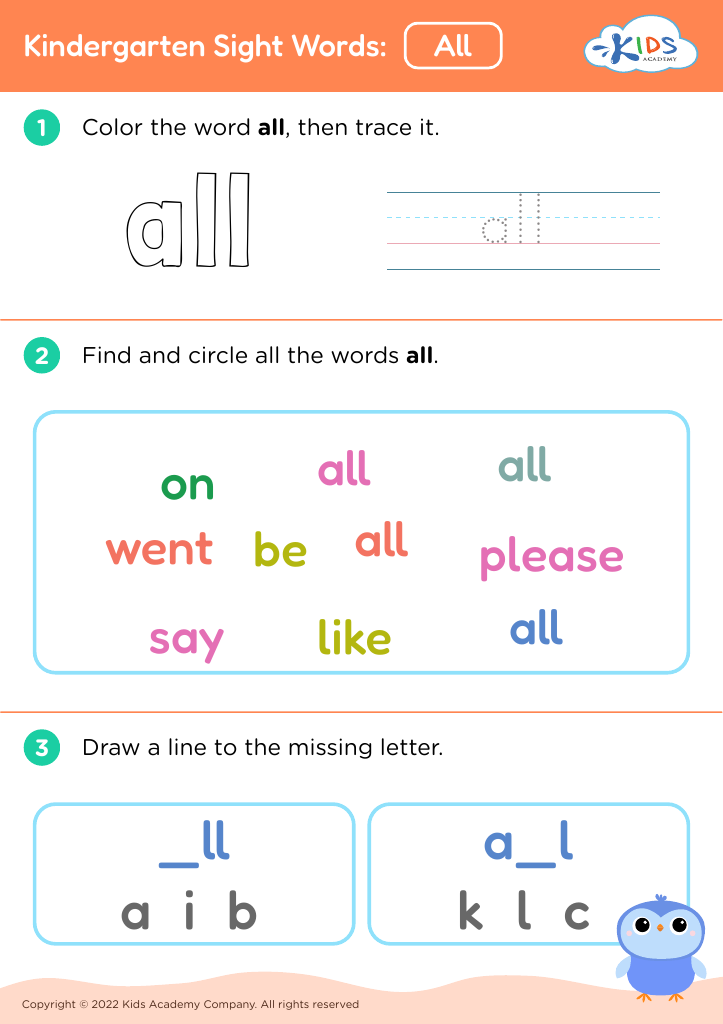








Parents and teachers should prioritize building vocabulary around comparing fractions for children aged 3-7 because strong foundational skills in this area are crucial for future mathematical understanding. At a young age, children are naturally curious and inquisitive. By introducing fraction vocabulary—terms such as “half,” “quarter,” “more than,” “less than,” and “equal”—educators can cultivate a rich language base that enables clear thinking and communication about numerical concepts.
Additionally, understanding fractions lays the groundwork for many everyday skills, from cooking and sharing treats to understanding time and measurements. An early grasp of these concepts fosters critical thinking and helps with relationship-building among numbers, which is essential when advancing to more complex math later on.
Using playful methods—such as hands-on activities, visuals, and interactive games—can make learning enjoyable and impactful, reinforcing vocabulary in a fun context. Engaging parents in this journey further promotes a learning-rich environment, both at school and home. When children are equipped with the right vocabulary and early experiences comparing fractions, they not only gain confidence in math but also develop essential problem-solving skills that will serve them throughout their educational journey and beyond.








