Mathematical reasoning Building Vocabulary Worksheets for Ages 3-7
6 filtered results
-
From - To
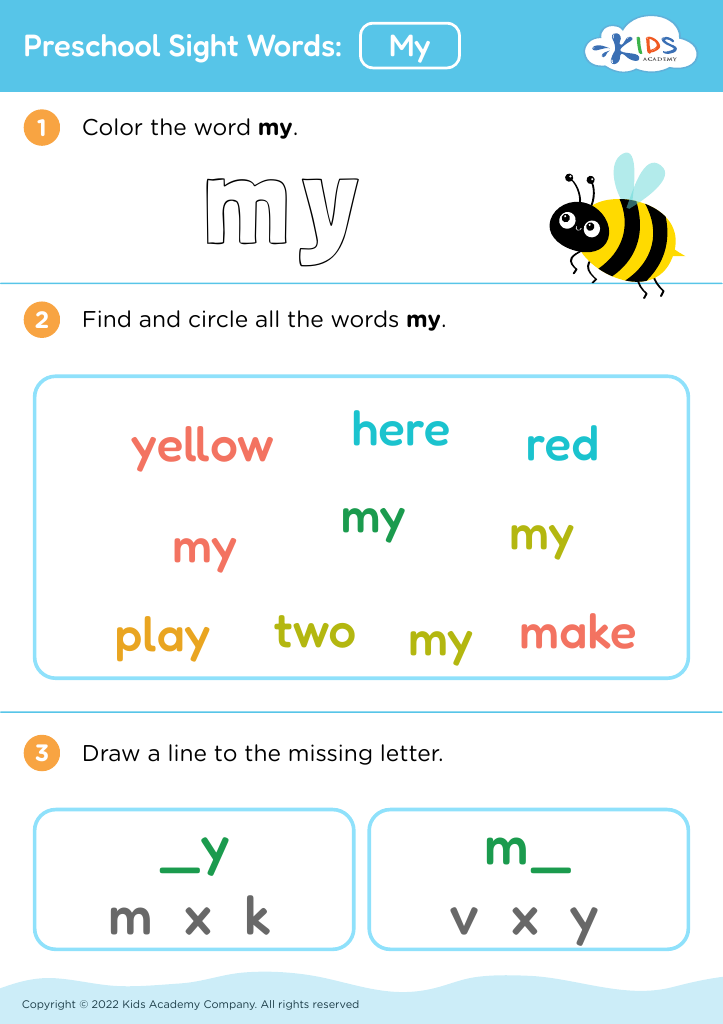
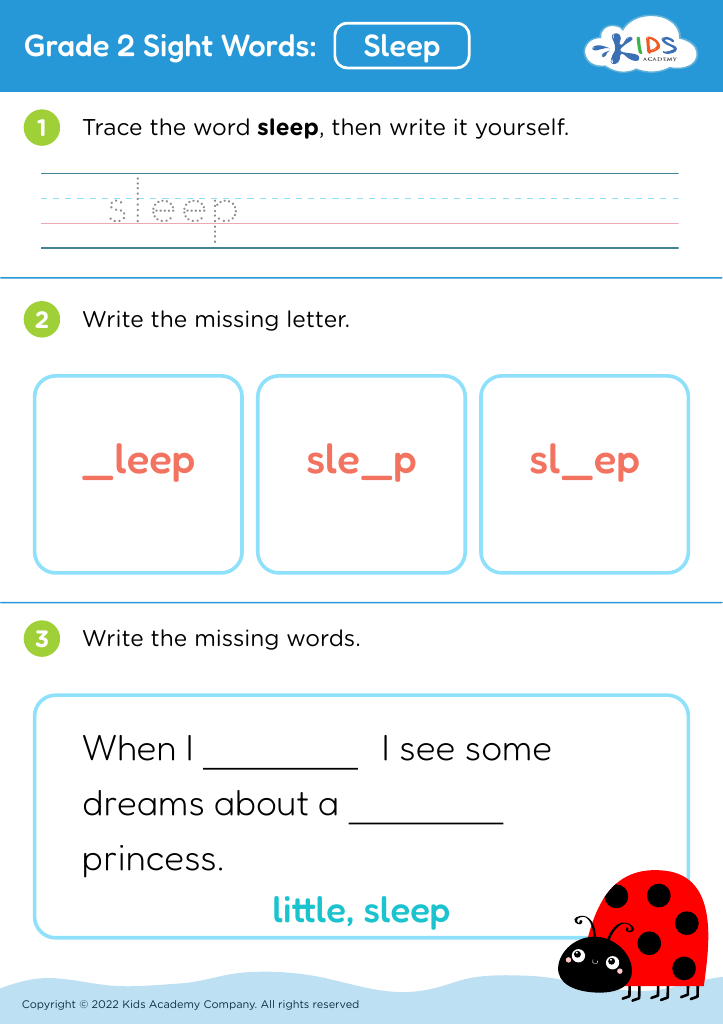
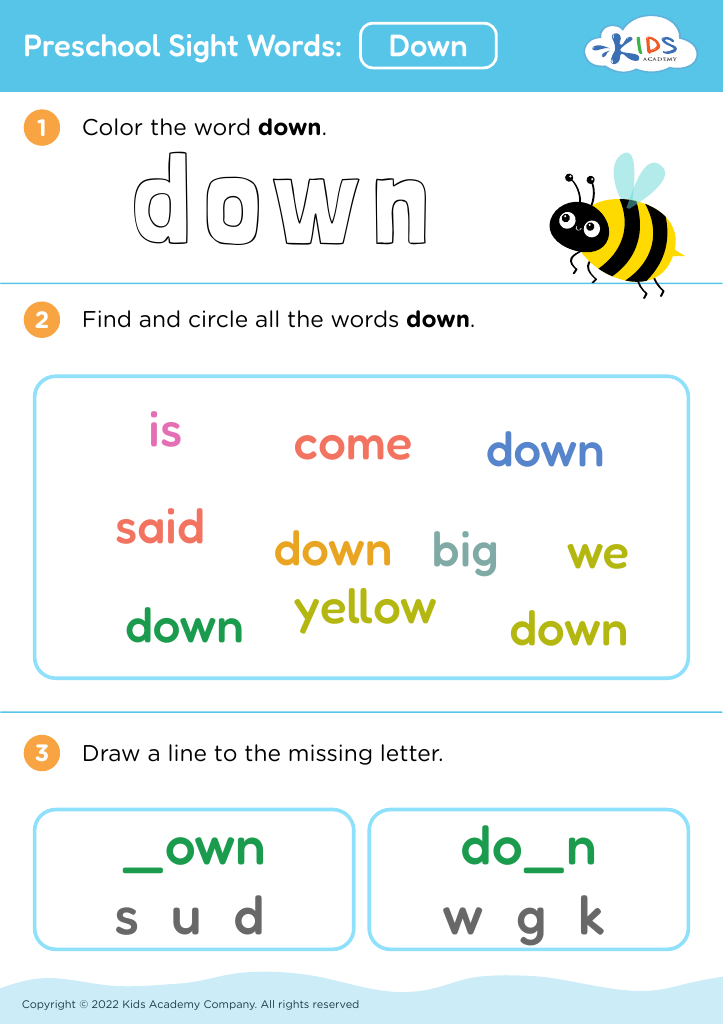
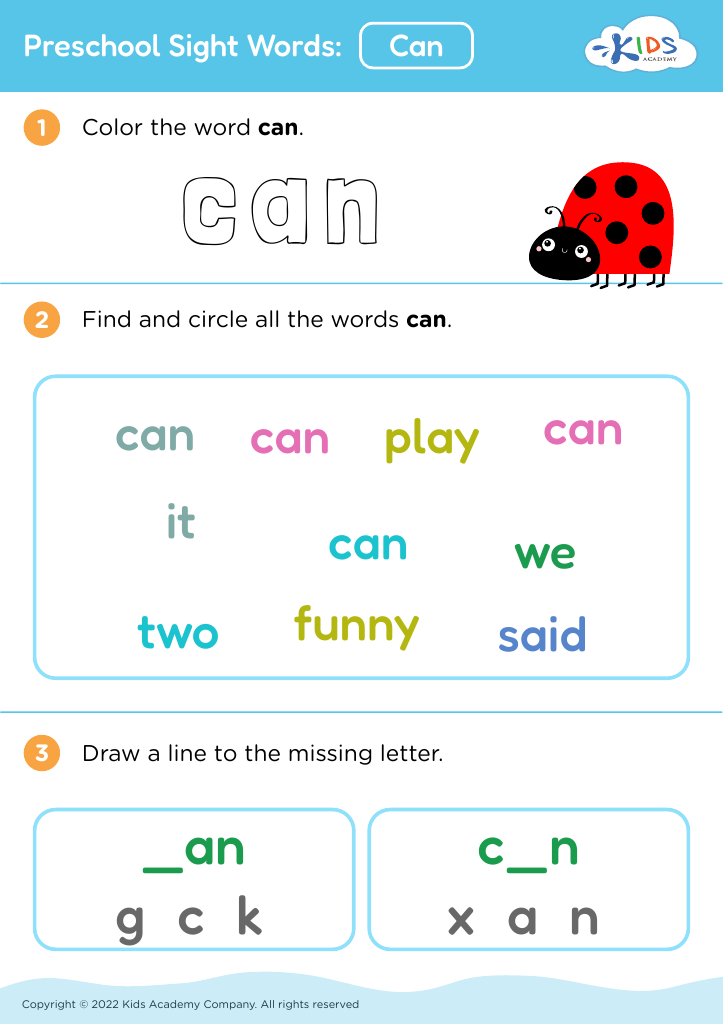
Introducing our "Mathematical Reasoning Building Vocabulary Worksheets" tailor-made for children ages 3-7! These vibrant, engaging worksheets foster early mathematical skills by using age-appropriate exercises that bridge vocabulary building with foundational math concepts. Kids Academy's expertly crafted worksheets boost your child's critical thinking and problem-solving abilities by seamlessly blending language arts with math-focused activities. Our engaging exercises not only introduce mathematical terms but also enhance reading proficiency, paving the way for academic excellence. Dive into a fun learning experience that promises to build strong mathematical reasoning skills and enrich your child’s vocabulary, setting them up for future success.


















Mathematical reasoning and vocabulary are fundamental building blocks for young children's cognitive and language development. For ages 3-7, developing a solid foundation in these areas is crucial as they lay the groundwork for future academic success.
First, mathematical reasoning helps children to understand and think critically about the world around them. Through activities like sorting, counting, and pattern recognition, children strengthen their problem-solving skills and logical thinking. Early exposure to these concepts promotes confidence and a positive attitude towards mathematics, reducing potential math anxiety later in life.
Simultaneously, building a strong math vocabulary is essential. When children learn terms like "more", "less", "equal", or "different," they can articulate their thoughts clearly and understand mathematical instructions better. This vocabulary aids in comprehending more complex math topics as they progress.
Teachers and parents play a crucial role in fostering this development. Through engaging activities, discussions, and real-life examples, they can create a stimulating environment that encourages curiosity and exploration. For example, cooking together can teach measurements, while playing with building blocks can illustrate geometric concepts.
In summary, prioritizing mathematical reasoning and vocabulary from ages 3-7 equips children with the necessary skills for academic achievements and everyday problem-solving, setting them on a path for lifelong learning and success.








