
Number identification Building Vocabulary Worksheets for Ages 3-7
3 filtered results
Difficulty Level
Grade
Age
-
From - To
Subject
Activity
Standards
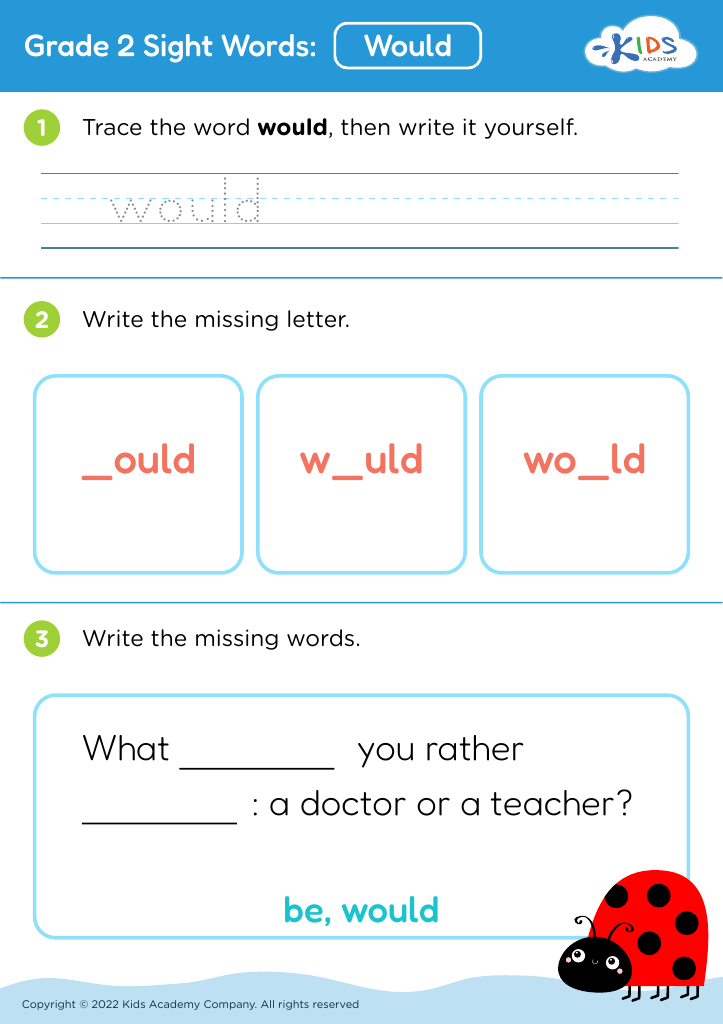
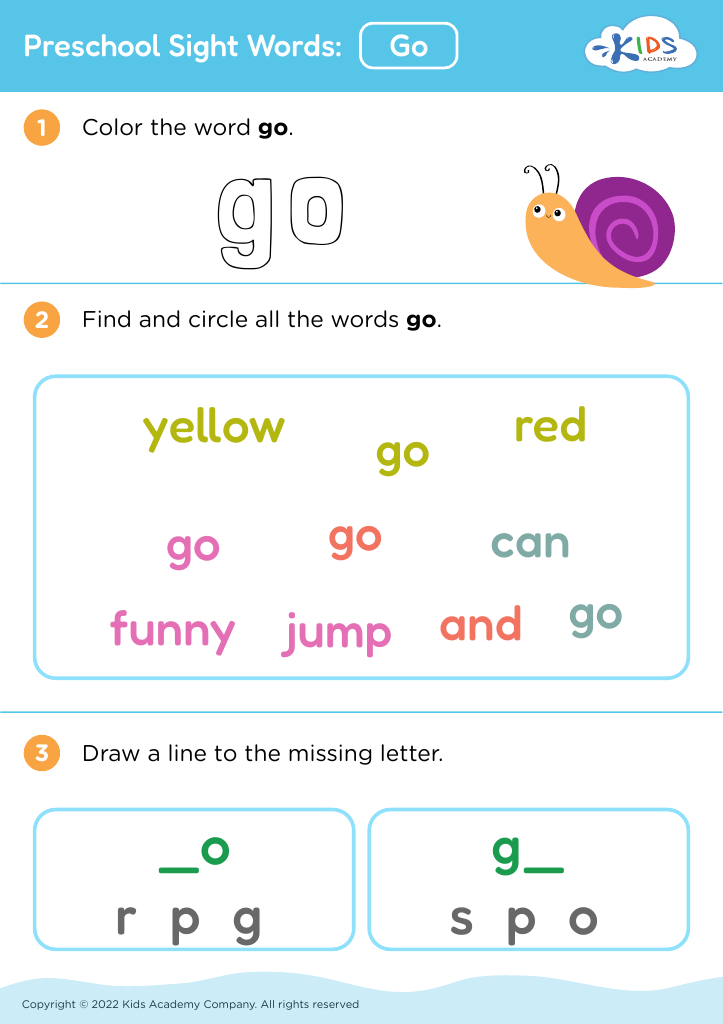
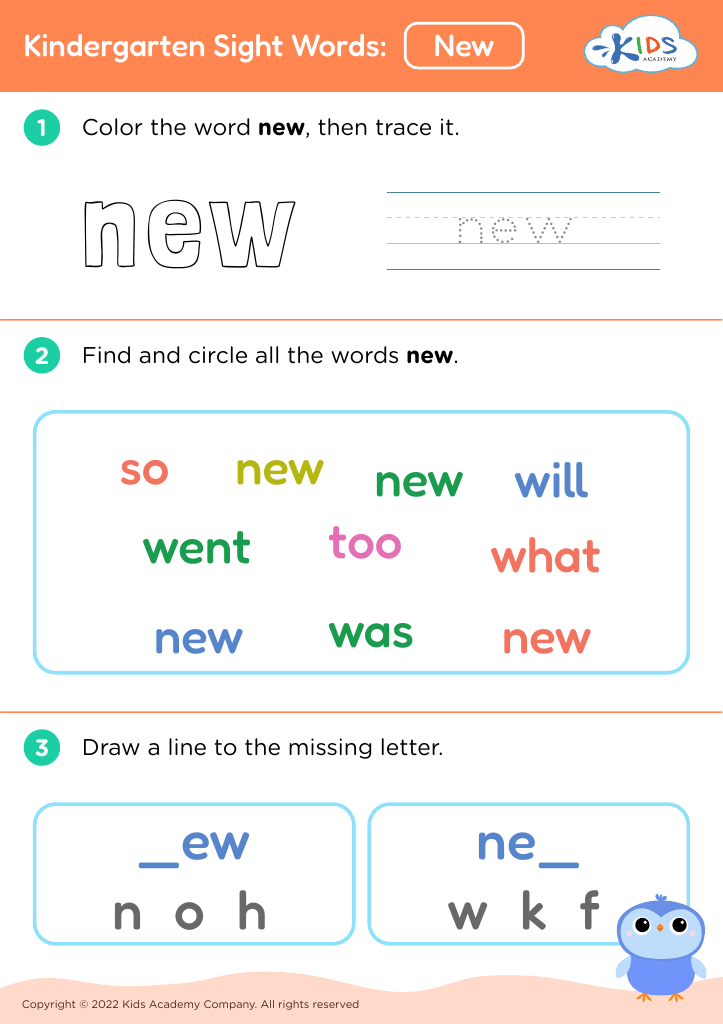
Discover our engaging Number Identification Building Vocabulary Worksheets, specifically designed for children ages 3-7! These interactive resources help young learners enhance their number recognition while building a strong vocabulary foundation. Through a variety of fun activities, including matching, tracing, and coloring, kids will explore numbers in an enjoyable and educational manner. Our worksheets cater to different skill levels, ensuring that every child can progress at their own pace. Perfect for use at home or in the classroom, these worksheets bolster early math skills and foster a love for learning. Start your child's journey to number mastery with us today!
Favorites
With answer key
Interactive











Join Kids Academy for Free
Who is primarily going to use this learning content?



.jpg)




Number identification and vocabulary building are foundational skills that significantly impact a child's academic success and overall development. For children aged 3-7, these skills lay the groundwork for future learning in mathematics and literacy.
Firstly, number identification helps children understand the world around them. Recognizing numbers enables them to make sense of numerical concepts like counting, measuring, and simple operations, fostering critical thinking and problem-solving abilities. Early competency in numbers can enhance future math learning, driving confidence and reducing anxiety about the subject.
Similarly, vocabulary building is crucial at this developmental stage. A rich vocabulary allows children to express themselves clearly and understand others better. It aids comprehension when reading, enhances communication skills, and supports social interaction.
By focusing on both number identification and vocabulary building, parents and teachers can create a well-rounded learning environment. Engaging in activities like counting games, rhyming plays, and storytelling effectively reinforces these skills. Investing time in nurturing these abilities ensures children are better prepared for academic challenges, fostering lifelong learners who can navigate the complexities of both mathematics and language with ease. Ultimately, caring about these foundational skills equips children with the tools they need for success in school and beyond.








