Shape Recognition Building Vocabulary Worksheets for Ages 3-7
6 filtered results
-
From - To
Enhance your child's learning journey with our Shape Recognition Building Vocabulary Worksheets, designed specifically for ages 3-7. These engaging worksheets help young learners identify and name various shapes, fostering essential vocabulary and cognitive skills. Each activity is tailored to be fun and interactive, encouraging exploration and creativity while reinforcing shape recognition. Ideal for teachers and parents alike, our worksheets provide a perfect blend of education and entertainment, promoting early literacy in a playful way. Start building your child's vocabulary and shape recognition today, laying the foundation for successful learning in math and language!
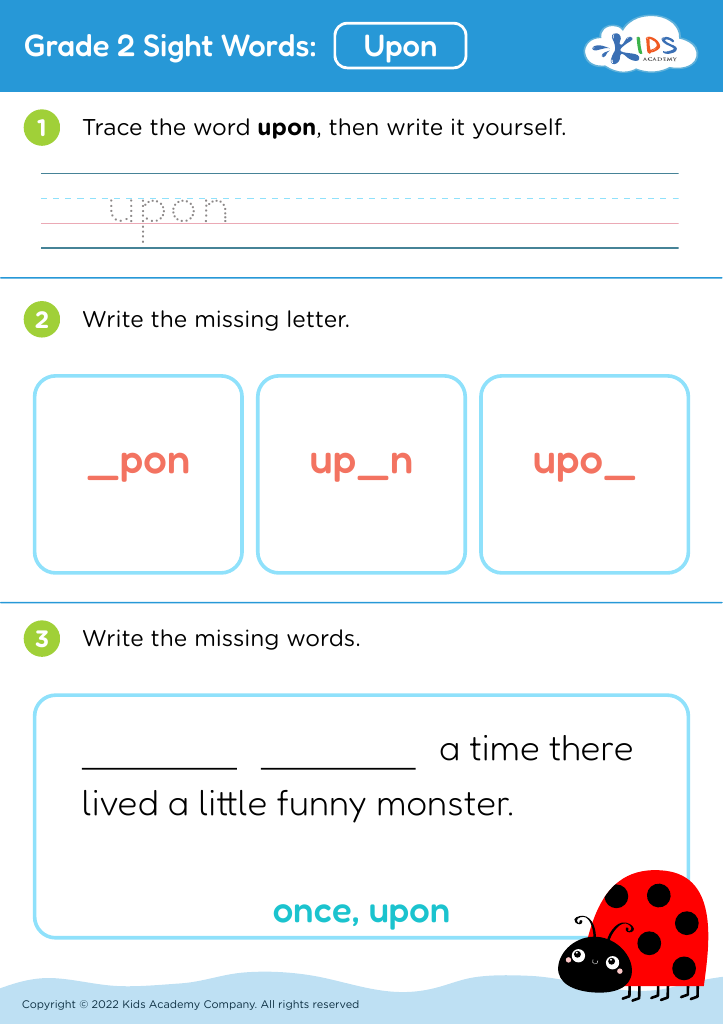











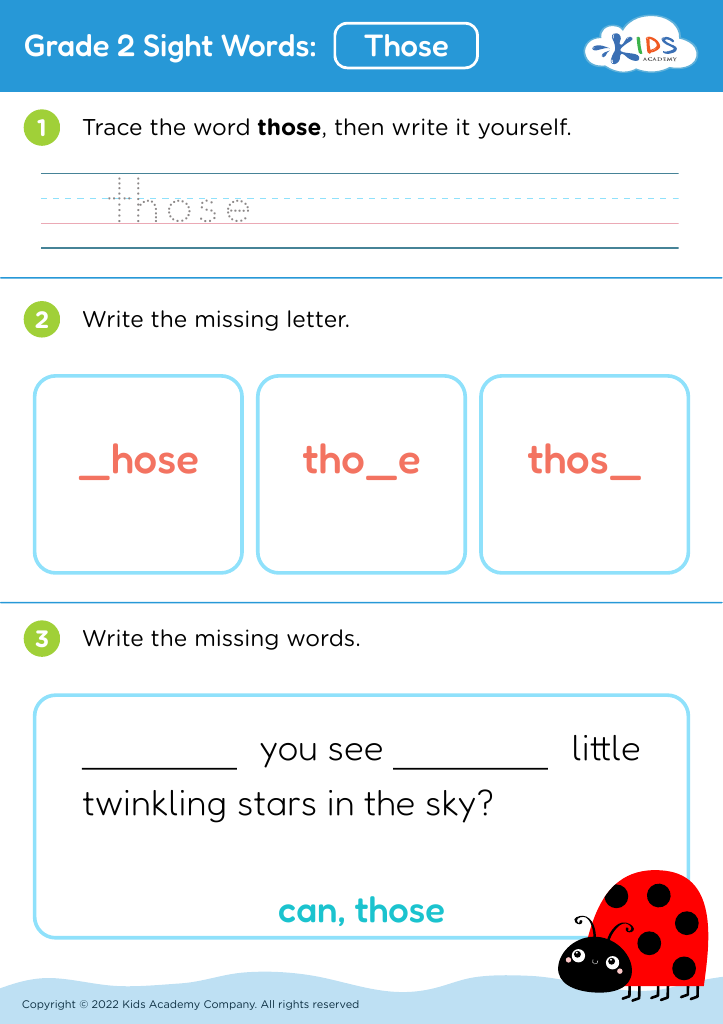
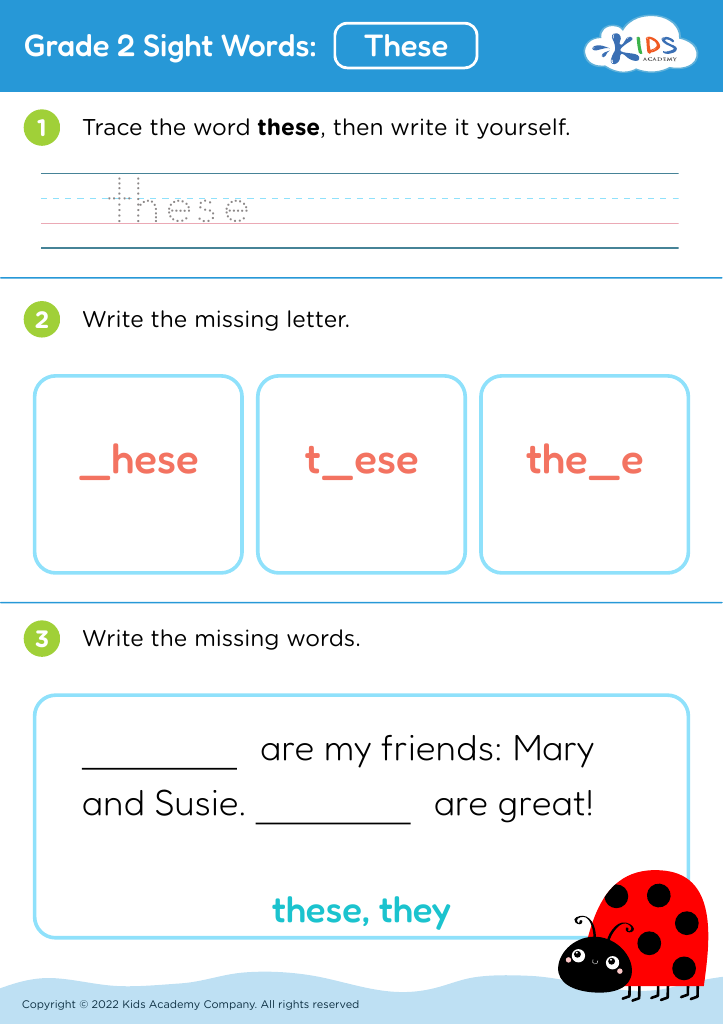
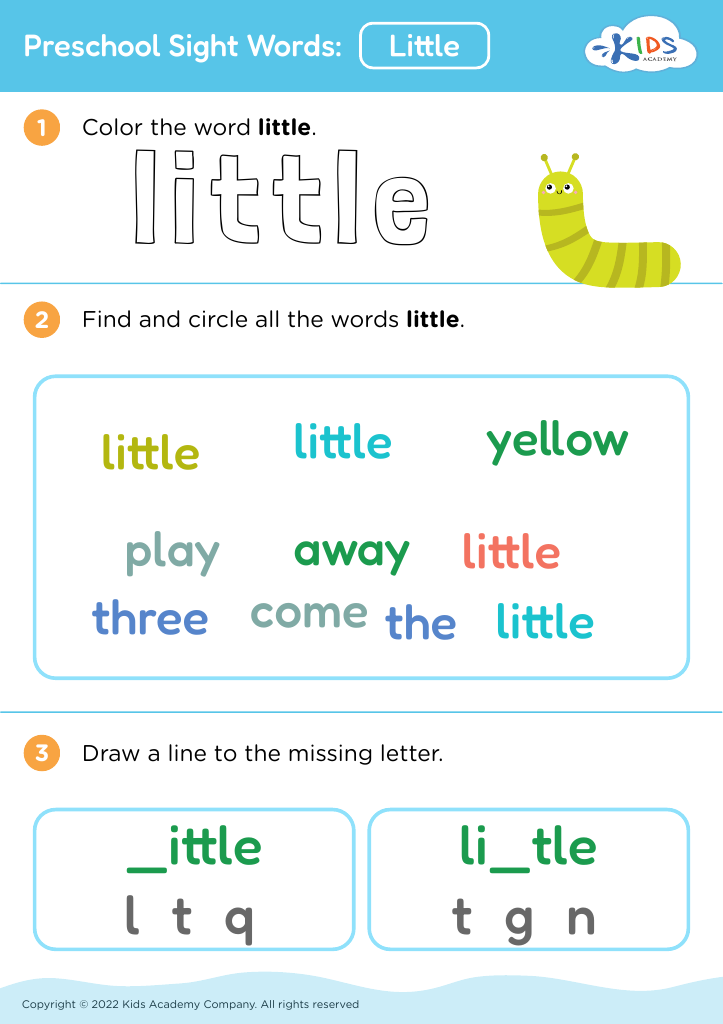








Shape recognition is a critical element of early childhood education that plays a foundational role in building vocabulary for children aged 3-7. Parents and teachers should care about this developmental milestone because it fosters cognitive skills essential for problem-solving and critical thinking. As children learn to identify and describe shapes, they enrich their vocabulary with related terms such as triangle, square, round, and flat. This enhanced vocabulary not only aids in mathematical understanding but also promotes language development, enabling children to articulate their thoughts and ideas more effectively.
Moreover, recognizing shapes is intertwined with spatial awareness, which is crucial for understanding the world around them. It helps children interpret visual information, an essential skill for reading and writing as they progress in their education. Engaging in shape-related activities, such as drawing, sorting, or playing games, encourages interactive learning, making it both enjoyable and impactful.
Additionally, an emphasis on shape recognition can demystify complex concepts in math and science later in their academic journey. By investing in this skill early on, parents and teachers set a strong foundation for holistic development, ensuring that children are better prepared for future learning and social interactions.








