Understanding fractions Building Vocabulary Worksheets for Ages 3-7 - Page 2
47 filtered results
-
From - To
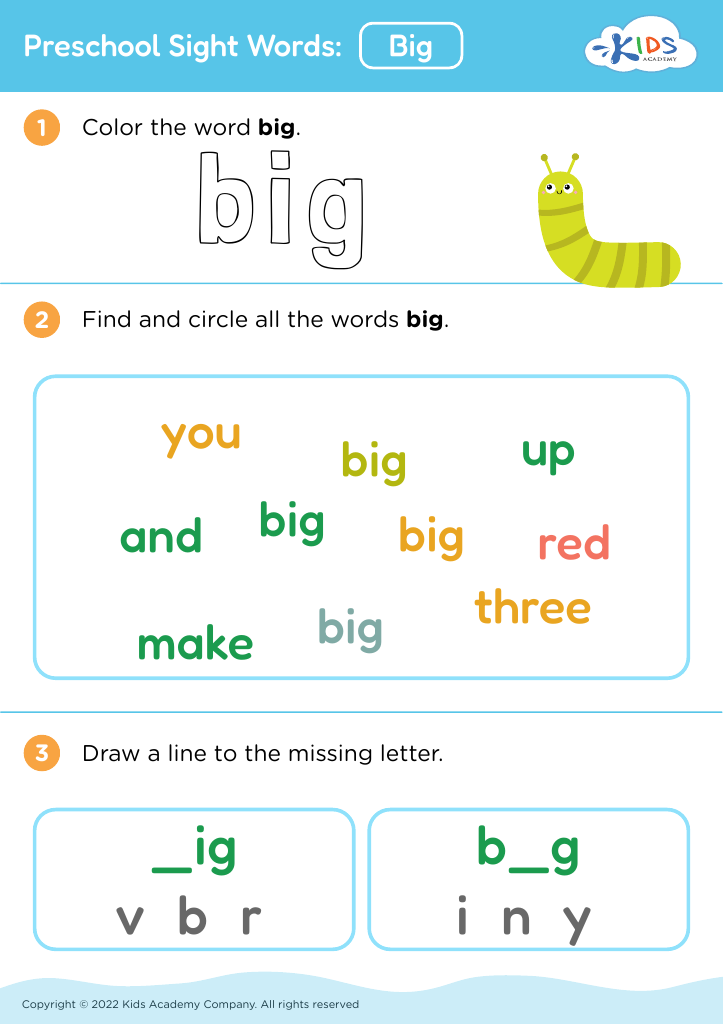











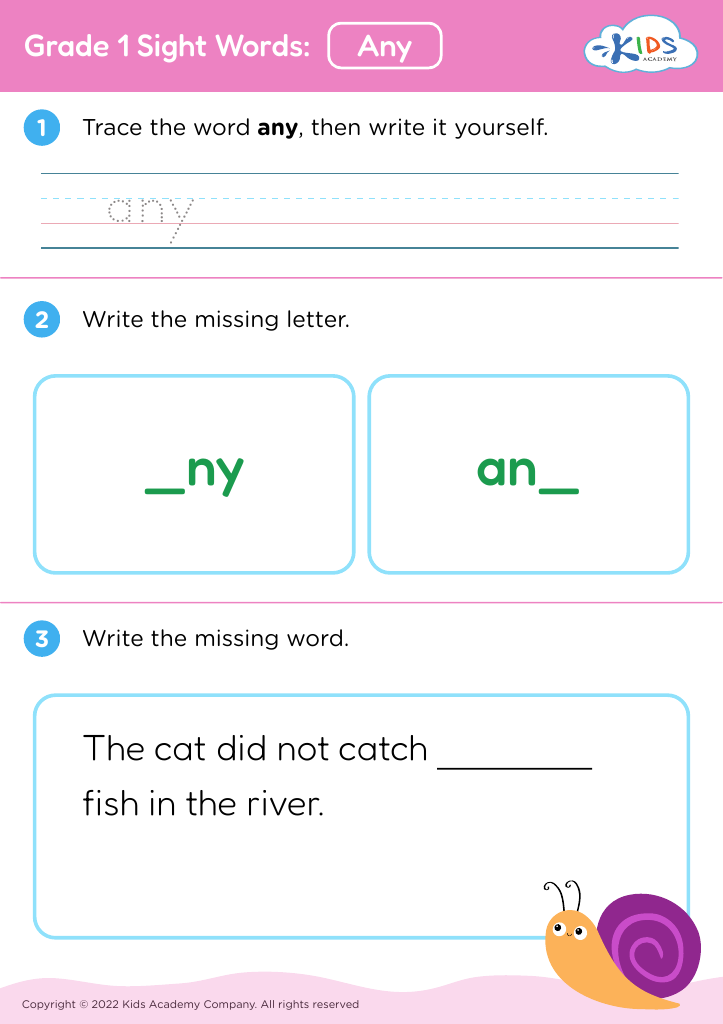
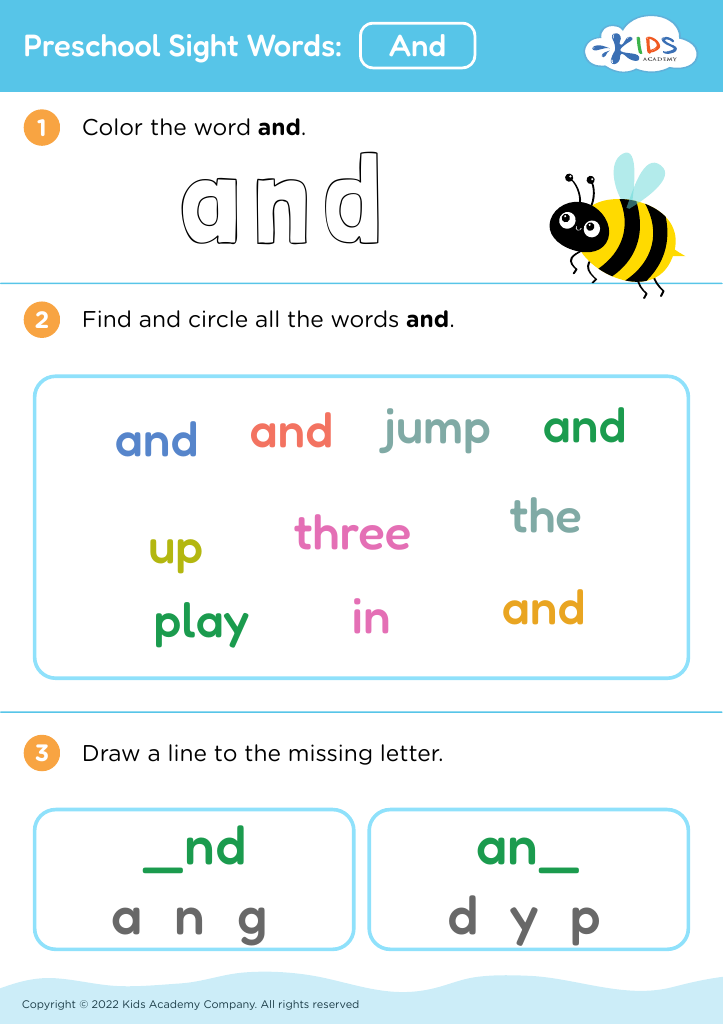
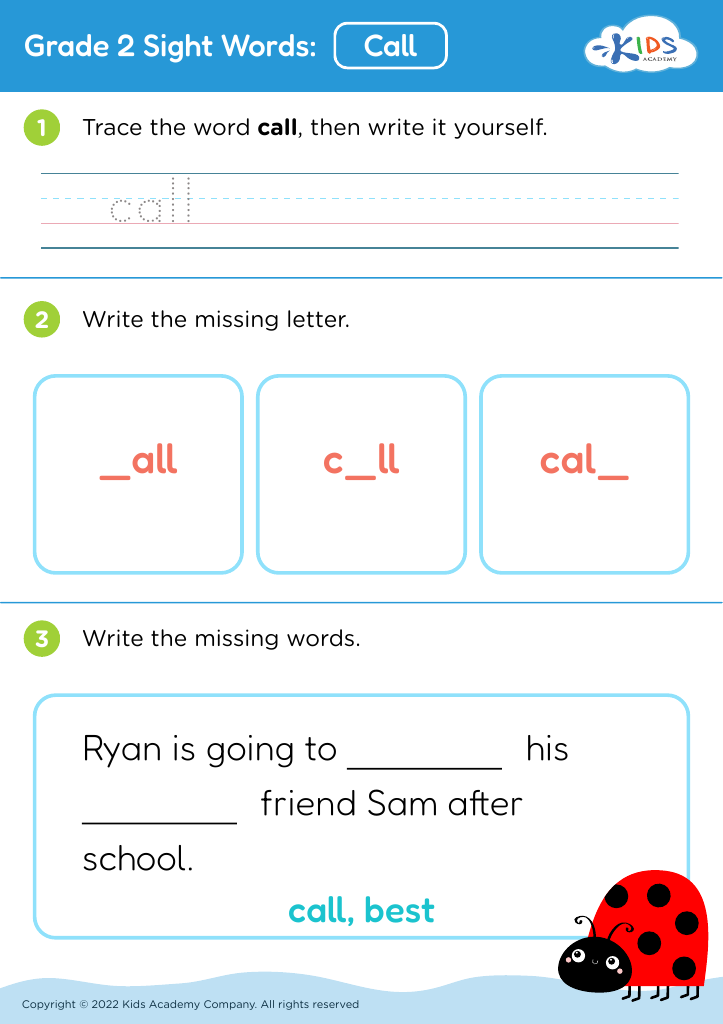
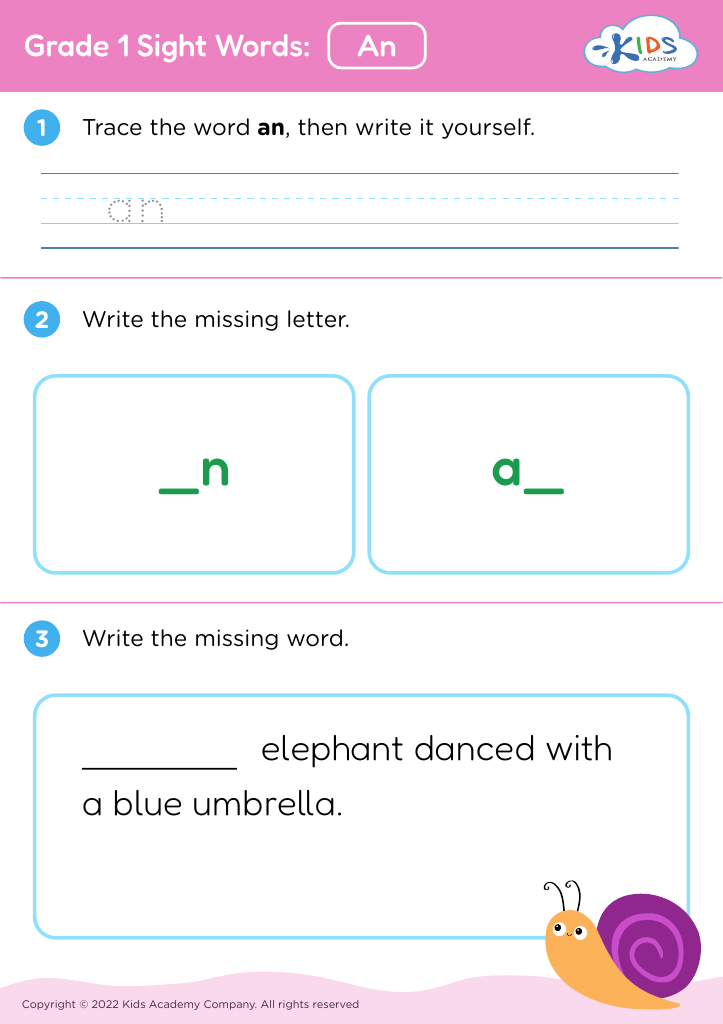
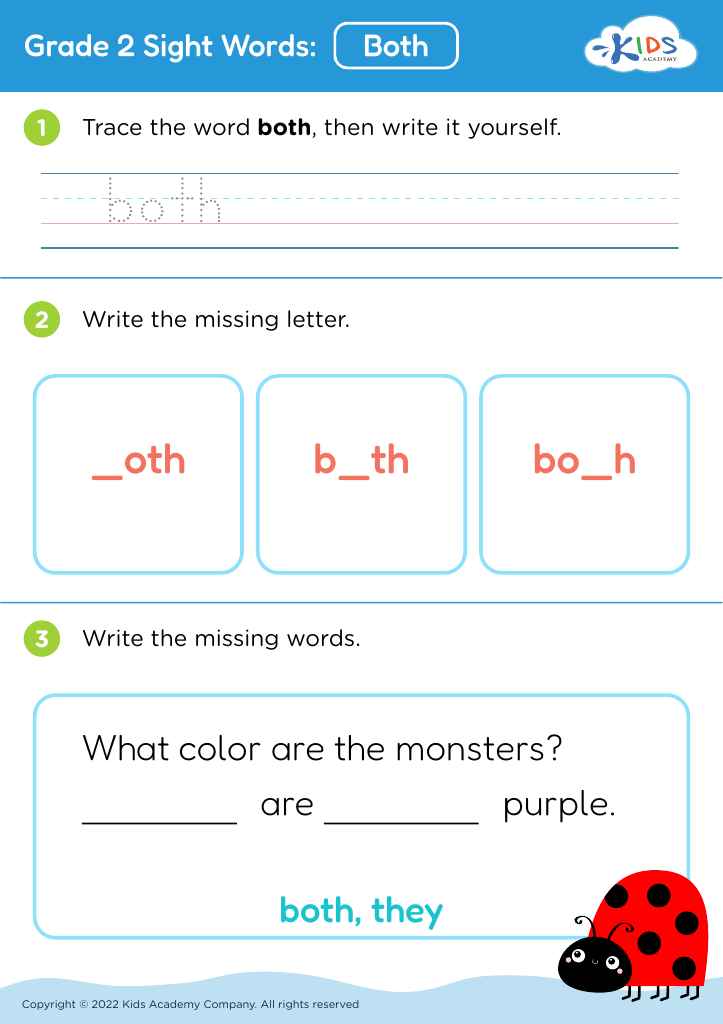
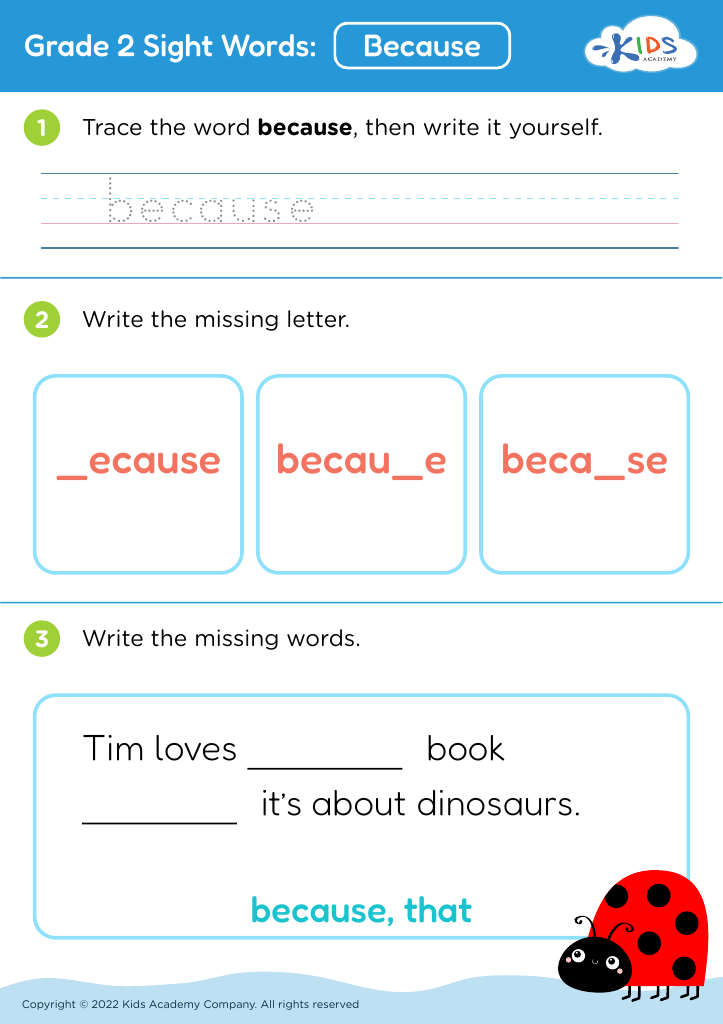
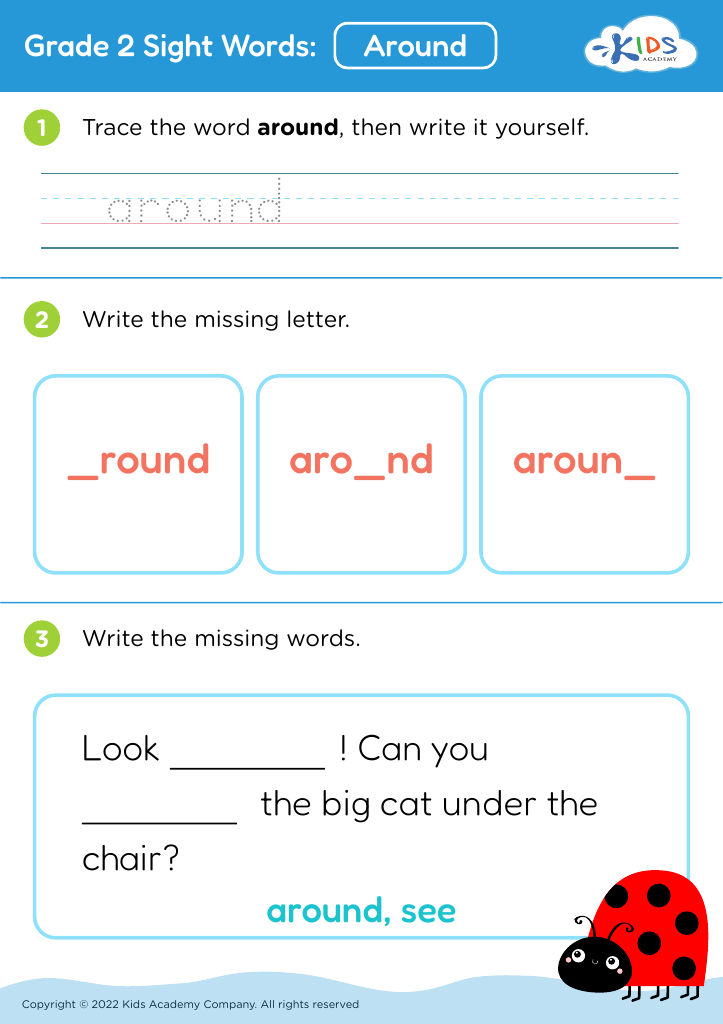
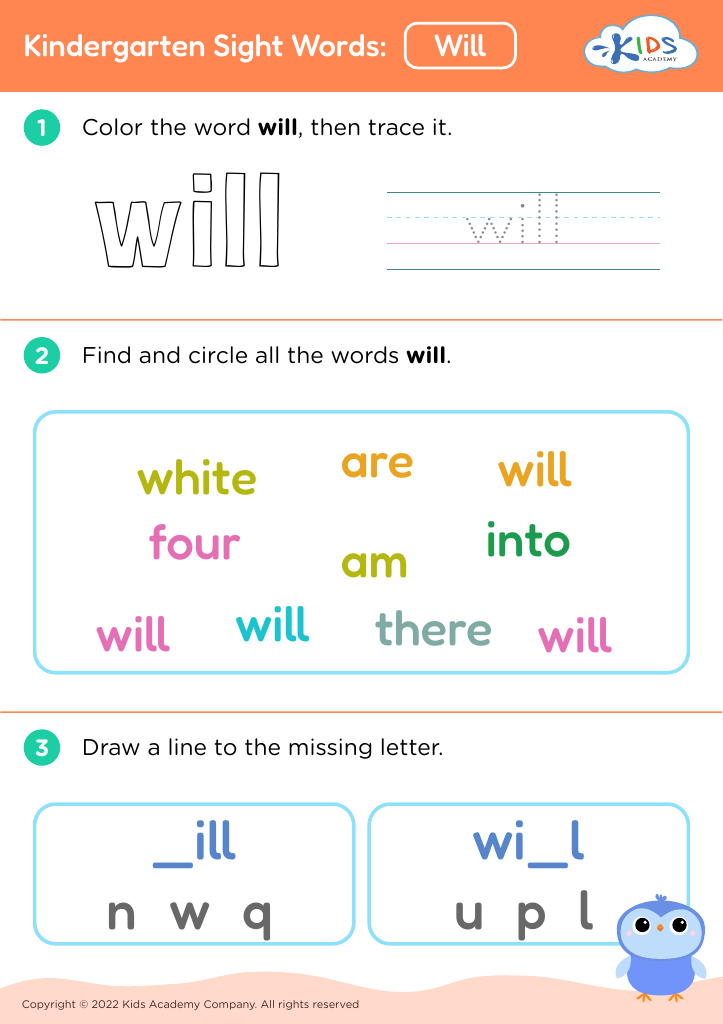
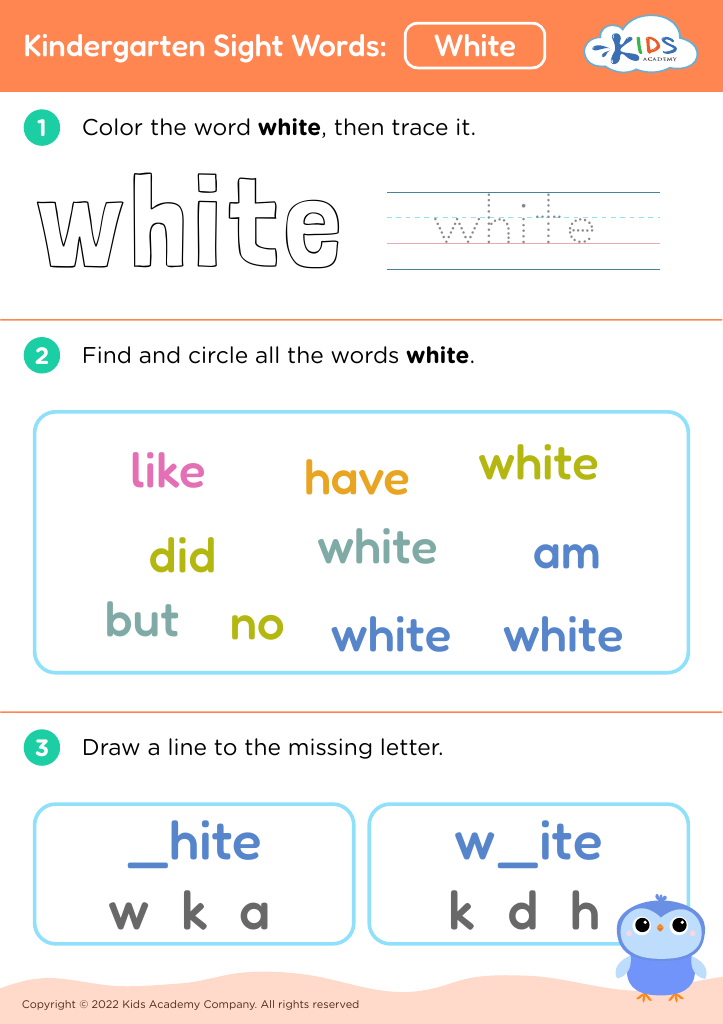
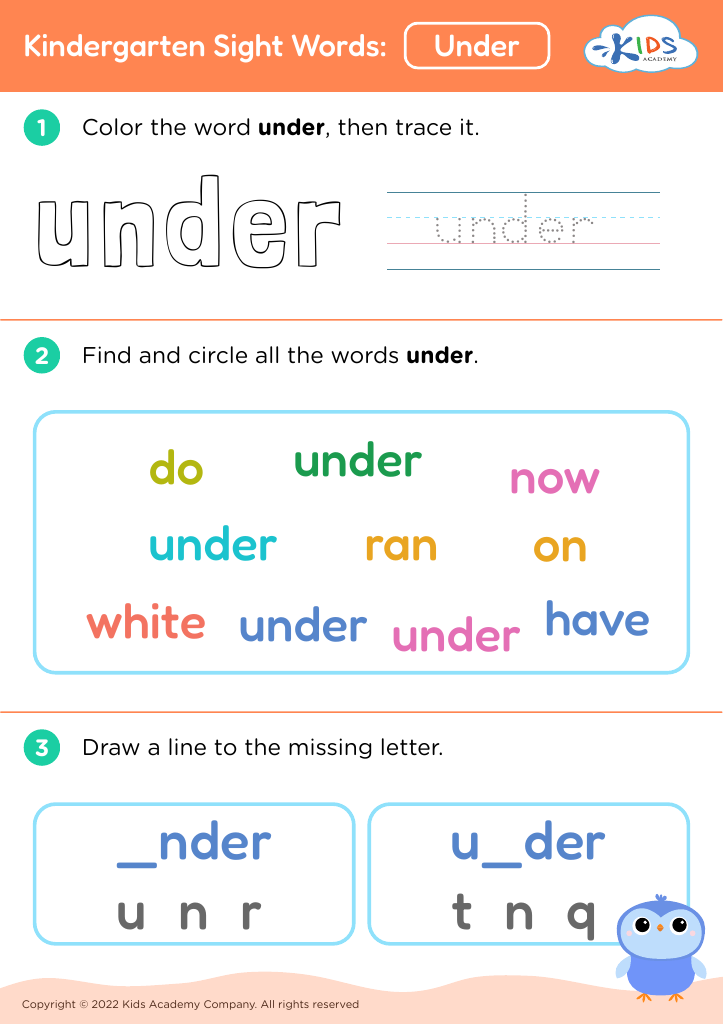
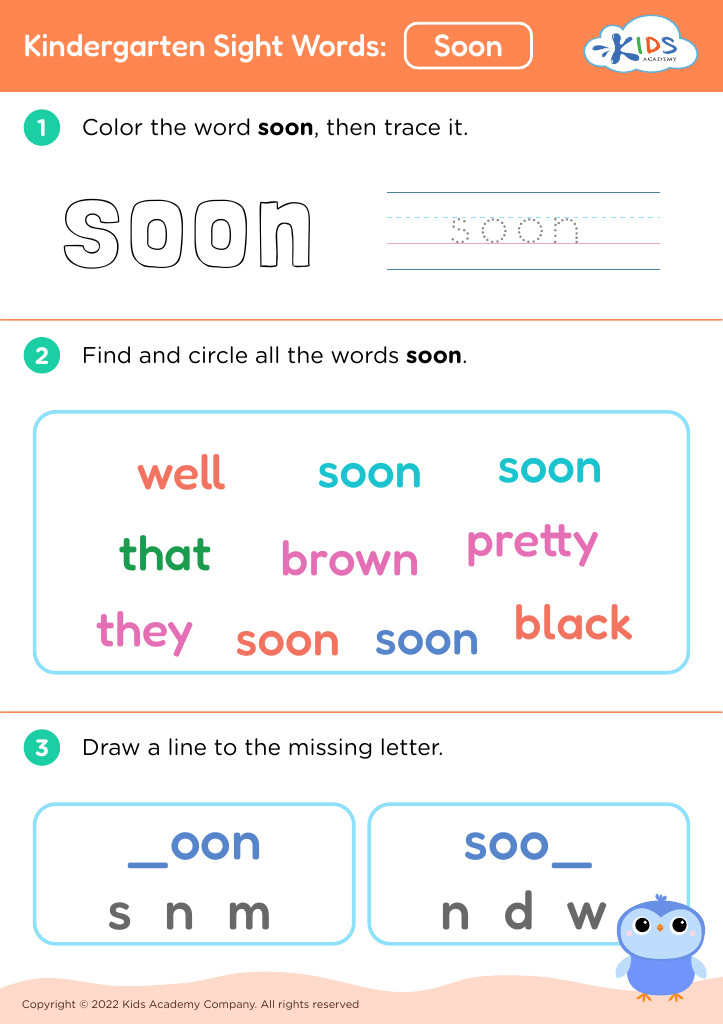
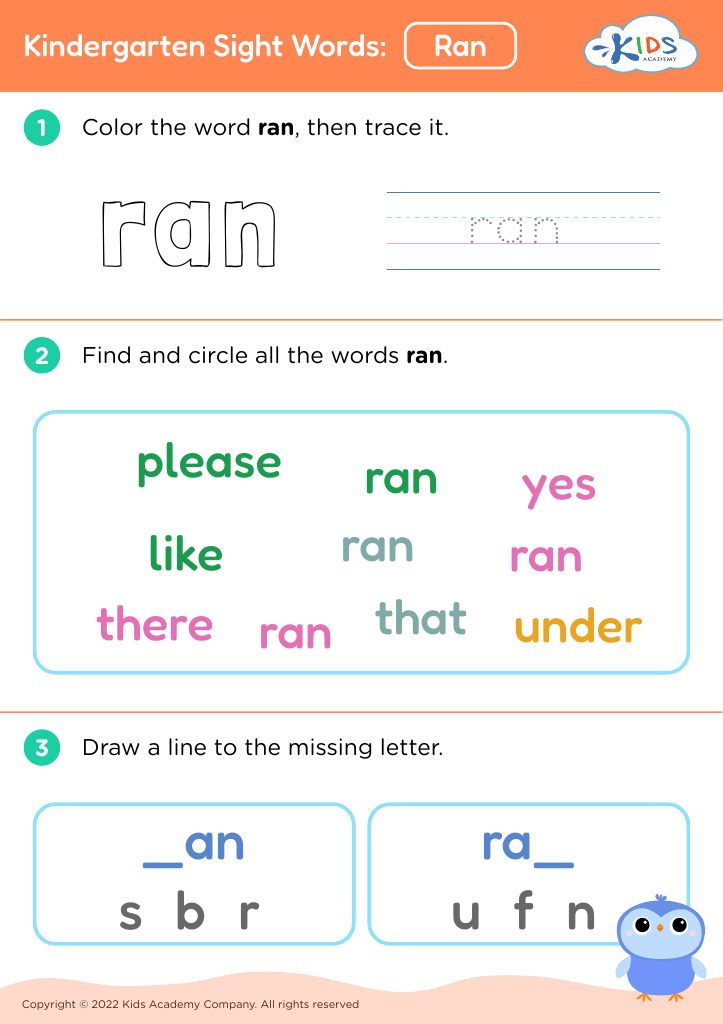
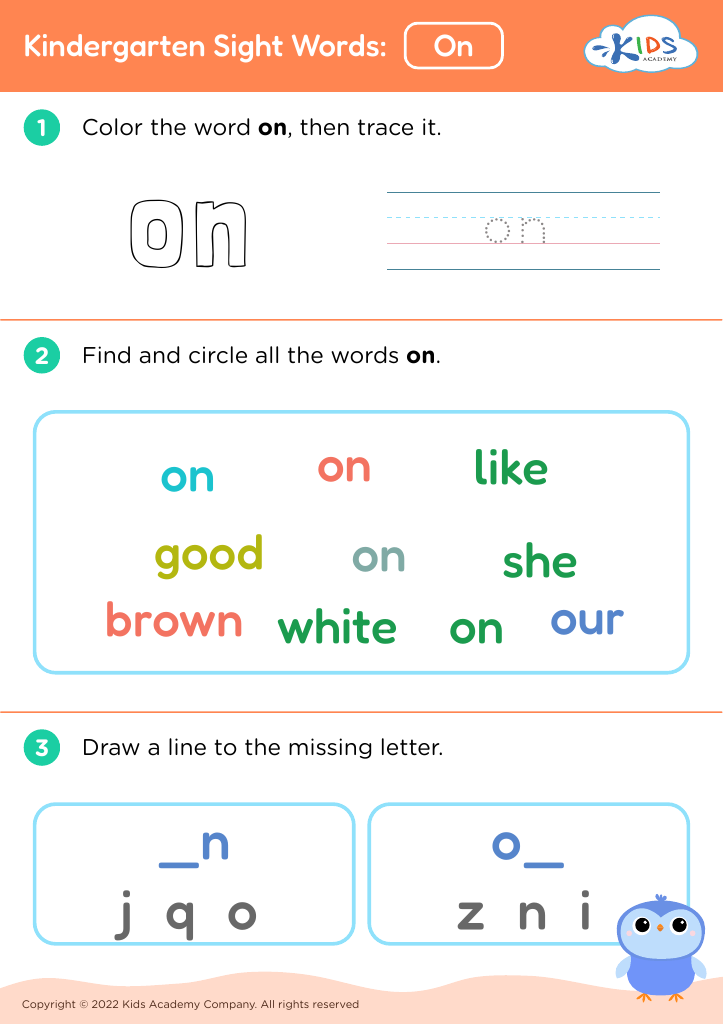
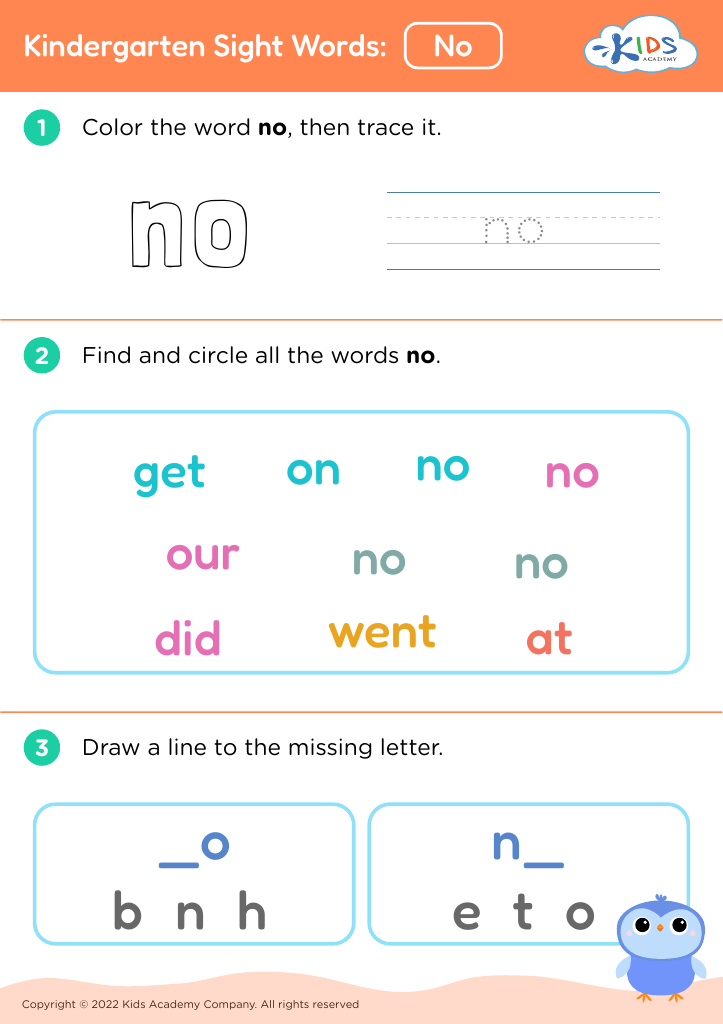
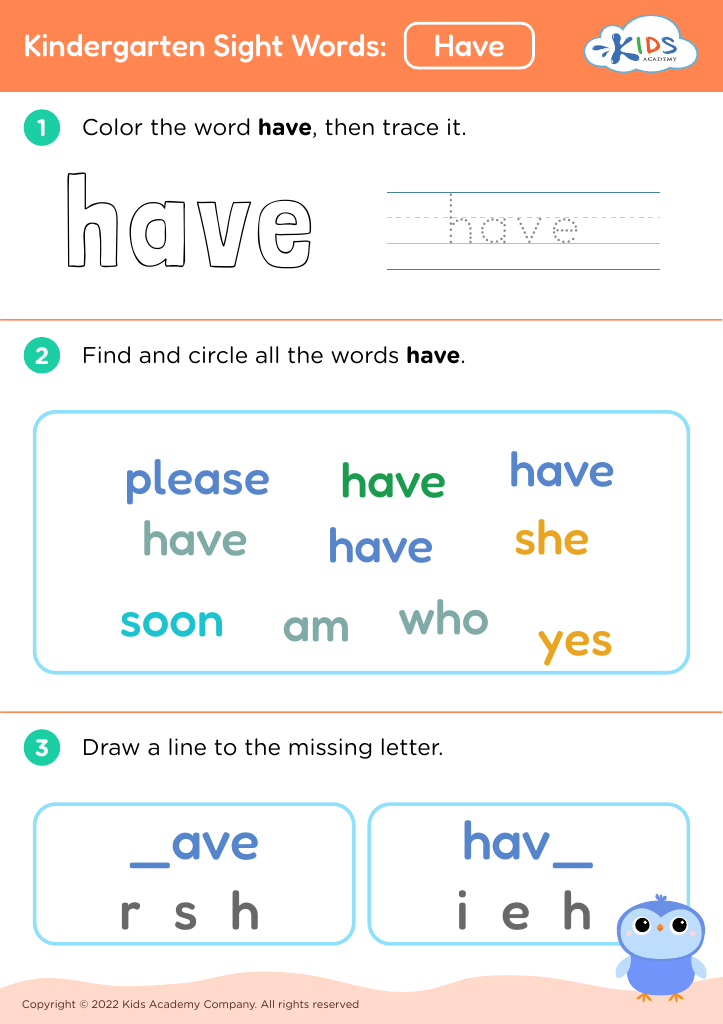
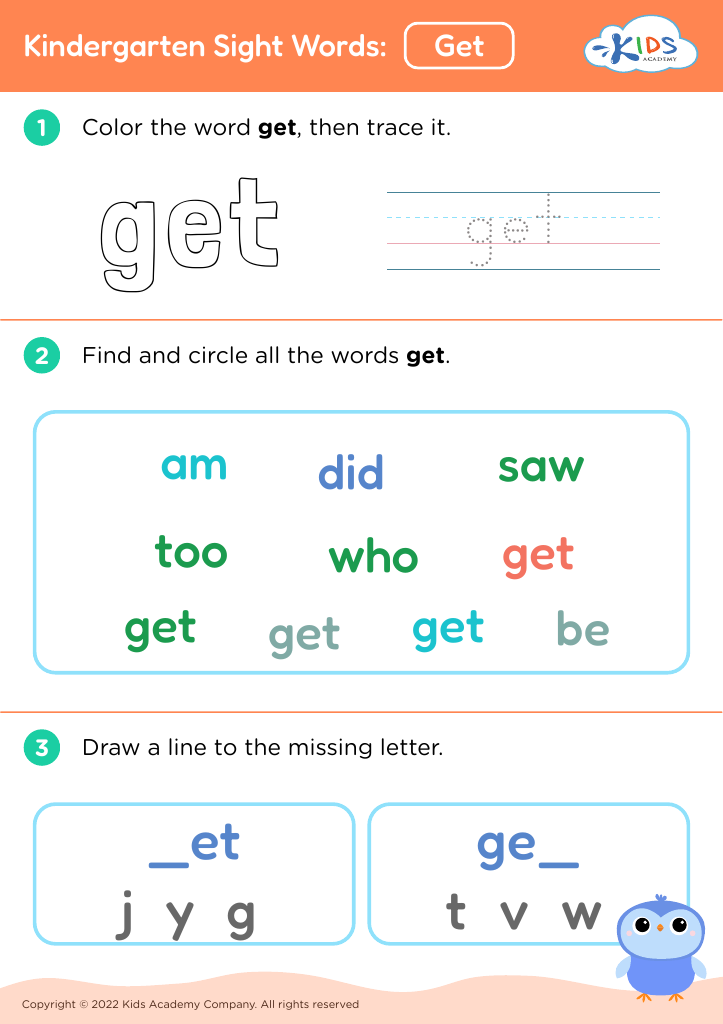
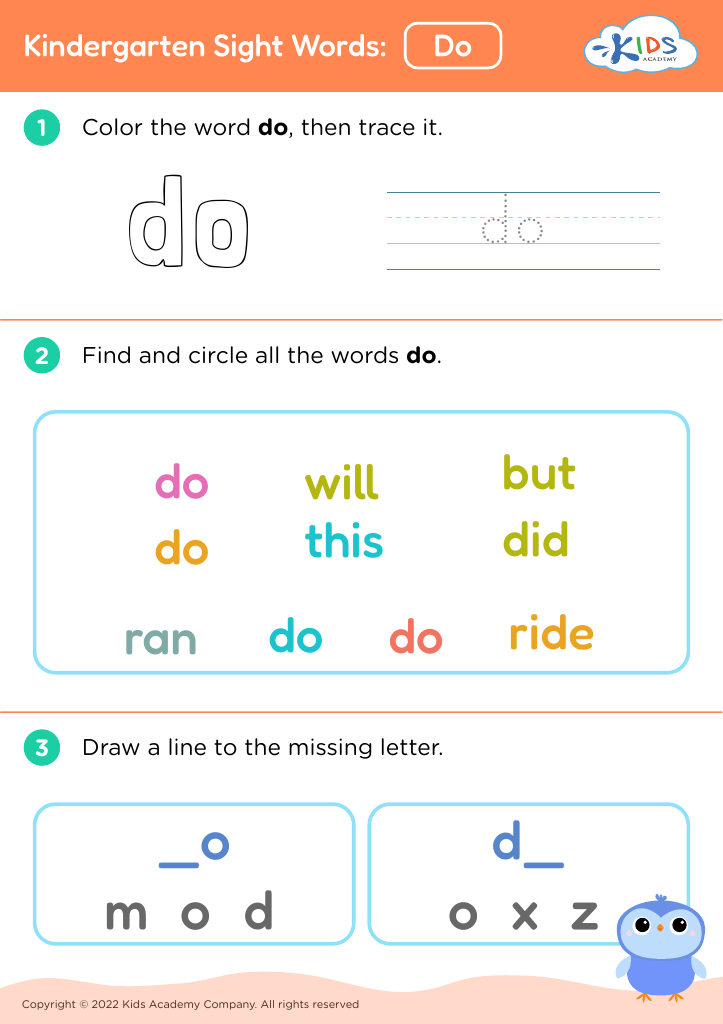
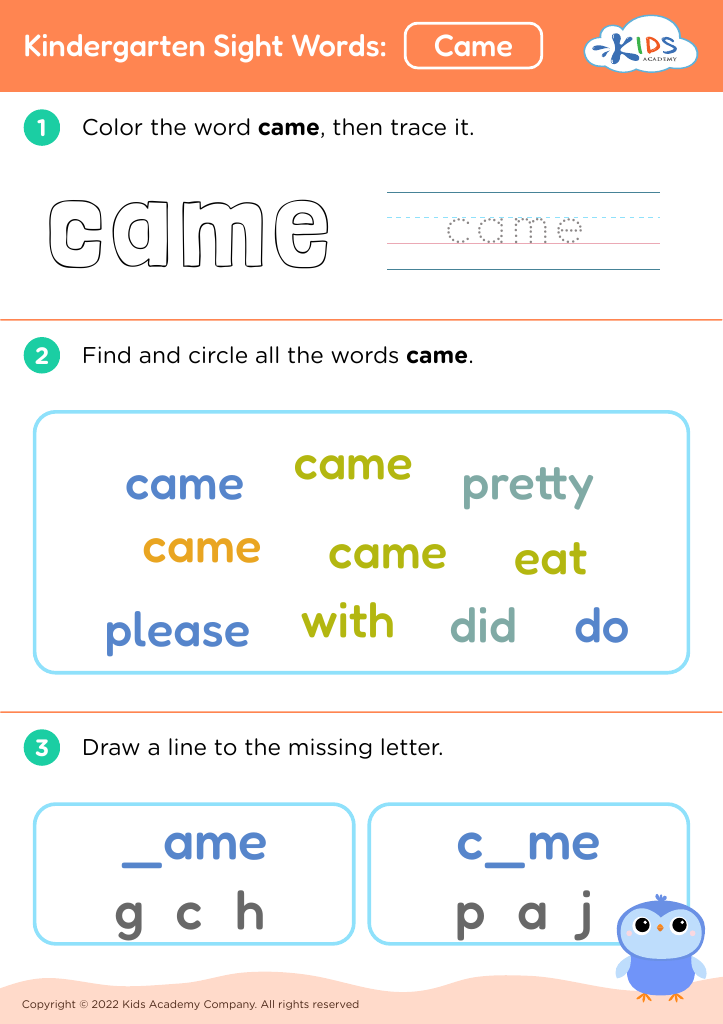
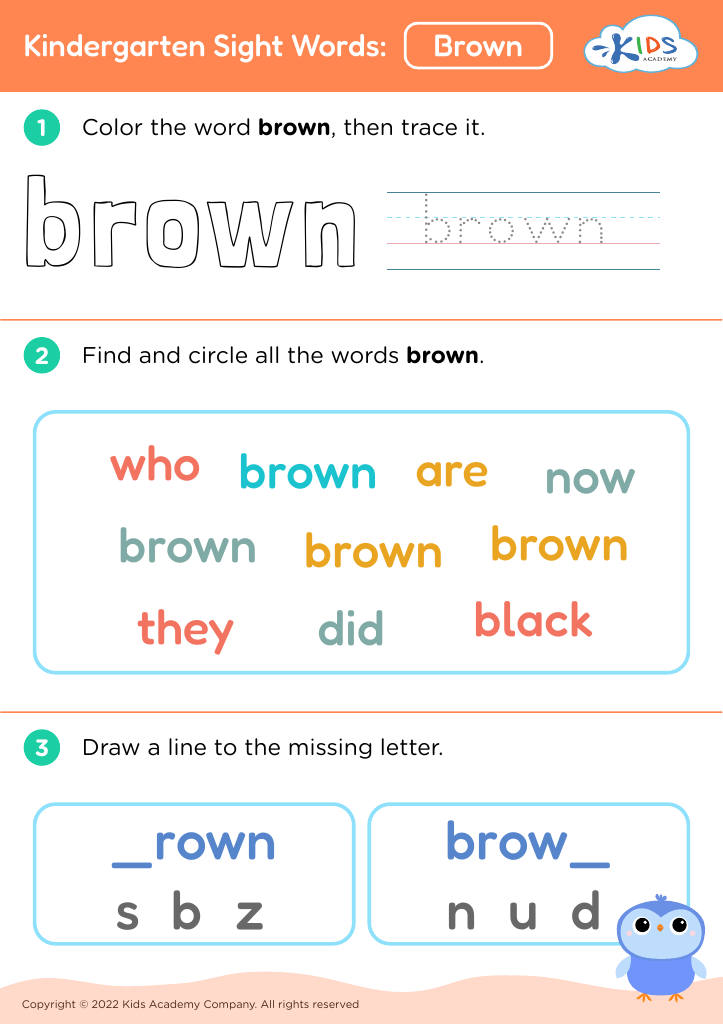
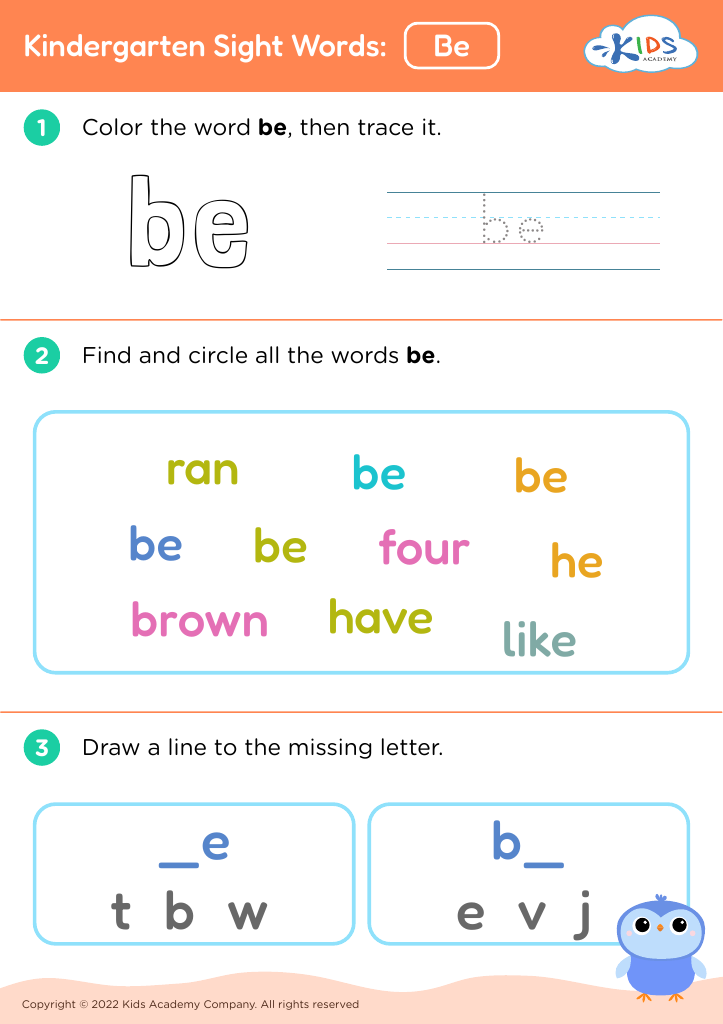
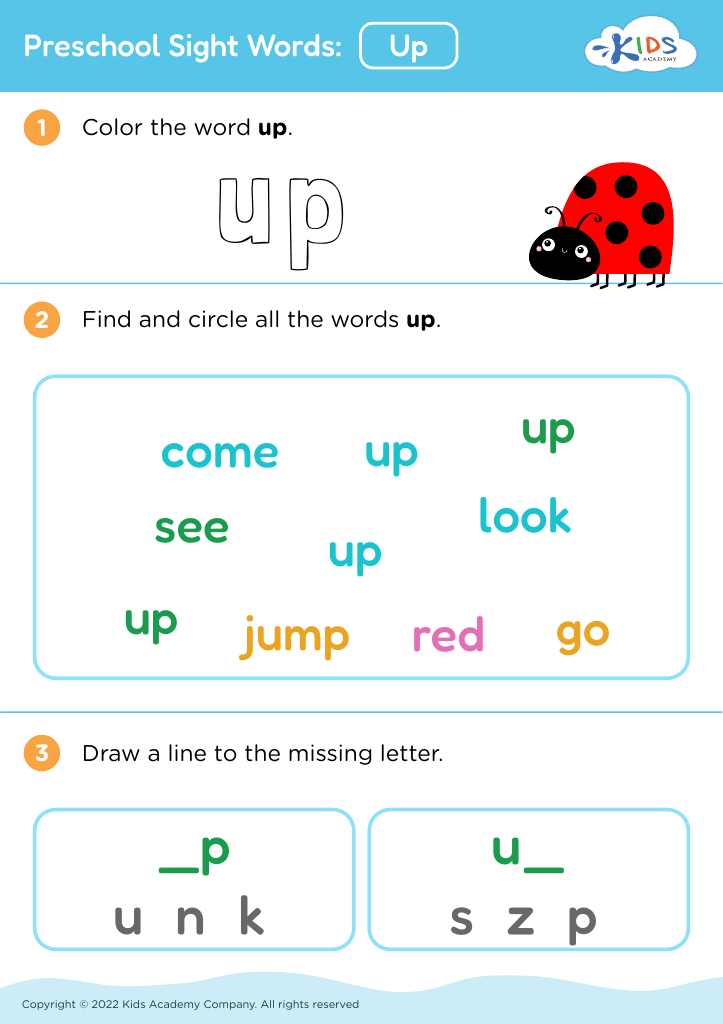
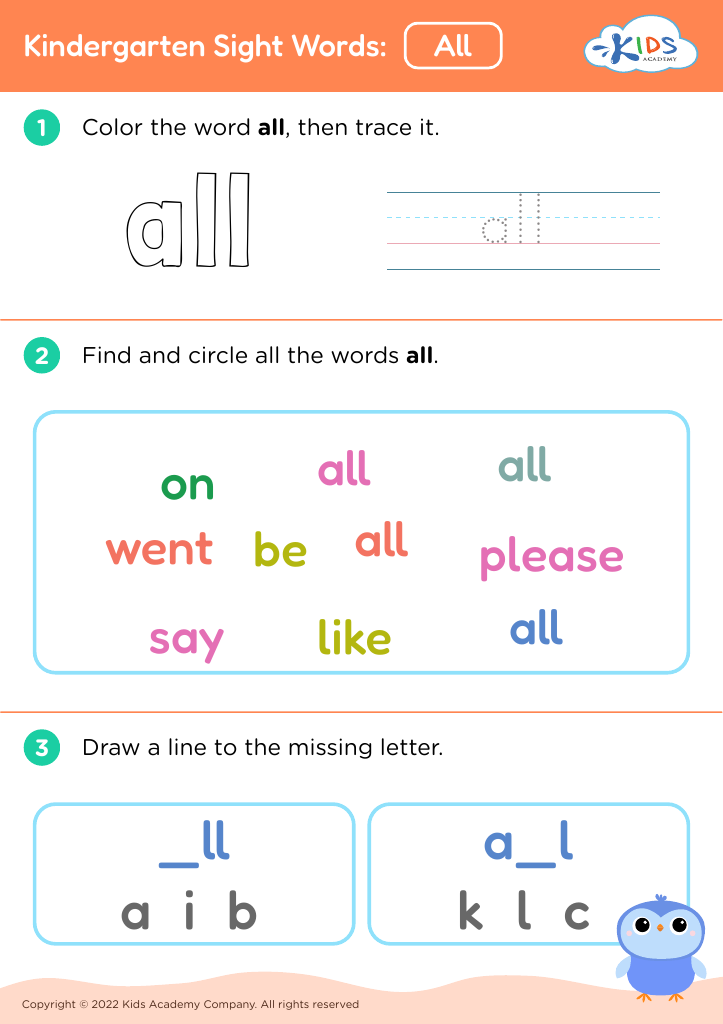







Understanding fractions and building vocabulary in early childhood, ages 3-7, are crucial for cognitive and linguistic development. During these formative years, children's brains are highly receptive to new concepts and words. Introducing fractions at an early age enhances their mathematical understanding and problem-solving skills. For instance, recognizing halves, quarters, and thirds helps children grasp the idea of division, which is foundational for more complex math later in life.
Additionally, building vocabulary through engaging language activities enriches children’s communication skills and comprehension. A robust vocabulary enables kids to express their thoughts, interact socially, and understand instructions, which are essential for their learning both inside and outside the classroom. Words connected to fractions, such as "part," "whole," "equal," and "share," help solidify their mathematical vocabulary alongside their general language skills.
Moreover, these skills contribute to a child's self-confidence, fostering a love for learning. When children can articulate their thoughts and understand essential concepts like fractions, they are better prepared for academic challenges. Therefore, parents and teachers play a vital role in integrating these educational elements, creating a foundation that supports children's overall development in mathematics and language, setting the stage for lifelong learning.








