Understanding habitats Building Vocabulary Worksheets for Ages 3-7
3 filtered results
-
From - To
Enhance your child's vocabulary and environmental awareness with our "Understanding Habitats Building Vocabulary Worksheets" designed for ages 3-7. These engaging, printable worksheets from Kids Academy introduce young learners to various habitats such as forests, oceans, and deserts, while building crucial reading and comprehension skills. Through fun, age-appropriate activities, children will explore the natural world, learn new words, and develop a deeper understanding of different ecosystems. Perfect for both classroom and home learning, these worksheets make discovering the wonders of nature an exciting adventure! Foster a love for reading and the environment with our easy-to-use resources.
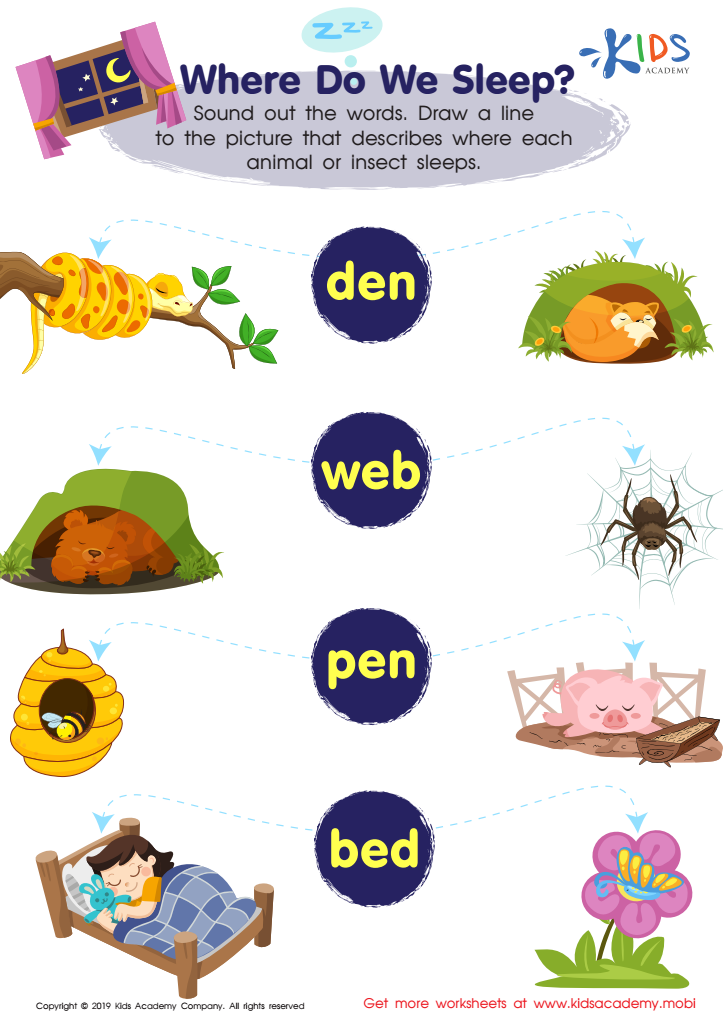
Where Do We Sleep Worksheet
 Assign to My Students











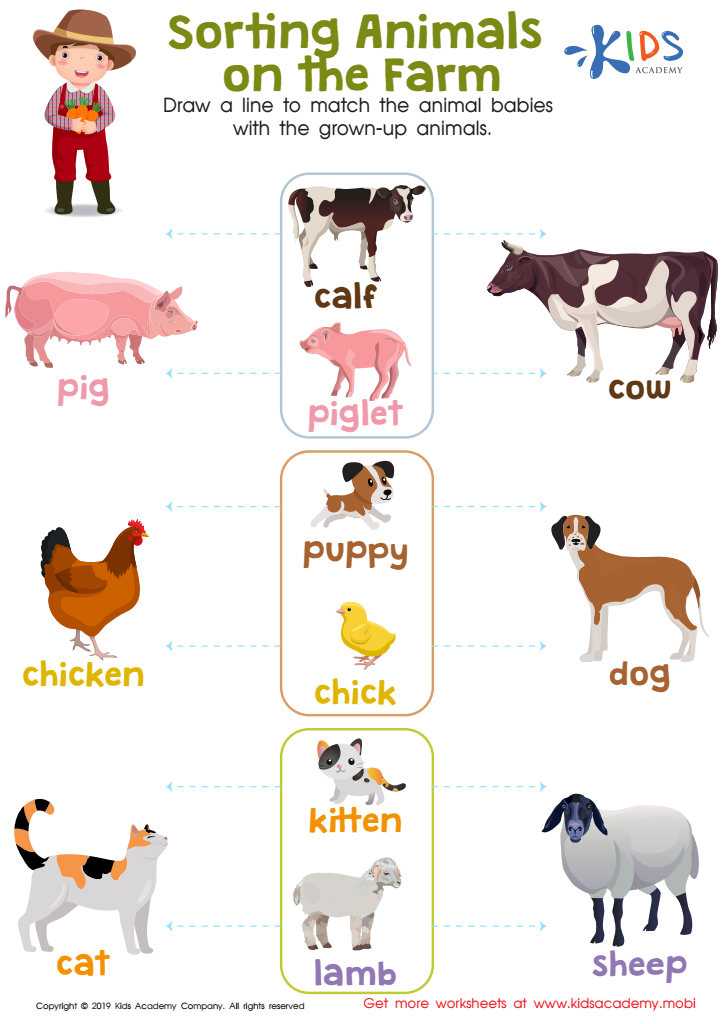
Sorting Animals on the Farm Worksheet
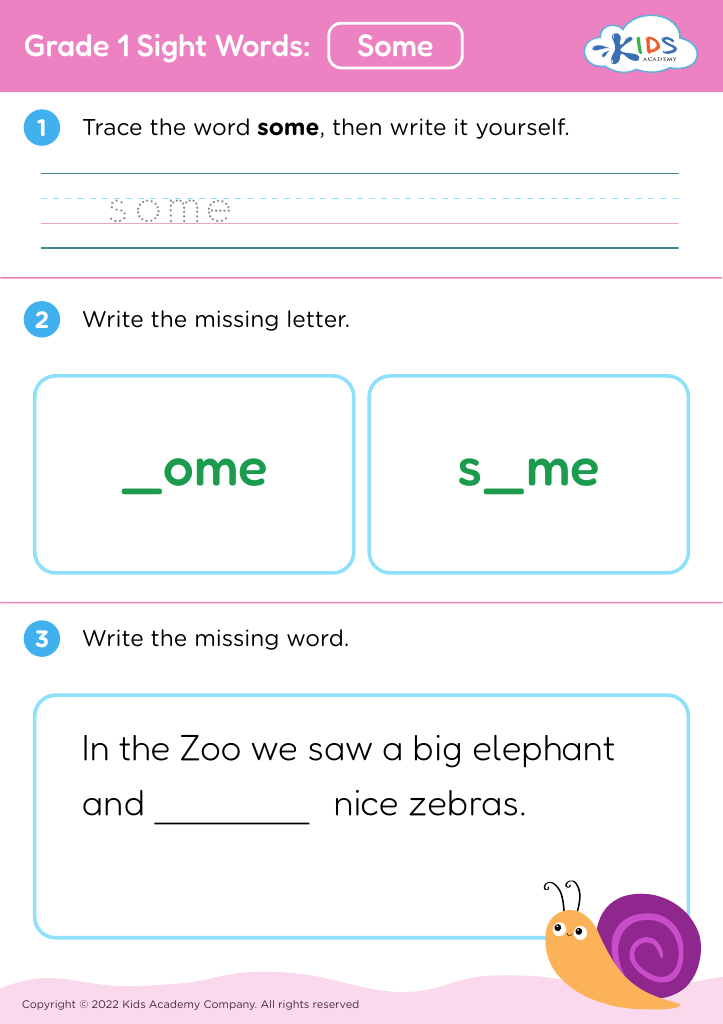








Understanding habitats and building vocabulary are fundamental components of early childhood development for ages 3-7. Firstly, learning about habitats nurtures children's curiosity about the natural world, supporting science education by laying a foundation for biological and ecological concepts. As they explore different habitats, whether it's forests, oceans, or deserts, children begin to develop a sense of wonder and respect for living organisms and their environments, fostering stewardship towards nature.
Simultaneously, building a robust vocabulary during these formative years is crucial for language development and literacy skills. Engaging with terms associated with various habitats, like "forest," "underwater," or "nest," enriches children's linguistic abilities and comprehension. A strong vocabulary assists in effective communication, critical thinking, and academic achievement.
Teachers and parents play a vital role by integrating these elements through storytelling, hands-on activities, and conversations. For instance, discussing the various animals in a savanna while narrating a bedtime story, or going on nature walks to identify different plants and insects, acts as immersive learning experiences. These activities not only enhance vocabulary but also contextualize words within their environments, making learning holistic and memorable. Hence, integrating an understanding of habitats with vocabulary building is pivotal for nurturing knowledgeable, articulate, and environmentally-conscious individuals.








