
Understanding patterns Building Vocabulary Worksheets for Ages 3-7
8 filtered results
Difficulty Level
Grade
Age
-
From - To
Subject
Activity
Standards
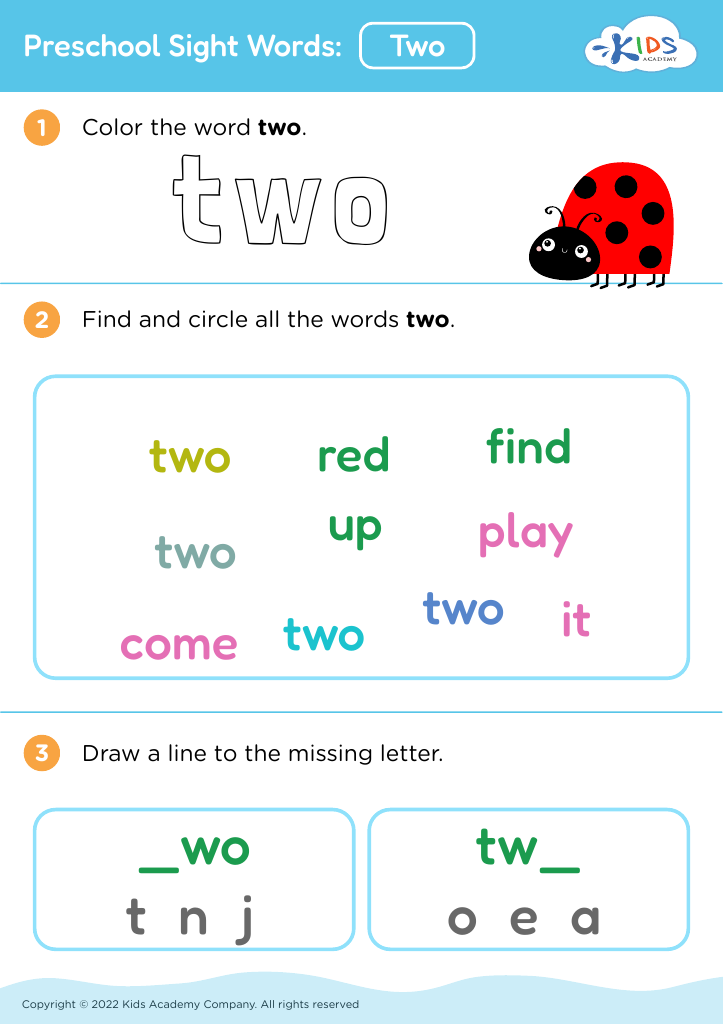
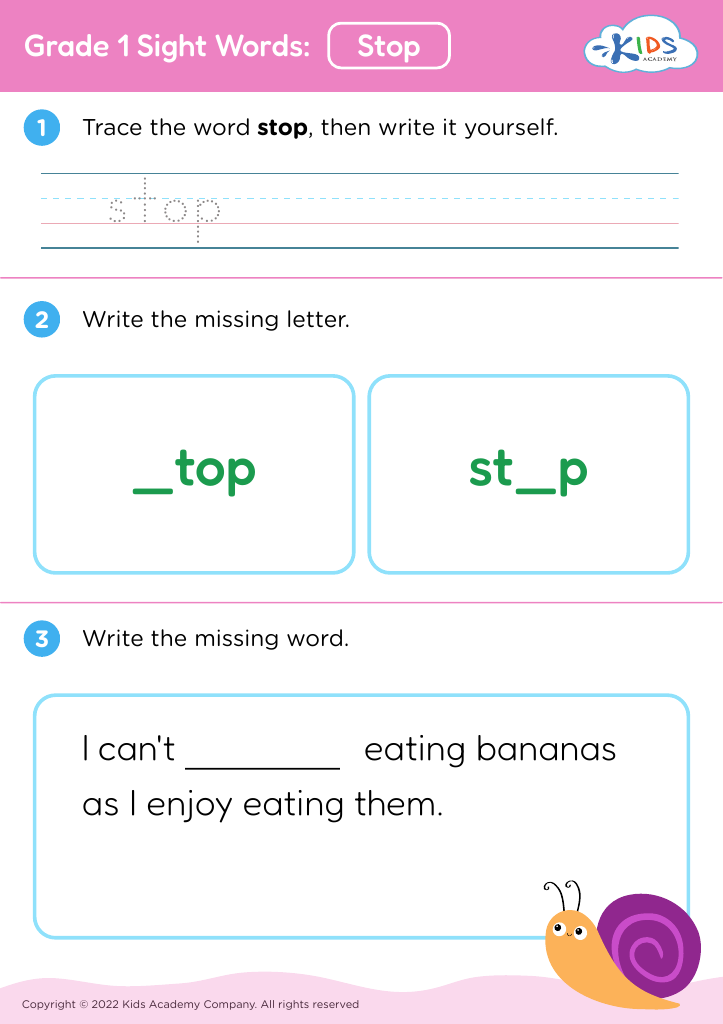
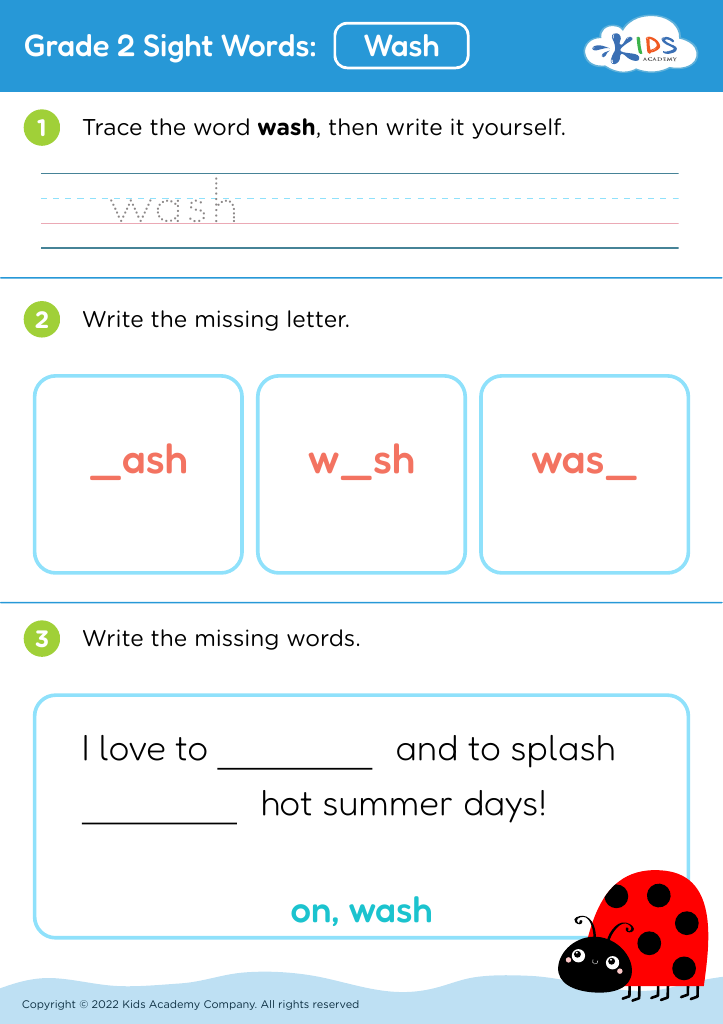
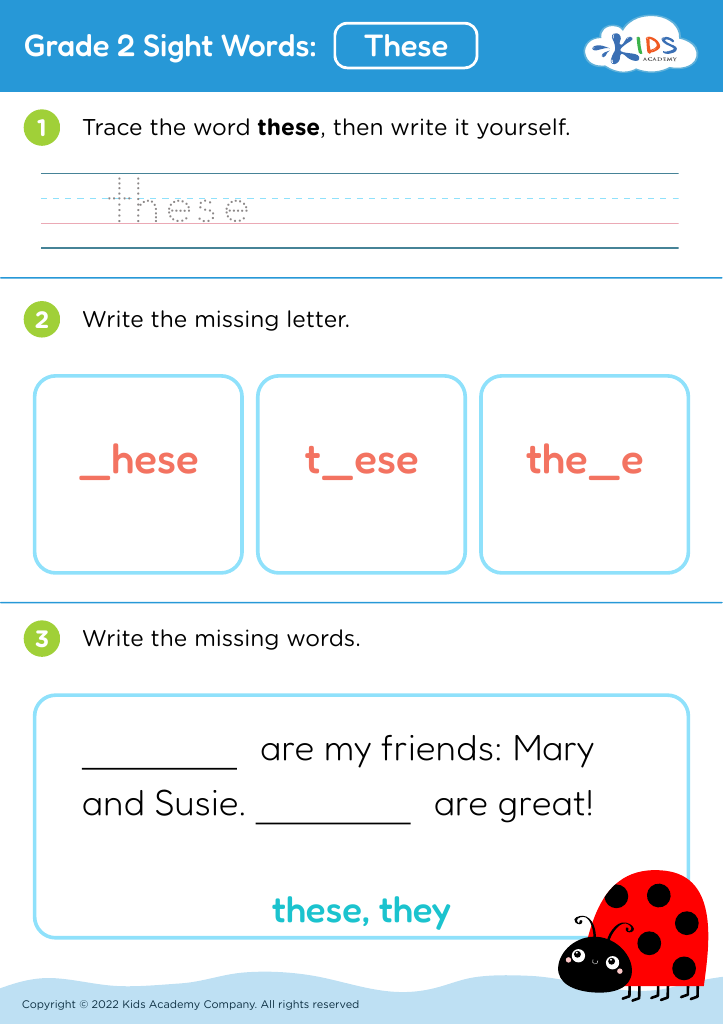
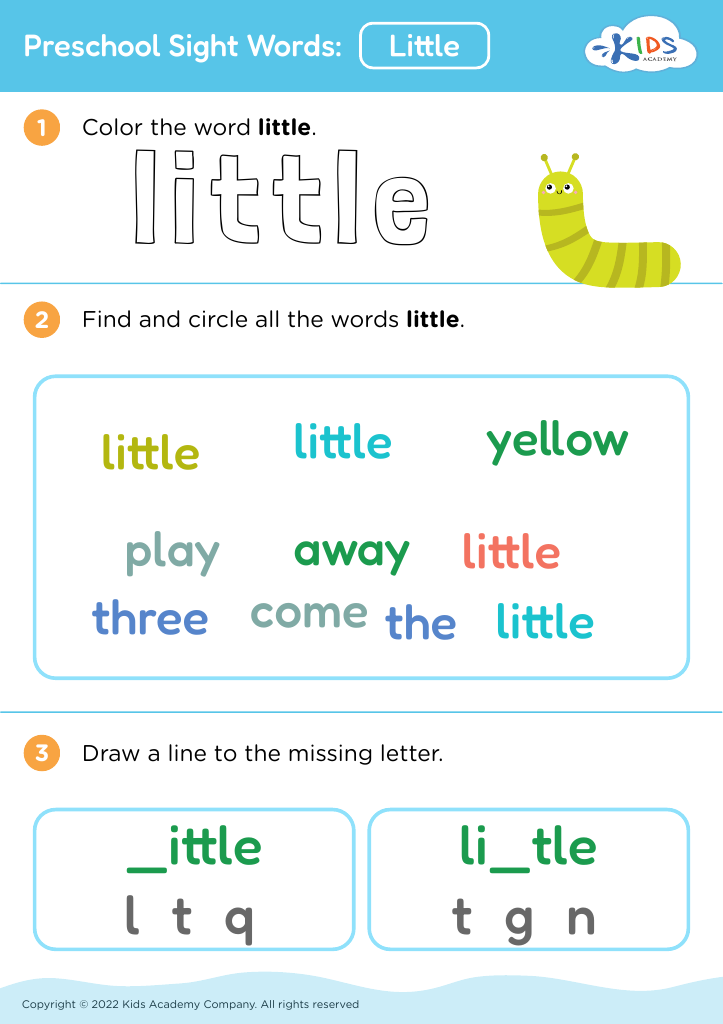
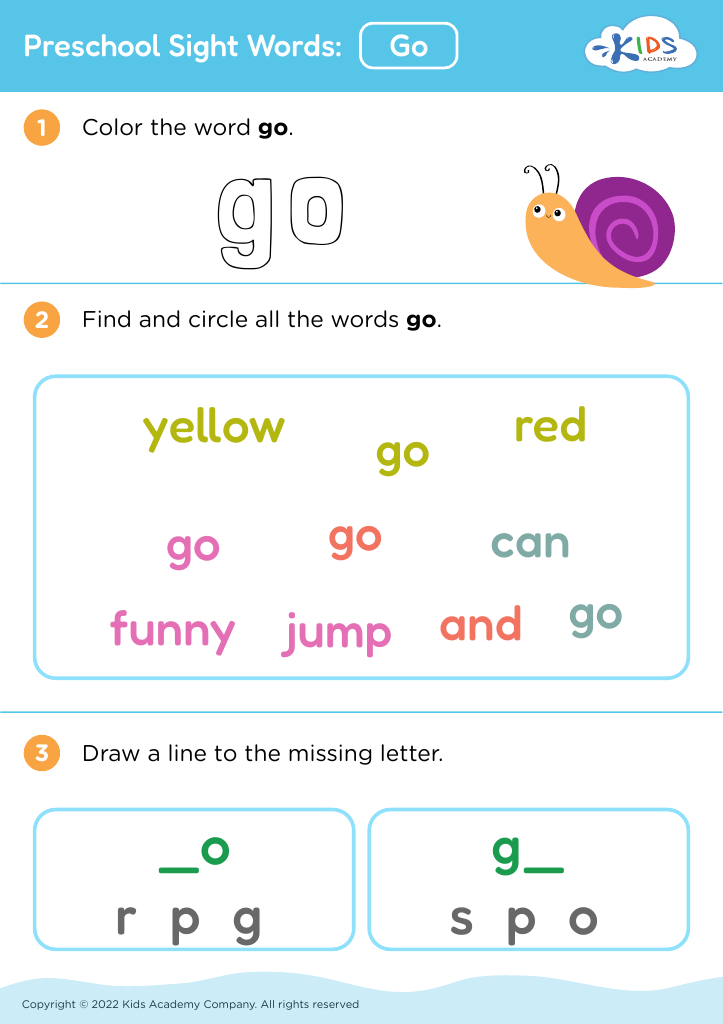
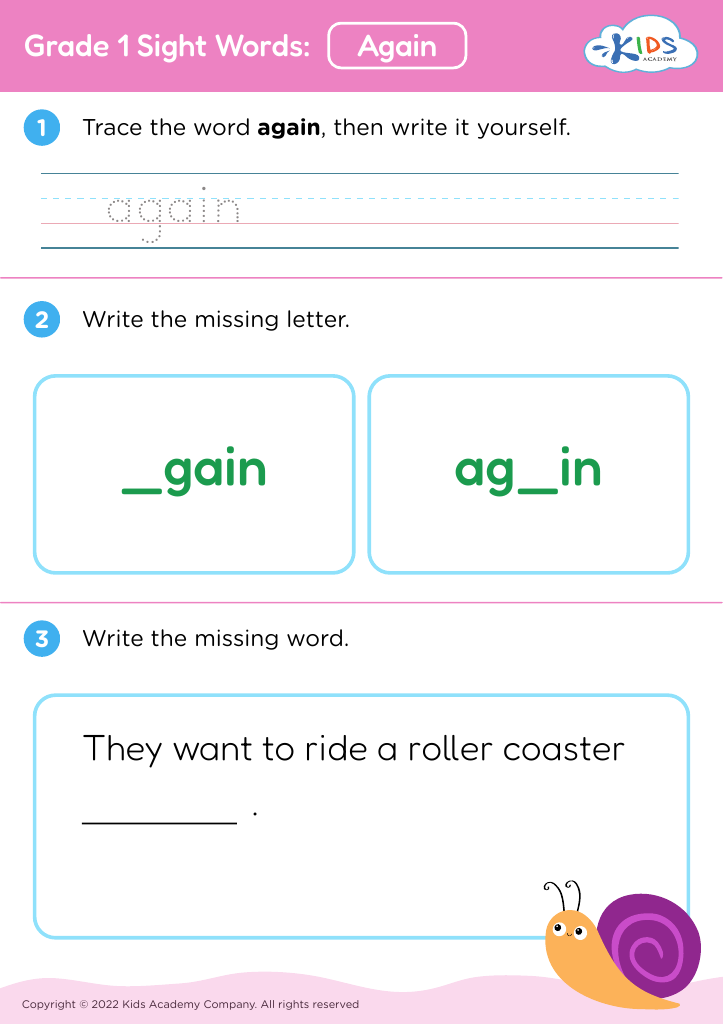
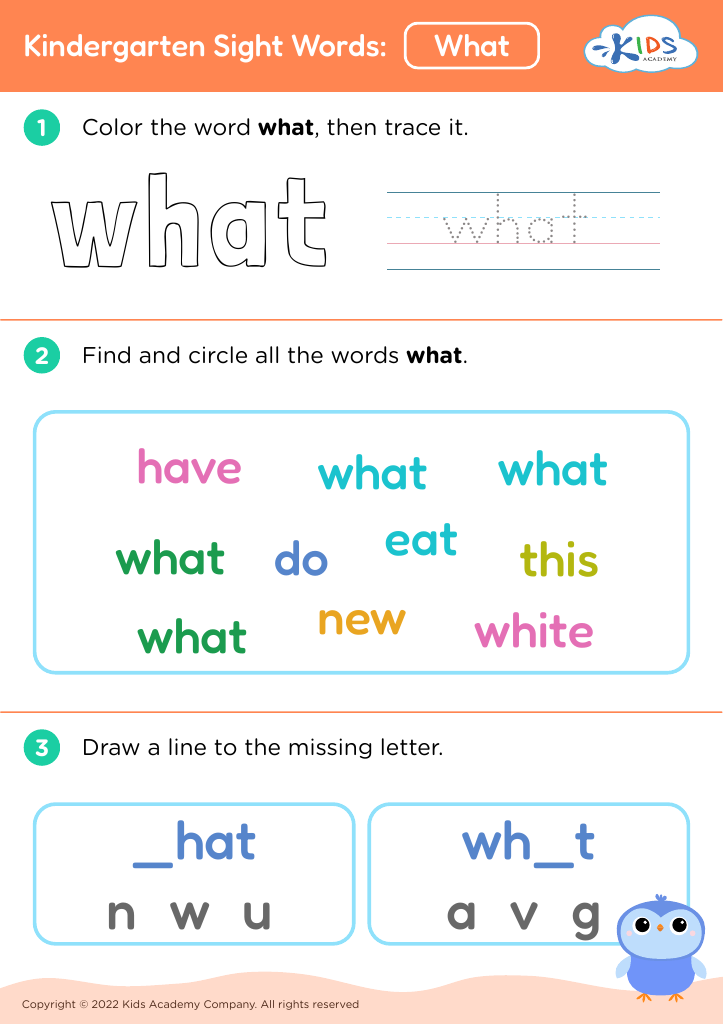
Discover the exciting world of vocabulary building with our "Understanding Patterns" worksheets, specially designed for young learners aged 3-7. These engaging printables help children recognize and understand patterns through fun activities, enhancing their language skills as they learn new words. By incorporating colorful visuals and interactive elements, our worksheets make learning enjoyable and effective. Ideal for homeschooling or classroom settings, these resources support early literacy development while laying a strong foundation for future reading skills. Explore our collection today to foster curiosity and boost vocabulary retention through the power of patterns—perfect for little minds eager to learn!
Favorites
With answer key
Interactive











Join Kids Academy for Free
Who is primarily going to use this learning content?








Understanding patterns and building vocabulary are integral components of early childhood education for children aged 3-7. These foundational skills significantly influence cognitive development and future academic success. First, recognizing patterns helps children make sense of the world around them, fostering critical thinking and problem-solving abilities. When children identify and create patterns in shapes, sounds, or sequences, they enhance their analytical skills, which are vital for mathematics and logical reasoning later on.
Building vocabulary is equally essential, as it forms the basis for effective communication and literacy. A rich vocabulary enables children to express their thoughts and emotions accurately and understand others better. Early exposure to diverse vocabulary fosters reading comprehension, which is crucial as they begin learning to read and write.
For parents and teachers, focusing on these skills promotes a holistic approach to a child's growth. Engaging activities that highlight patterns or introduce new words can be woven into daily routines, making learning enjoyable and meaningful. Ultimately, by prioritizing these elements, parents and teachers can lay a strong foundation for lifelong learning, empowering children to succeed academically and socially. Thus, investing in understanding patterns and vocabulary enhances children's current experiences and prepares them for future challenges.








