Cognitive Development Reading Worksheets for Ages 3-7 - Page 2
28 filtered results
-
From - To
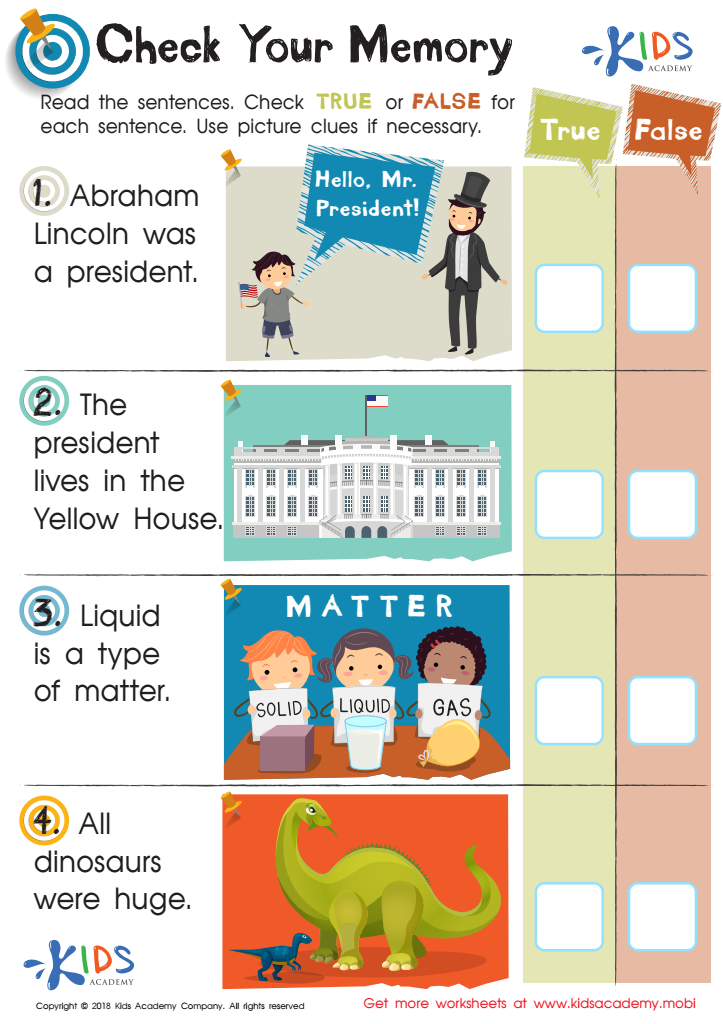
Check Memory Worksheet
 Assign to My Students
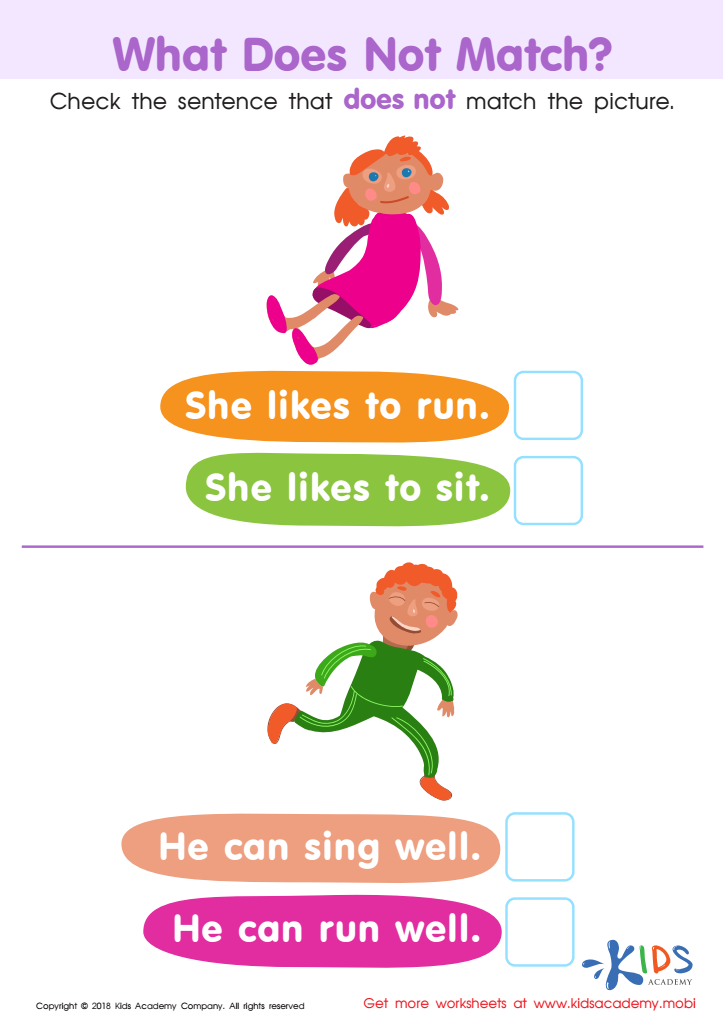
What Does Not Match? Worksheet
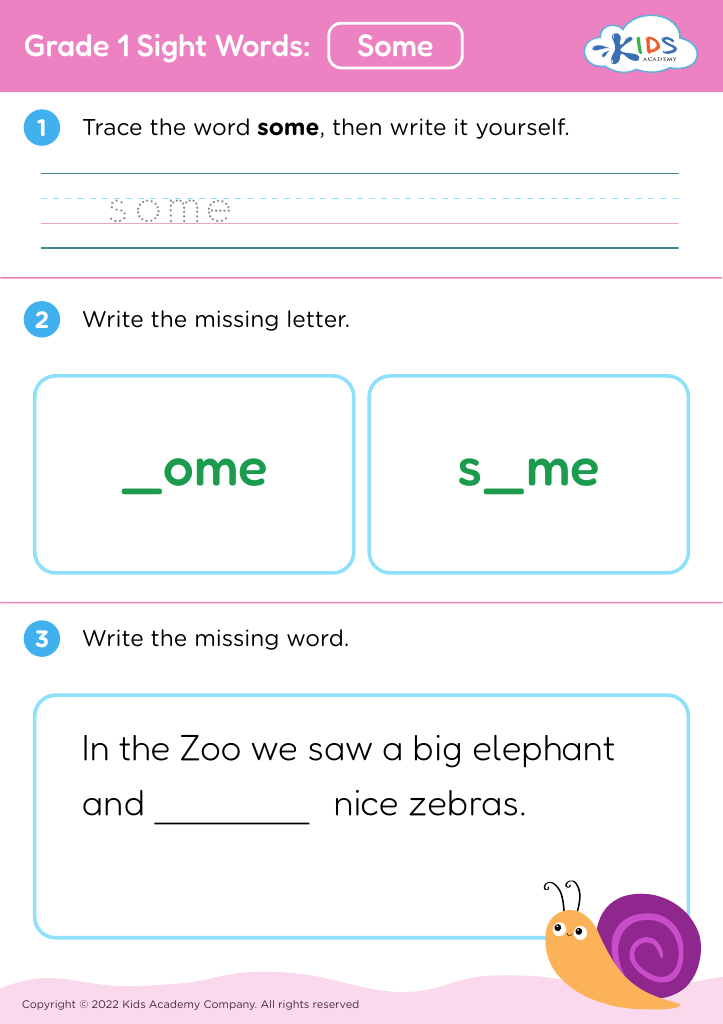
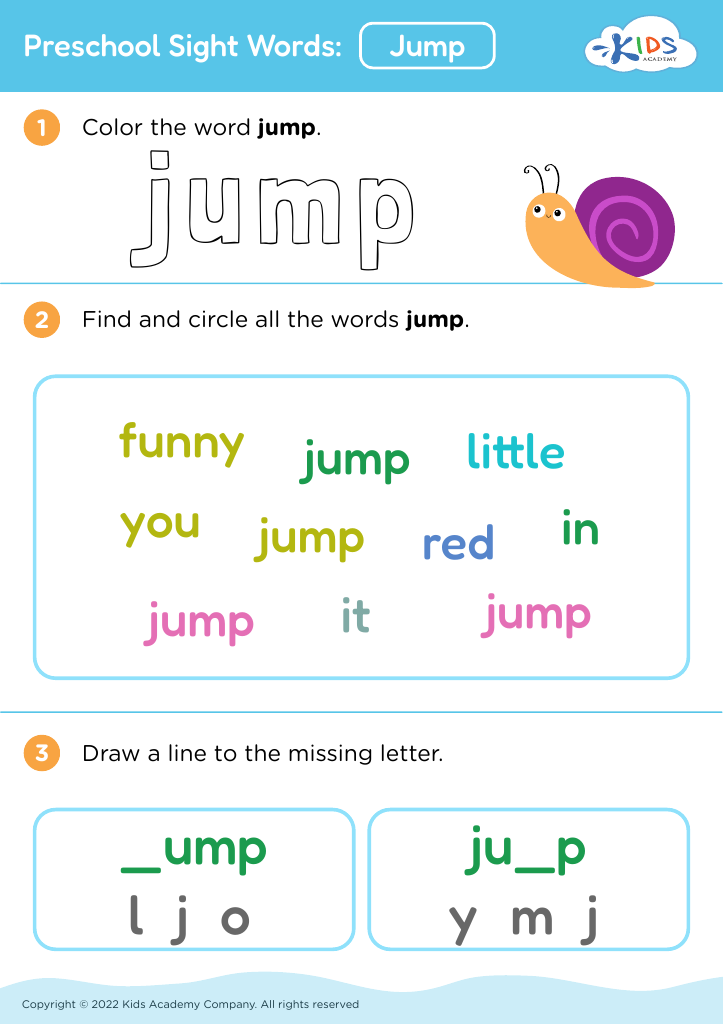








Cognitive development in reading for ages 3-7 is crucial as it lays the foundation for children’s overall learning and academic success. During this developmental stage, the brain is highly receptive to language and literacy experiences, influencing a child’s ability to think, understand, and communicate. Engaging with books and fostering a love for reading enhances various cognitive skills, such as vocabulary acquisition, comprehension, and critical thinking.
Parents and teachers play a pivotal role in this stage by introducing diverse reading materials and interactive storytelling. These activities stimulate curiosity and imagination, encouraging children to explore new concepts and ideas. Quality reading experiences also enhance phonemic awareness, which is essential for decoding words and developing reading fluency.
Furthermore, early reading influences social and emotional development by helping children understand emotions and perspectives through characters and narratives. Effective readers tend to demonstrate better problem-solving skills and creativity, which benefits not only academic achievements but also lifelong learning.
In summary, parents and teachers should prioritize cognitive development in reading for young children, as it forms the basis for future educational success, nurtures critical life skills, and cultivates a lifelong love of reading. Early investments in literacy set the stage for enhanced learning outcomes and personal growth.








