Develop critical thinking Reading Worksheets for Ages 3-7
6 filtered results
-
From - To
Nurture your child's budding intellect with our expertly crafted reading worksheets, designed specifically for ages 3-7. At Kids Academy, we focus on developing critical thinking through engaging and educational activities that challenge young minds. Our varied worksheets foster comprehension, analysis, and reasoning, making reading both enjoyable and thought-provoking. Each worksheet stimulates curiosity and enhances problem-solving abilities, positioning children for future academic success. Tailored to build essential learning skills, our resources help children progress at their own pace while staying motivated and attentive. Ignite your child's cognitive development with Kids Academy's critical thinking reading worksheets today!
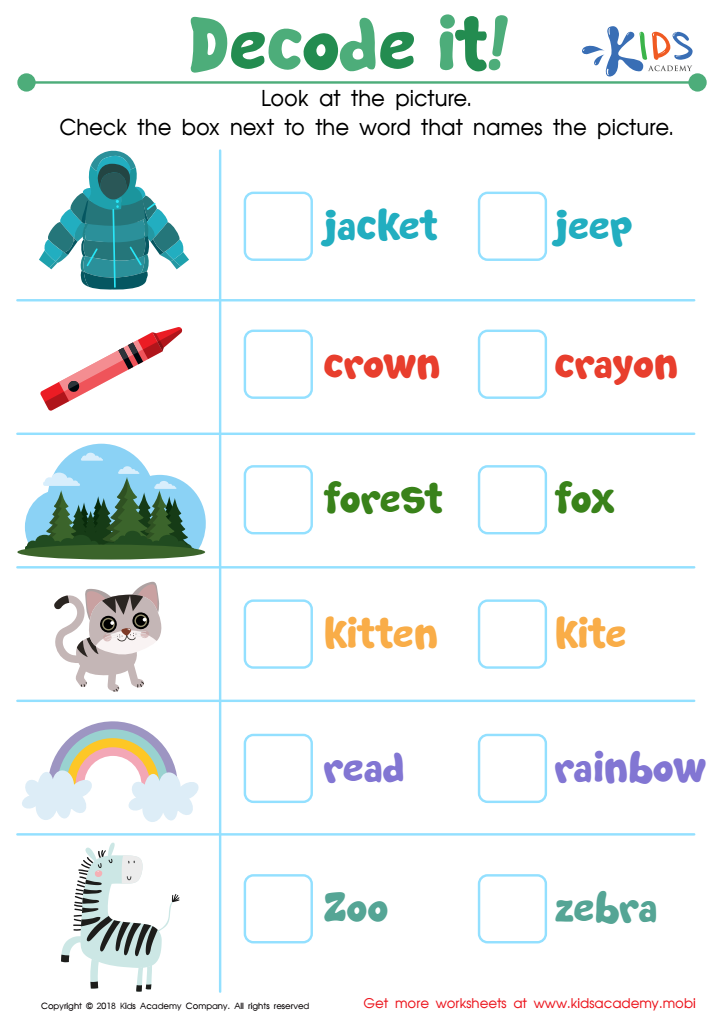
Reading: Decode It Worksheet
 Assign to My Students
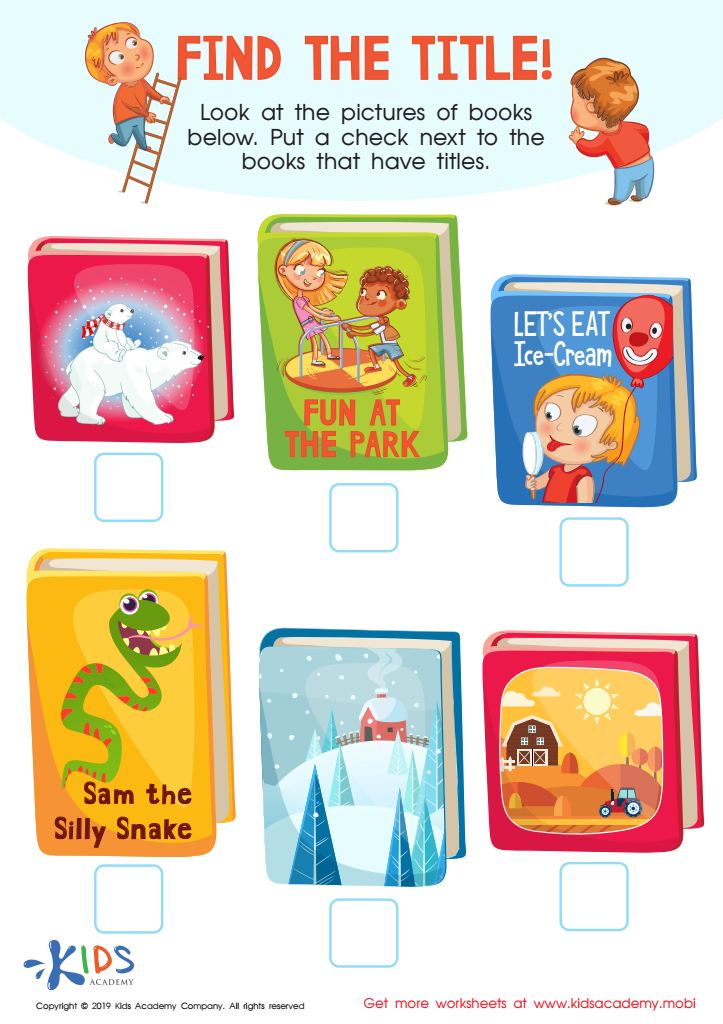
Find the Title Worksheet
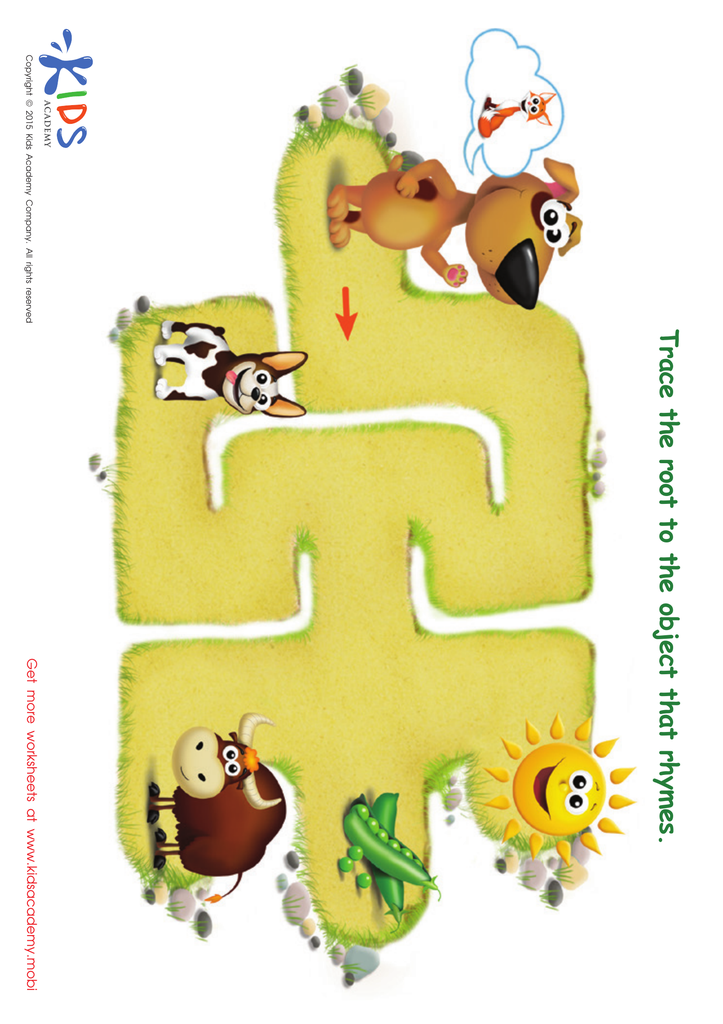
Fox Rhyming Words Worksheet
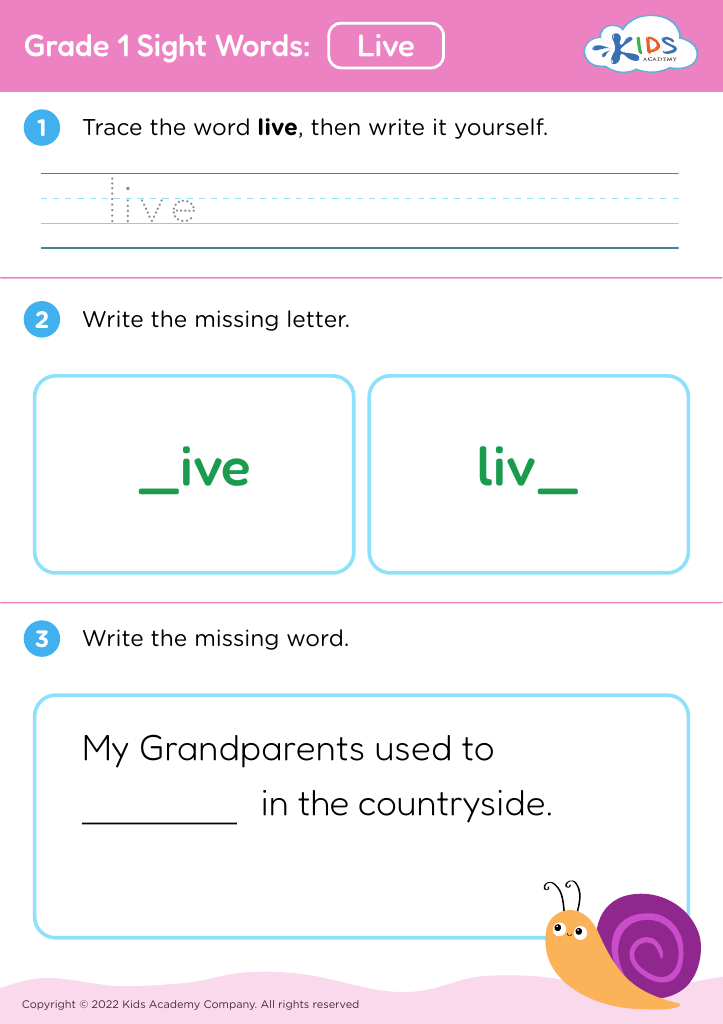


.jpg)



.jpg)
Developing critical thinking skills through reading for children ages 3-7 is essential for several compelling reasons. At this formative stage, young minds are highly impressionable and capable of vast cognitive growth. Engaging in reading helps children understand context, sequence, and cause-and-effect, laying a strong cognitive foundation. Critical thinking enables children to analyze information, ask relevant questions, and make thoughtful decisions, skills that are fundamental for academic success and everyday problem-solving.
Reading stories and discussing them encourages children to think beyond the text, fostering imagination and empathy by seeing the world from different perspectives. It also helps in developing language and vocabulary, which are building blocks for articulating thoughts and engaging in meaningful conversations. For parents and teachers, nurturing these skills means equipping children to be curious, independent thinkers who can navigate complex social and academic scenarios.
Furthermore, fostering critical thinking early on aids children in distinguishing between fact and fiction, cultivating a lifetime habit of insightful and skeptical reading. Ultimately, investing time and effort into developing these skills can lead to better academic performance, emotional intelligence, and active participation in a knowledge-driven society, making it a crucial aspect of early education.








